 Metal Spinning
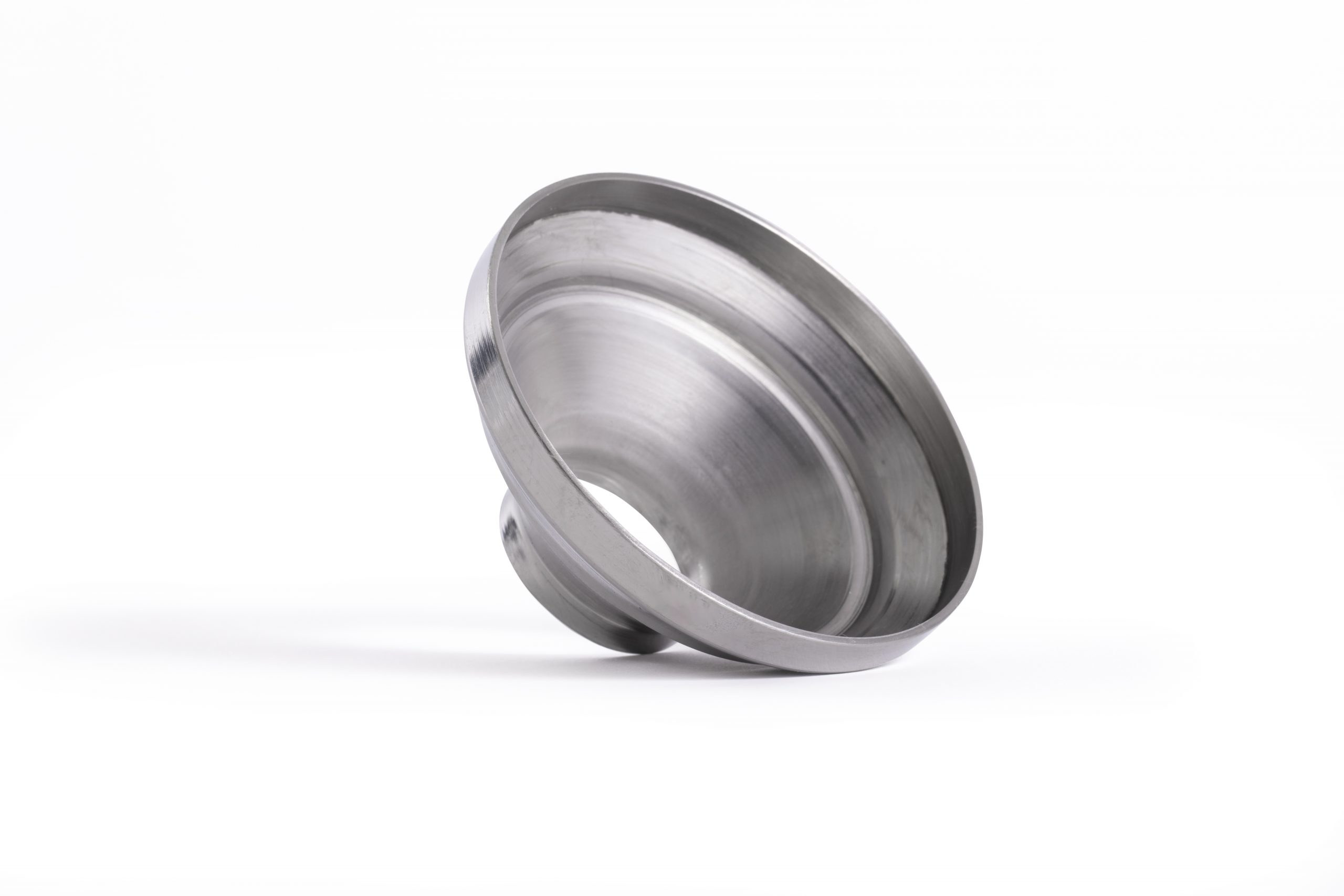 Bespoke Metal Spinning
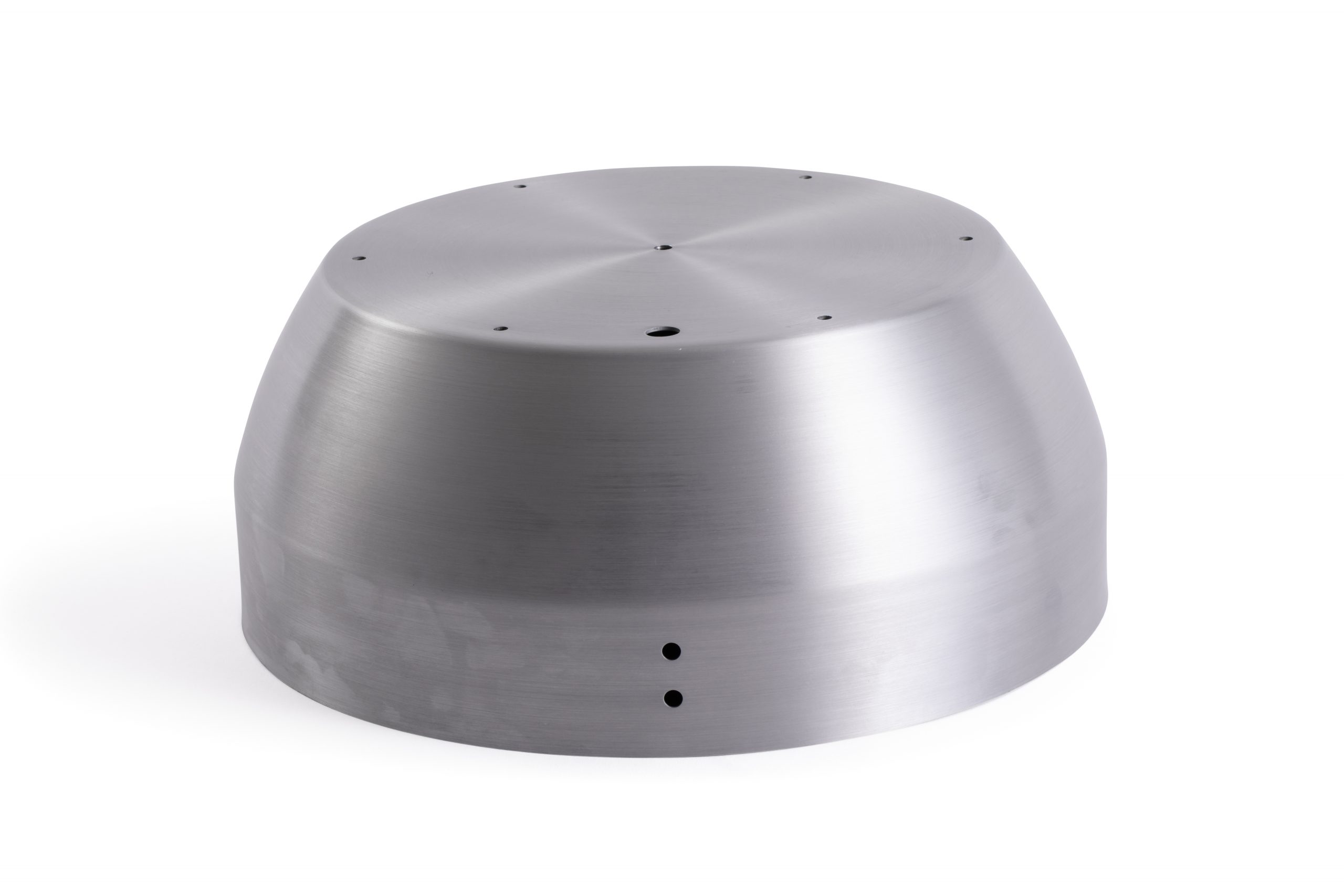 Metal Polishing
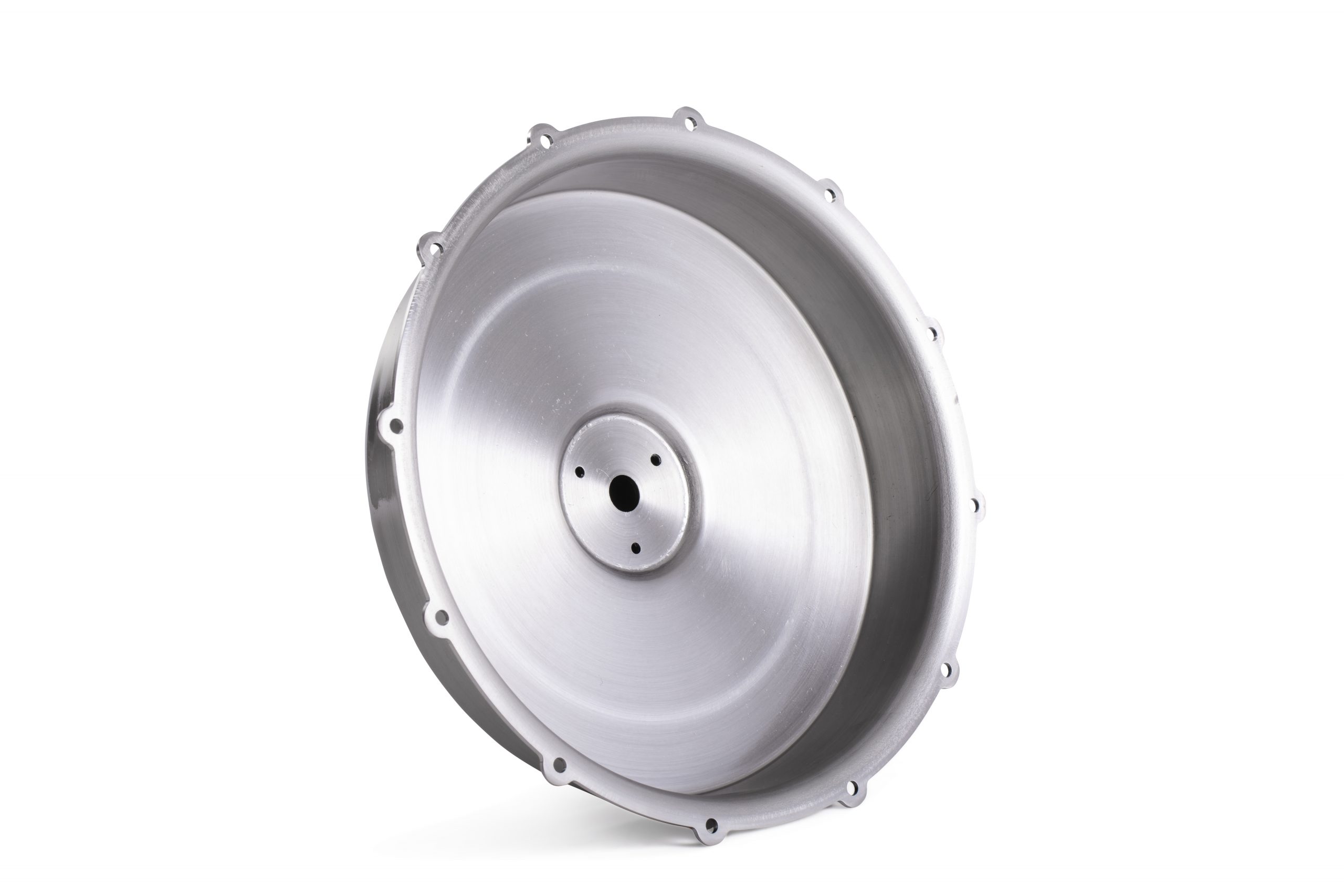 Machining
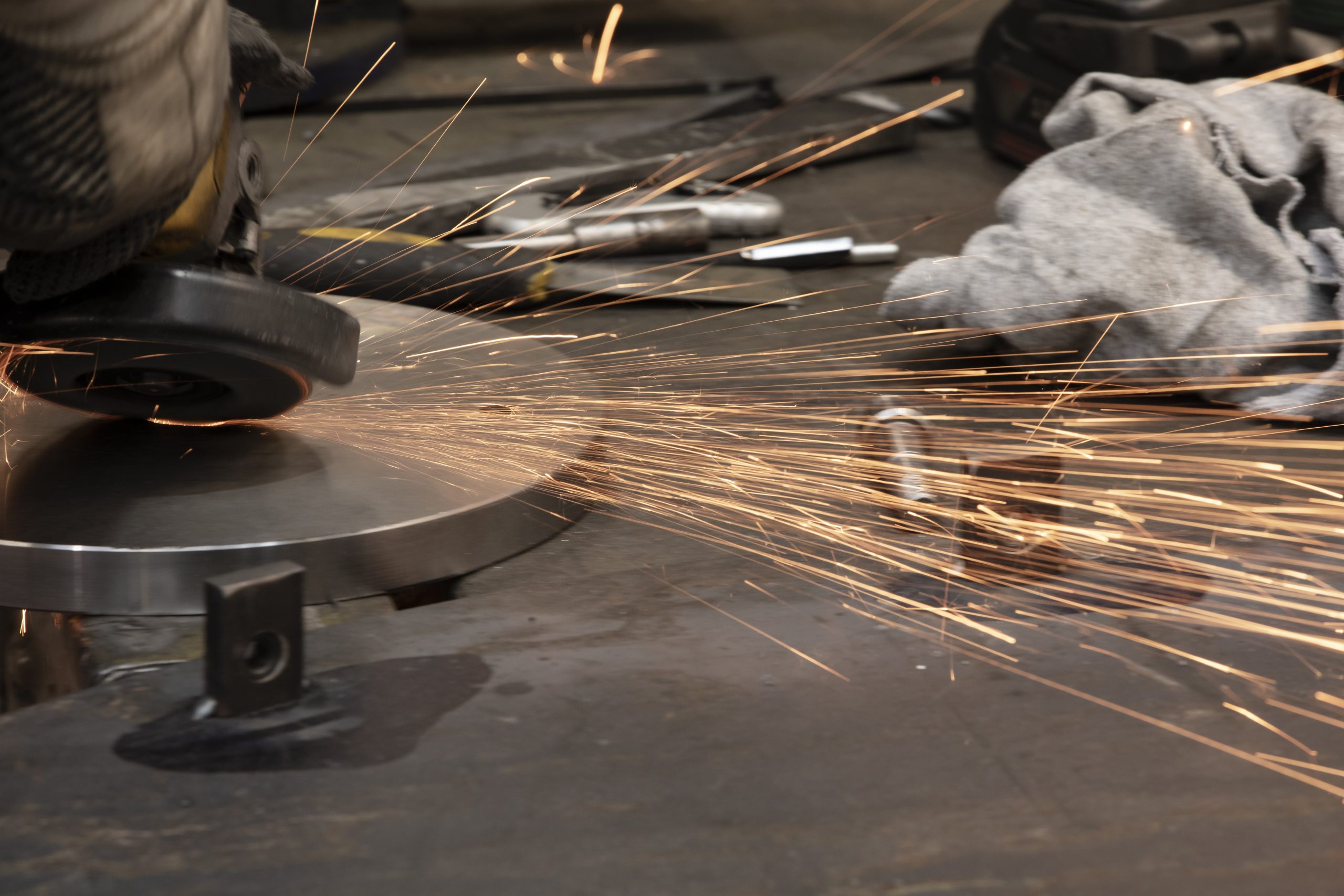 Metal Pressing
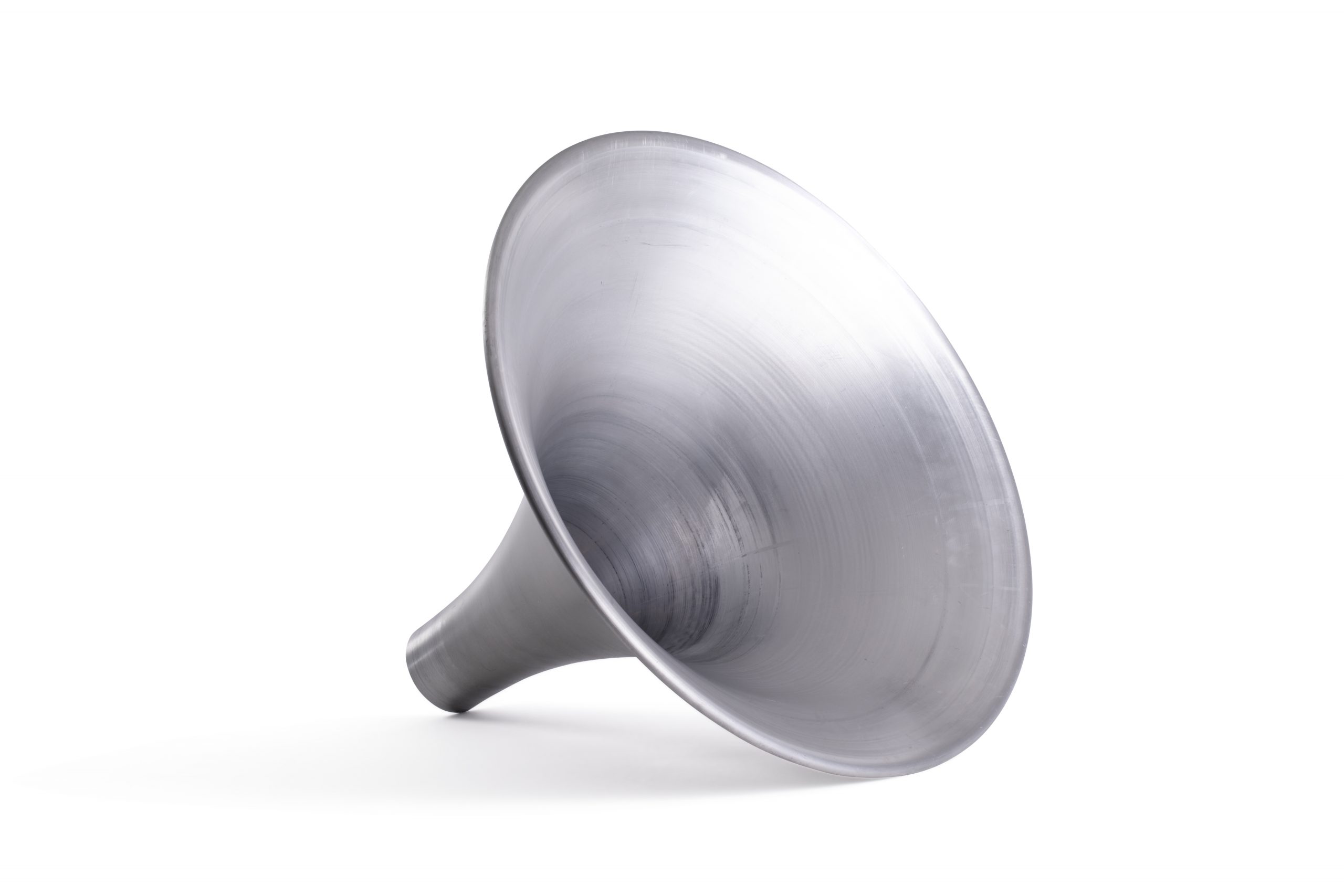 Metal Swaging
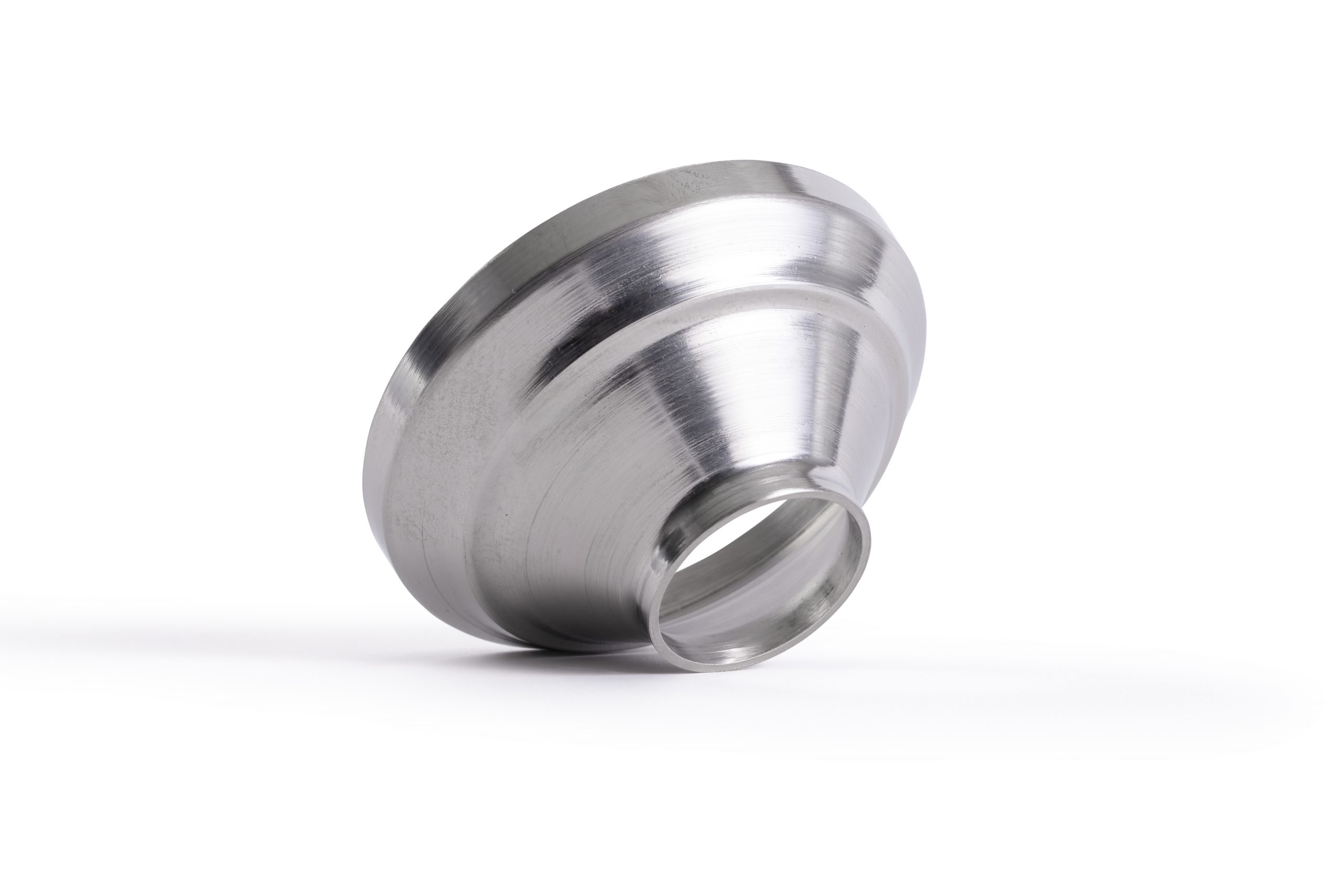 Metal Fabrication & Welding
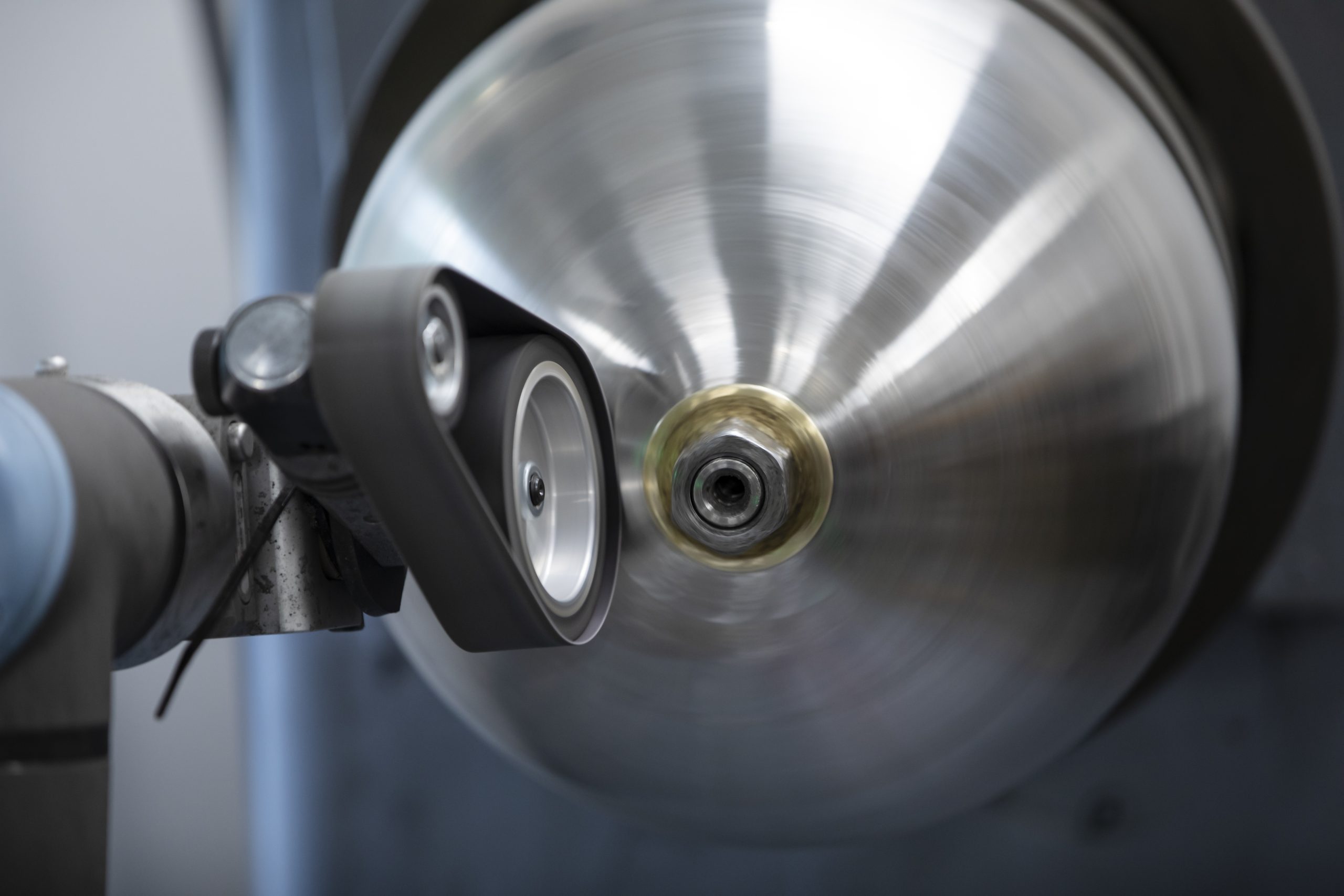 Precision Engineering
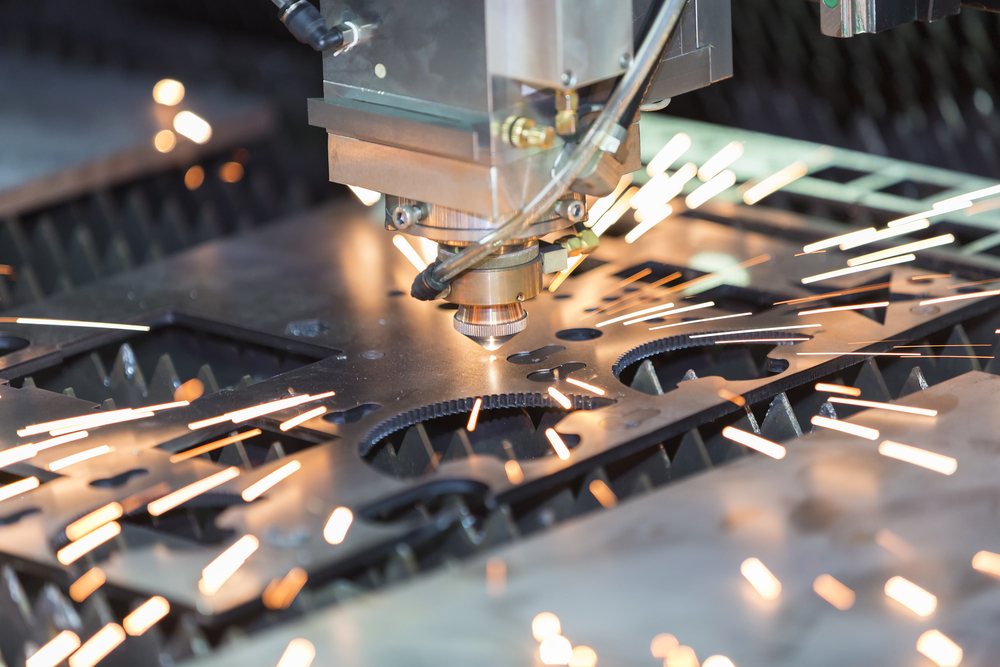 Laser Cutting
 Inspection and Quality
 Anodising, Electropolishing and Pickling & Passivating
 Agriculture
 Automotive
 Air Movement
 Food Industry
 Marine
 Medical and Cryogenic
 Playground
 Pressure Vessels
 Renewable Energy
 Safety
Tight-Tolerance Metal Spinning: How CNC, Automation, and Tooling Design Work Together
< Blogs < Tight-Tolerance Metal Spinning: How CNC, Automation, and Tooling Design Work Together
In today’s high-precision manufacturing environment, tolerances measured in fractions of a millimetre can make the difference between success and costly failure. From aerospace and automotive to medical, renewable energy and defence, engineers demand rotationally symmetric metal components that are consistent, strong, and produced economically.
Tight-tolerance metal spinning has emerged as one of the most effective solutions. When powered by advanced CNC technology, intelligent automation, and expert tooling design, the process delivers repeatable accuracy that rivals or exceeds more expensive methods such as stamping or deep drawing.
At Tanfield Metal Spinners, specialists in metal spinning since 1984, we combine over 40 years of expertise with one of the largest tooling inventories in the UK and fully automated CNC spinning cells. This guide explains exactly how CNC, automation, and tooling design work in synergy to achieve exceptional precision.
Understanding Tight-Tolerance Metal Spinning
Metal spinning (or spin forming) shapes flat sheet metal blanks over a rotating mandrel using controlled pressure from rollers or tools. The process creates complex shapes; cylinders, cones, hemispheres, paraboloids, and multi-contour profiles — with minimal material waste and excellent structural integrity due to work hardening.
Achieving tight tolerances ( Tolerances will be decided during the pre-contract review with the customer and our engineering team on all components) control over variables such as material springback, wall thinning, tool deflection, and thermal effects. Modern techniques overcome these challenges through integrated technology rather than relying solely on operator skill.
The Power of CNC in Precision Metal Spinning
CNC (Computer Numerical Control) has transformed metal spinning from a craft into a data-driven, repeatable manufacturing process.
On a CNC spinning lathe:
- Every roller movement, feed rate, spindle speed, and pass sequence follows a pre-programmed path.
- Multi-pass strategies are optimised to control thinning and springback.
- Real-time feedback systems allow automatic adjustments during forming.
This results in parts that are virtually identical from the first to the thousandth piece. CNC also integrates with CAD/CAM software, enabling virtual simulation of the entire forming process before production begins. Engineers can predict material flow, identify potential issues, and refine tool paths digitally, dramatically reducing development time.
At Tanfield Metal Spinners, our fleet of advanced CNC spinning machines handles diameters up to 2.4 metres and material thicknesses up to 10 mm with stainless steel, 12mm mild steel and 12mm Aluminium, While maintaining tolerances set by both parties. This capability serves demanding sectors where consistency is non-negotiable.
Automation: Scaling Precision Without Compromise
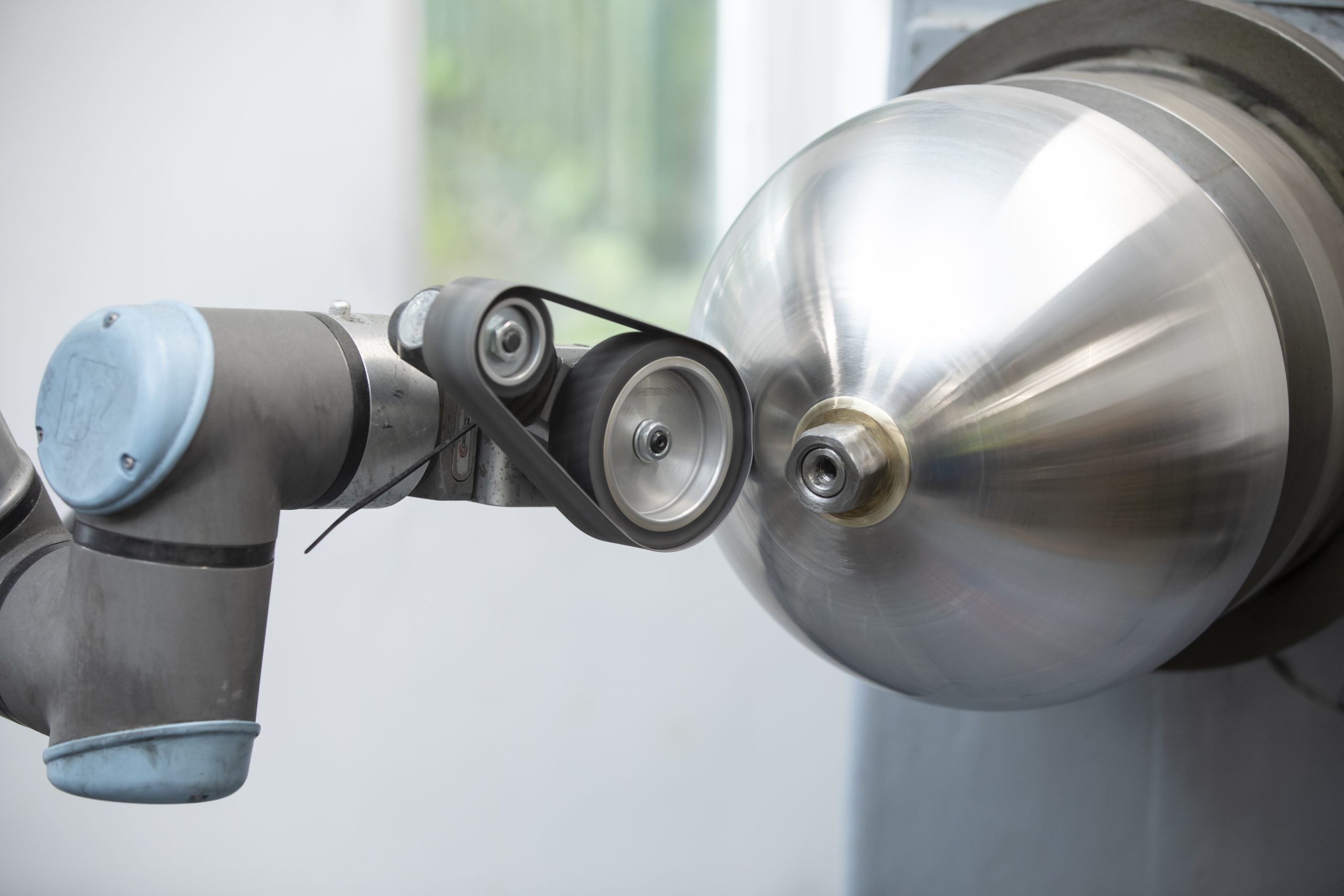
Automation elevates CNC spinning by removing human variability and enabling high-volume, lights-out production.
Key features in modern automated spinning cells include:
- Robotic blank loading and finished part unloading
- Automatic tool changers for multiple rollers and trimming tools
- Integrated sensors and vision systems for in-process measurement
- Full lights-out capability for overnight runs
Automation ensures every part experiences identical forming conditions regardless of shift or operator. Scrap rates drop significantly, throughput increases, and cost per part falls, often making CNC-automated spinning more economical than traditional fabrication methods for medium to high volumes.
Tanfield’s 35,000 sq ft UK facility utilises fully automated spinning lathes, allowing us to move seamlessly from prototypes to large production runs while upholding the same tight tolerances.
Tooling Design: The Foundation of Accuracy
Even the best CNC and automation systems depend on superior tooling. Custom mandrels (chucks), rollers, and support tools determine how precisely the metal conforms to the desired geometry.
Critical aspects of high-performance tooling include:
- Mandrel design: Machined to exact specifications, often with segmented or multi-piece construction for easy release while preserving concentricity.
- Roller geometry: Precision-ground profiles optimised for specific materials and forming stages (pre-form, finish, and trim).
- Material and hardness: Chosen to resist wear across thousands of cycles.
- Simulation-driven design: Using FEA (Finite Element Analysis) to predict stress, thinning, and springback before tools are manufactured.
Tanfield Metal Spinners maintains one of the largest tooling stocks in the UK, with extensive in-house machining capabilities. This allows rapid tooling development and modification, reducing lead times and costs for our customers.
How CNC, Automation, and Tooling Create True Synergy
The greatest results occur when these three elements are engineered as one integrated system:
- Design & Simulation: 3D CAD models feed directly into CAM software that designs tooling and generates optimised CNC programs.
- Tooling Production: Precision-machined mandrels and rollers are created to match the simulation.
- Process Programming: Detailed multi-pass strategies, pressure profiles, and automation sequences are defined and virtually validated.
- Automated Production: Robotic cells execute the program with continuous monitoring and micro-adjustments.
- Quality Verification: In-process and post-process inspection (including CMM) confirms every critical dimension meets specification.
This closed-loop approach compensates for material variables, controls wall thickness variation, and delivers outstanding repeatability.

Industries That Benefit from Tight-Tolerance Spun Parts
- Aerospace: Lightweight nose cones, ducting, and fuel system components
- Automotive & EV: Battery enclosures and exhaust parts
- Medical & Scientific: Sterile housings and precision imaging equipment
- Renewable Energy: Wind turbine parts, solar concentrators
- Defence & Industrial: Pressure vessels, dished ends, and custom enclosures
Key Advantages of the Integrated Approach
- Lower tooling investment than stamping or deep drawing
- Excellent material utilisation and minimal waste
- Superior mechanical properties from work hardening
- Fast prototyping to production scalability
- Consistent quality across batches
- Made in Great Britain with full traceability
Why Choose Tanfield Metal Spinners?
Since 1984, Tanfield Metal Spinners has built a reputation for technical excellence, flexibility, and outstanding customer service. We offer:
- One of Europe’s largest tooling libraries
- Fully automated CNC spinning capacity
- In-house machining, fabrication, and finishing
- ISO-certified quality systems
- Expert design support from initial concept through to series production
Our combination of experience, technology, and scale enables us to deliver tight-tolerance components that meet the most demanding specifications while remaining cost-competitive.
Ready to Experience Precision Metal Spinning?
Tight-tolerance metal spinning, when powered by CNC, automation, and intelligent tooling design, offers manufacturers a powerful competitive advantage; accuracy, efficiency, and value all in one process.
Contact the team at Tanfield Metal Spinners today to discuss your project. Whether you need a complex prototype or a high-volume production run, we’ll show you how our integrated approach can deliver exceptional results.
< Blogs < Tight-Tolerance Metal Spinning: How CNC, Automation, and Tooling Design Work Together
More Blogs