
 Metal Spinning
 Bespoke Metal Spinning
 Metal Polishing
 Machining
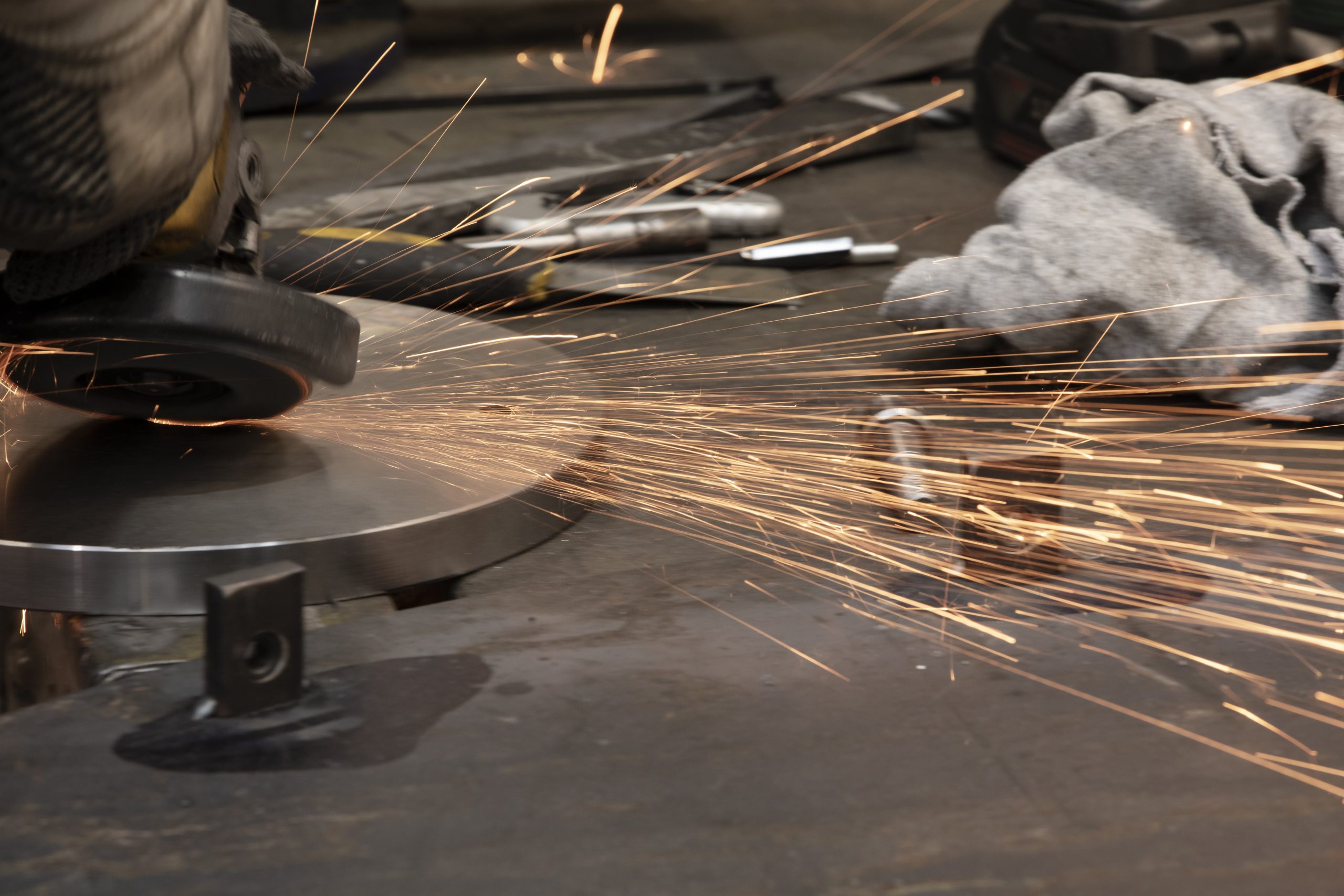 Metal Pressing
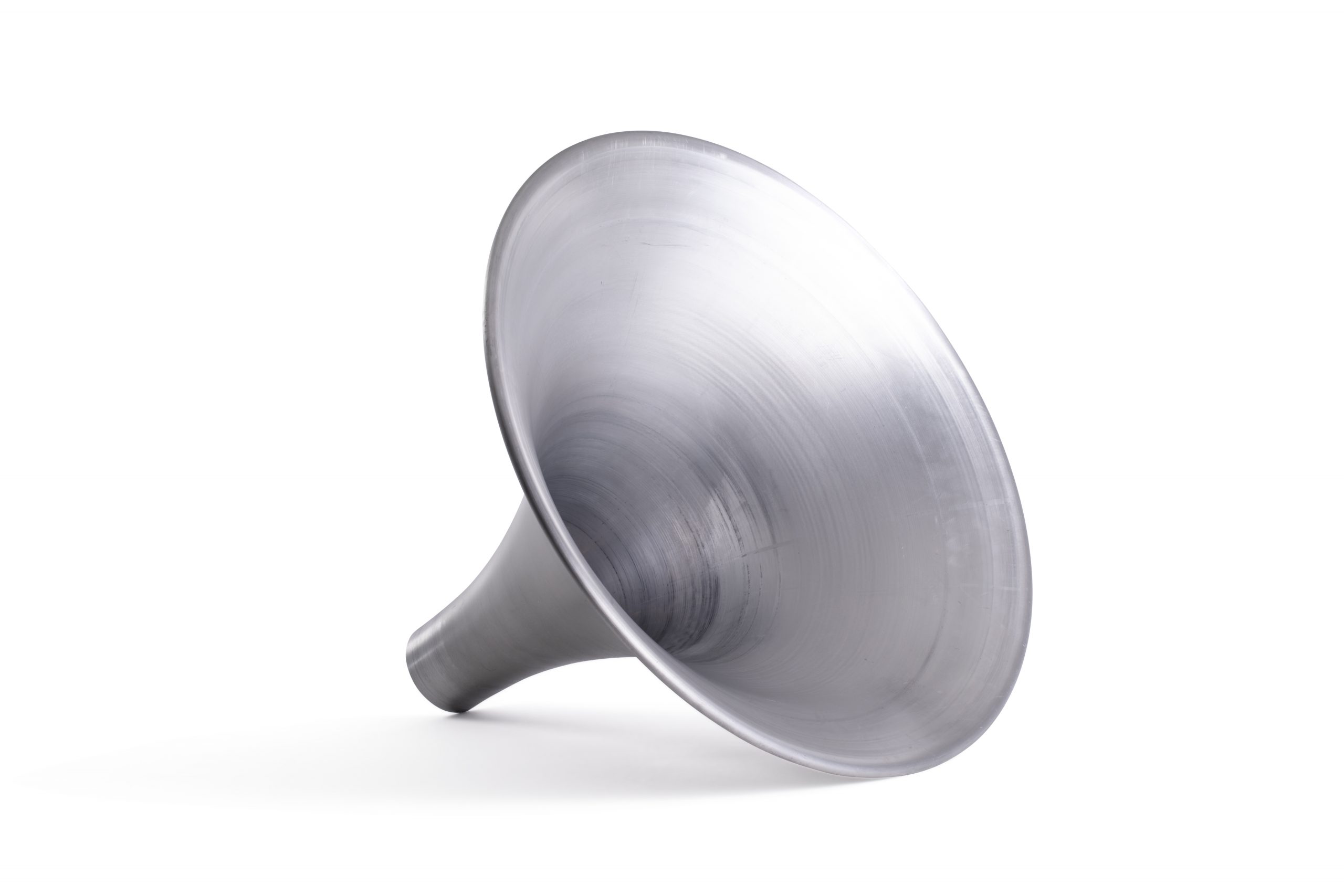 Metal Swaging
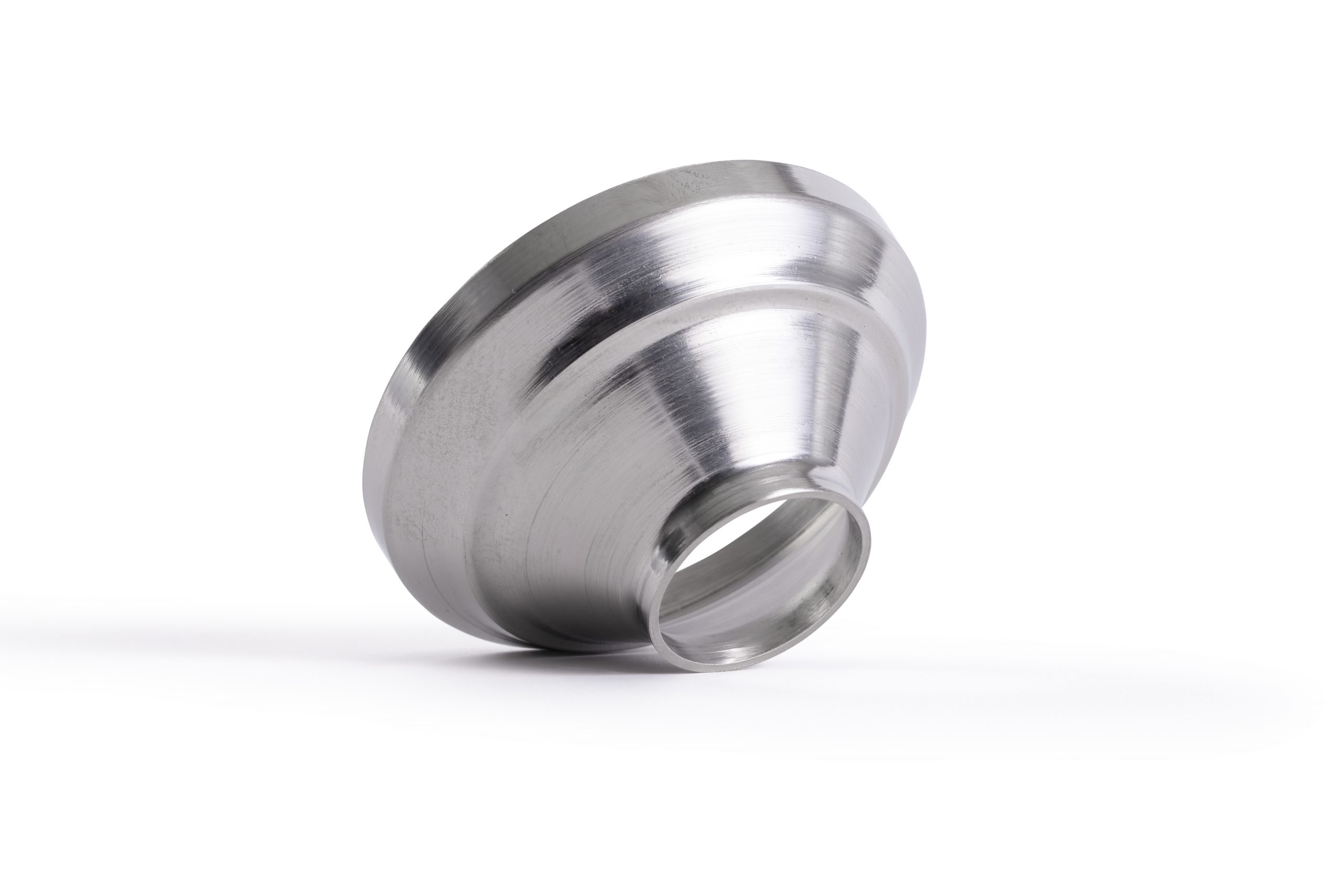 Metal Fabrication & Welding
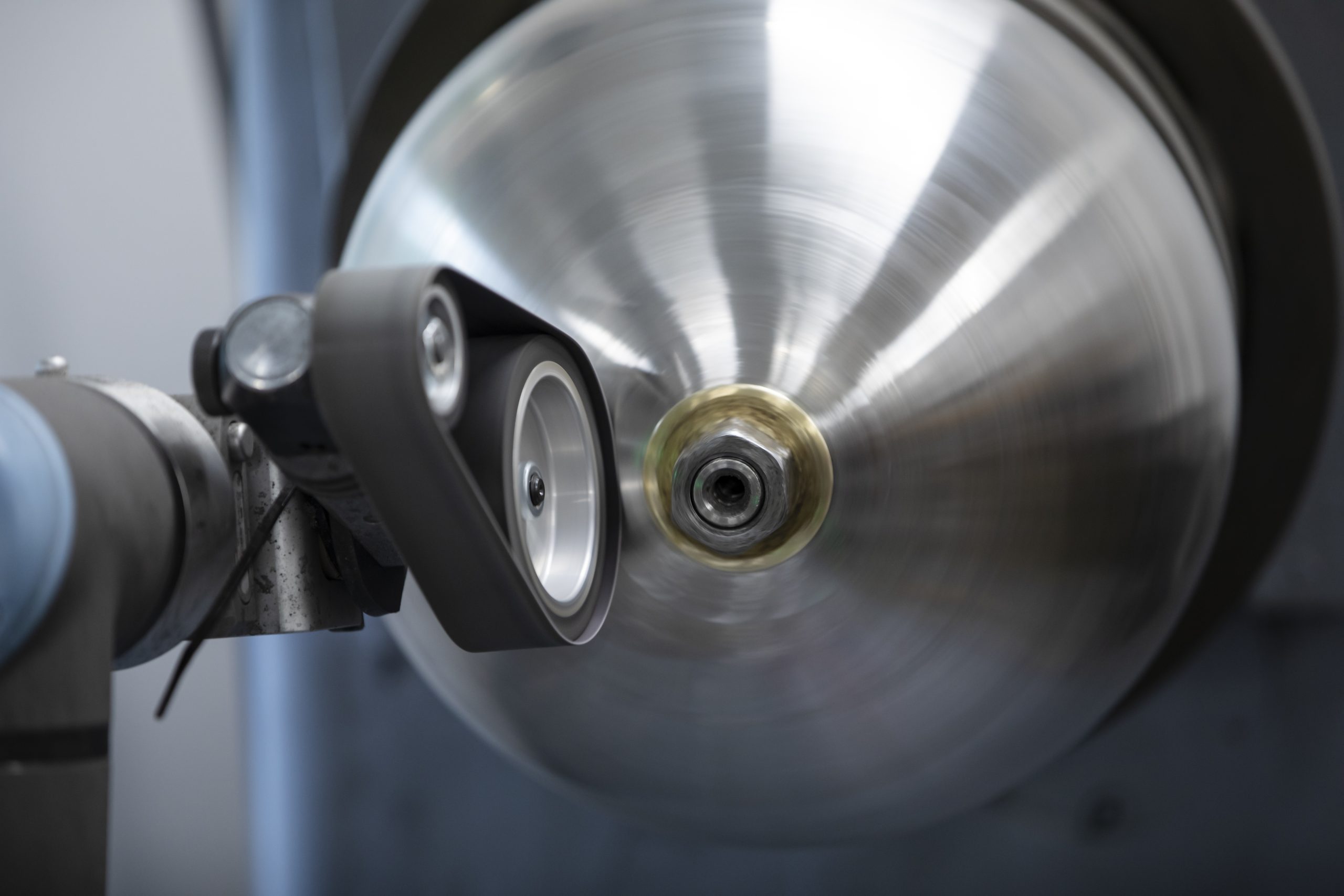 Precision Engineering
 Laser Cutting
 Inspection and Quality
 Anodising, Electropolishing and Pickling & Passivating
 Agriculture
 Automotive
 Air Movement
 Food Industry
 Marine
 Medical and Cryogenic
 Playground
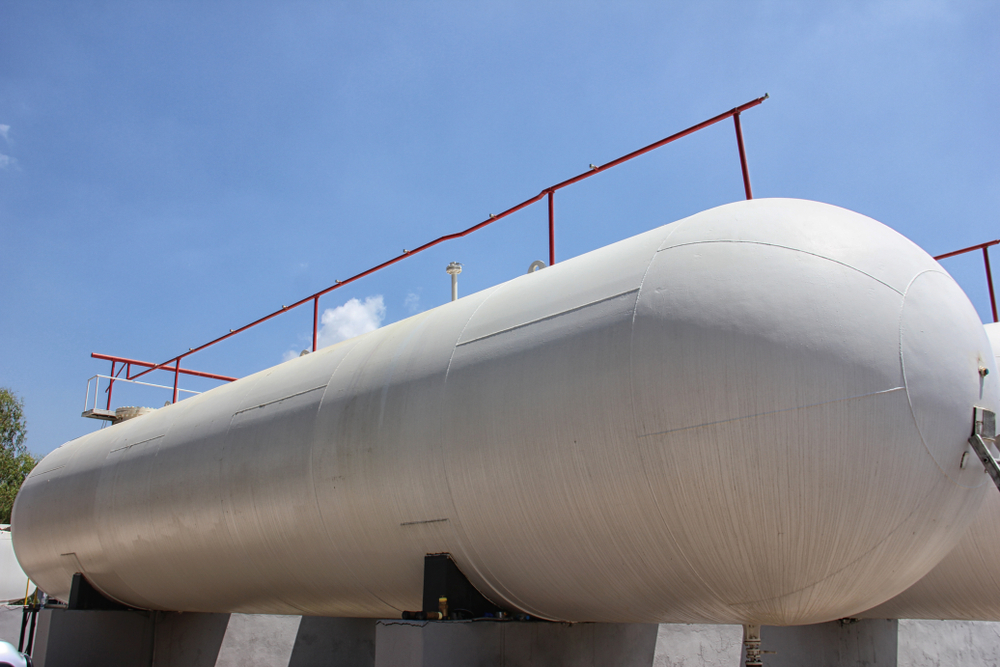 Pressure Vessels
 Renewable Energy
 Safety
Metal Polishing Services
Our Metal Polishing Process
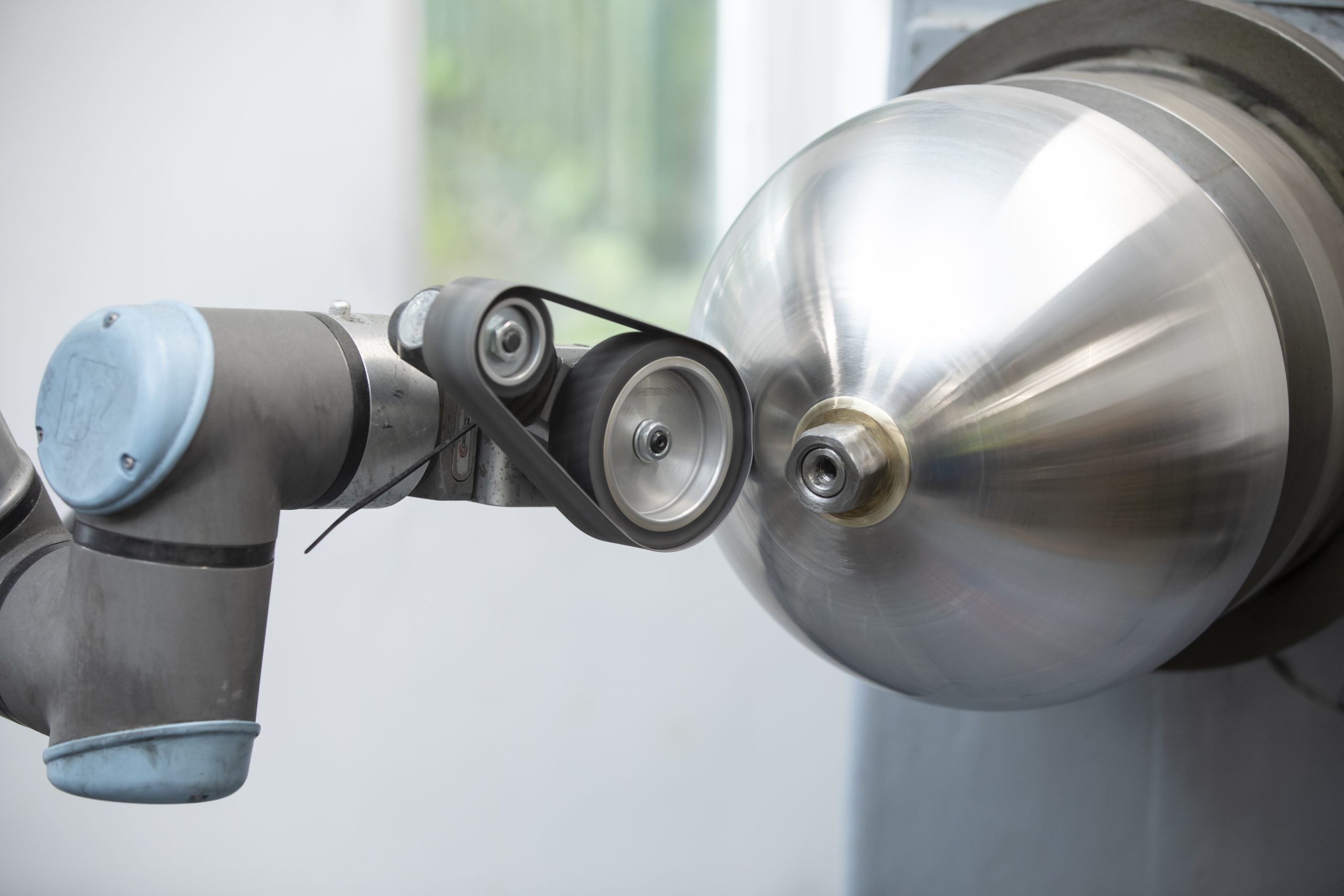
Tanfield’s metal polishing process is set up for both appearance and function. Coarser abrasives take off surface marks and scale; finer grades then refine the surface without leaving swirl or cut-through on the workpiece.
The abrasive is matched to the metal, in the same way metal spinning is matched to the blank. Ferrous grades need a different cut and compound from aluminium, copper, brass or stainless steel, and that choice is made before the job goes on the machine or to a polisher.
Where it helps, lubricants are used; kerosene, wax, graphite, oils and similar, or the part is dry-polished. That mix of machine and hand work is what lets the finish meet a written spec rather than a generic “bright”.
What Metal Polishing Can Do For You
Polishing is often the step that makes a precision part inspectable, hygienic or saleable. Automated polishing keeps that finish consistent across a batch, not only on a one-off.
A controlled polish also improves corrosion performance by removing embedded debris and leaving a cleaner surface. It does not replace a specified coating or treatment; where extra protection is needed we can follow on with anodising, electropolishing or pickling and passivating.
The same shop finishes the metals most commercial work uses — aluminium, copper, stainless steel and brass — including spun, pressed and fabricated parts. If you are unsure whether polishing is worth the extra operation, the team will say so rather than add it by default.

Expertise
We believe that collaboration is key! That’s why we work closely with you to ensure that we provide solutions tailored to your unique needs and requirements.
No drawing? No problem, our expert team will provide one free of charge.

Flexibility
Since 1984 we’ve built an enviable first-class reputation based on the highest quality workmanship with the best advice available on metal thickness and tolerance levels.
We have an open-minded approach to satisfying our customers engineering needs.

Responsive
We pride ourselves on deeply understanding our customers’ needs quickly and effectively. 90% of our quotes are provided within 24 hours.
We take great pride in our excellent on time deliver performance, helping our customers projects run on time, every time.

Competitive
With our large range of fully automatic spinning lathes, in our 35,000 sq-ft facility, you can be assured of receiving the best solution for your application, along with the very best lifetime value.
We are very proud to say we are a 100% ‘made in Great Britain’ manufacturer.
Top things we get asked
Metal polishing is a finishing process that smooths and enhances the surface of metal components. It improves appearance, reduces surface imperfections, and can increase corrosion resistance.
We can polish a wide range of metals including aluminium, stainless steel, copper, brass, and other alloys, with abrasives and techniques tailored to each material.
We use a range of abrasives, from rougher grades to remove surface imperfections to finer, non-marking abrasives for achieving a smooth finish. The choice depends on the metal and desired outcome.
Yes. Depending on the project, our team may use kerosene, wax, graphite, oils, or other lubricants alongside dry polishing to achieve the best results.
Industries including commercial manufacturing, aerospace, food processing, and engineering benefit from metal polishing, particularly where aesthetics, corrosion resistance, or surface precision is important.
Polishing removes surface defects and creates a smoother finish, which reduces corrosion and wear, thereby extending the operational life of components.
Absolutely. Our processes are designed to maintain consistency and quality across both small and large production runs, ensuring uniform results for every component.
Yes. Our experts can assess your project and recommend the most suitable polishing method, considering metal type, intended use, and desired finish.
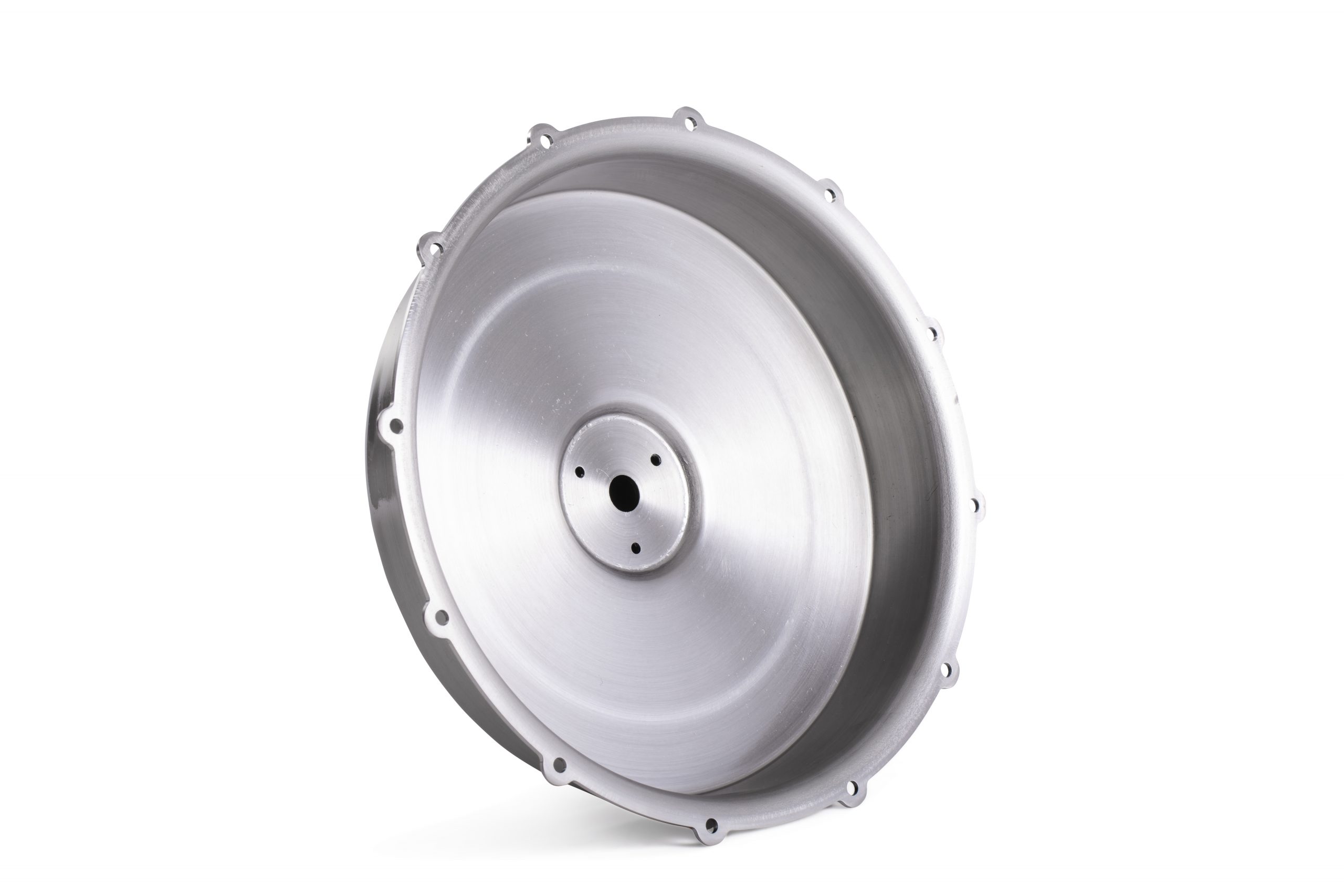
Yes. Metal polishing is often used alongside spinning, swaging, and machining to produce fully finished, functional components that meet tight tolerances and aesthetic standards.
Tanfield combines skilled operators, extensive experience, and precision techniques to deliver high-quality metal polishing results and durable components, with advice and support throughout your project.
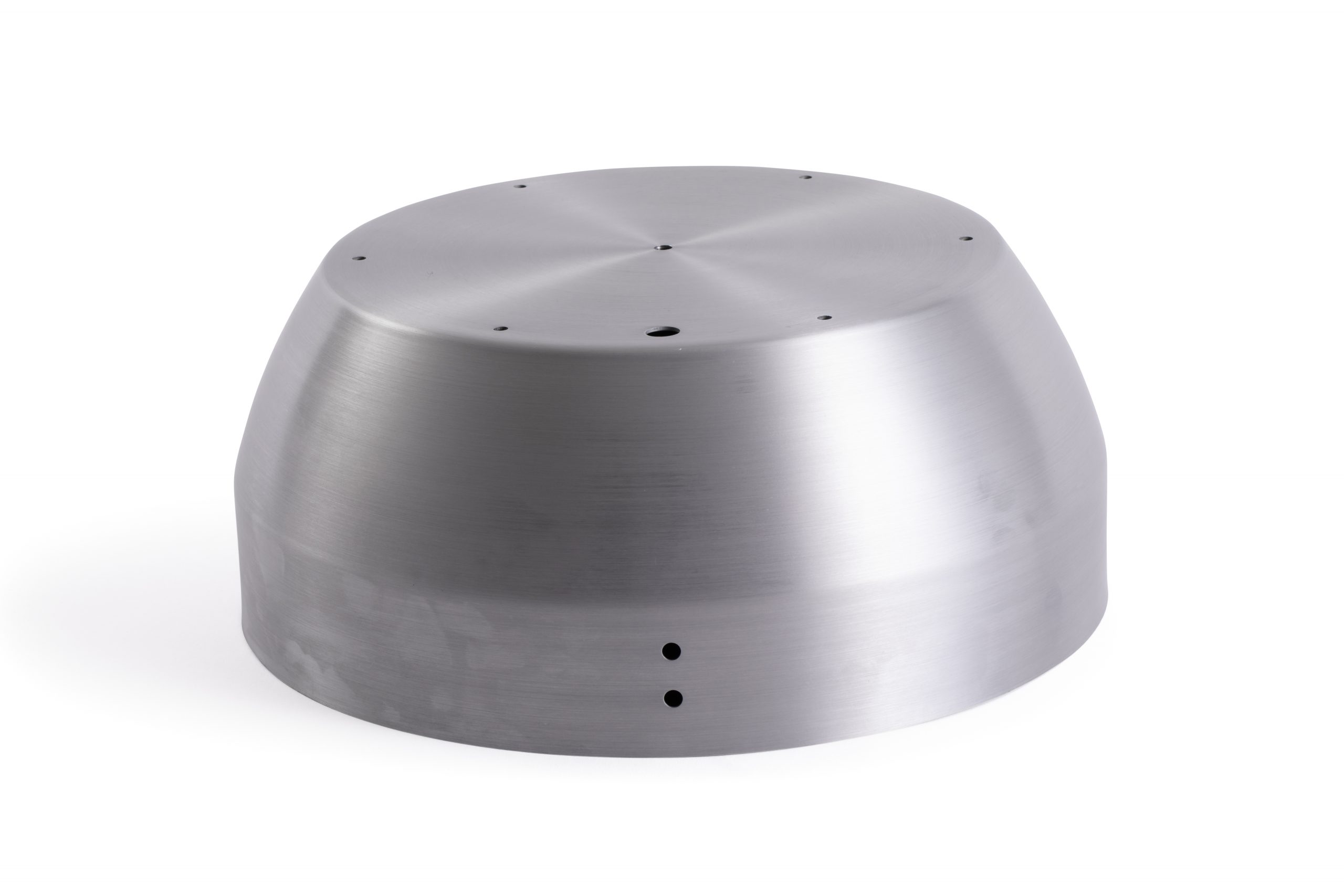
We polish from a dressed industrial finish up to a bright or mirror finish, on a metal polishing machine or by hand. Typical specs are a uniform brushed or satin line, a bright commercial polish, or a mirror on stainless steel, aluminium, brass and copper. The grade depends on the metal, the starting surface (as-spun, pressed or fabricated) and whether the part will be seen, hygienic, or only needs scale and tool marks removed. Our polishers will say if a coarser cut is enough and a full mirror is wasted cost.
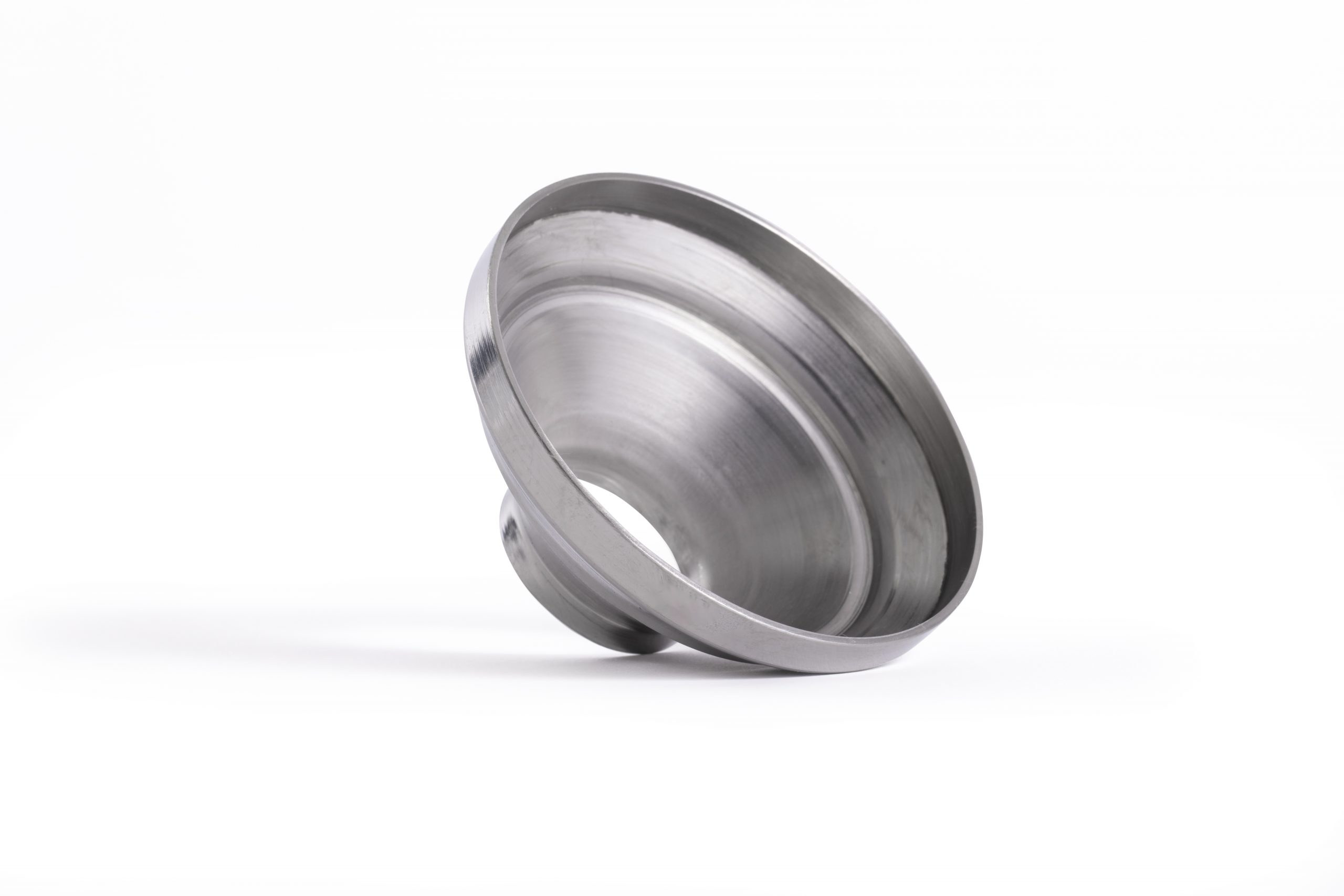
Yes. Most polishing work here is on parts that have already been spun or pressed — including stainless steel dished ends, tank heads, cones and covers. Internal and external surfaces can be polished where the geometry allows; deep, tight radii may stay a dressed finish rather than a full mirror. Polishing sits after spinning and machining, and before any specified coating. If the requirement is corrosion or hygiene rather than appearance, electropolishing or pickling and passivating may be the better finish than a mechanical polish.