
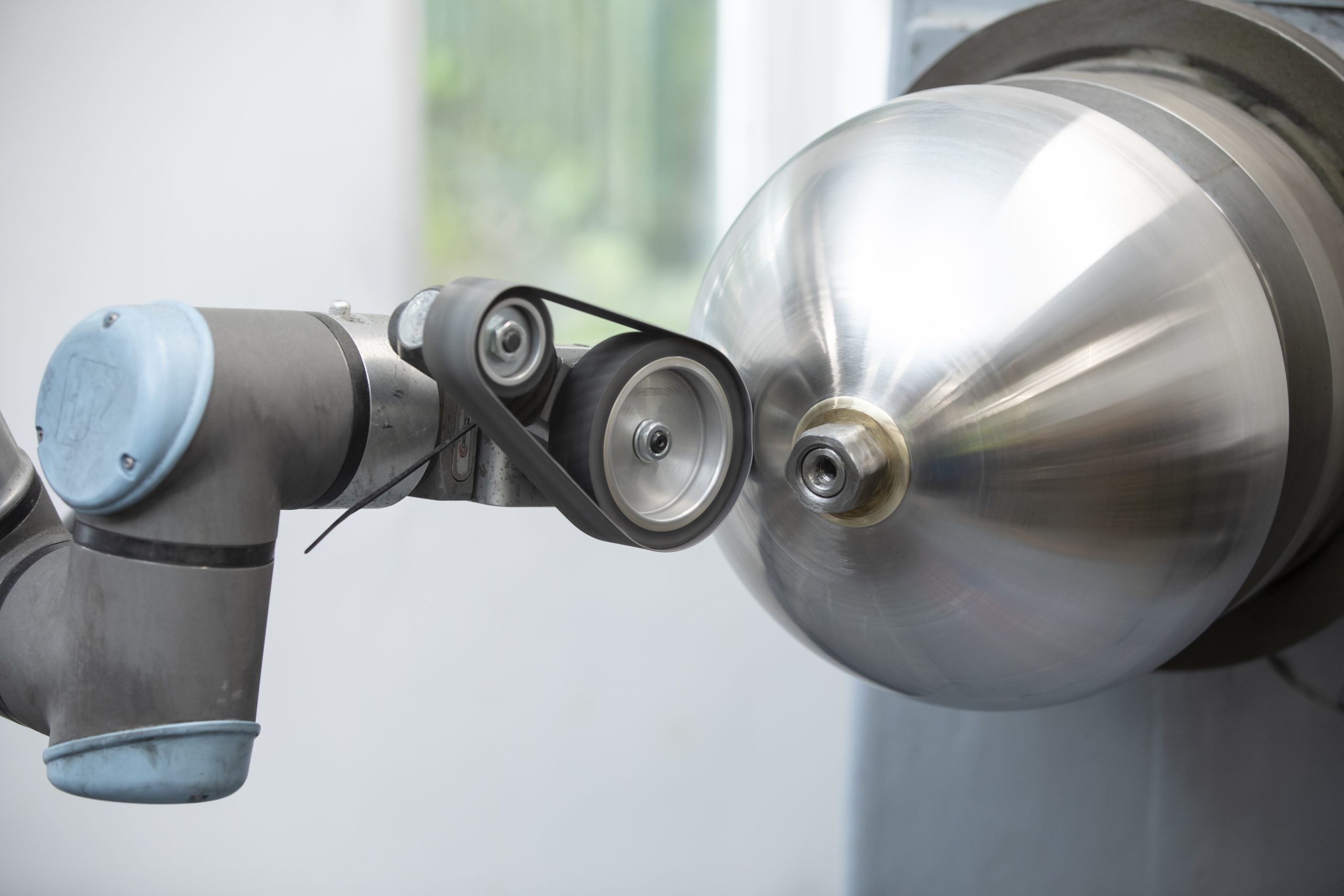
 Metal Spinning
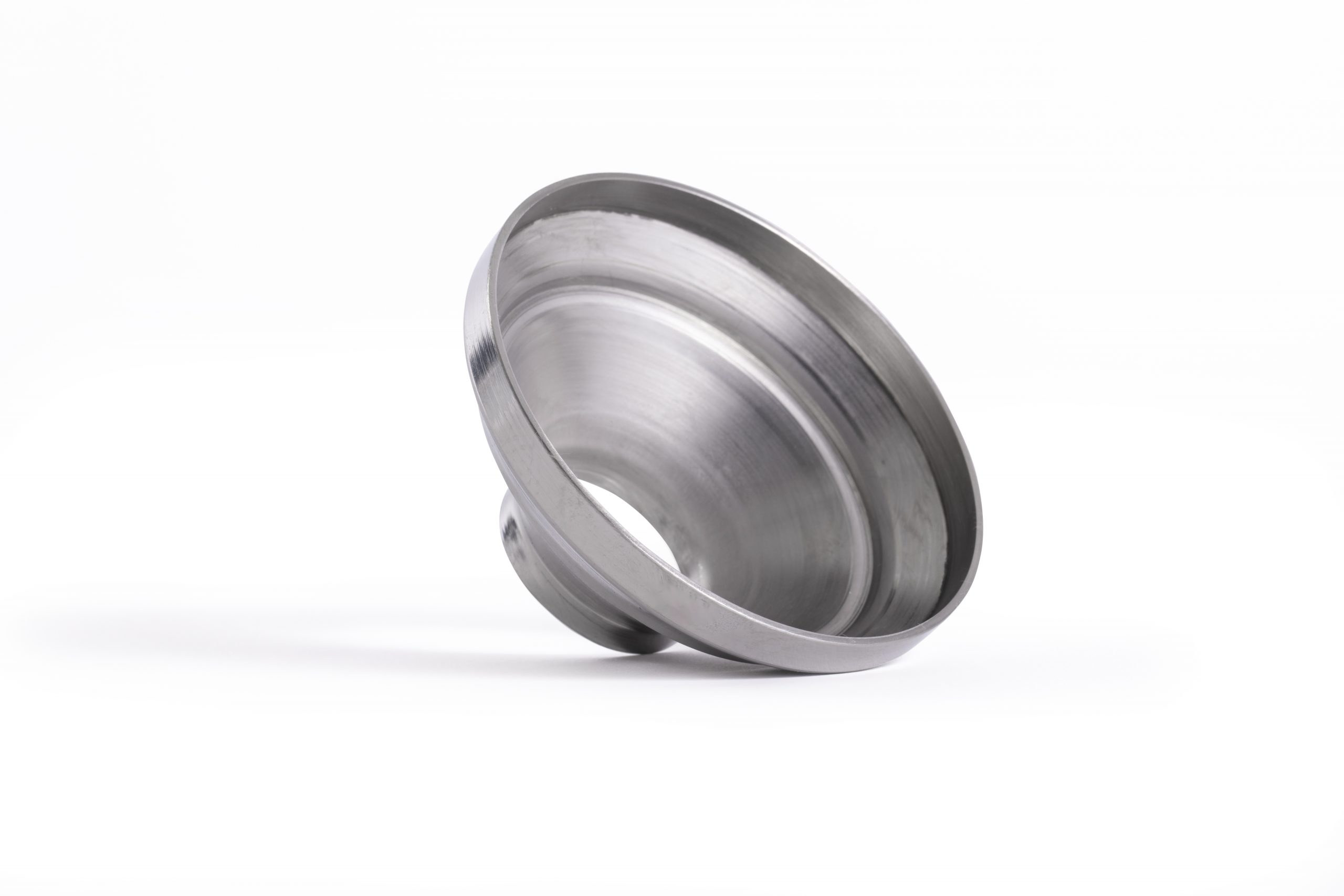 Bespoke Metal Spinning
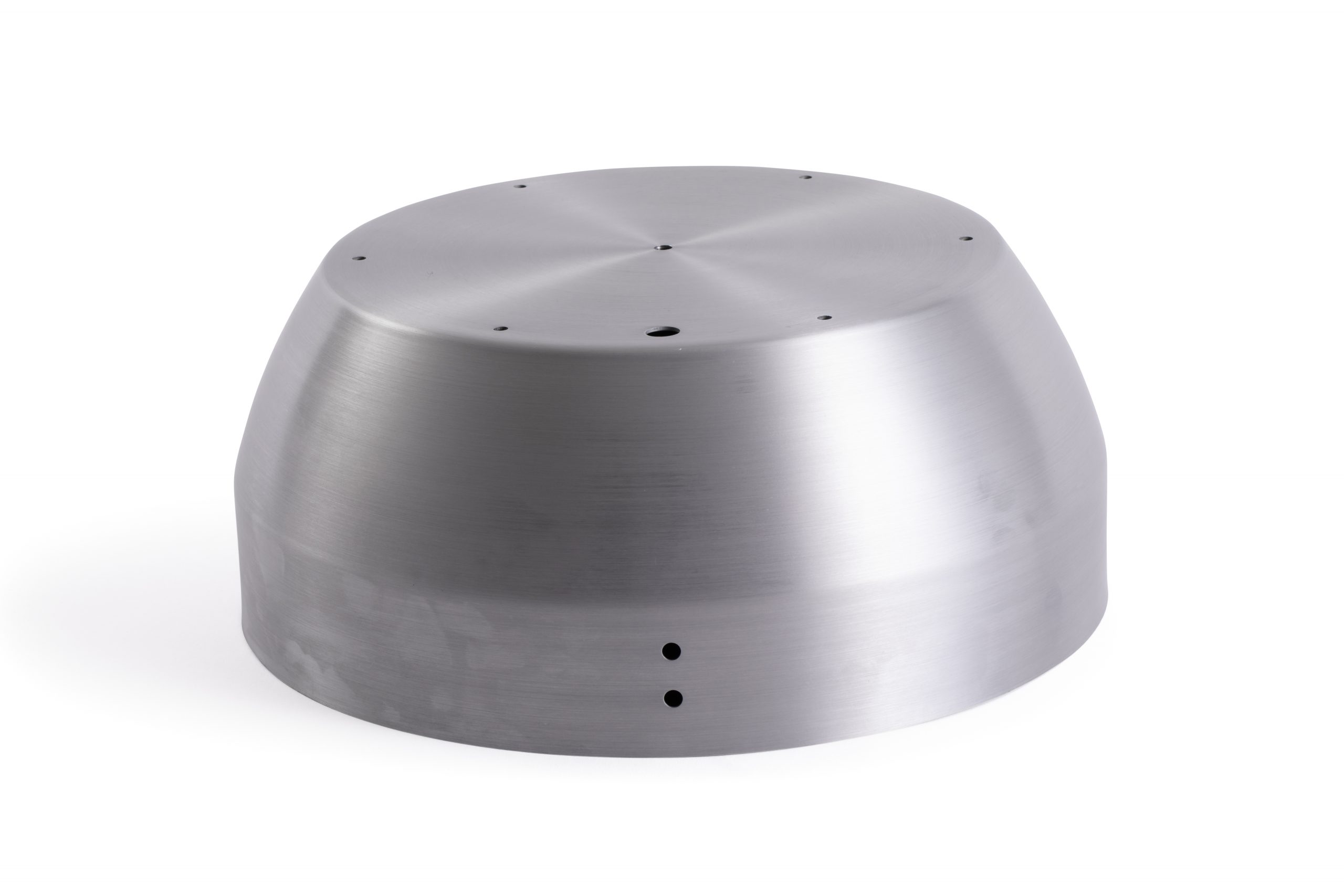 Metal Polishing
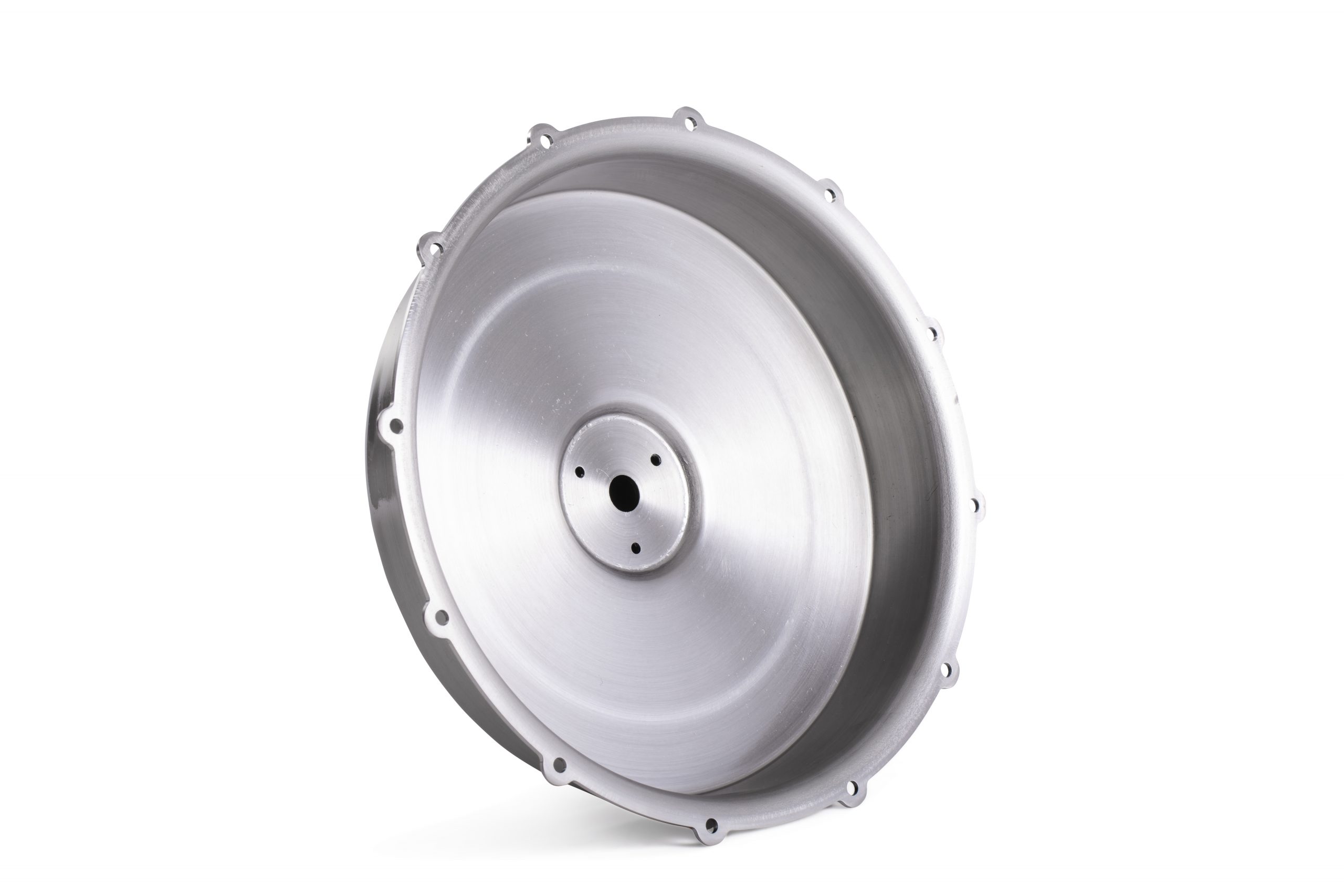 Machining
 Metal Pressing
 Metal Swaging
 Metal Fabrication & Welding
 Precision Engineering
 Laser Cutting
 Inspection and Quality
 Anodising, Electropolishing and Pickling & Passivating
 Agriculture
 Automotive
 Air Movement
 Food Industry
 Marine
 Medical and Cryogenic
 Playground
 Pressure Vessels
 Renewable Energy
 Safety
Metal Spinning for Food Industry
Industry Expertise
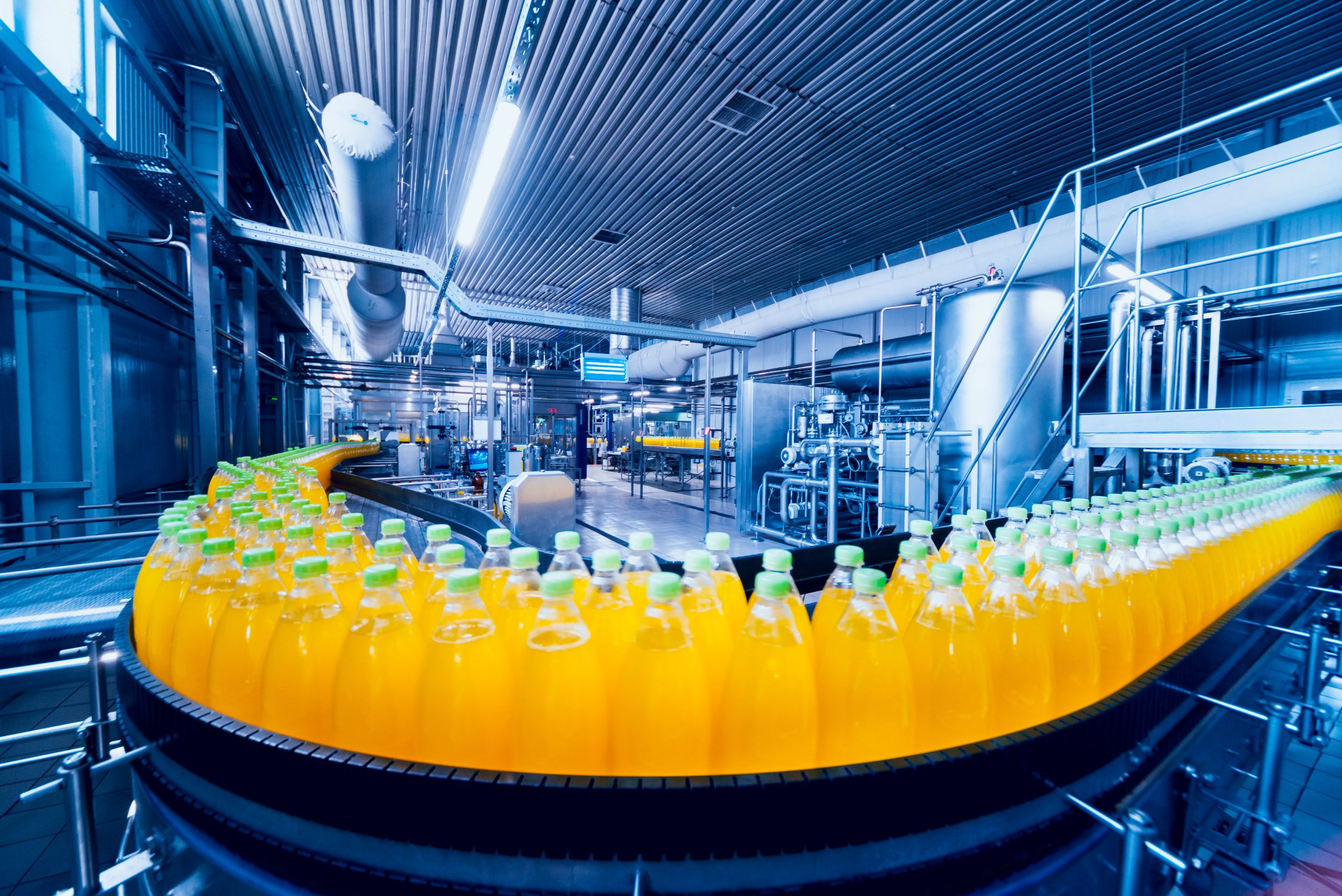
Food Industry Metal Products
Tanfield’s range of metal spinning services, which includes pressing, machining, fabricating & welding, polishing, and bespoke metal spinning, enable us to produce parts needed for many food industry processes. Metal spun parts for use in food production can vary drastically in size, which is why our capabilities make us ideal for doing metal spinning work in this industry.
Our experts can produce work up to a circumference of 2.4 meters and a thickness of 10mm. The result is Tanfield can produce the following metal food industry parts:
- Aluminium and stainless steel covers
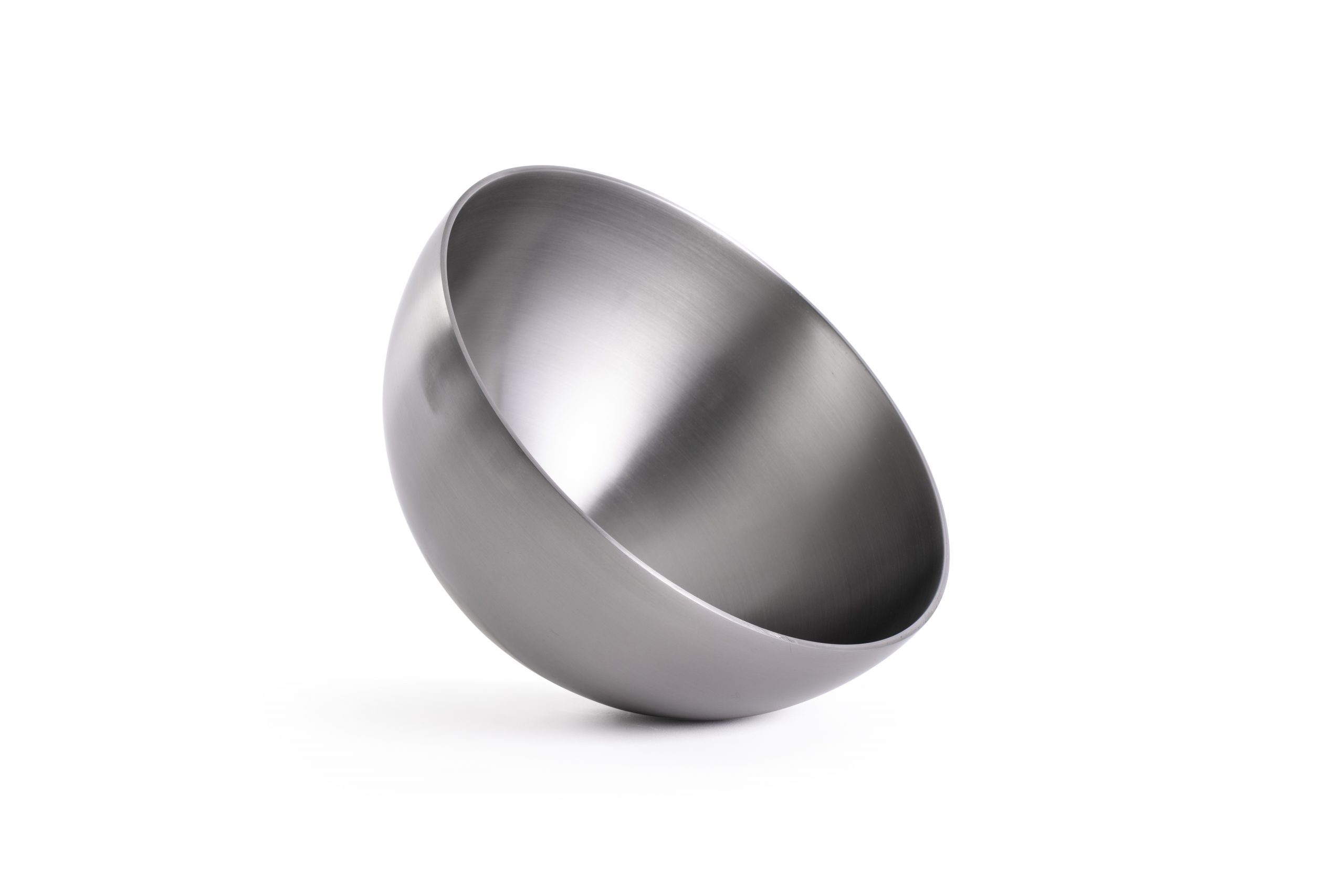
- Bowls of varying depth
- Deboning cones
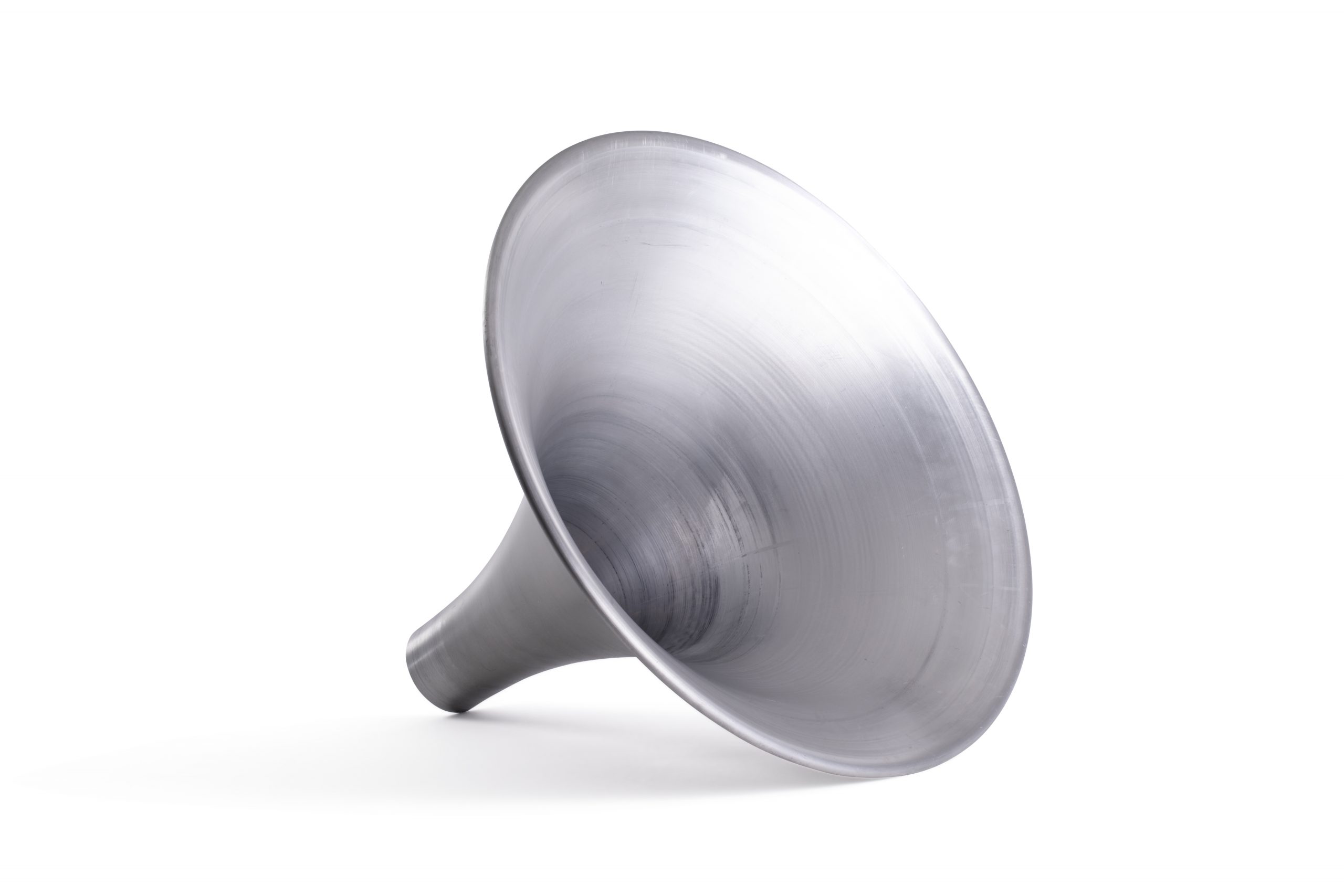
- Funnels
- Cups
- Certain kitchen tools
- Collecting vessels
- Storage tanks and tank heads
All our food industry products can perform their intended function over a long lifespan, without a loss in efficiency. Automation enables our metal working processes to be highly repeatable, meaning even large-scale food industry manufacturing can be completed to schedule.
Capabilities used to Deliver Metal Spun Food Industry Products
At Tanfield, we use industry knowledge to match metal spinning services to our customers’ specifications. For instance, members of our metal spinning team might advise metal swaging or metal pressing to get the best results for a certain project. This also means that if you require unique food industry products, we sit down to discuss what processes will get the best results.
Of course, the food industry sector also encompasses products used in everyday life. As much of our service processes are informed by the end application of the product, we adjust accordingly. For example, a Tanfield metal spun bowl for use in a factory would look different to one intended for use in a restaurant kitchen.
We understand that food industry products must be damage resistant, corrosion resistant, and able to withstand high temperatures. To this end, we typically use stainless steel and other variations of the metal. However, specialist materials can be annealed for use when necessary.
Tanfield has the capabilities necessary to perform and make adjustments in our metal spinning process to accommodate a wide range of materials including:
Top things we get asked
We produce aluminium and stainless steel covers, bowls, deboning cones, funnels, cups, collecting vessels, storage tanks, and tank heads tailored for food production processes.
We primarily use stainless steel and aluminium for their corrosion resistance, durability, and suitability for food-safe applications, though other metals can be used when necessary.
Yes. We can manufacture fully custom parts to your specifications, whether for large-scale food processing or smaller restaurant applications.
All products are manufactured in compliance with ISO9001 standards, and our team follows additional health and safety checks relevant to the food industry.
Absolutely. Our processes can produce components up to 2.4 meters in circumference and 10mm thick, with high repeatability for large production runs.
Yes. Using stainless steel and specialist metals, our components are designed to withstand high temperatures, corrosion, and heavy use without losing efficiency.
Yes. We offer metal polishing, anodising, and other finishing treatments to improve hygiene, durability, and corrosion resistance for food-safe applications.
Yes. Our experts can recommend processes like metal swaging, pressing, or bespoke spinning depending on the project requirements to ensure optimal performance.
Yes. We design components to meet the functional demands of factories, processing plants, and restaurant environments, with materials and finishes appropriate for each.
Our high-quality metal spinning processes and corrosion-resistant materials ensure a long lifespan, even under the rigorous demands of continuous food production.