 Metal Spinning
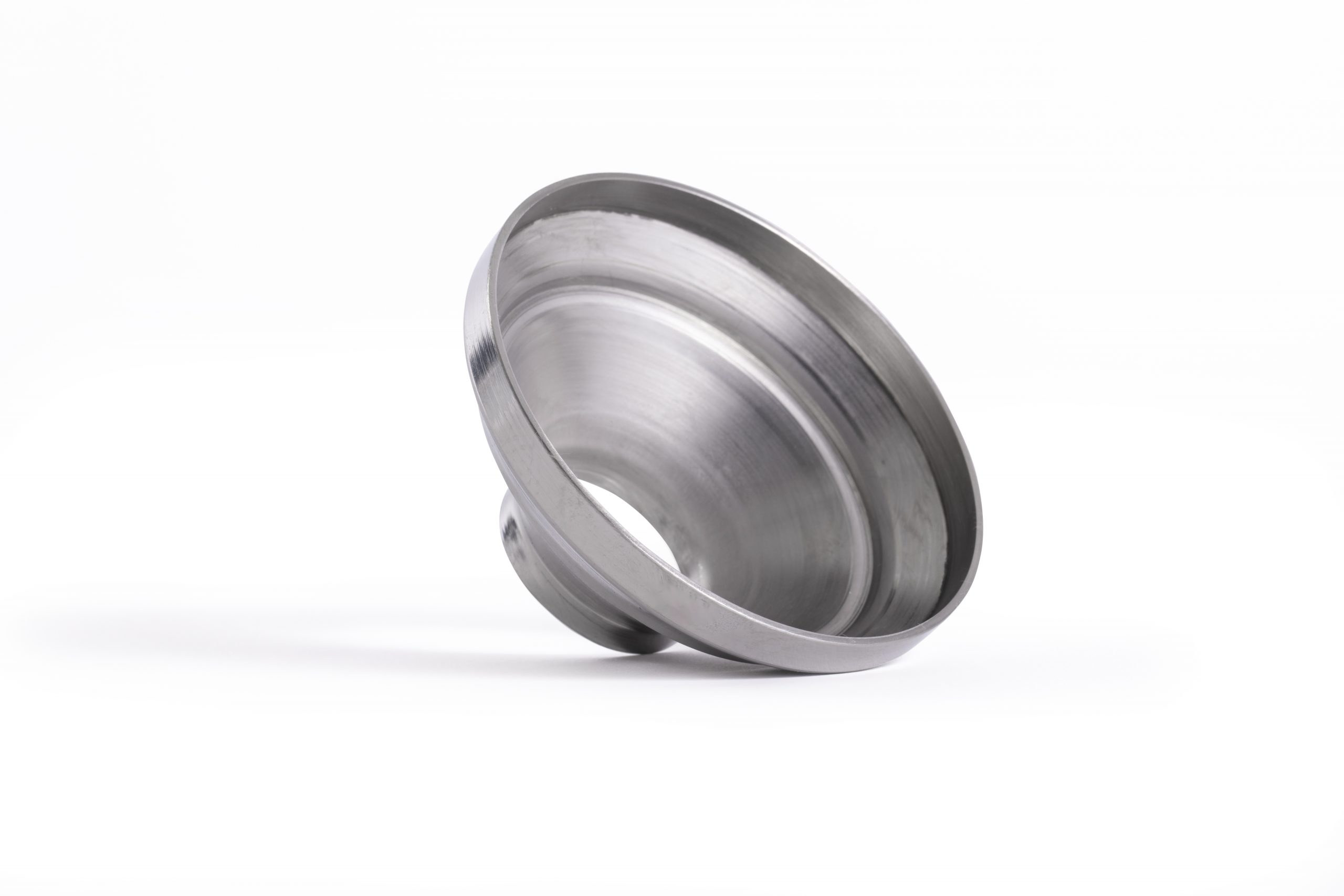 Bespoke Metal Spinning
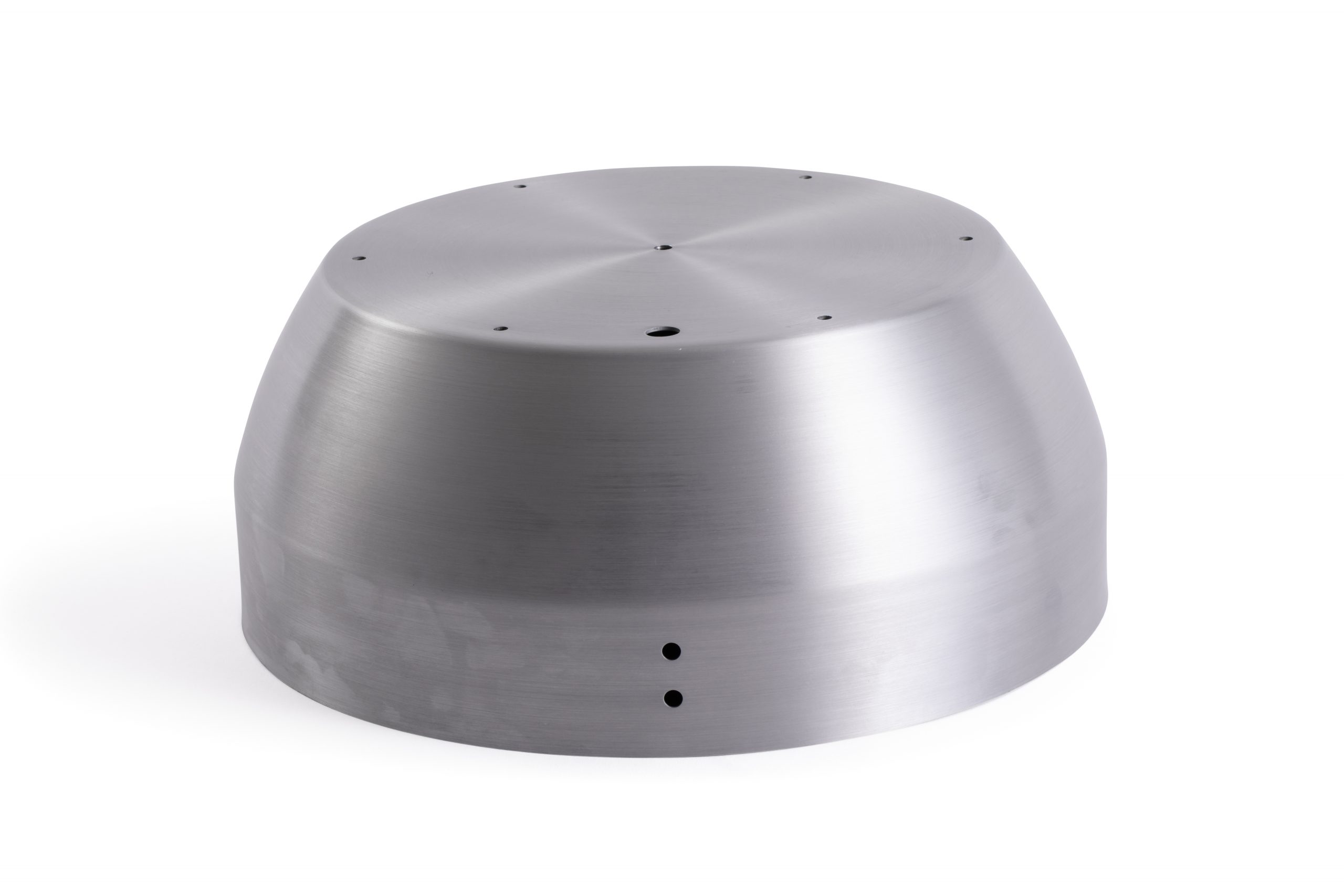 Metal Polishing
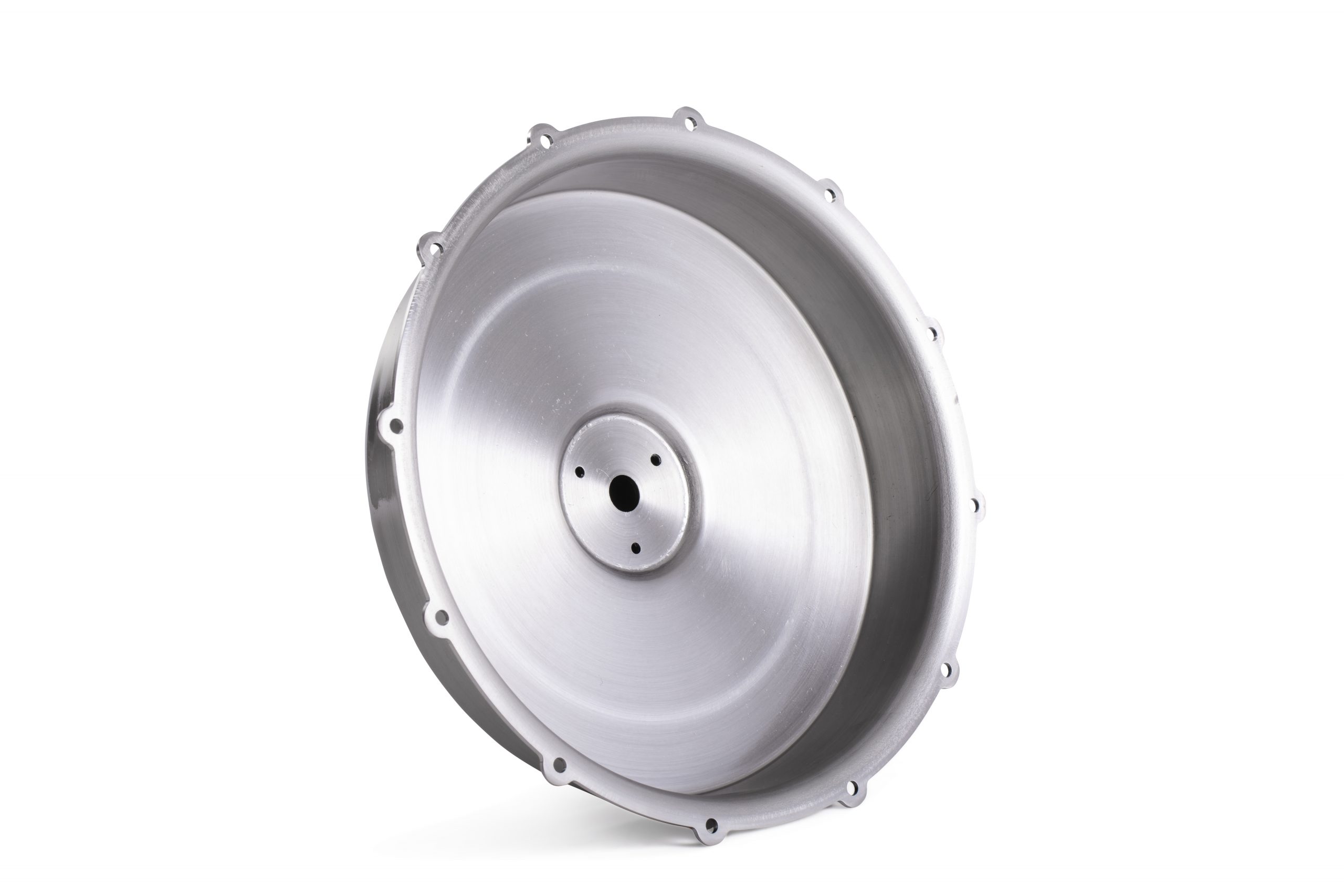 Machining
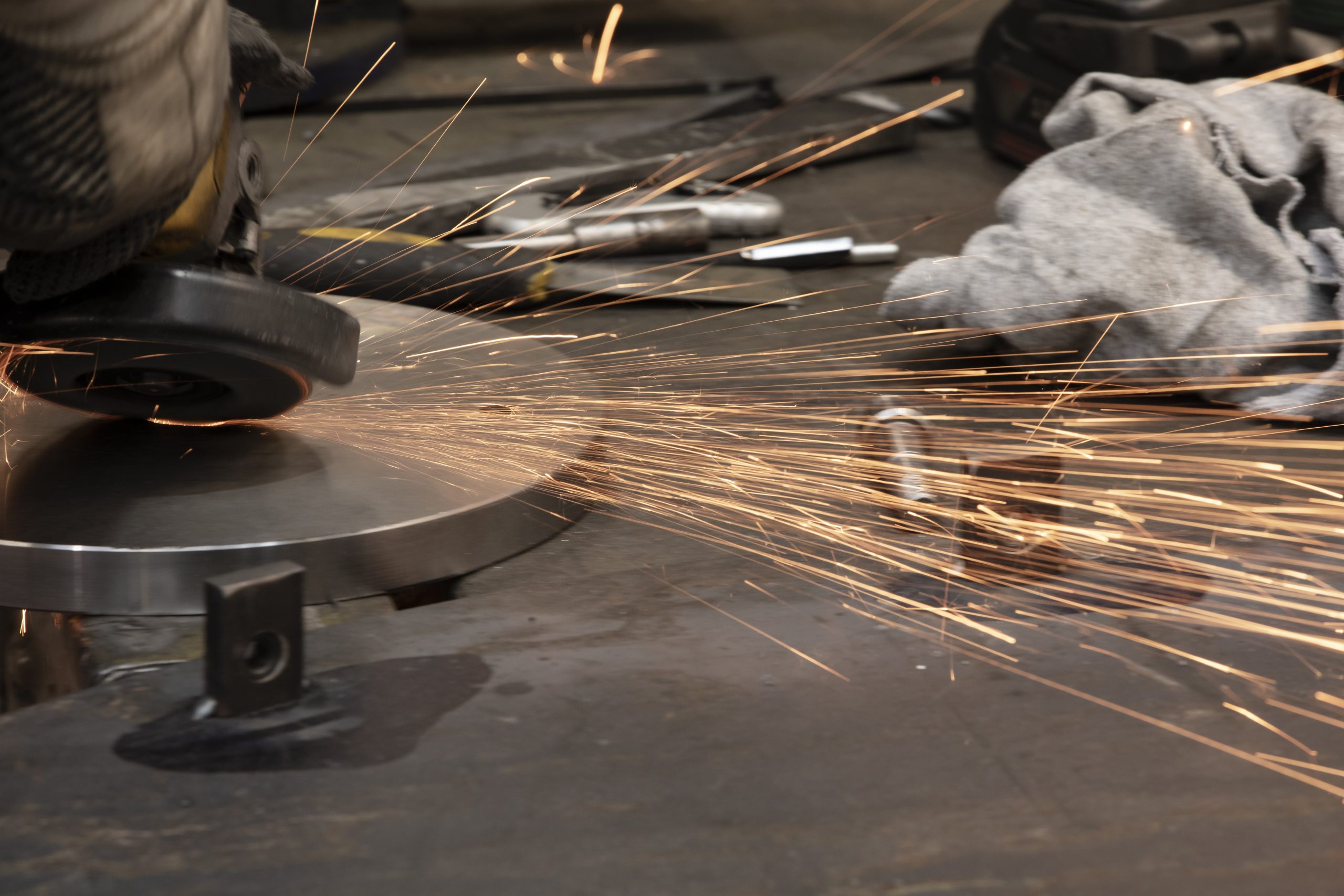 Metal Pressing
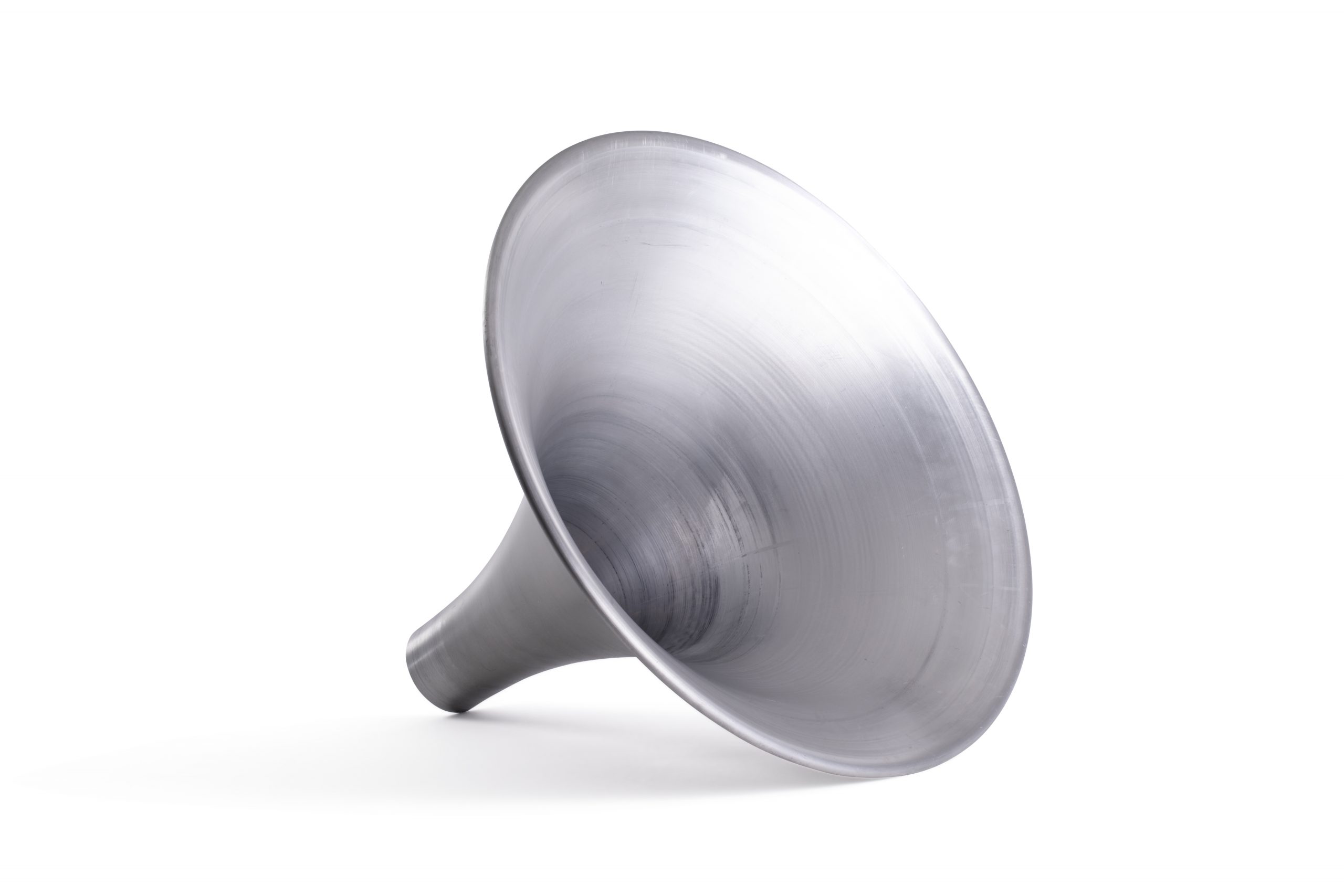 Metal Swaging
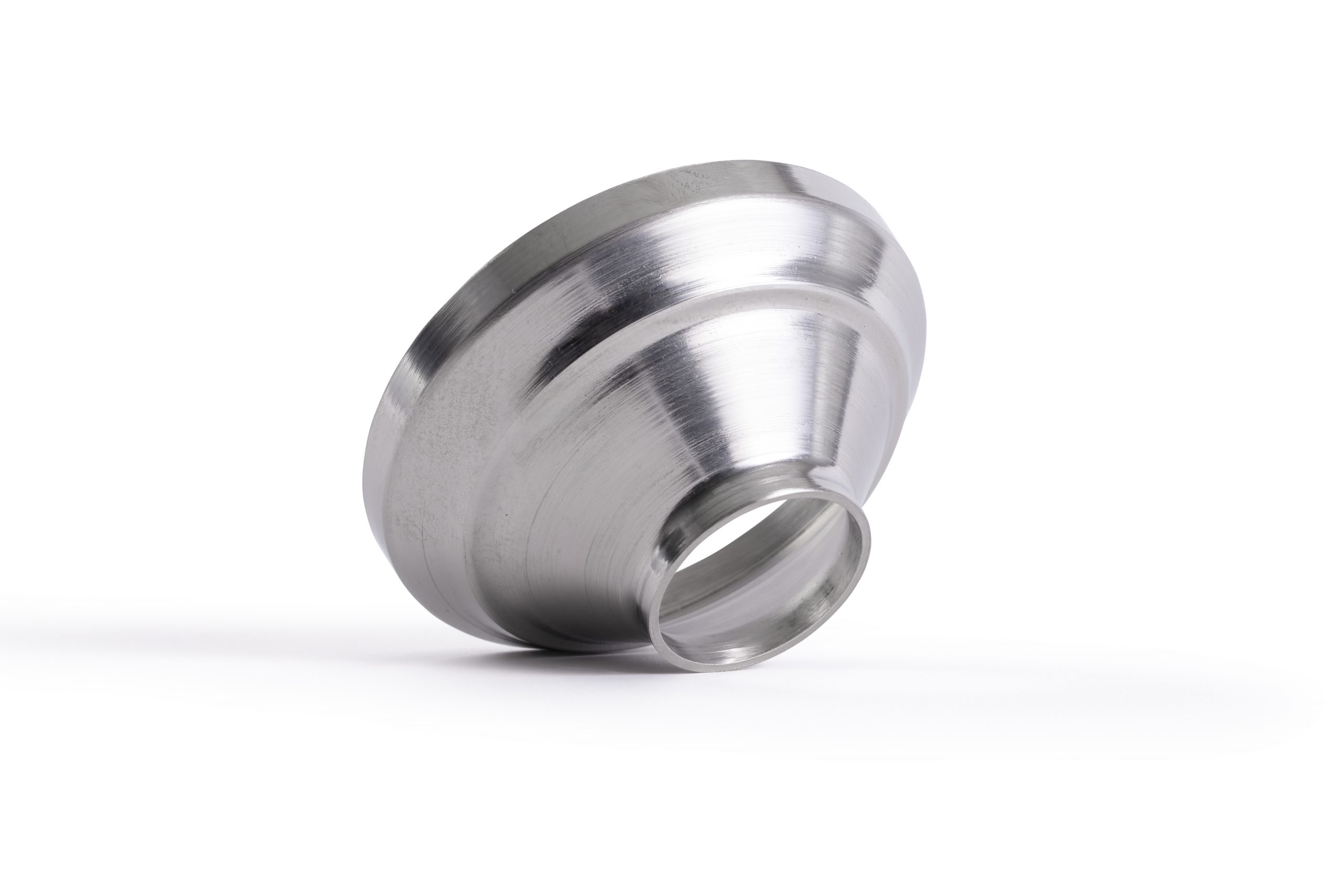 Metal Fabrication & Welding
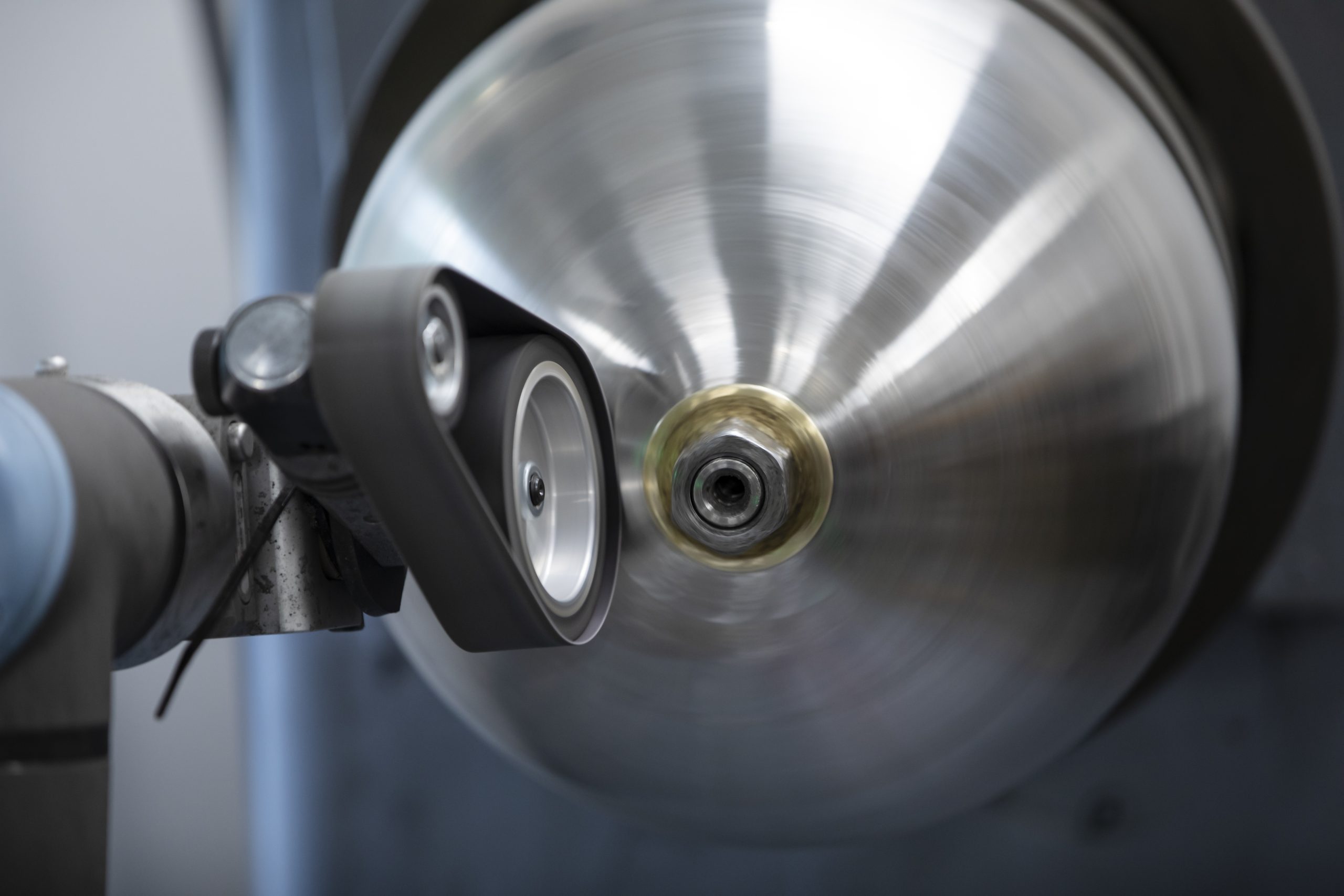 Precision Engineering
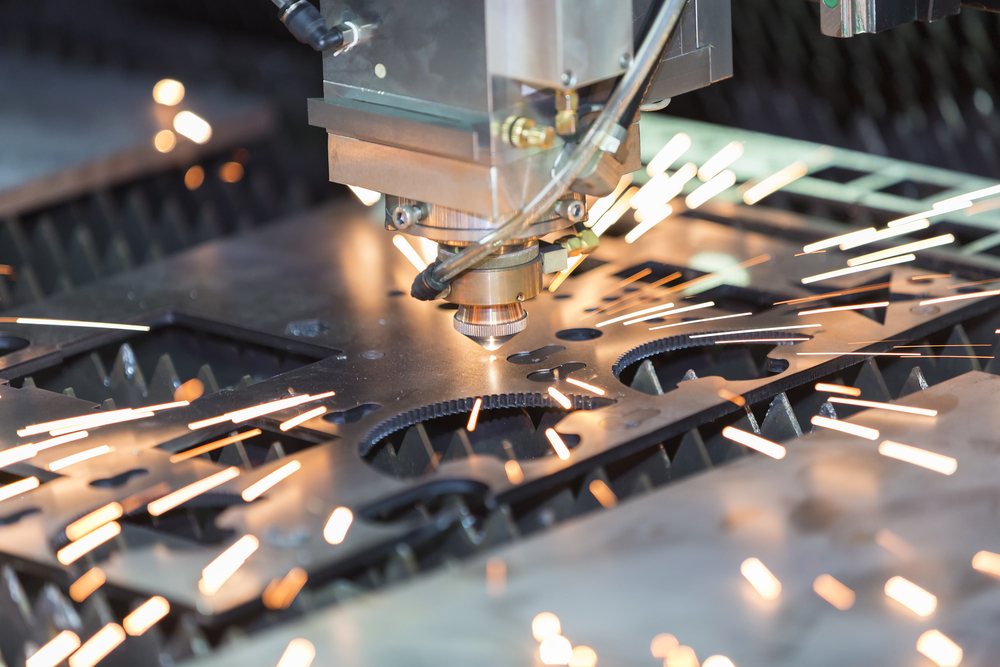 Laser Cutting
 Inspection and Quality
 Anodising, Electropolishing and Pickling & Passivating
 Agriculture
 Automotive
 Air Movement
 Food Industry
 Marine
 Medical and Cryogenic
 Playground
 Pressure Vessels
 Renewable Energy
 Safety
The Future of Metal Spinning: Automation, Robotics, and ‘Lights-Out’ Production in the UK
< Blogs < The Future of Metal Spinning: Automation, Robotics, and ‘Lights-Out’ Production in the UK
The UK manufacturing sector faces rising labour costs, skills shortages, and relentless pressure for faster delivery with uncompromising quality. In response, metal spinning, a process long valued for its versatility and efficiency, is undergoing a profound transformation. Automation, robotics, and lights-out production are propelling the industry into a new era of productivity, precision, and competitiveness.
At Tanfield Metal Spinners (metal-spinners.com), specialists in metal spinning since 1984, we have embraced these technologies. With fully automated CNC spinning cells and one of the largest tooling inventories in the UK, we help manufacturers across aerospace, automotive, medical, renewable energy, and defence achieve scalable, cost-effective production while maintaining British manufacturing excellence.
This article explores how automation and robotics are reshaping metal spinning and why lights-out manufacturing represents the future for UK metal formers.
The Evolution of Metal Spinning in the UK
Metal spinning has traditionally relied on skilled operators manually forming flat metal blanks over rotating mandrels. While this craft remains valuable for prototypes and low-volume work, it struggles to meet today’s demands for high-volume consistency, tight tolerances, and rapid turnaround.
Modern metal spinning now integrates CNC technology, robotics, and intelligent systems. These advancements allow UK manufacturers to compete globally by reducing costs, minimising waste, and delivering repeatable precision at scale. Tanfield Metal Spinners operates from a 35,000 sq ft facility equipped with fully automated spinning lathes, positioning us at the forefront of this evolution.
CNC Automation: The Foundation of Modern Metal Spinning
CNC metal spinning forms the backbone of precision manufacturing today. Computer-controlled lathes follow programmed tool paths with micron-level accuracy, eliminating human variability.
Key advantages include:
- Repeatable multi-pass forming strategies that control wall thickness and springback
- Optimised spindle speeds and feed rates tailored to each material and geometry
- Seamless integration with CAD/CAM software for virtual simulation before production
At Tanfield, our automated CNC lathes handle diameters up to 2.4 metres and thicknesses up to 10 mm, supporting everything from simple cylinders to complex multi-contour components.
Robotics: Enhancing Safety, Speed, and Consistency
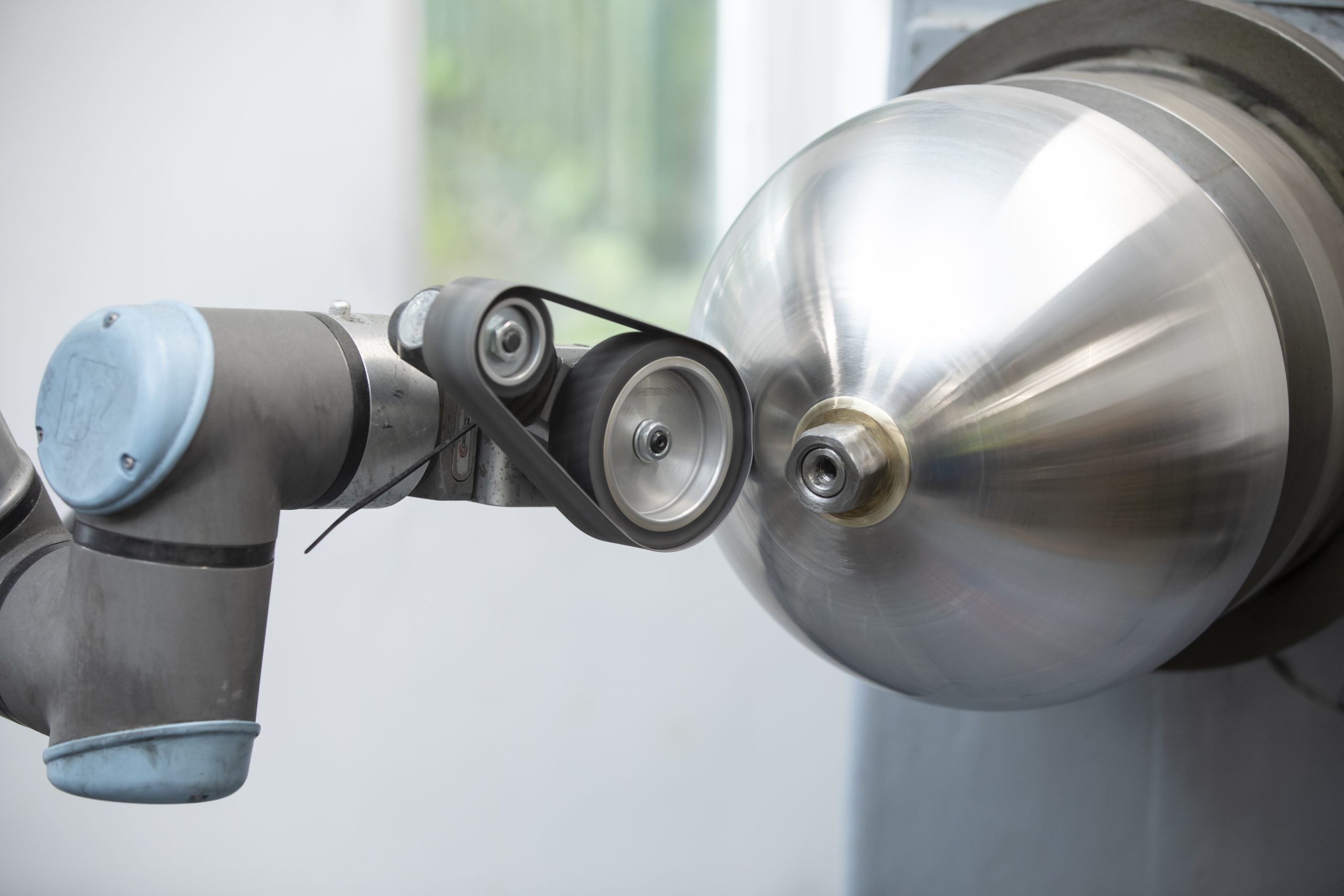
Robotics takes automation further by handling repetitive, physically demanding, or hazardous tasks.
In a modern robotic spinning cell:
- Robotic arms load pre-cut blanks onto the mandrel with perfect alignment
- Automated tool changers swap rollers and trimming tools without stopping production
- Vision systems and sensors perform in-process quality checks
- Robots unload finished parts and place them onto conveyors or pallets
This integration improves workplace safety by removing operators from high-force forming zones. It also enables true 24/7 operation. Robotic systems at Tanfield reduce cycle times, cut scrap rates, and free skilled staff for higher-value tasks such as programming, quality assurance, and process optimisation.
Lights-Out Production: Running Without Human Intervention
Lights-out manufacturing, also known as dark factory production, represents the pinnacle of automation. Machines run unattended overnight, during weekends, or even for extended periods with minimal supervision.
In metal spinning, lights-out capability means:
- Fully programmed CNC sequences with automatic error detection and recovery
- Robotic material handling and tool management
- Real-time monitoring via IoT sensors that alert remote operators only when intervention is needed
- Predictive maintenance algorithms that flag issues before they cause downtime
The benefits are transformative:
- Dramatically higher output and lower cost per part
- Consistent quality regardless of shift or operator availability
- Reduced energy and facility overheads (no need for full lighting, heating, or staffing at night)
- Greater resilience against labour shortages
Tanfield Metal Spinners’ fully automated cells are designed for lights-out operation, allowing us to scale production efficiently while meeting tight deadlines for UK and international clients.
How Automation, Robotics, and Lights-Out Work Together
The real power emerges when these technologies form an integrated ecosystem:
- Tooling Preparation: Our extensive in-house tooling library and machining capabilities enable rapid setup of custom mandrels and rollers.
- Automated Execution: CNC programmes run with robotic support, continuous monitoring, and automatic adjustments.
- Quality & Traceability: In-process metrology and post-production inspection (including CMM) ensure every batch meets specifications, with full digital records.
- Continuous Improvement: Data from lights-out runs feeds back into simulation models for ongoing optimisation.
This closed-loop system minimises waste, maximises uptime, and delivers the repeatability that modern OEMs demand.
UK Industries Driving Demand for Automated Metal Spinning
Several sectors are accelerating adoption:
- Aerospace & Defence: Lightweight, high-strength components
- Automotive & EV: Battery enclosures, exhaust parts, and structural components
- Renewable Energy: Wind turbine parts, solar concentrators, and pressure vessels
- Medical: Sterile housings and precision equipment
- Industrial: Custom enclosures, dished ends, and architectural features
UK manufacturers choosing automated partners like Tanfield gain faster lead times, lower costs, and a more sustainable process with reduced material waste and energy consumption.
Challenges and the Path Forward
Implementing advanced automation requires investment in equipment, software, and workforce upskilling. Initial costs can be significant, but the return on investment through higher productivity, lower labour dependency, and improved quality typically materialises quickly.
At Tanfield Metal Spinners, we support customers through this transition with design-for-manufacture advice, prototyping, and scalable production strategies. Our blend of deep spinning expertise and cutting-edge automation helps UK businesses future-proof their supply chains.
The Future Is Bright for UK Metal Spinning
The combination of automation, robotics, and lights-out production is redefining what’s possible in metal spinning. UK companies that embrace these technologies will enjoy greater efficiency, superior quality, and stronger global competitiveness.
As Industry 4.0 advances, we expect further integration of AI for predictive process control, additive manufacturing for hybrid tooling, and even greater connectivity across the digital thread.
Tanfield Metal Spinners is committed to leading this transformation. With over 40 years of experience, extensive automation capabilities, and a passion for innovation, we help manufacturers turn ambitious designs into high-quality, cost-effective reality.
Ready to Embrace the Future of Metal Spinning?
Whether you need prototypes, medium volume runs, or high-volume lights-out production, Tanfield Metal Spinners delivers the precision and scalability your project demands.
Contact us today to discuss how automated metal spinning can benefit your business.
< Blogs < The Future of Metal Spinning: Automation, Robotics, and ‘Lights-Out’ Production in the UK
More Blogs