 Metal Spinning
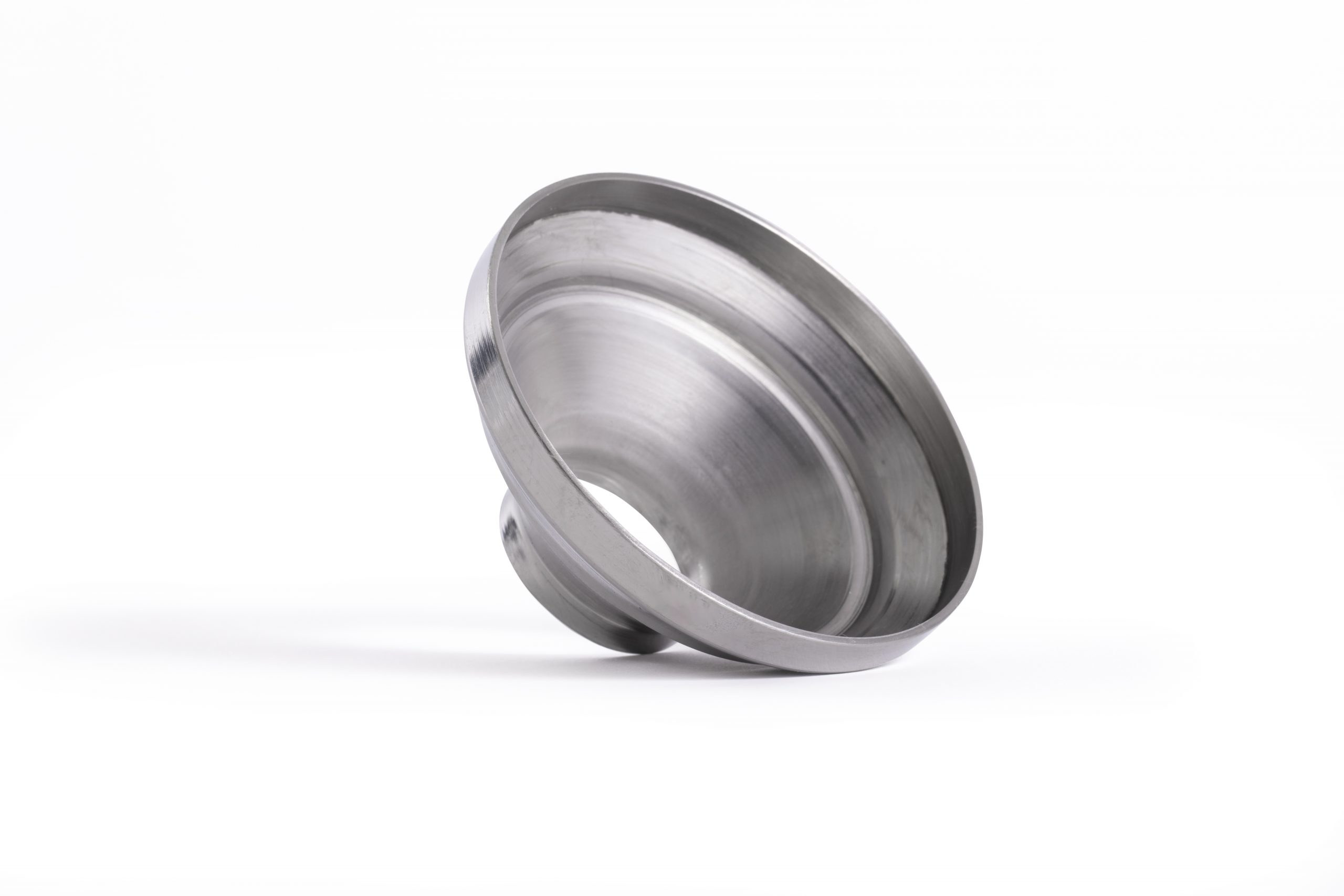 Bespoke Metal Spinning
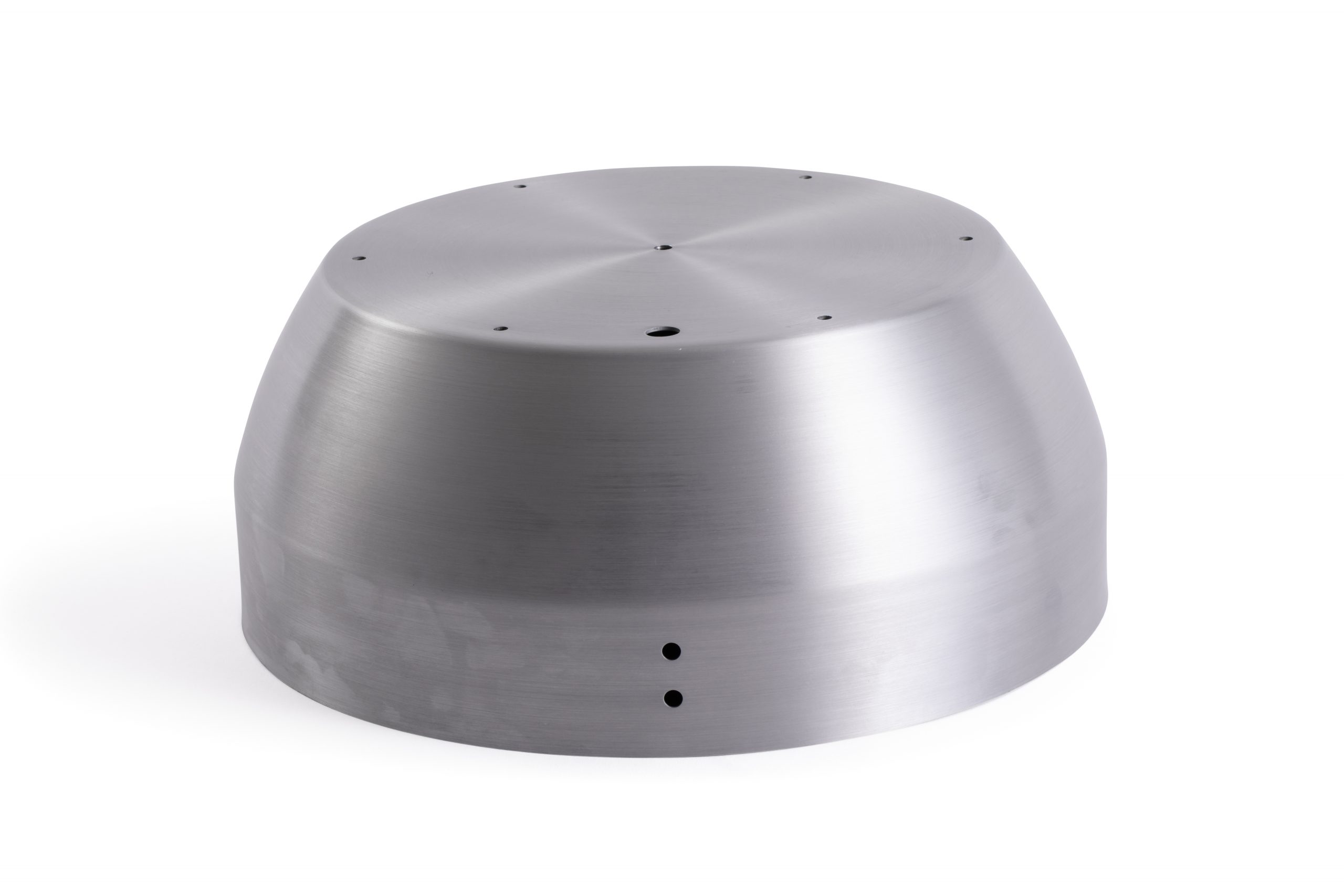 Metal Polishing
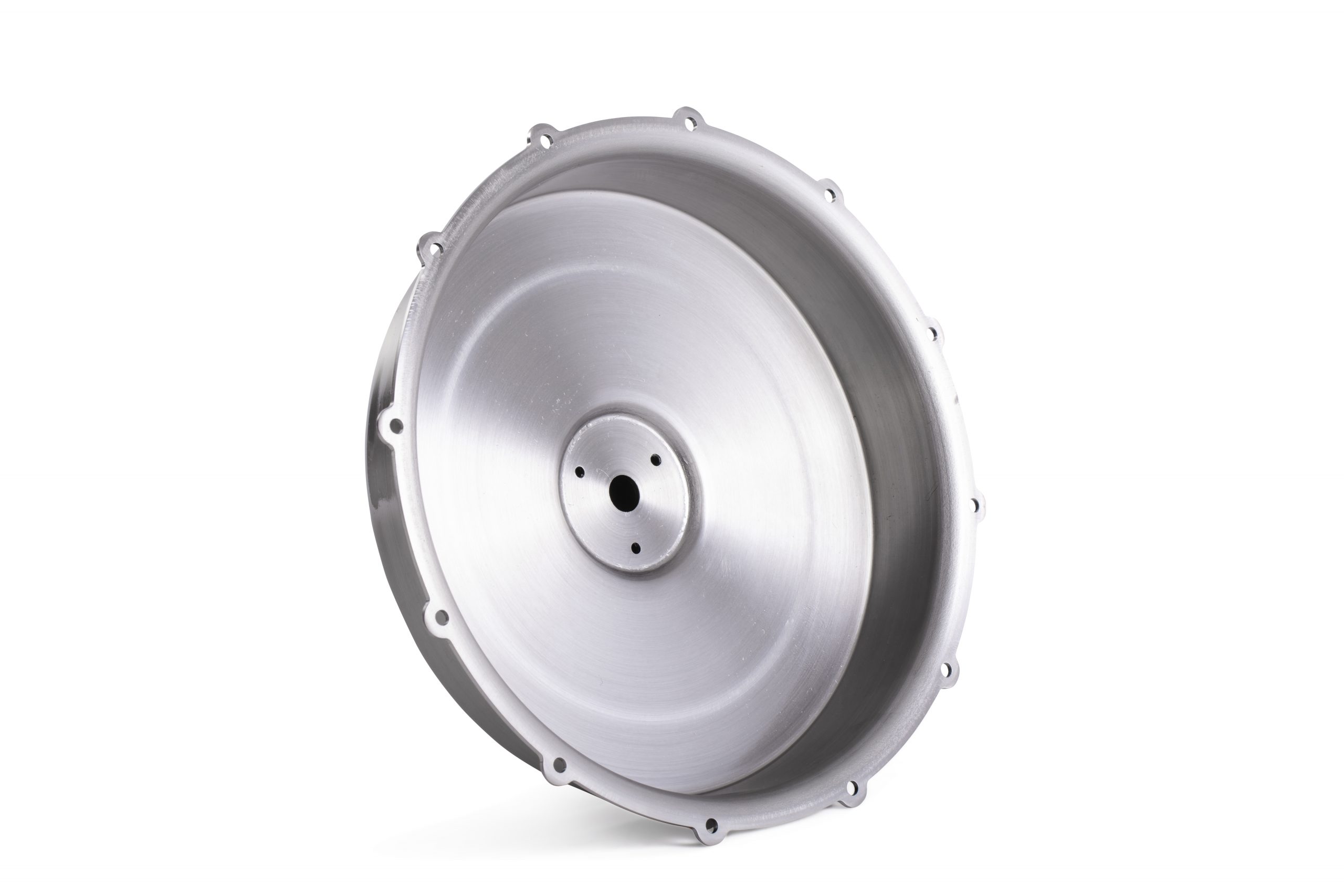 Machining
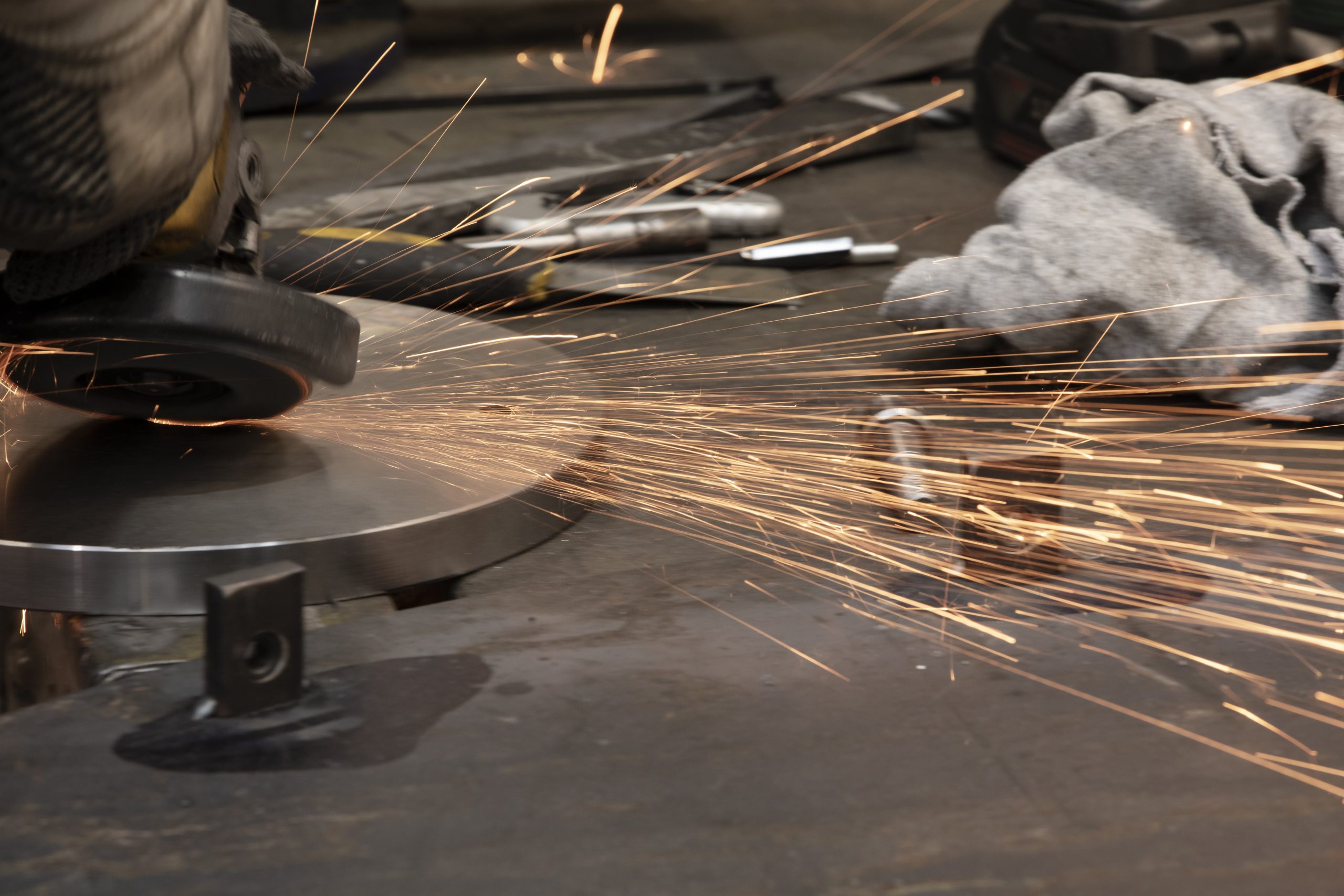 Metal Pressing
 Metal Swaging
 Metal Fabrication & Welding
 Precision Engineering
 Laser Cutting
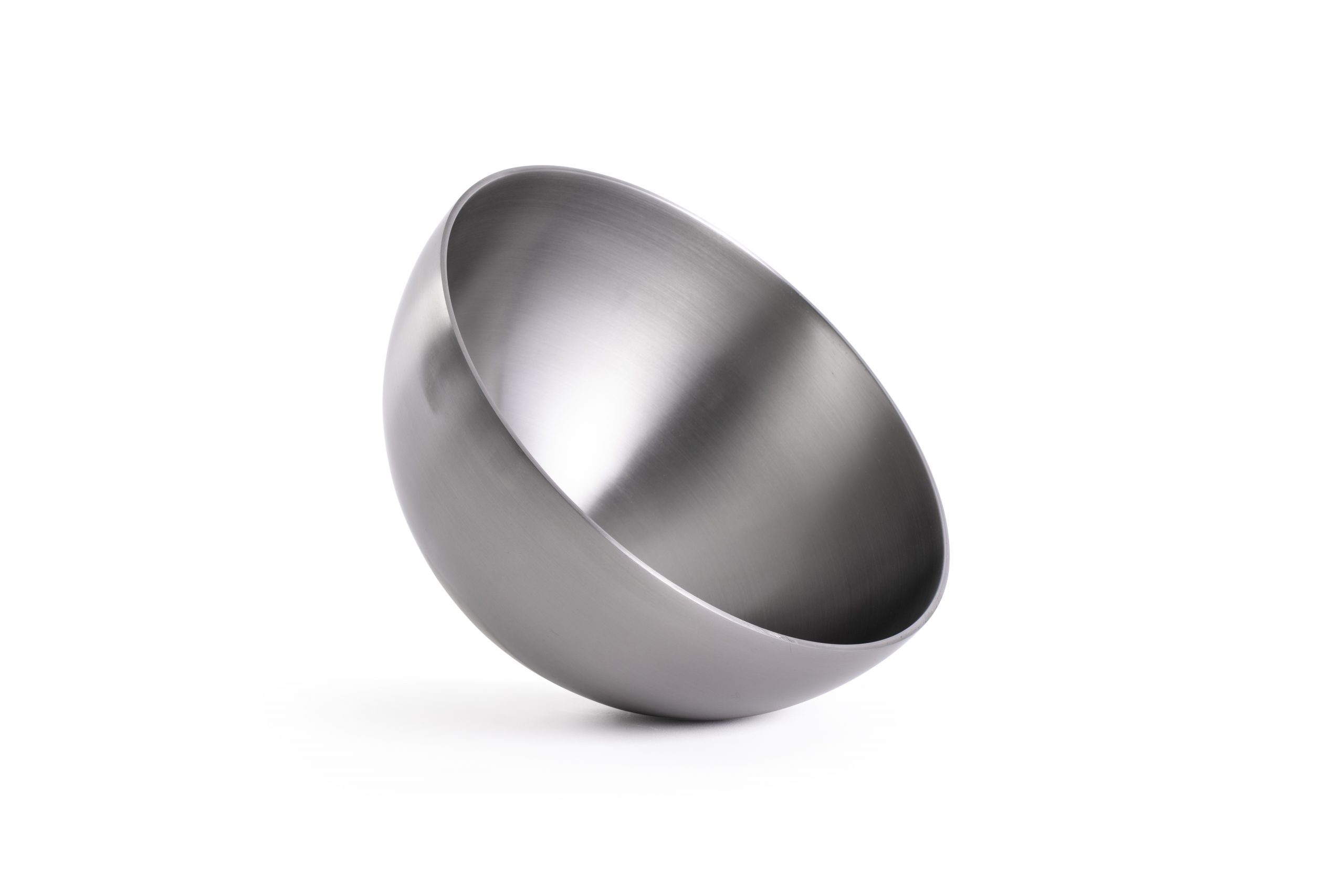 Inspection and Quality
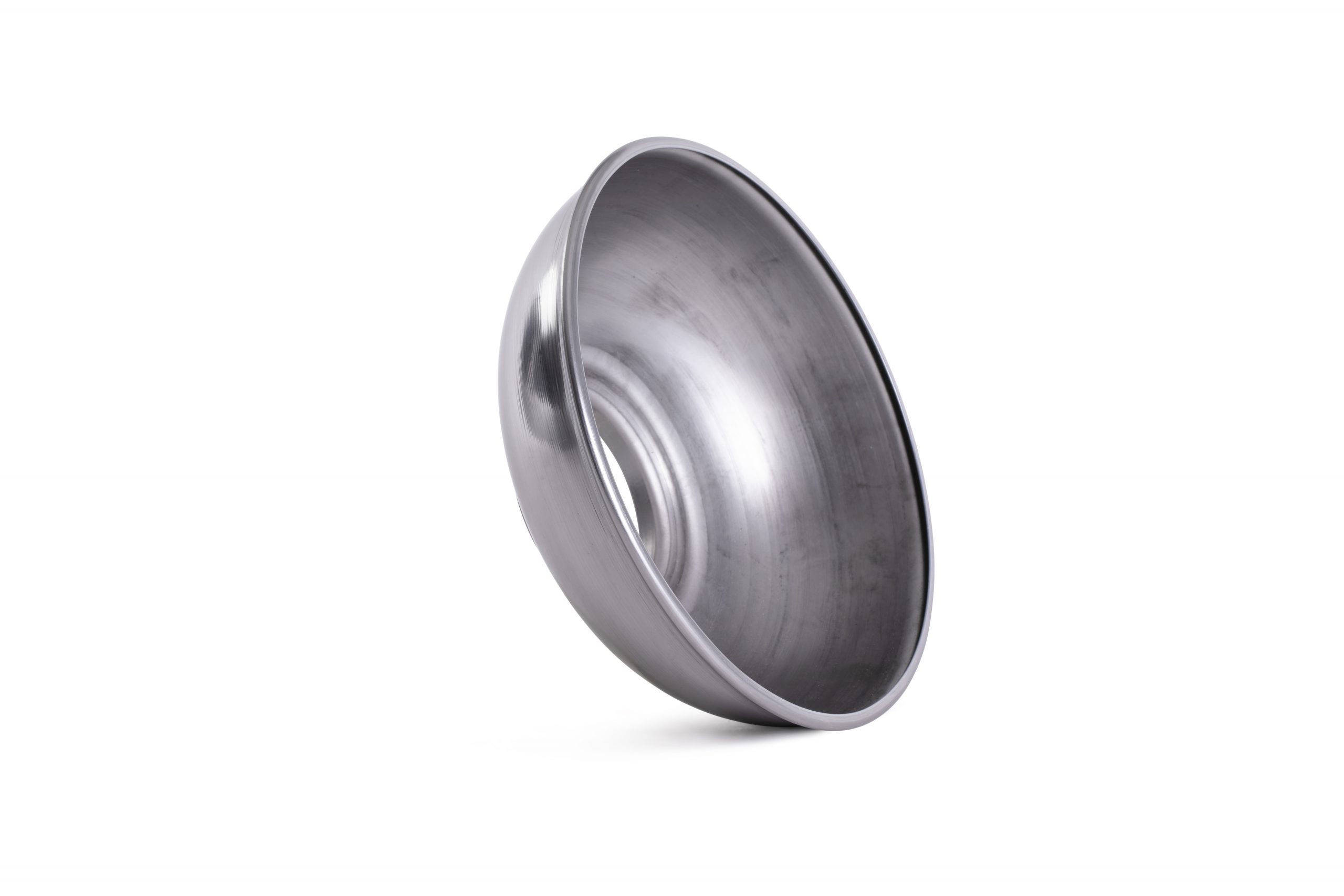 Anodising, Electropolishing and Pickling & Passivating
 Agriculture
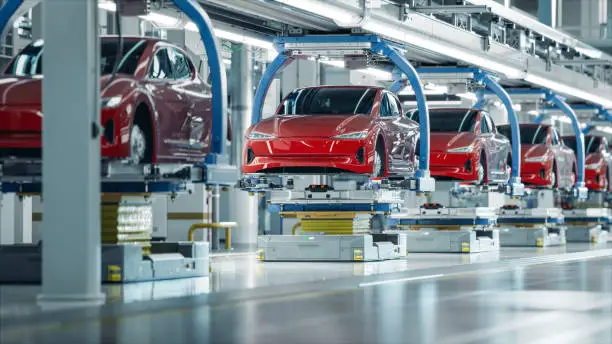 Automotive
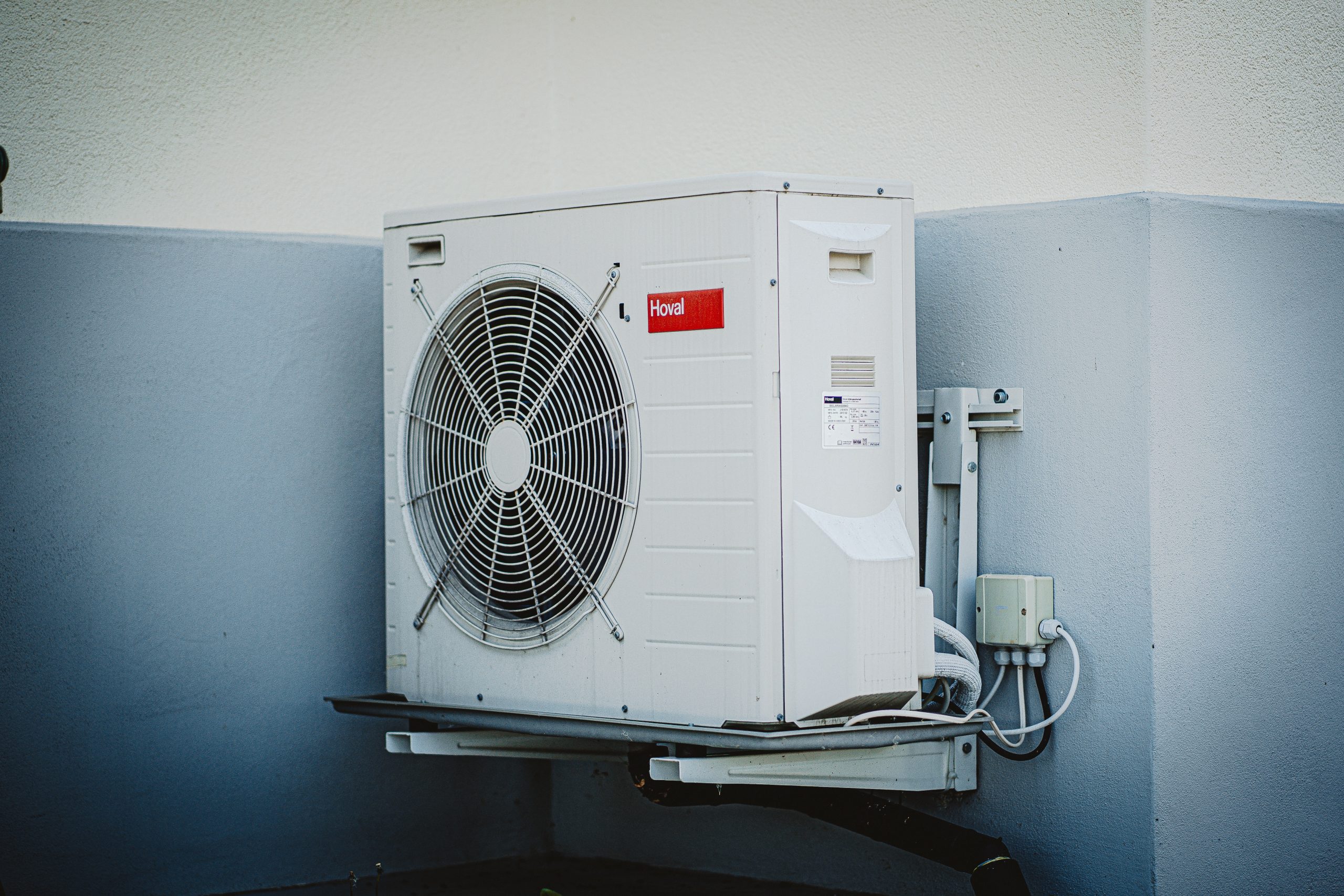 Air Movement
 Food Industry
 Marine
 Medical and Cryogenic
 Playground
 Pressure Vessels
 Renewable Energy
 Safety
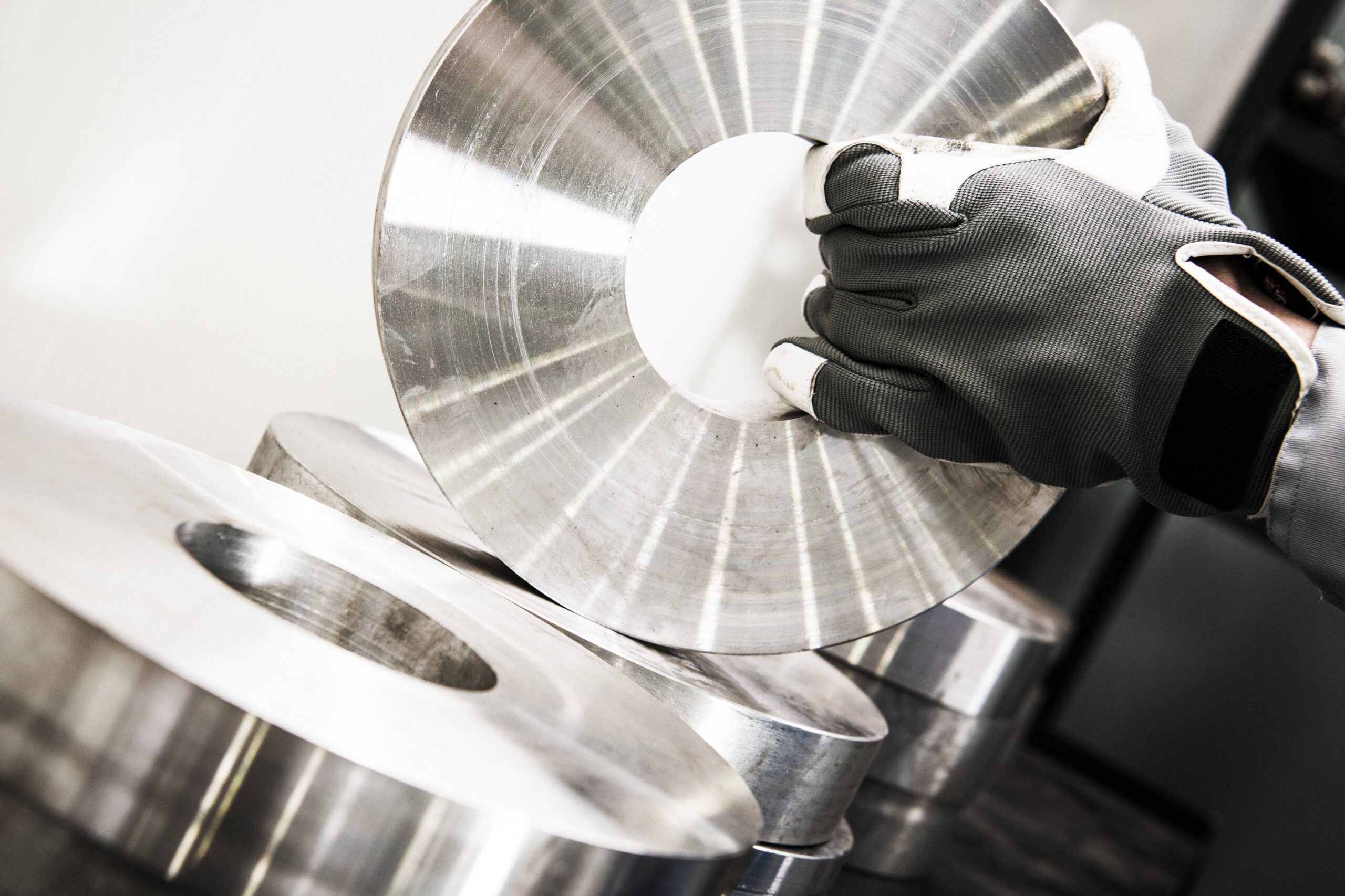
Sustainability in Metal Spinning: Scrap Reduction, Recyclability, and Energy Efficiency
< Blogs < Sustainability in Metal Spinning: Scrap Reduction, Recyclability, and Energy Efficiency
In an era of net-zero targets, rising material costs, and stringent environmental regulations, manufacturers are actively seeking greener production methods. Metal spinning stands out as one of the most sustainable metal-forming processes available today.
Unlike subtractive machining or traditional stamping, metal spinning delivers exceptional material efficiency, outstanding recyclability, and relatively low energy consumption. When combined with modern CNC automation and intelligent design, it becomes a powerful tool for achieving both high performance and environmental responsibility.
At Tanfield Metal Spinners (metal-spinners.com), specialists in metal spinning since 1984, sustainability is core to our operations. From our 35,000 sq ft UK facility equipped with automated CNC spinning cells and one of the largest tooling libraries in Britain, we help customers in aerospace, automotive, renewable energy, medical, and defence sectors produce precision components with a significantly reduced environmental footprint.
This article explores how modern metal spinning achieves scrap reduction, superior recyclability, and improved energy efficiency.
Why Metal Spinning Is Inherently Sustainable
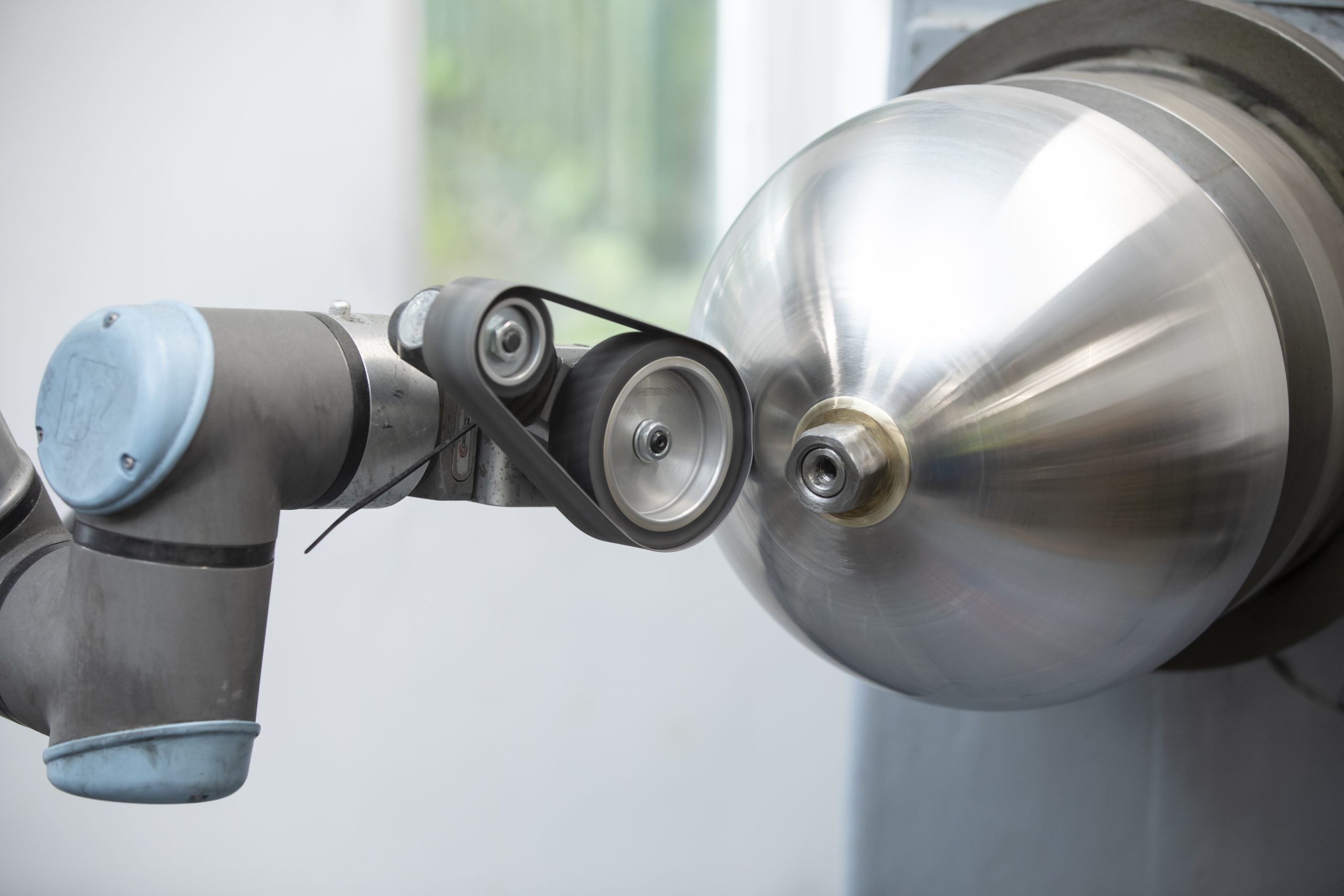
Metal spinning, also known as spin forming, shapes flat sheet metal blanks over a rotating mandrel using controlled pressure from rollers. As a cold-forming process, it requires no melting or extreme heat, preserving the material’s properties while work-hardening the metal for increased strength.
Core sustainability benefits include:
- Near-net-shape forming with minimal material waste
- Ability to use thinner starting gauges without sacrificing performance
- Excellent compatibility with recycled metals
- Lower energy demand compared to casting, forging, or extensive machining
These characteristics make metal spinning a natural fit for the circular economy and for companies working toward ISO 14001 and net-zero goals.
Scrap Reduction: Achieving 85–95% Material Utilisation
One of the standout environmental advantages of metal spinning is its exceptional material efficiency.
Conventional processes such as laser cutting, punching, or CNC machining can waste 40–70% of raw material. In contrast, precision metal spinning typically achieves material utilisation rates of 85–95%.
At Tanfield Metal Spinners, we maximise this efficiency through:
- Advanced CAD/CAM simulation to calculate optimal blank sizes
- Multi-pass CNC forming strategies that control thinning and reduce trimming waste
- Bespoke tooling design that allows complex geometries from smaller blanks
- Immediate segregation and recycling of all edge trimmings by alloy type
This near-net-shape capability not only lowers raw material costs but also reduces the carbon emissions associated with mining, refining, and transporting virgin metals. For expensive alloys like stainless steel, aluminium, and titanium, the savings are particularly significant.
Recyclability: Supporting a True Circular Economy
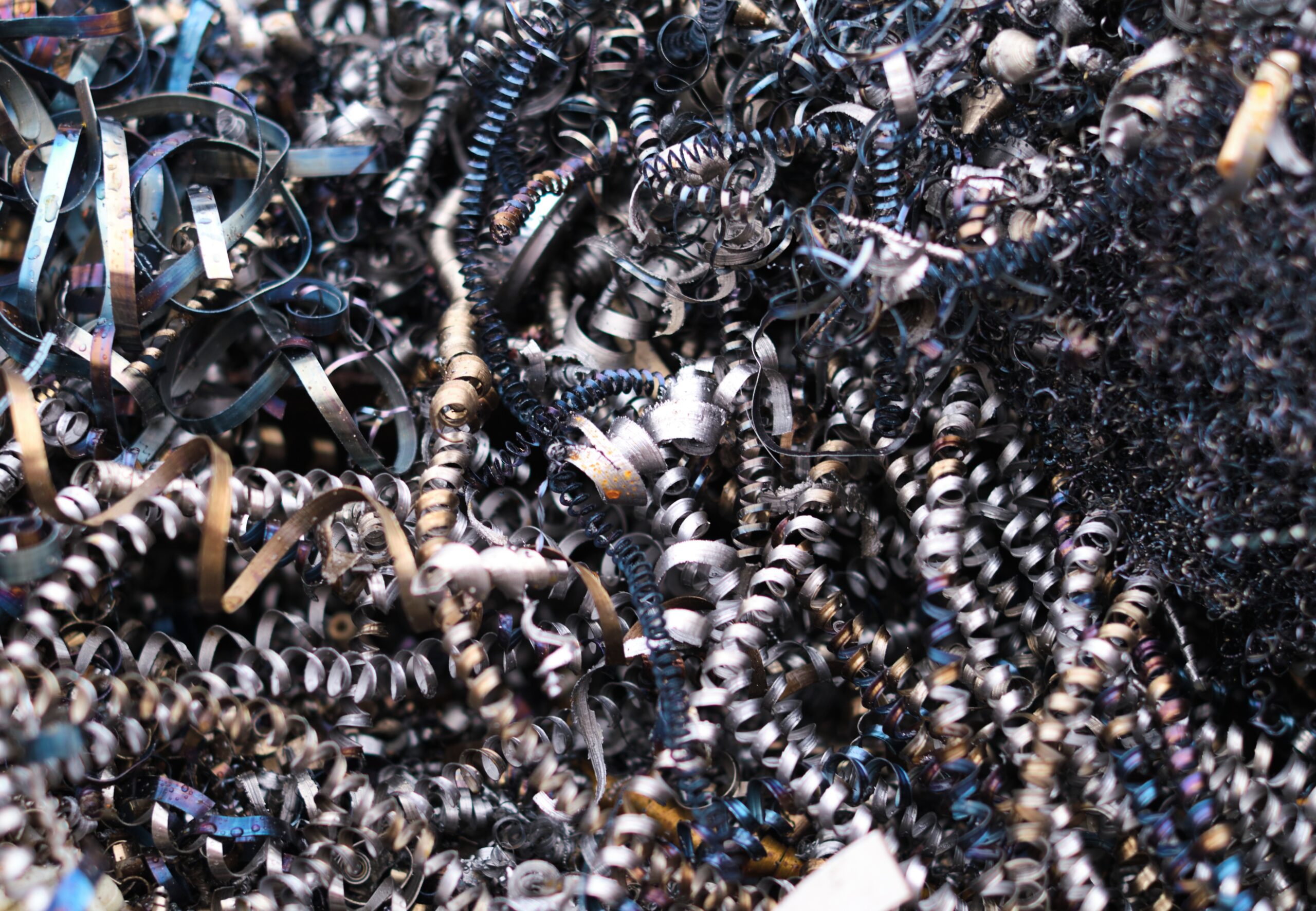
Metals used in spinning; including aluminium, mild steel, stainless steel, copper, brass, and titanium, are among the most recyclable materials on earth.
Key recycling facts:
- Aluminium recycling saves up to 95% of the energy needed for primary production.
- Steel recycling saves around 60–74% of energy and significantly cuts CO₂ emissions.
- Recycled metals retain their properties indefinitely, allowing repeated spinning into new high-performance components.
We maintain strict material traceability and segregation protocols at Tanfield, ensuring all production scrap and end-of-life parts can be returned directly into the supply chain. Many of our customers in the renewable energy and electric vehicle sectors use our spun components as part of their closed-loop sustainability strategies, helping them meet demanding ESG reporting requirements.
Energy Efficiency in Modern CNC Metal Spinning
Traditional manual spinning had variable energy use, but today’s automated CNC metal spinning delivers measurable efficiency gains.
Key improvements include:
- Optimised CNC programmes that use precise spindle speeds, feed rates, and forming pressures
- Lights-out automated production that runs during off-peak hours when renewable energy is more available on the UK grid
- Energy-efficient electric drives and variable speed motors replacing older hydraulic systems
- Virtual simulation that reduces physical trial runs and wasted machine time
- Predictive maintenance to prevent energy-wasting downtime
Because metal spinning is a cold-forming process, it requires far less energy than hot forging, die casting, or welding-based fabrication. When scaled with automation, the energy consumed per part drops dramatically — especially in medium to high-volume production runs.
Full Lifecycle Sustainability Benefits
The environmental advantages extend far beyond the spinning process itself:
- Lightweighting: Spun parts often allow thinner, stronger walls, reducing weight in final applications (critical for EVs, aircraft, and wind turbines).
- Durability: Work-hardened components last longer, lowering replacement frequency and resource use.
- Reduced secondary operations: Less machining and finishing means lower total energy and chemical consumption.
- Compatible finishing: Spun parts pair perfectly with low-impact powder coating and electropolishing.
Our design-for-manufacture support helps engineers choose the right alloy, thickness, and geometry to maximise sustainability without compromising function or safety.
Sustainability in Key Industries
- Renewable Energy: Lightweight spun parts for wind turbines, solar trackers, and battery enclosures
- Automotive & EV: Weight-saving components that improve efficiency and range
- Aerospace: High-strength, low-waste parts meeting strict environmental standards
- Medical: Precision, fully recyclable housings with minimal material use
- Architectural: Long-life, low-maintenance spun products
Tanfield Metal Spinners: Sustainable UK Manufacturing
Since 1984, Tanfield Metal Spinners has combined traditional expertise with modern technology and responsible practices. Our sustainability commitments include:
- One of the UK’s largest tooling stocks, reducing the need for frequent new tool manufacture
- Fully automated CNC cells optimised for energy-efficient, lights-out operation
- In-house simulation and design to minimise waste from prototype stage
- Full material traceability and strong recycling partnerships
- ISO-certified systems that integrate environmental responsibility
We actively help customers achieve their own sustainability targets through smarter component design and efficient production.
The Future of Sustainable Metal Spinning
Looking ahead, further gains will come from AI-optimised forming paths, increased use of recycled feedstock, and hybrid tooling technologies. Tanfield Metal Spinners continues to invest in these advancements to stay at the forefront of green manufacturing.
Ready to Make Your Supply Chain More Sustainable?
Metal spinning offers an outstanding combination of technical performance, cost-effectiveness, and environmental responsibility. When delivered by an experienced partner with advanced automation, it becomes a genuine competitive advantage in the drive toward net zero.
Contact the team at Tanfield Metal Spinners today using to discuss how sustainable precision metal spinning can benefit your project.
< Blogs < Sustainability in Metal Spinning: Scrap Reduction, Recyclability, and Energy Efficiency
More Blogs