
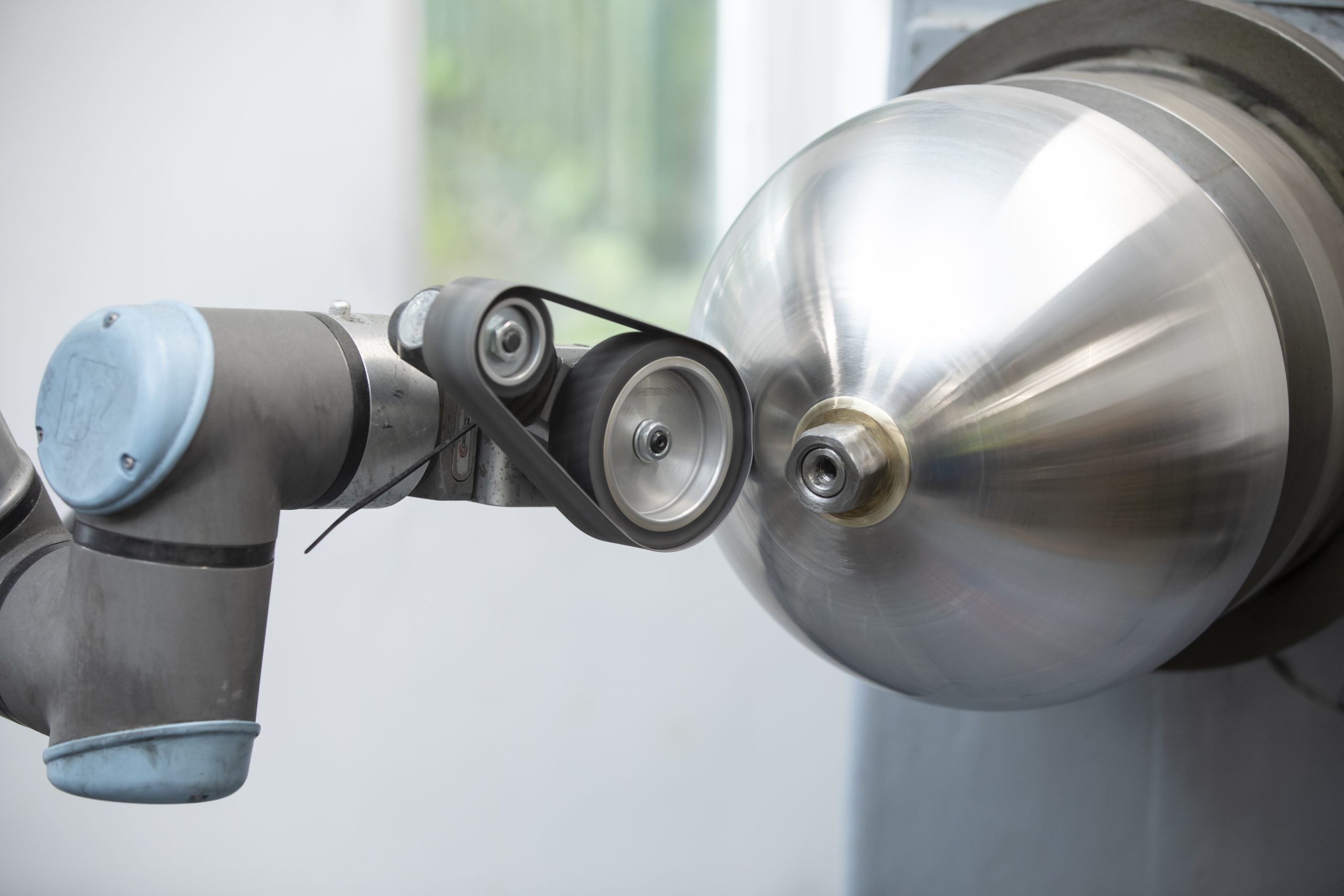
 Metal Spinning
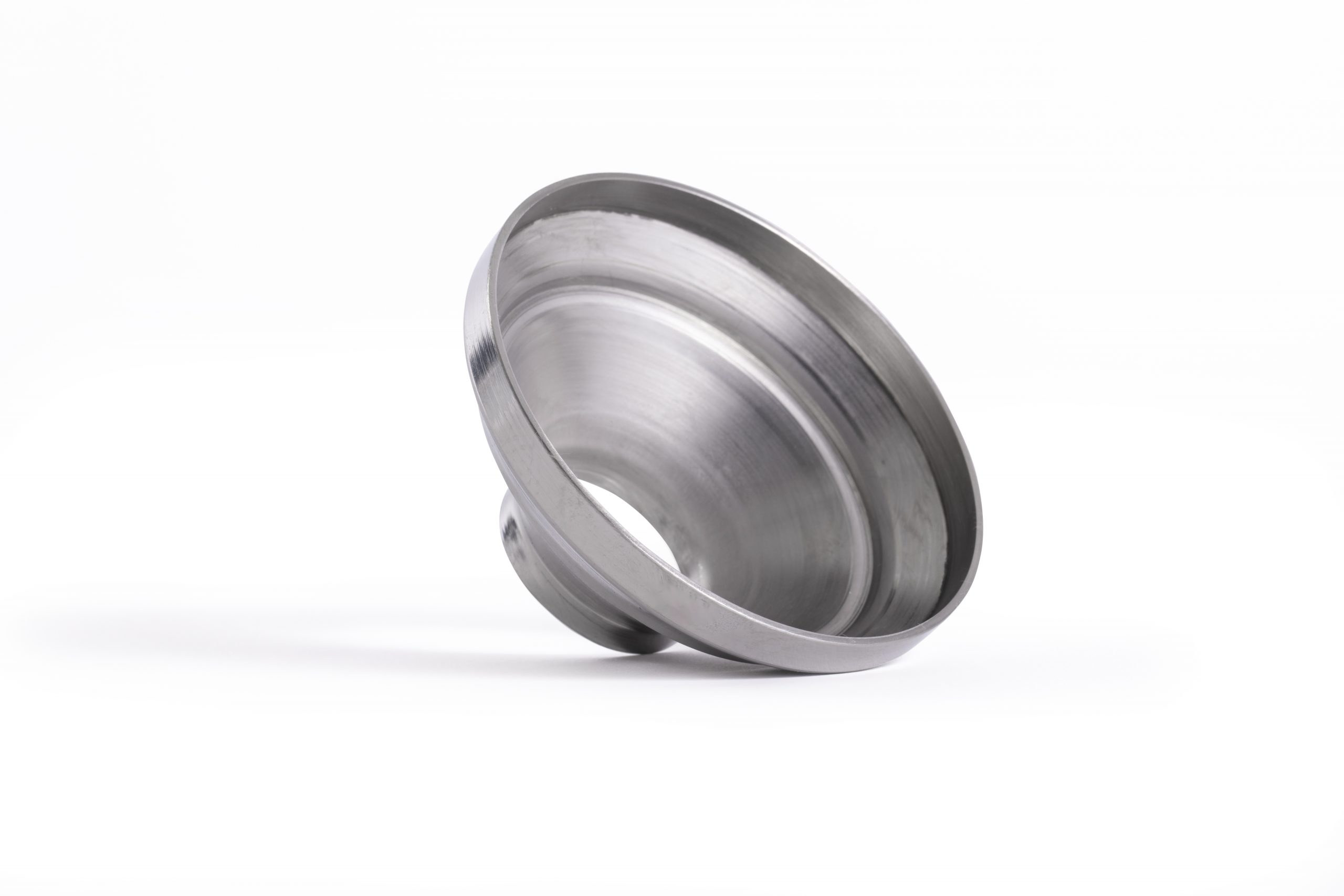 Bespoke Metal Spinning
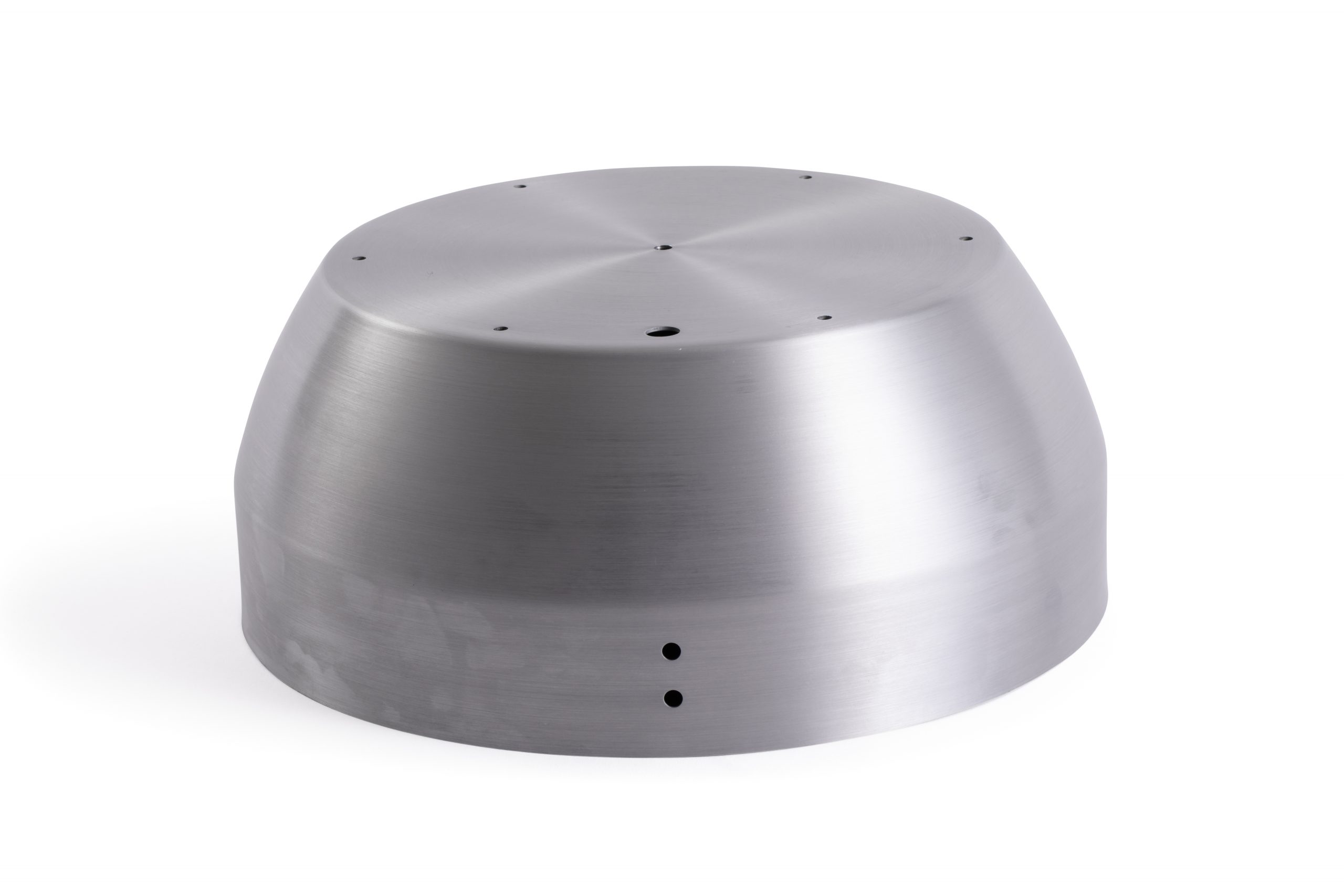 Metal Polishing
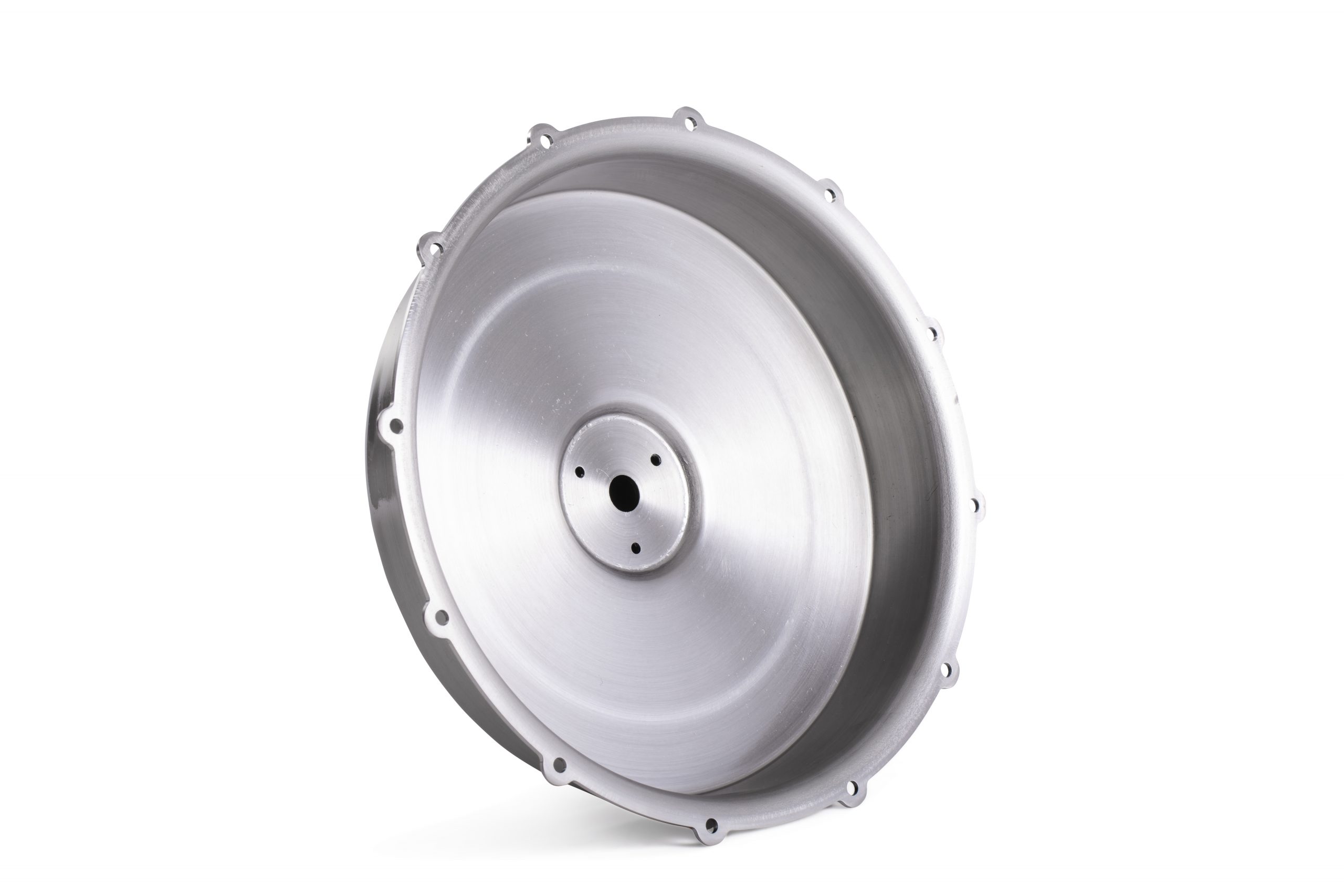 Machining
 Metal Pressing
 Metal Swaging
 Metal Fabrication & Welding
 Precision Engineering
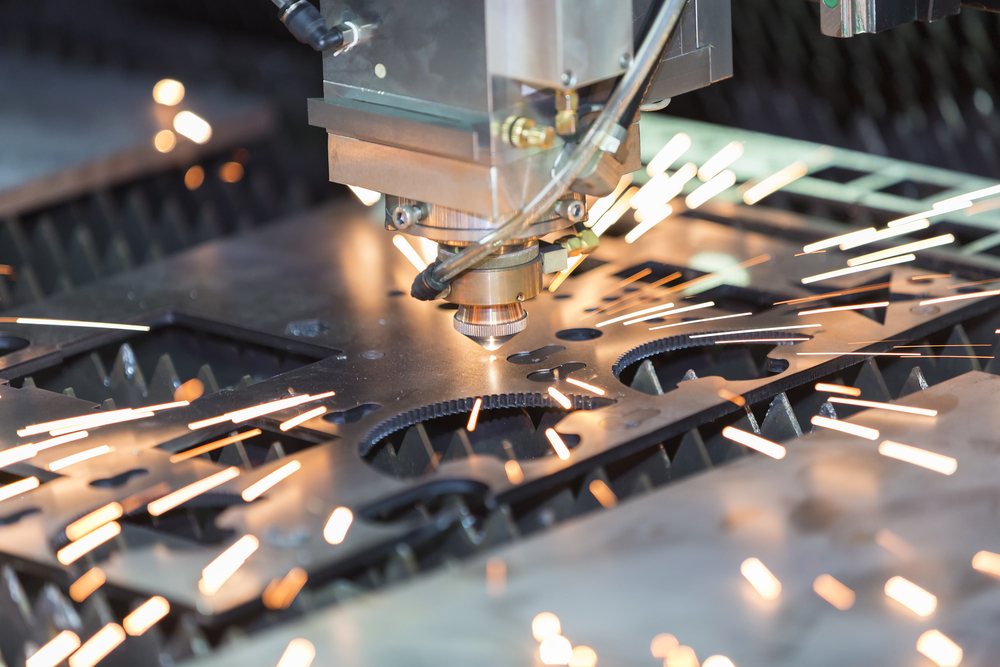 Laser Cutting
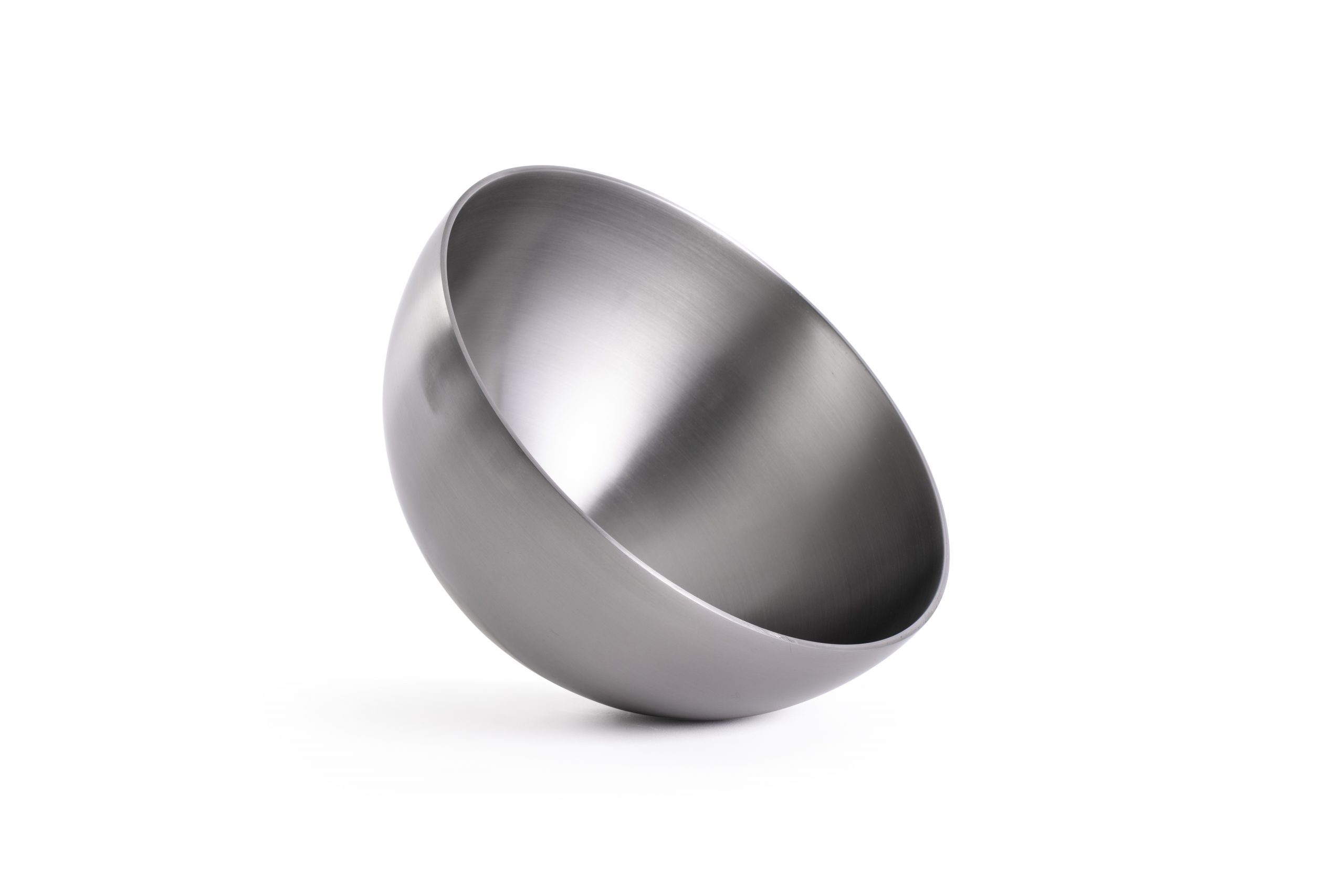 Inspection and Quality
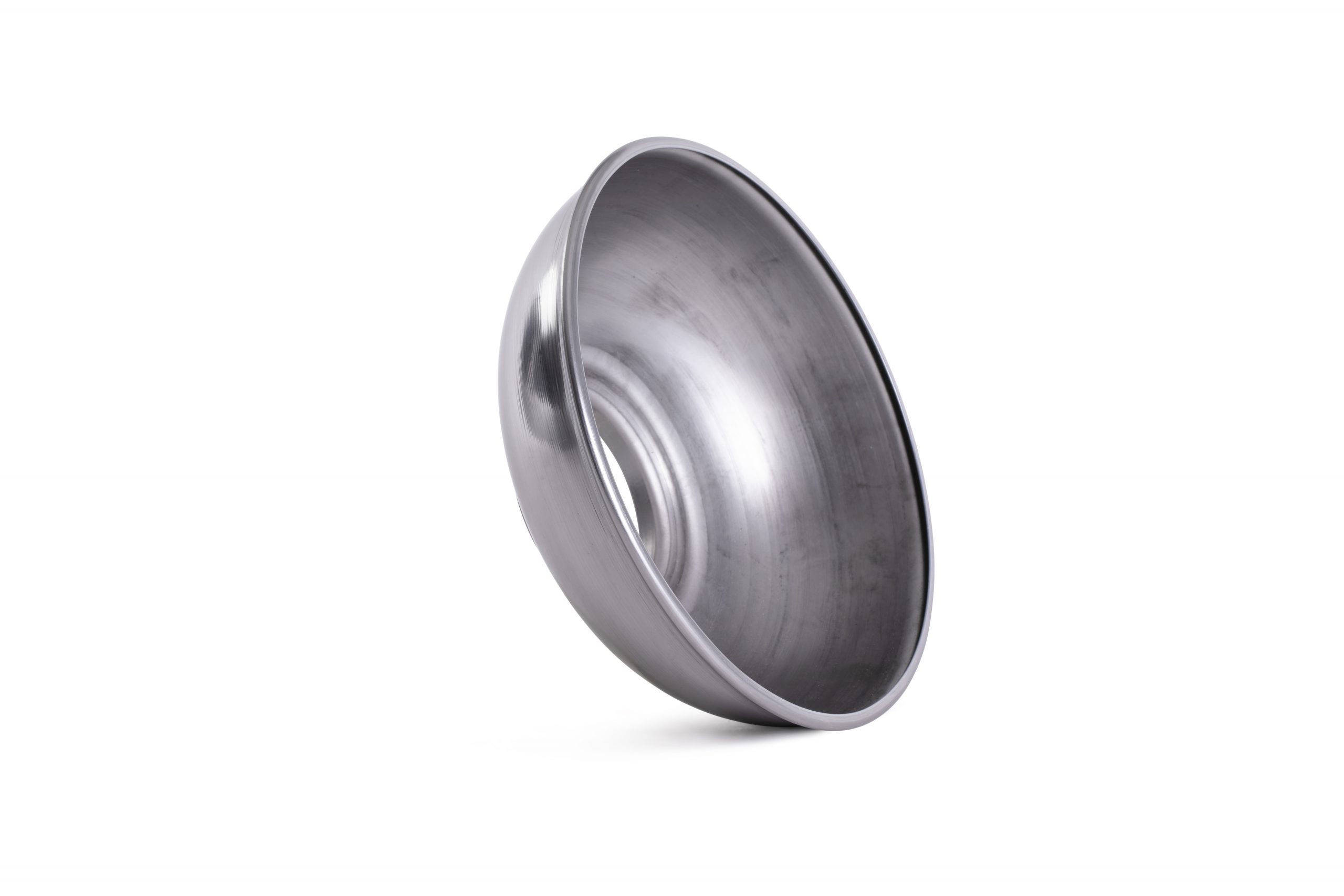 Anodising, Electropolishing and Pickling & Passivating
 Agriculture
 Automotive
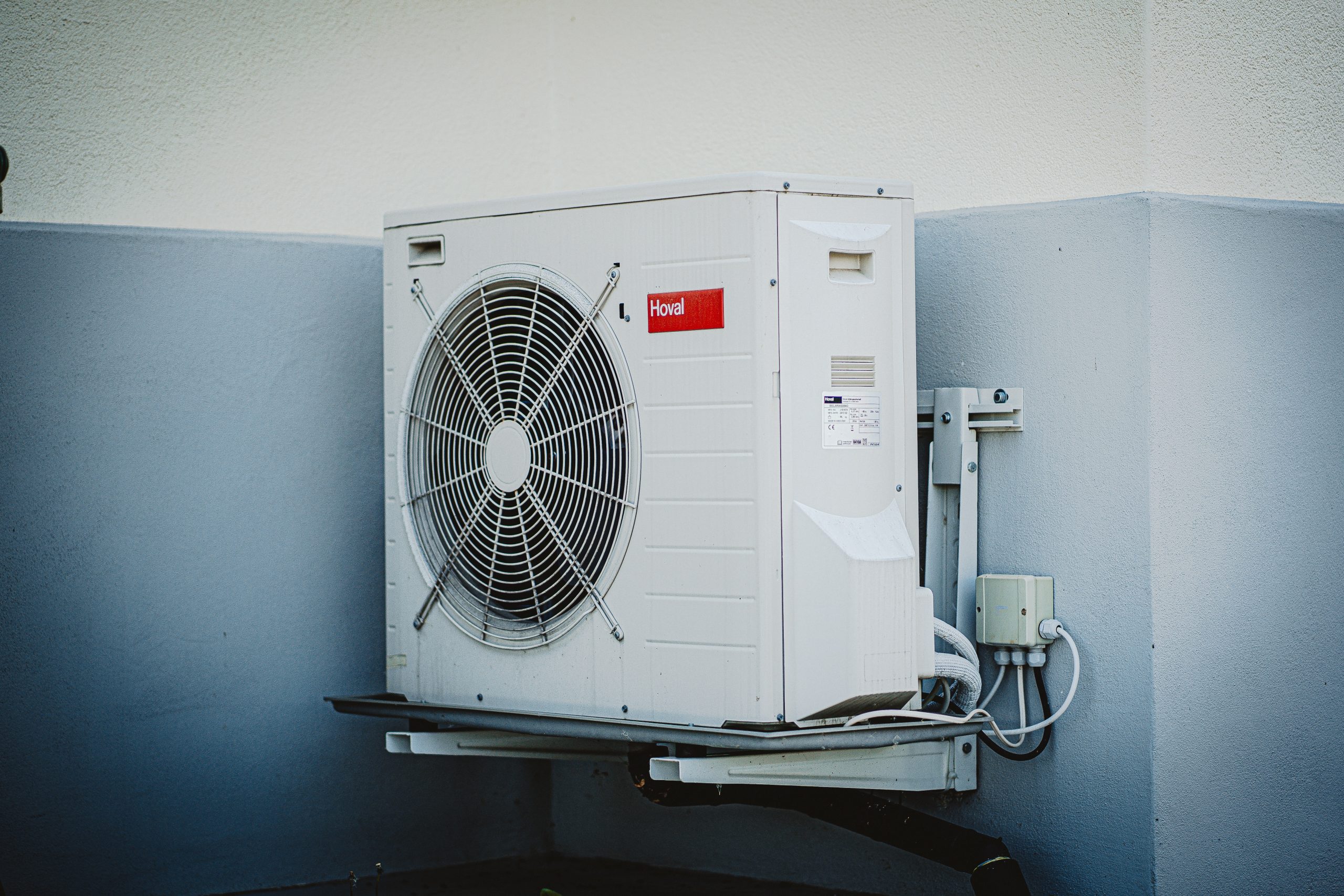 Air Movement
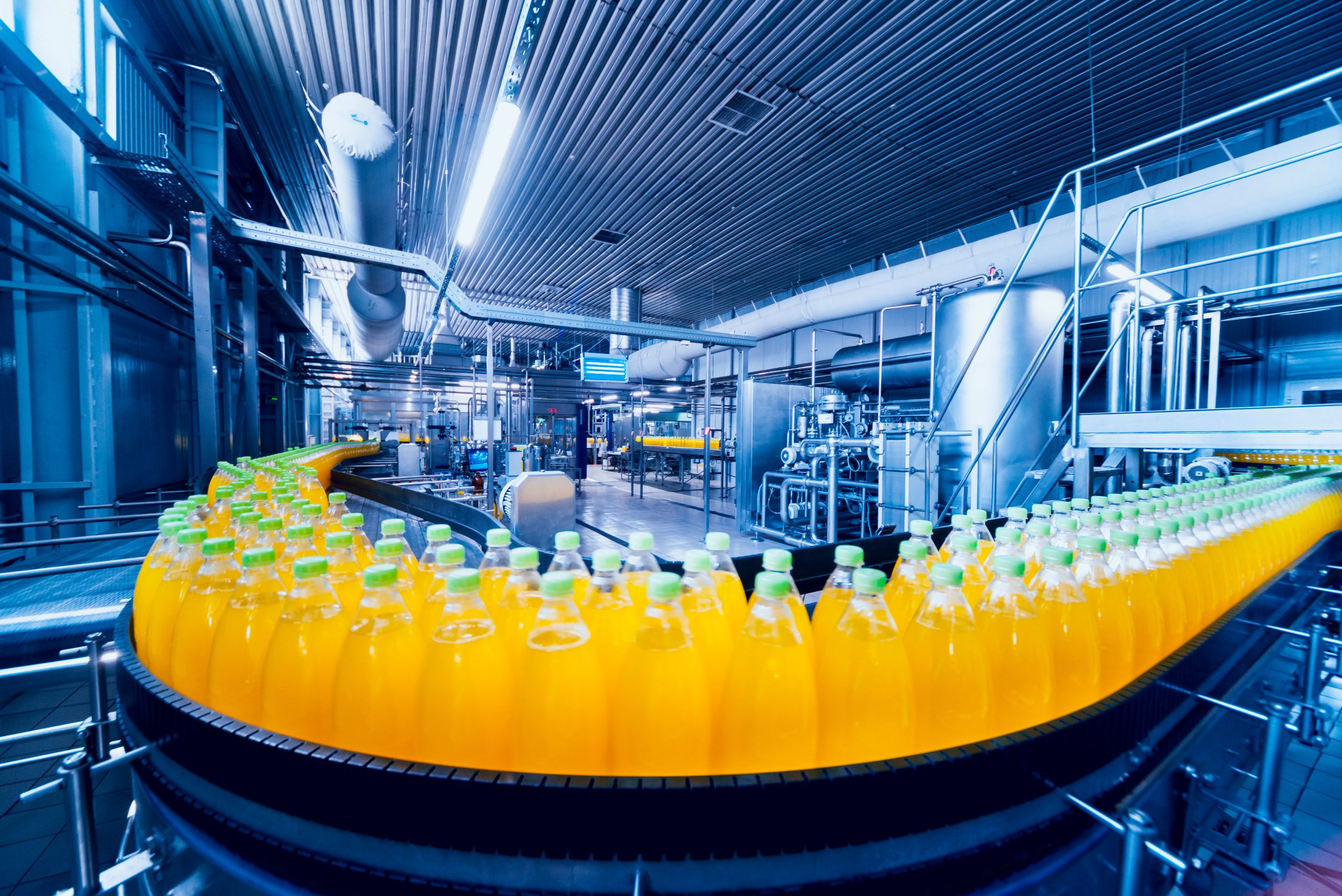 Food Industry
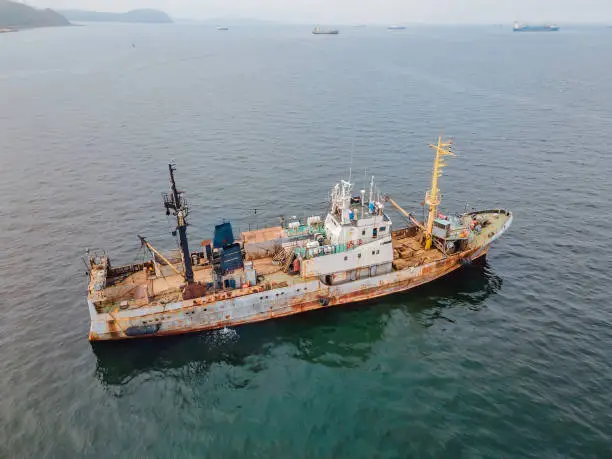 Marine
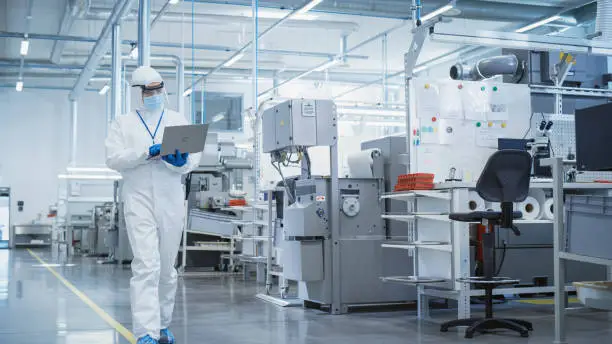 Medical and Cryogenic
 Playground
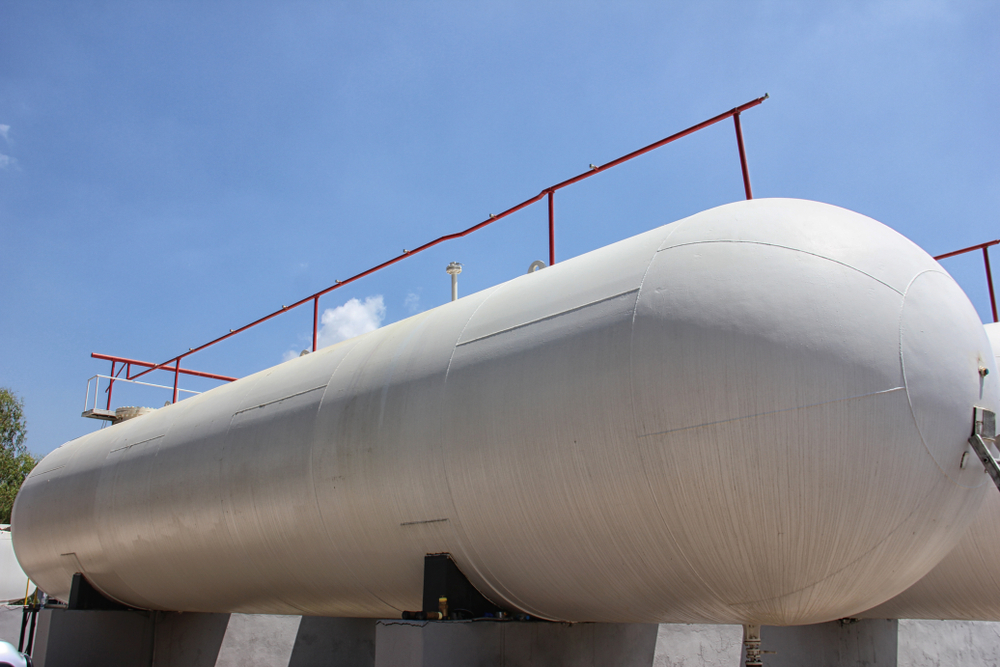 Pressure Vessels
 Renewable Energy
 Safety
Metal Spinning
Metal Spun Parts
At Tanfield Metal Spinners, we use our expertise in metal forming to create a variety of parts. This includes dished ends, pressure vessels, spun metal cones, tank heads, and more. We can quote work up to a radius of 2.4 meters and a thickness of 10mm for spun metal parts.
Tanfield’s metal spun parts can have applications in products with drastically different uses, across many sectors. As a result, there is a large scope as to the businesses that can make use of Tanfield’s metal spinning services. All parts spun by Tanfield Metal Spinners have full traceability too.
Dished Ends
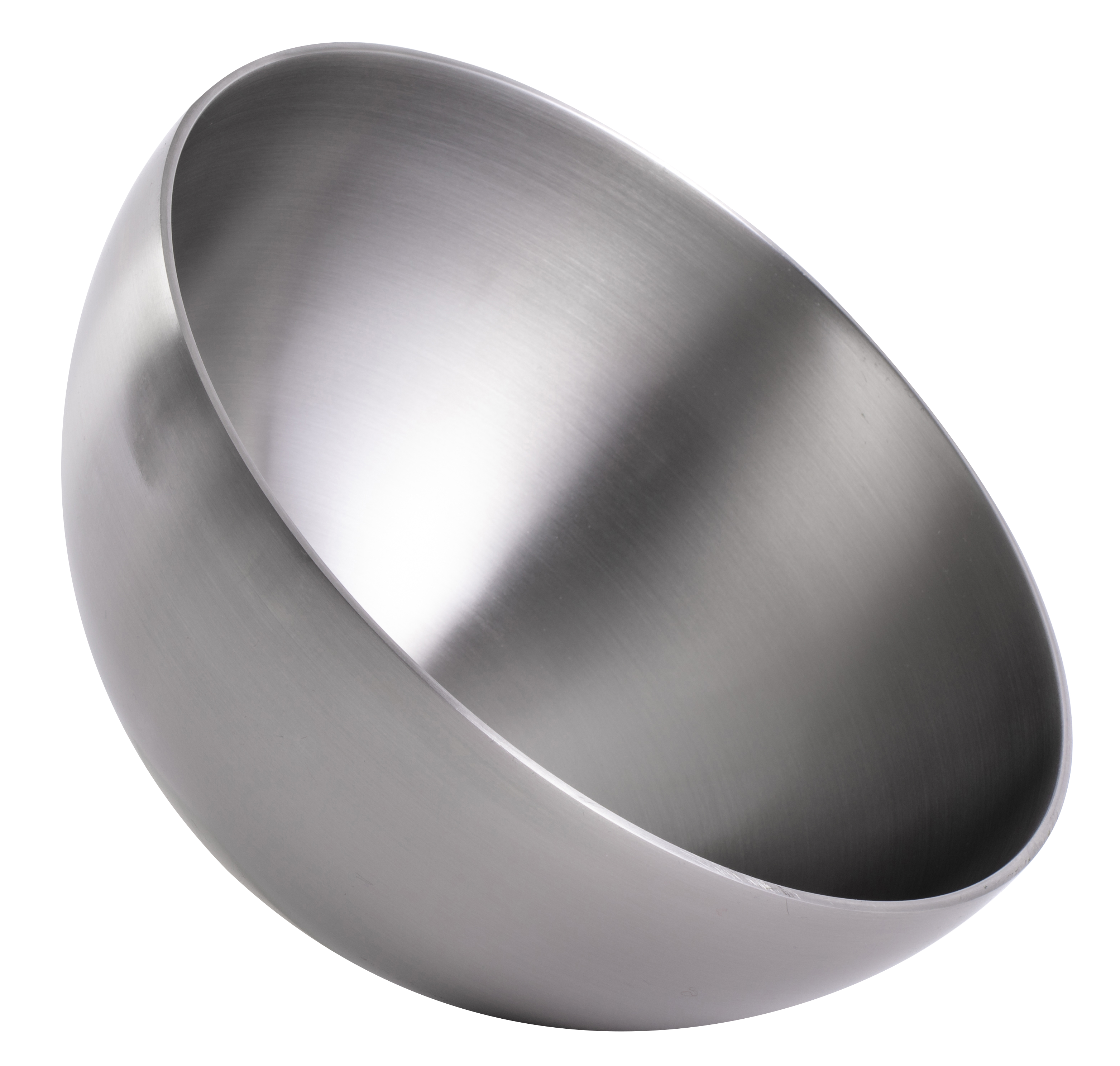
Dished ends are the end caps welded to the main body of a vessel. Our metal spinning process for dished ends ensures the overall design of the vessel is upheld, while guaranteeing functional quality. These can be created in sizes ranging from 102mm – 1870mm. We can form:
- Ellipsoidal dished ends
- Hemispherical dished ends
- Torispherical dished ends
Dished ends are primarily used in storage to seal a pressure vessel but are also widely used in sectors where the storage of volatile solids, liquids and gases is commonplace. This includes food processing, nuclear operations, chemical plants, transportation tankers, power generation, and oil refining. We also have the capabilities to produce flat flanged ends in sizes from 100mm – 1011mm.
Pressure Vessels
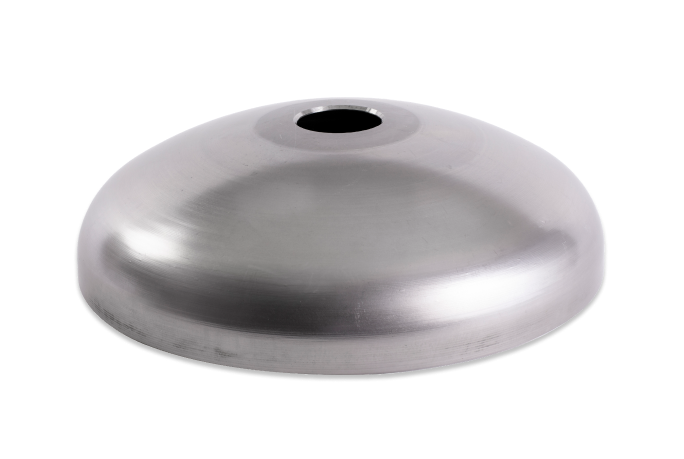
Pressure vessels are designed to store liquids and gases at varying pressures. Storage conditions are at a pressure that’s significantly higher or lower than the ambient level. To withstand the forces associated with this, Tanfield Metal Spinners makes sure our forming process doesn’t compromise the integrity of the materials used.
Our metal spun hemispheres for pressure vessels come in a massive range of sizes, from 46mm – 1573mm. Uses for this part include:
- Heat exchangers
- Reactors
- Flash drums
- Distillation towers
- Separators
Pressure vessel fabrication is an essential service for many industries that focus on processing. Tanfield can provide expertly spun pressure vessels for the safety, chemical, petrochemical and food production sectors.
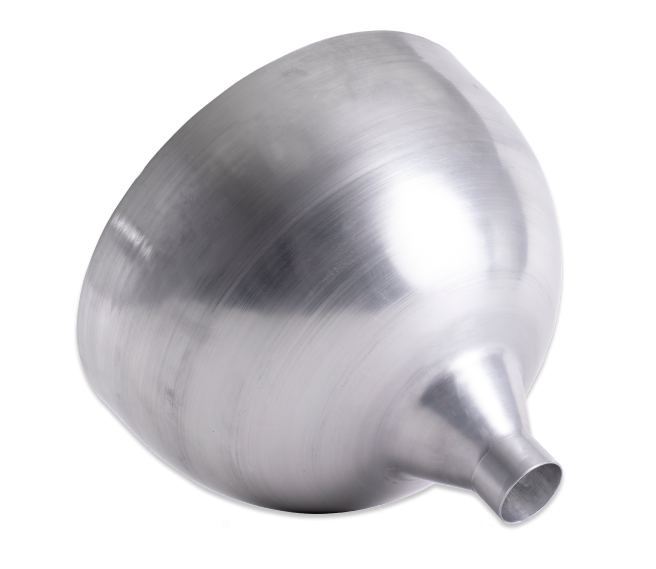
Metal Cones
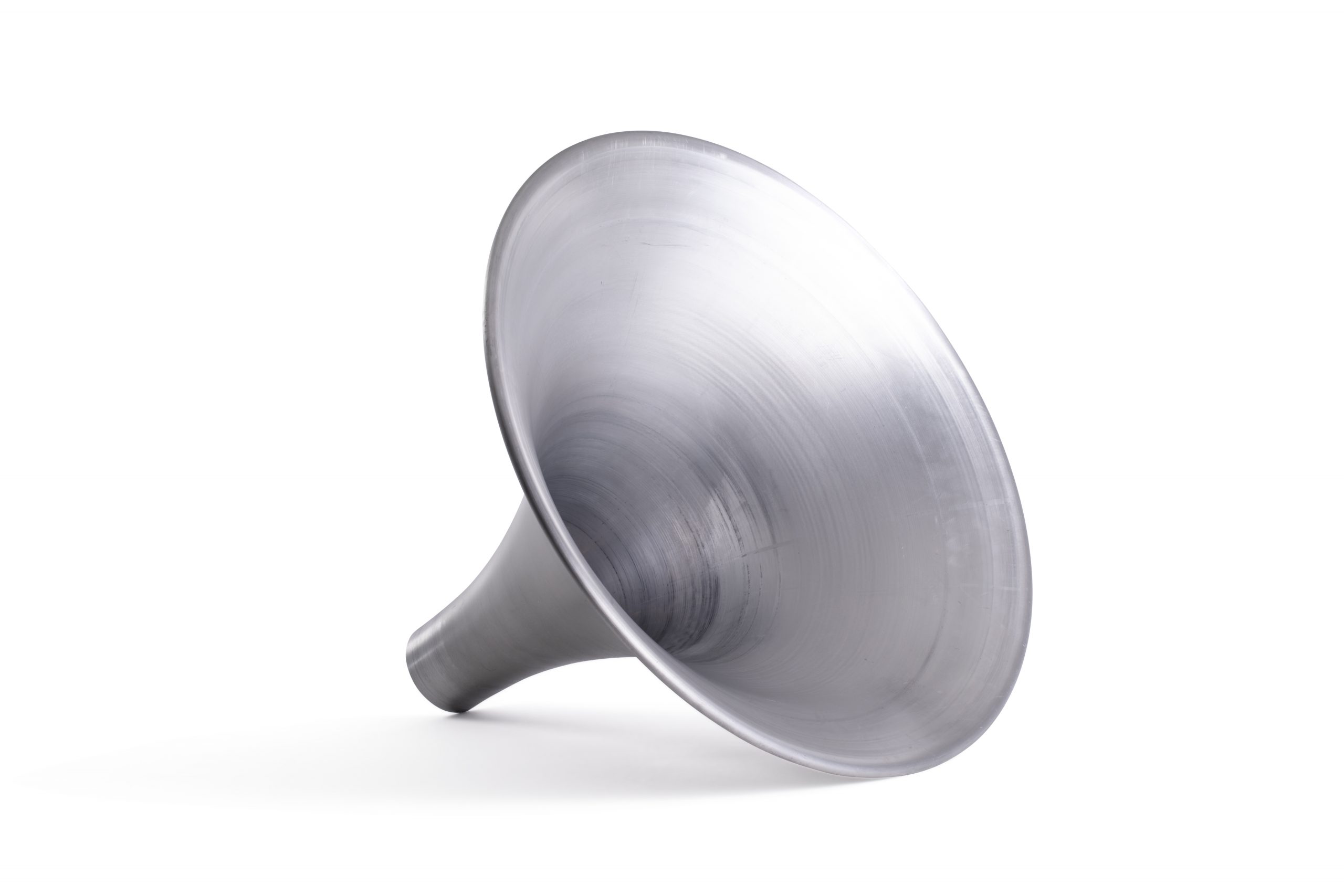
Metal Cones produced at a Tanfield Metal Spinner facility can come in a wide range of diameters and lengths to suit your needs. Spun metal cones are used to guide liquids and gases, or increase or decrease the width of piping. They can function as covers, caps, and funnels. We can adjust our process based on the role your metal cones are intended for.
Our metal spun cones are extremely versatile, able to be made in a range of lengths and degrees from 60-150°. Many industries use them in integral industrial processes. Our metal cones can be used in many sectors including:
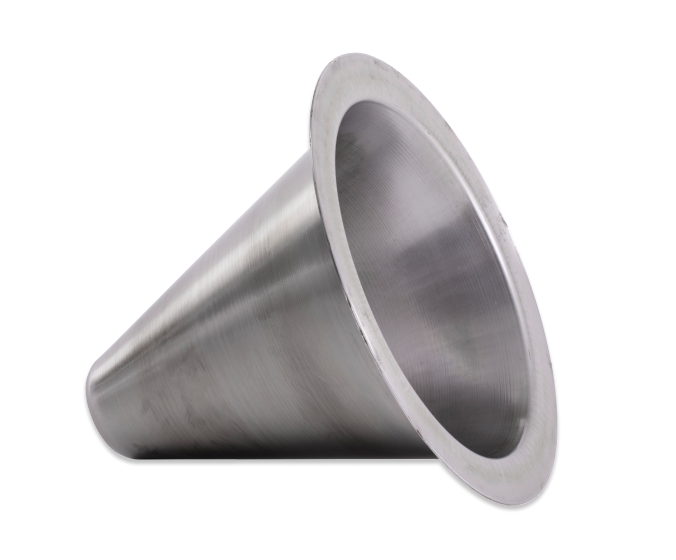
Tank Heads
A tank head is a part that caps one or both ends of a cylindrical pressure vessel. The tank heads our expert spinners produce can vary in size to fit the vessel they’re going to be affixed to. Common types of tank heads inlcude:
- 2:1 elliptical
- ASME F&D
- Flat head type
Our capabilities allow us to create bespoke tank heads too. Tank heads are used to seal the vessel, allowing for the storage of liquids, gases, or bulk solids. These vessels can be driving cylinders, reactors and distillation towers, among others.
Tank heads formed by fully certified metal spinners like Tanfield Metal Spinners have applications in the following sectors: manufacturing machines, pressure vessels, agriculture, and food production.
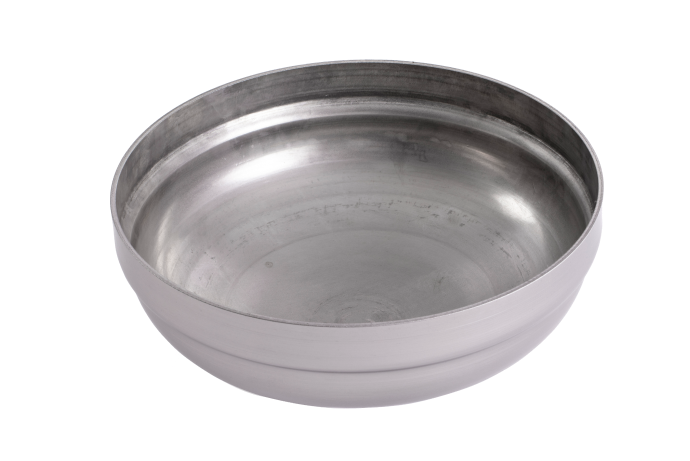
Our Metal Spinning Materials
Metal Spinning Process
Our process starts by examining your project specifications. We then use this along with your design to inform our spinning operations. A workpiece is then shaped with passes controlled by either a programmed machine or operated by one of our highly skilled hand spinners. We ensure even deformation with no wrinkling. We can alter machine settings and component positioning to achieve the results you need for your project.
Tooling
Tanfield has the largest standard tooling stock for metal spinning in the UK. We invest in new tools on a yearly basis to make sure our capabilities remain industry leading. The benefits are passed on to you in the form of low tooling costs.
If your project requires new tooling, Tanfield Metal Spinners will look at the most cost-effective way to service your customers’ needs.
Top things we get asked
The metal spinning process is a forming technique used to shape flat metal blanks into axially symmetrical components. The material is rotated at speed while controlled pressure is applied, creating precise, seamless round parts.
Metal spinning is ideal for producing dished ends, pressure vessels, tank heads, metal cones, hemispheres, and other circular or conical components used across industrial sectors.
Yes, custom metal spinning allows components to be produced to exact specifications. Sizes, wall thicknesses, angles, and profiles can all be adjusted to suit your application.
A wide range of materials can be used, including aluminium, stainless steel, carbon steel, copper, brass, titanium, Inconel, Hastelloy alloys, and other specialist metals.
Custom metal spinning is widely used in industries such as chemical processing, food production, power generation, nuclear, oil and gas, agriculture, air movement, and manufacturing.
The process offers excellent dimensional accuracy and consistency. Skilled operators and advanced machinery ensure even material deformation with minimal waste.
Metal spinning tools include mandrels, rollers, form blocks, and bespoke tooling designed to shape components accurately while maintaining material integrity.
Not always. Many projects can use standard metal spinning tools, reducing costs. For unique designs, bespoke tooling may be produced to achieve the required shape and tolerances.
The metal spinning process is cost-effective, produces seamless components, reduces material waste, and is ideal for both small batch and large-scale production.
To begin a custom metal spinning project, provide your drawings, dimensions, material requirements, and intended application. An expert can then advise on tooling, feasibility, and the most efficient production approach.