When to Choose Metal Spinning Over Deep Drawing or Presswork: A Practical Guide for Design Engineers
Despite being a centuries-old craft, metal spinning has evolved into a sophisticated and highly versatile manufacturing process that now plays a crucial role across various industries. From its origins in hand-crafted methods to the development of advanced CNC machines, metal spinning has continually adapted to technological advancements.
Modern metal spinning offers an effective solution for businesses and manufacturers looking to create precise, complex shapes with a high degree of repeatability.
In this article, we will explore the future of metal spinning and how advancing technology is shaping the industry—particularly in the UK, where metal spinners are driving innovation and expanding manufacturing capabilities.
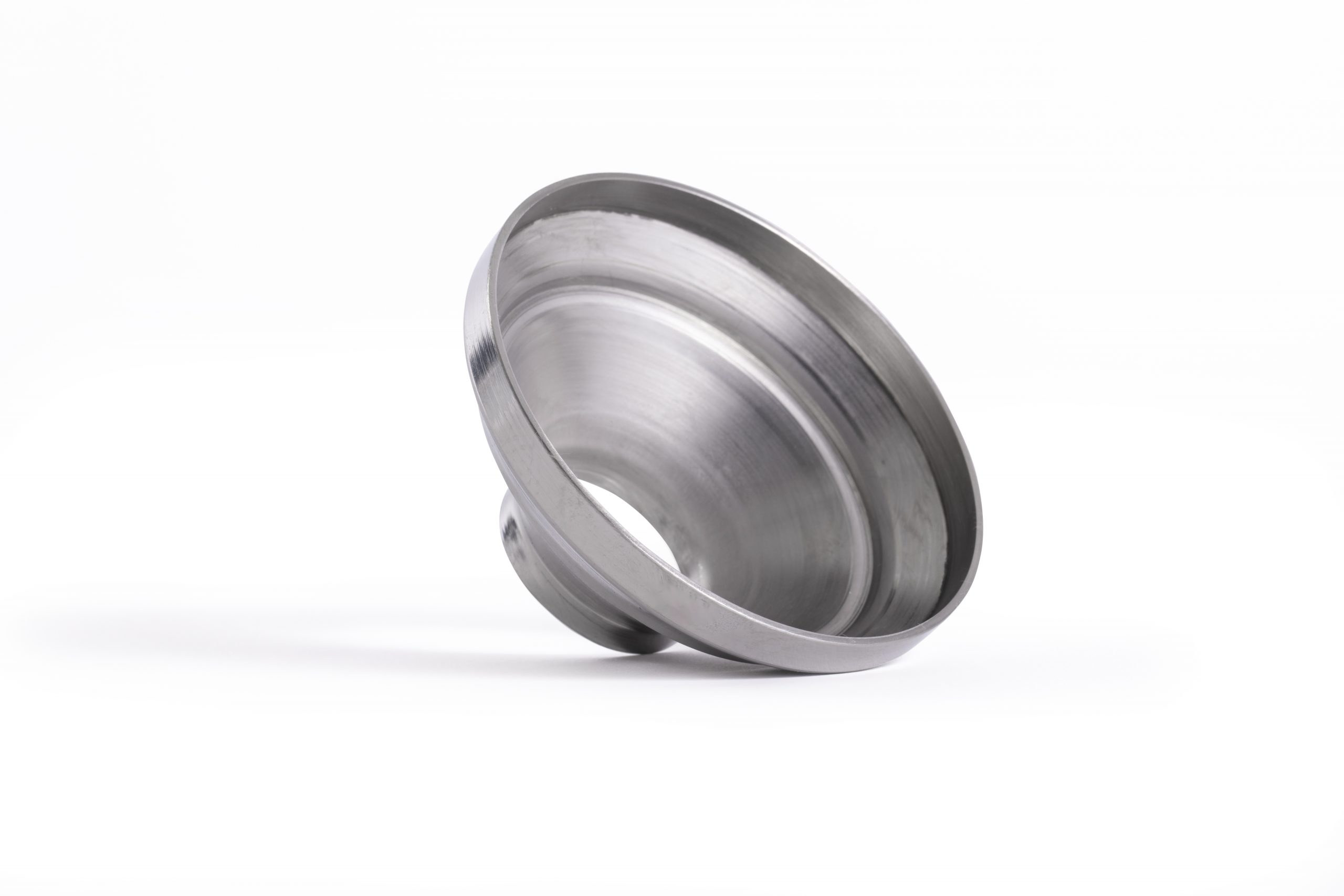
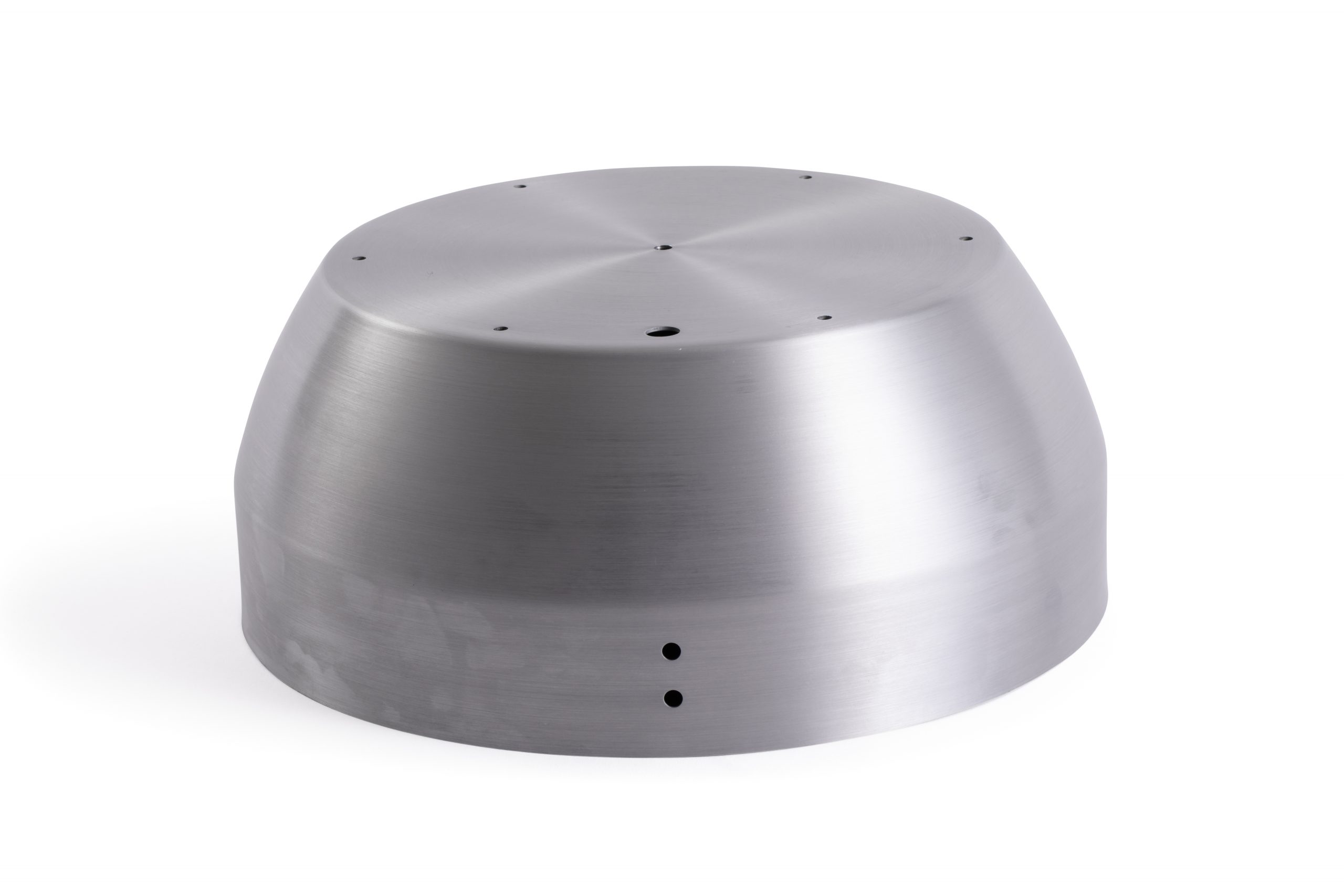
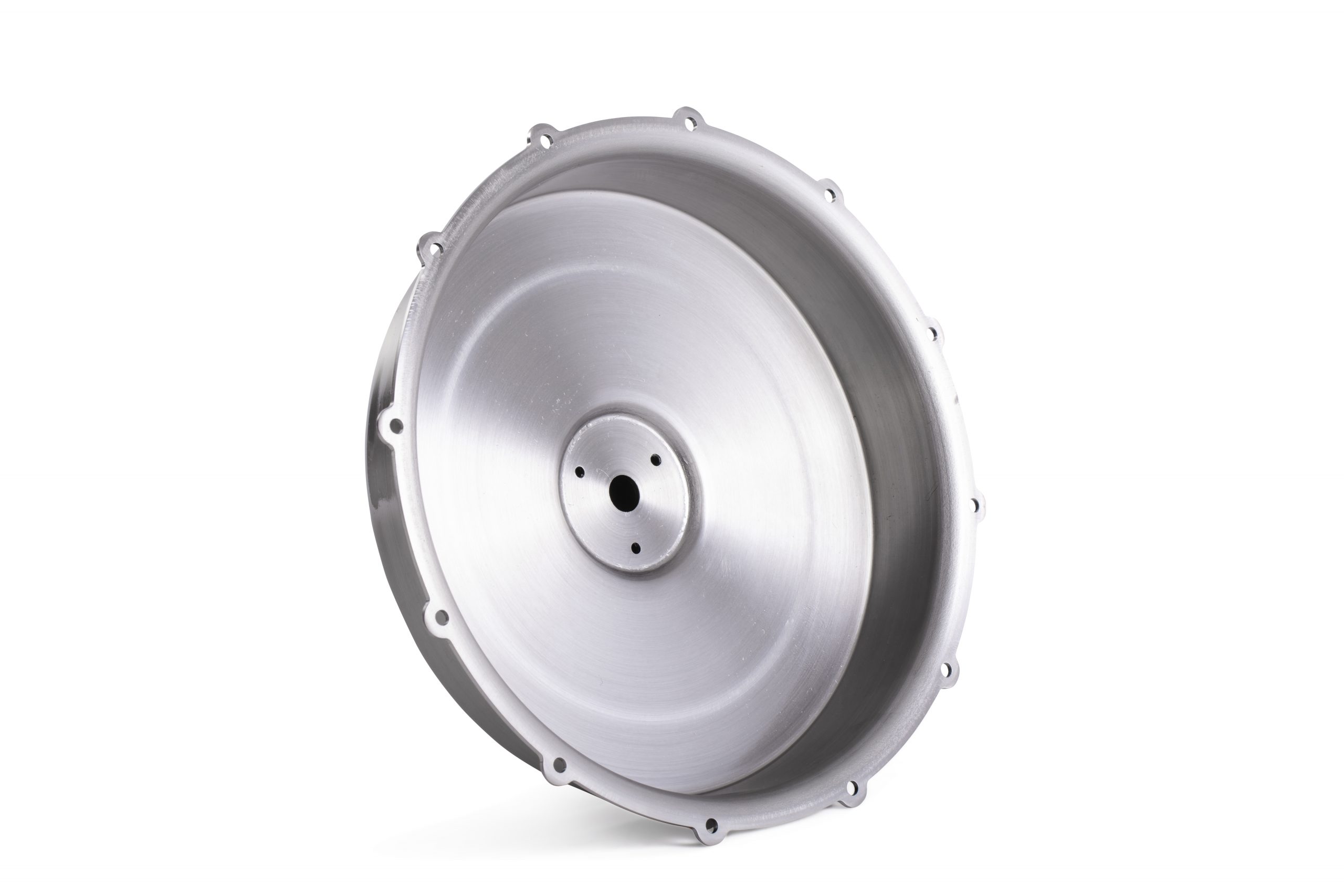
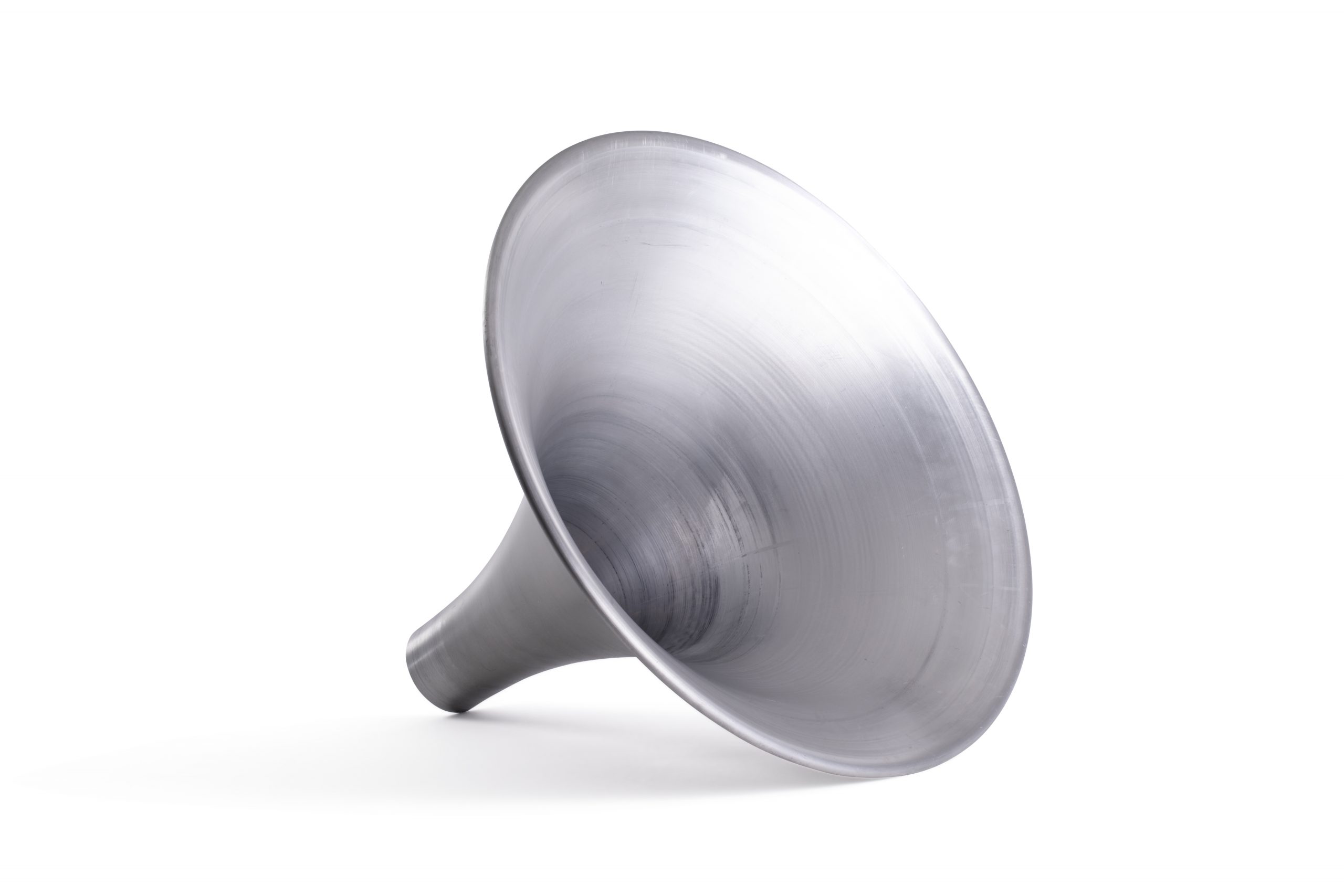
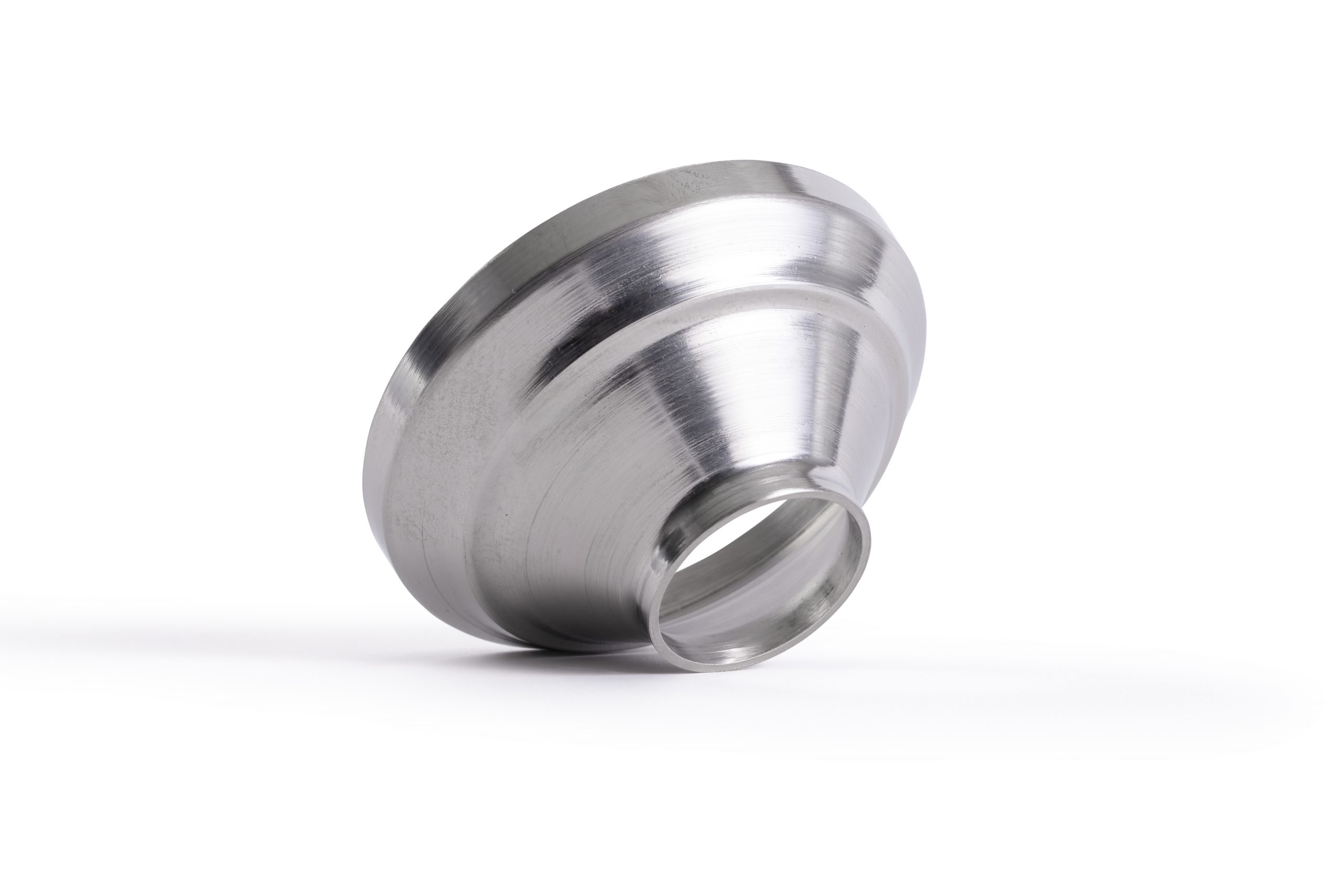
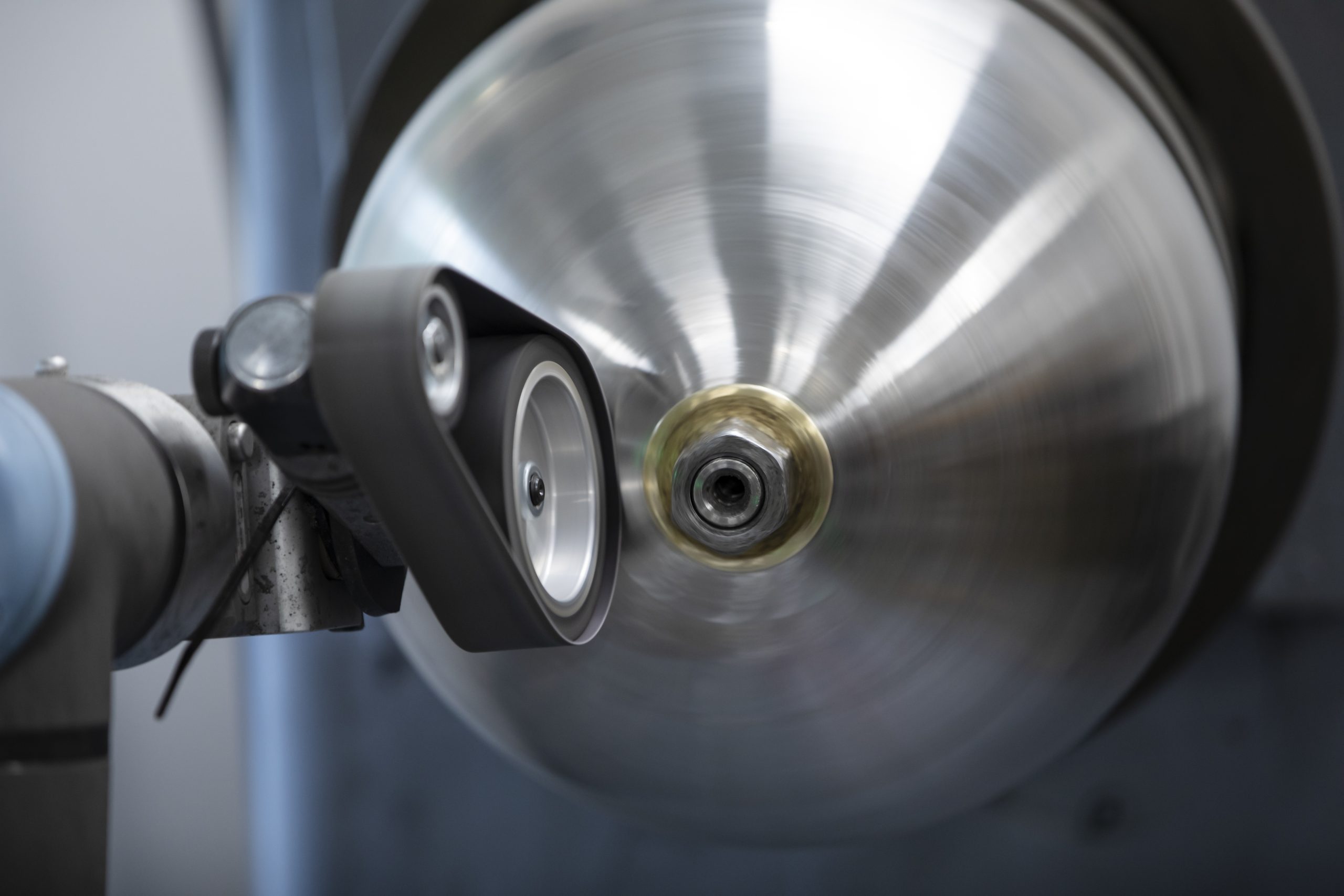
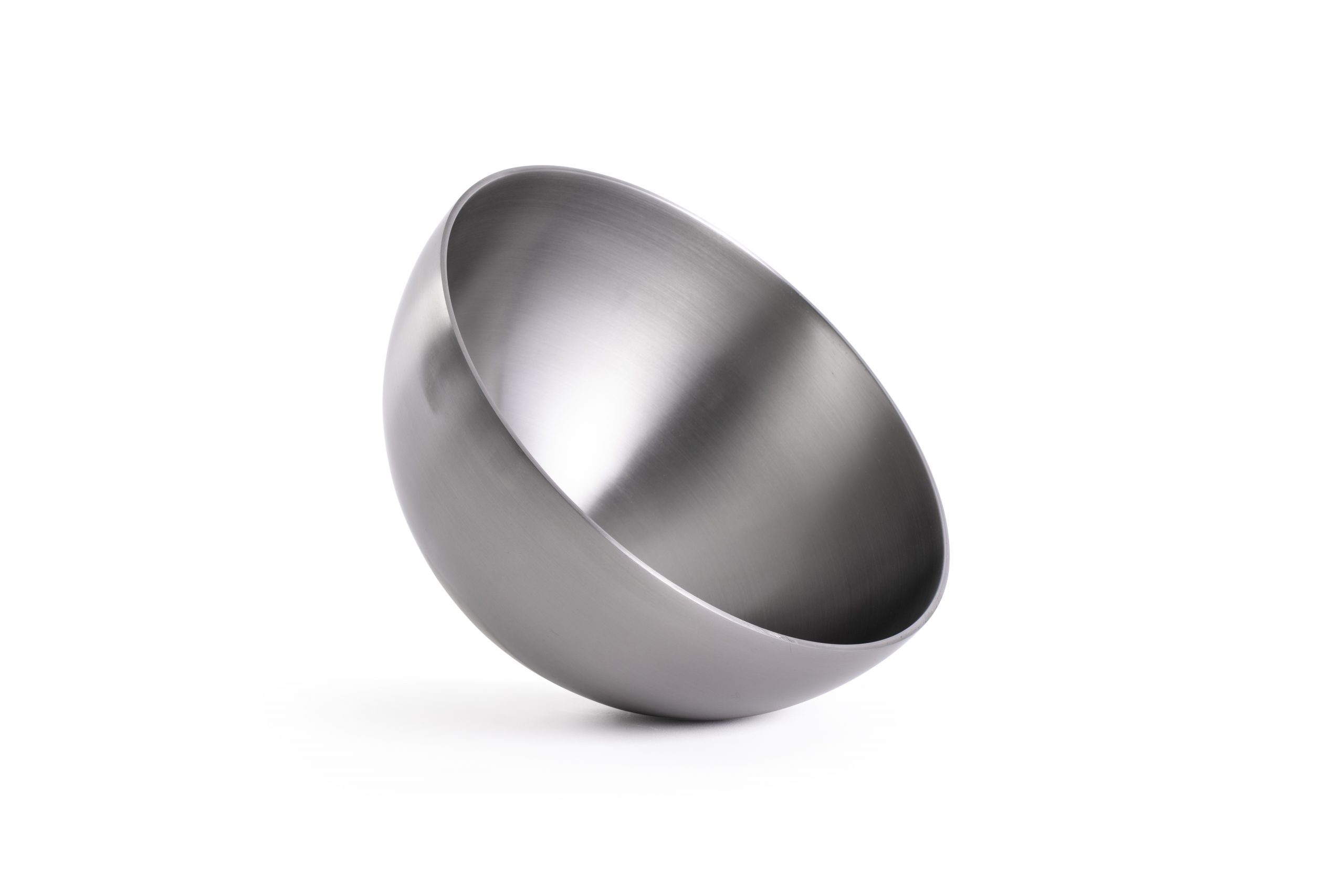
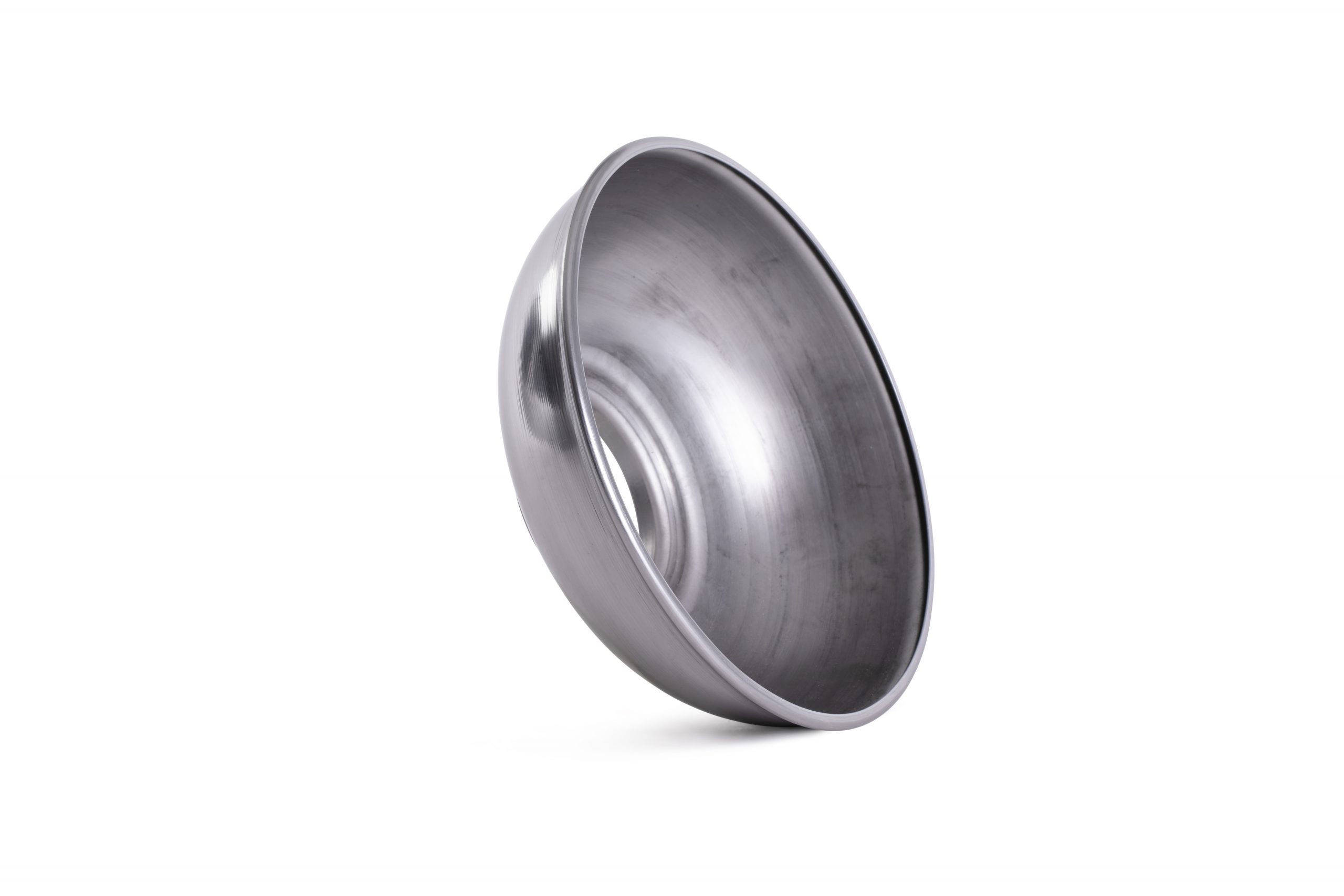
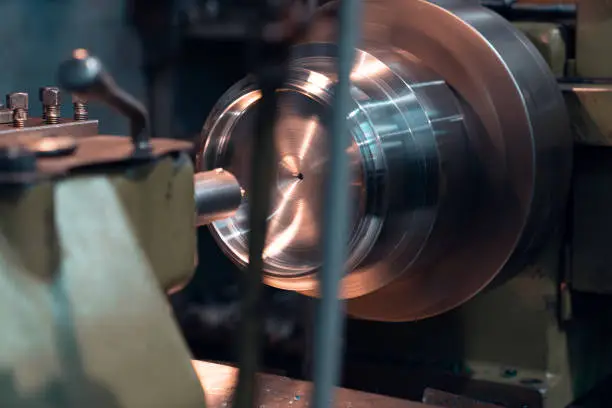
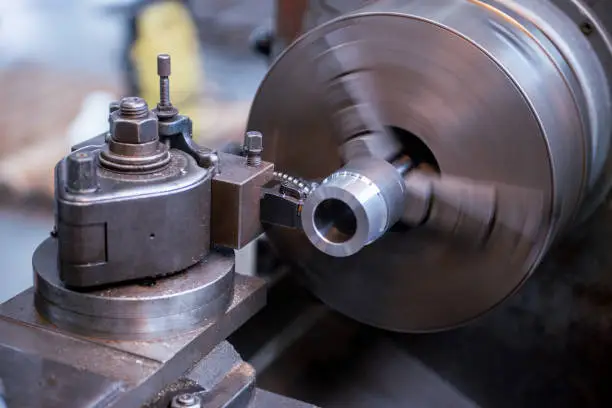
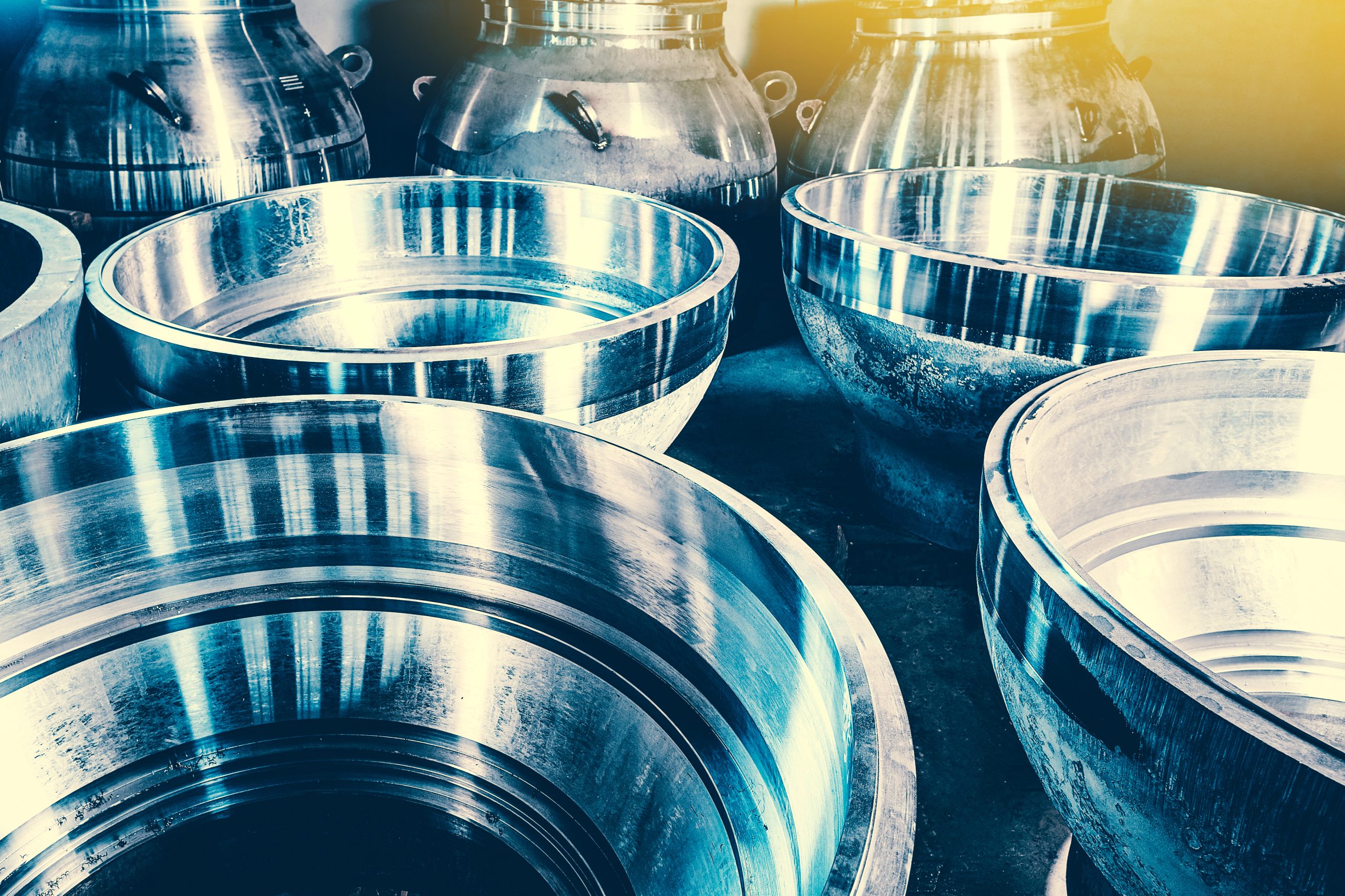
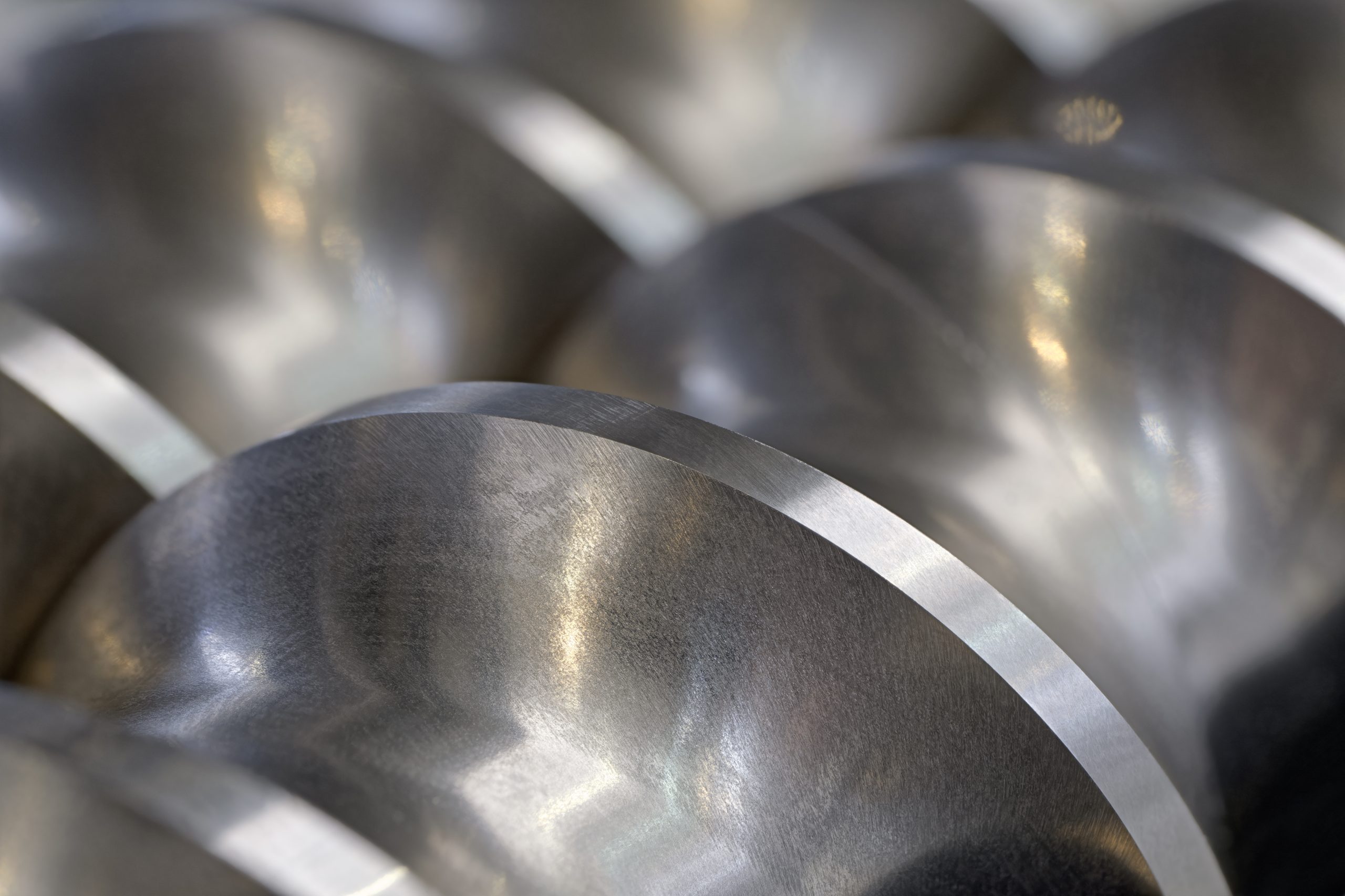
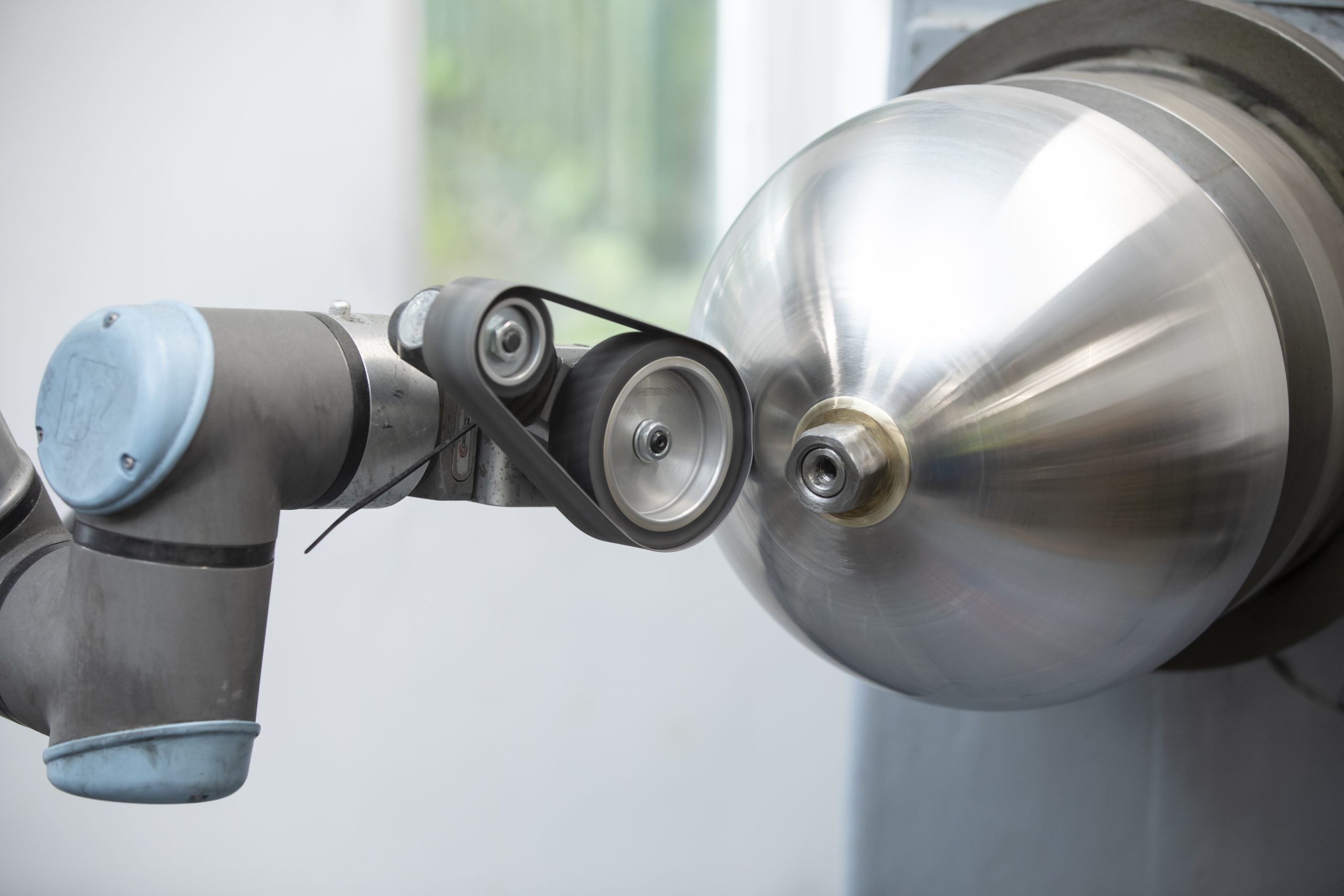
At its core, metal spinning involves placing a metal disc onto a rotating lathe while applying pressure to mould the metal into a specific shape. This technique allows for the creation of symmetrical, cylindrical, or conical forms without the need for additional tooling. Metal spinners have used this process for centuries, traditionally by hand.
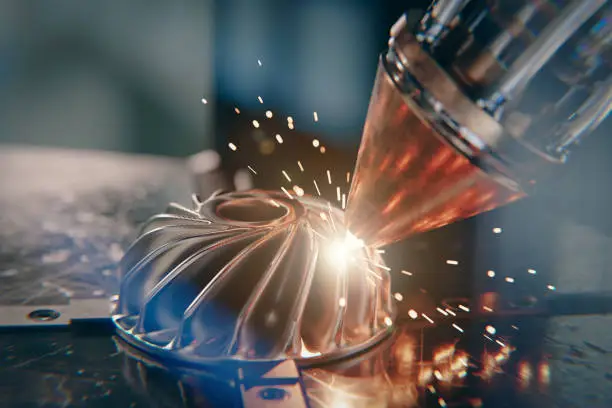
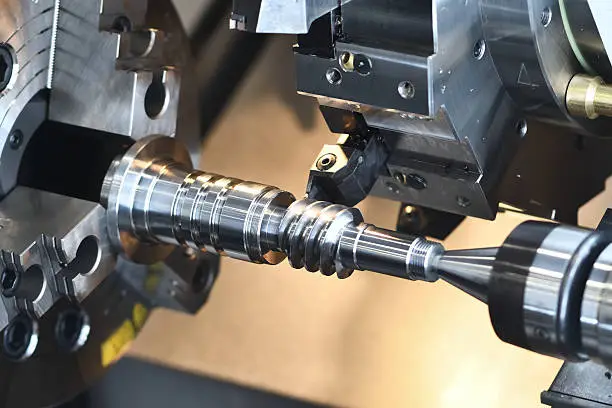
Today, modern advancements such as CNC (Computer Numerical Control) machines have automated much of the process, making it faster, more accurate, and more efficient.
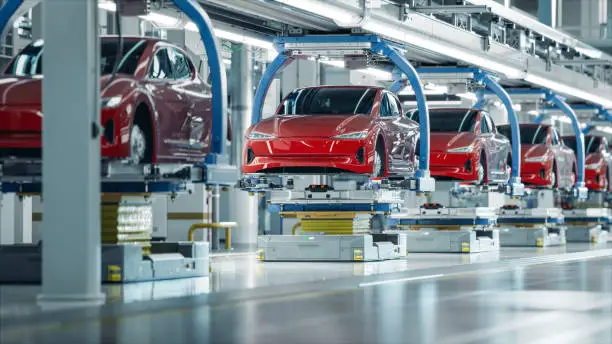
For industries such as aerospace, automotive, and lighting—where precision and strength are paramount—metal spinning offers an ideal solution. In the UK, companies like Tanfield Metal Spinners are at the forefront of this technology, producing a wide range of spun metal parts using state-of-the-art manufacturing equipment.
Technology is transforming the landscape of metal spinning in several ways, particularly through automation and increased precision. As businesses demand more intricate designs with tighter tolerances, CNC metal spinning machines are becoming indispensable.
These machines can store and repeat exact settings, ensuring consistency and high-quality production runs. For example, the introduction of CNC programming allows spinners to automate processes that were once labour-intensive, significantly reducing the time required to produce complex components.
One of the most significant technological advancements in metal spinning is the development of machines capable of handling larger and thicker materials. For example, the PNC 1200 machine allows metal spinners to produce parts up to 2500mm in diameter and 15mm in thickness for mild steel. This capability opens new opportunities for industries requiring larger and more durable components.
Automation has brought several key advantages to metal spinning. Firstly, it significantly reduces the need for manual intervention, allowing for greater consistency in production. With CNC metal spinning, settings can be adjusted and saved, enabling manufacturers to produce complex shapes with exceptional accuracy.
This is particularly beneficial when producing parts that must adhere to strict tolerances.
Additionally, automation of the spinning process has increased efficiency. CNC machines can operate at much higher speeds than manual spinning methods, drastically reducing production times. According to industry reports, these machines can be up to fifteen times faster than manual processes, resulting in faster turnaround times for clients.
The materials used in metal spinning have also evolved with technological advancements. While traditional materials such as mild steel and aluminium remain popular, developments in metallurgy have introduced new options that offer superior strength, durability, and corrosion resistance.
These materials include high-strength alloys that can withstand the pressures of spinning without deforming, making them ideal for critical applications such as aerospace components and pressure vessels.
Modern CNC machines can handle a wide range of materials, from soft metals like aluminium to harder metals such as stainless steel. The ability to work with tougher materials has expanded the potential applications of metal spinning, particularly in industries where performance under extreme conditions is essential.
The Importance of Prototype Development
As metal spinning technology advances, the importance of prototype development cannot be overstated. Creating a prototype allows manufacturers to test a component’s design, functionality, and performance before committing to full-scale production.
This iterative process ensures potential issues are identified and resolved early, reducing the likelihood of costly errors during later production stages.
Prototypes are particularly valuable in industries that demand high precision, such as aerospace and medical devices. By subjecting a prototype to rigorous testing, manufacturers can verify that it meets all necessary specifications and performs as expected under real-world conditions.
This process also allows for adjustments in material selection, tolerances, and design, ensuring the final product is fully optimised for performance and cost-efficiency.
Metal spinning is expected to make even greater technological strides in the near future with the integration of advanced technologies such as artificial intelligence (AI) and machine learning (ML). These technologies have the potential to take CNC metal spinning to new heights by further optimising production processes and predicting potential issues before they arise.
AI can analyse vast amounts of data from spinning operations, enabling manufacturers to fine-tune processes for improved efficiency and reduced waste.
Another promising development is the use of simulation software to model spinning operations before they are performed. By simulating the spinning process, manufacturers can identify potential issues with material flow, stress points, and deformation patterns.
Such simulations effectively create virtual prototypes, allowing adjustments to be made during the design phase and further improving the quality of the final product.
Finally, advancements in additive manufacturing techniques, such as 3D printing, are also beginning to influence metal spinning. Hybrid machines that combine spinning with 3D printing capabilities could revolutionise the industry by enabling the manufacture of complex geometries that would be difficult or impossible to achieve with traditional spinning techniques.
Metal spinning may be an age-old technique, but it continues to evolve thanks to advancing technology. The introduction of CNC machines, automation, and material innovation has already transformed the industry, allowing for greater precision, faster production times, and the ability to handle more complex projects.
As technology continues to develop, the future of metal spinning looks even brighter, with further opportunities for increased efficiency, cost savings, and innovative design possibilities.
For businesses needing high-quality spun metal products, the future promises enhanced capabilities and innovations. With companies like Tanfield Metal Spinners leading the way in the UK, the metal spinning industry will continue to meet the demands of an increasingly advanced manufacturing landscape.
If you’re interested in learning more about how metal spinning can help your business or need a quote for your next project, contact our specialists today.