 Metal Spinning
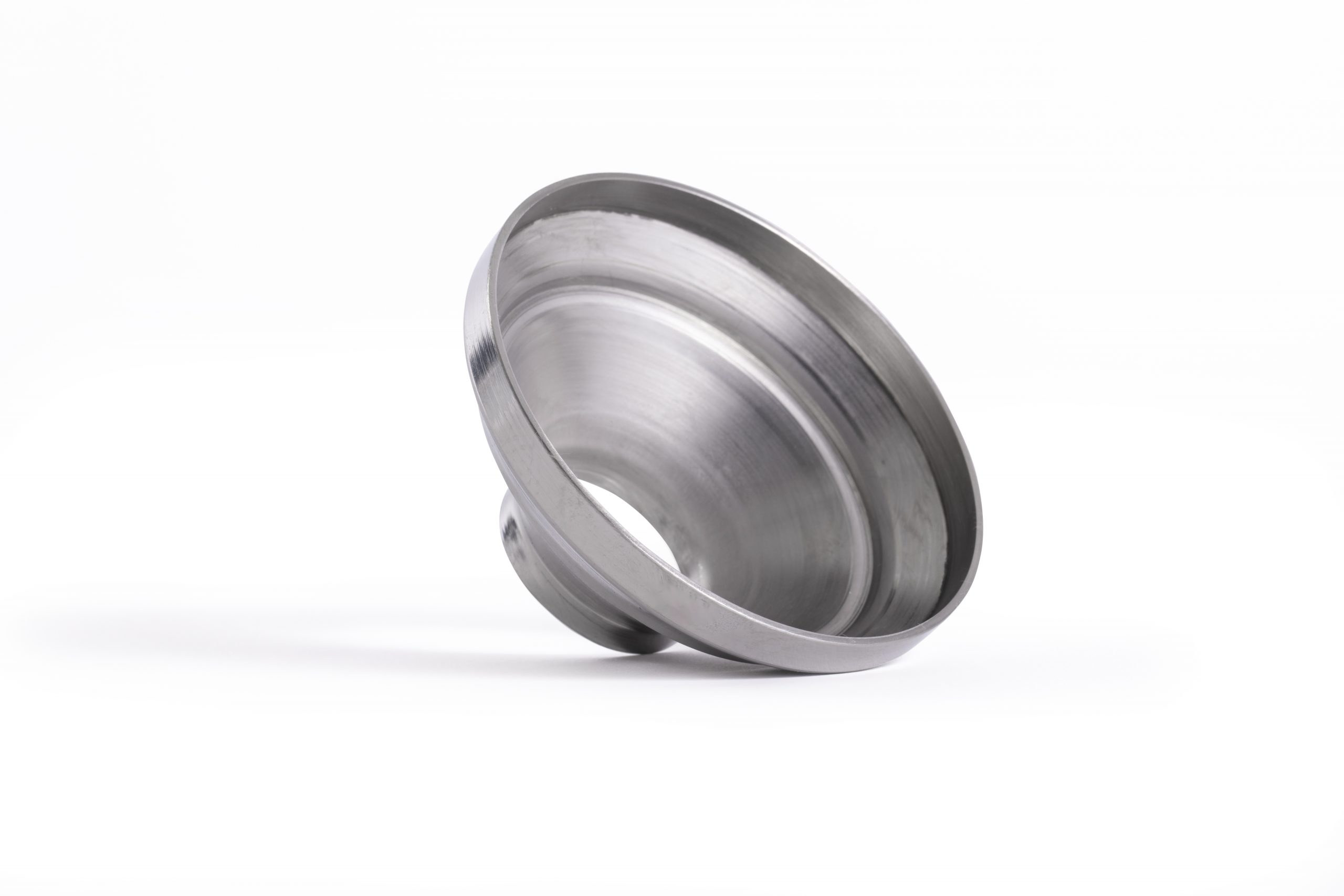 Bespoke Metal Spinning
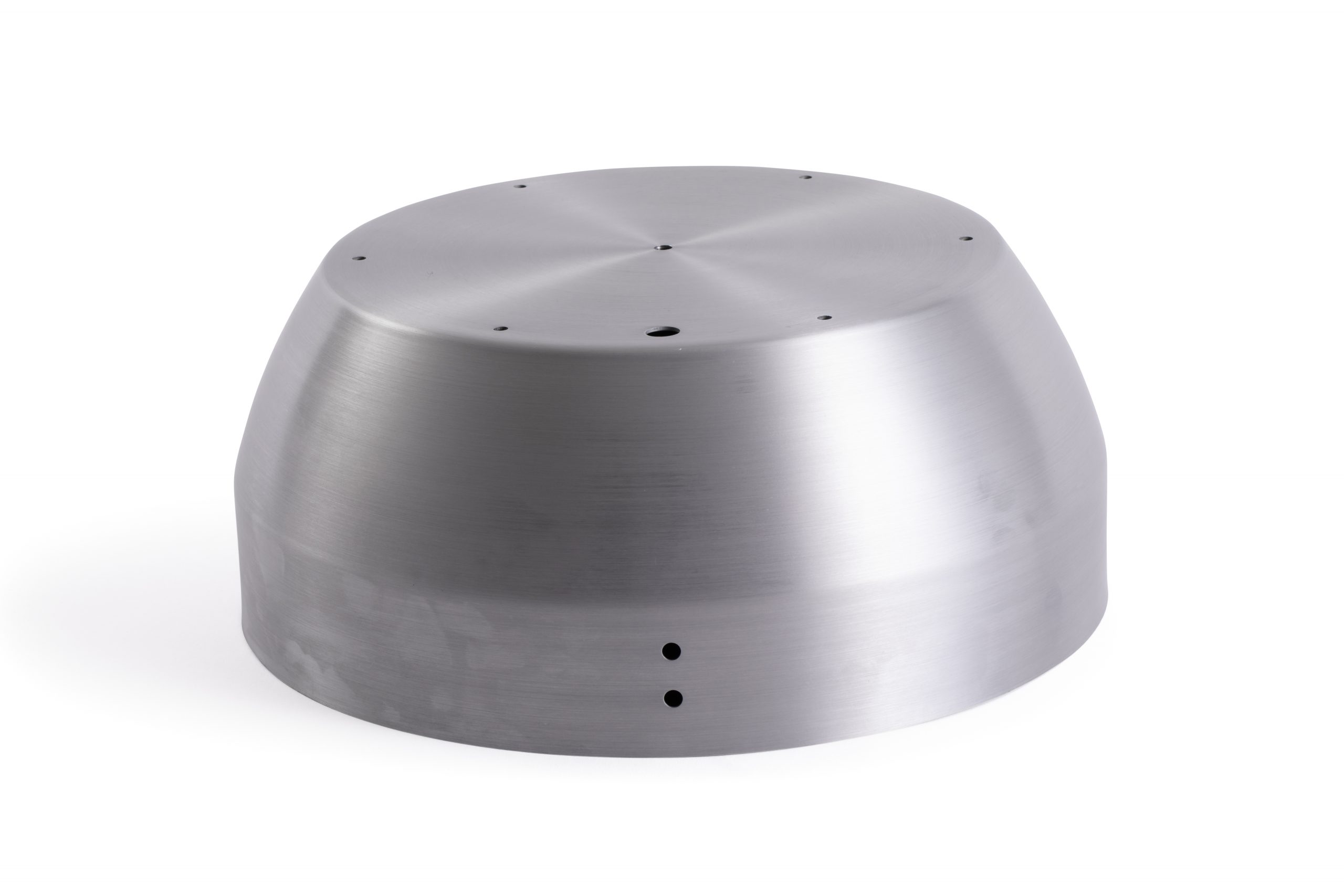 Metal Polishing
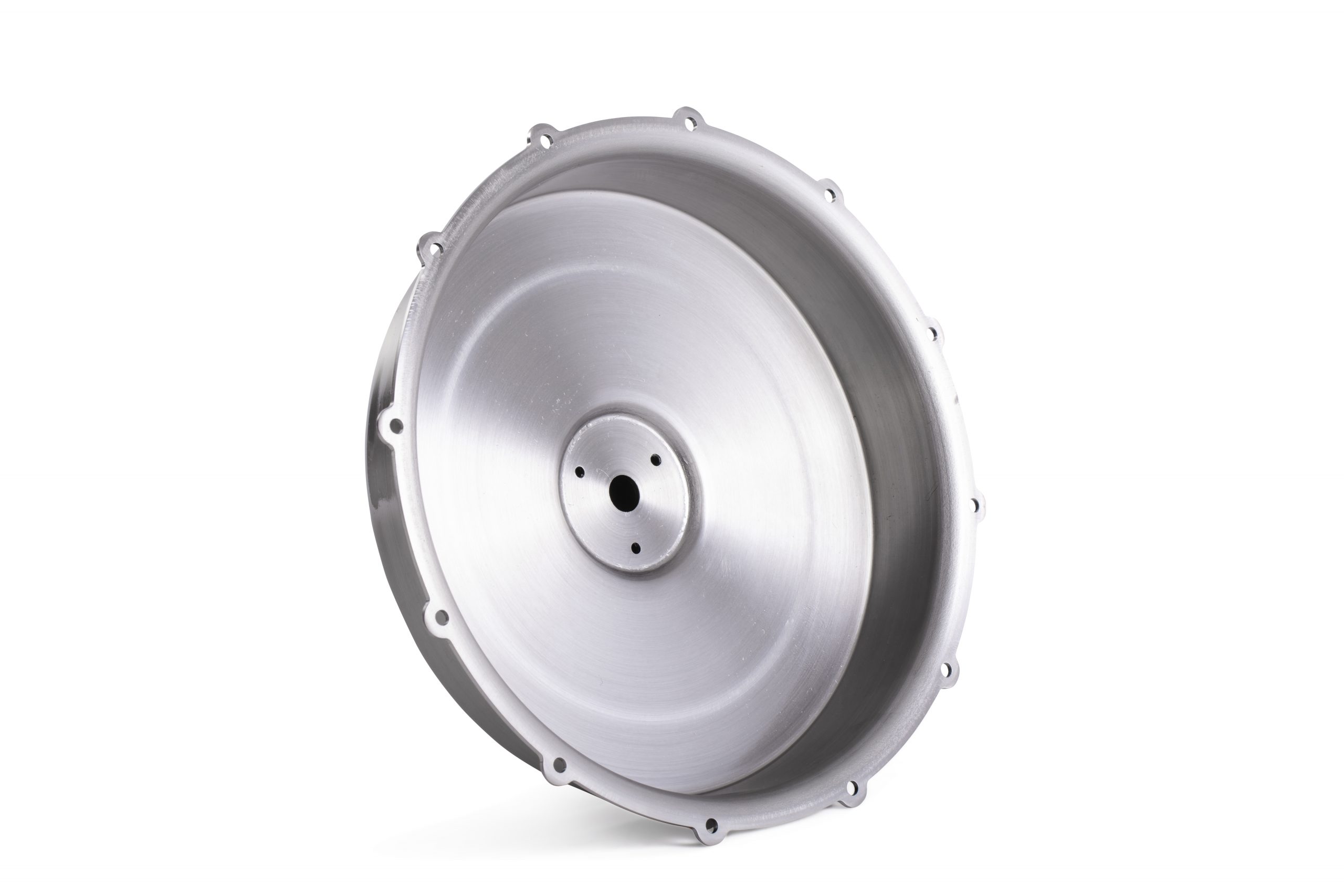 Machining
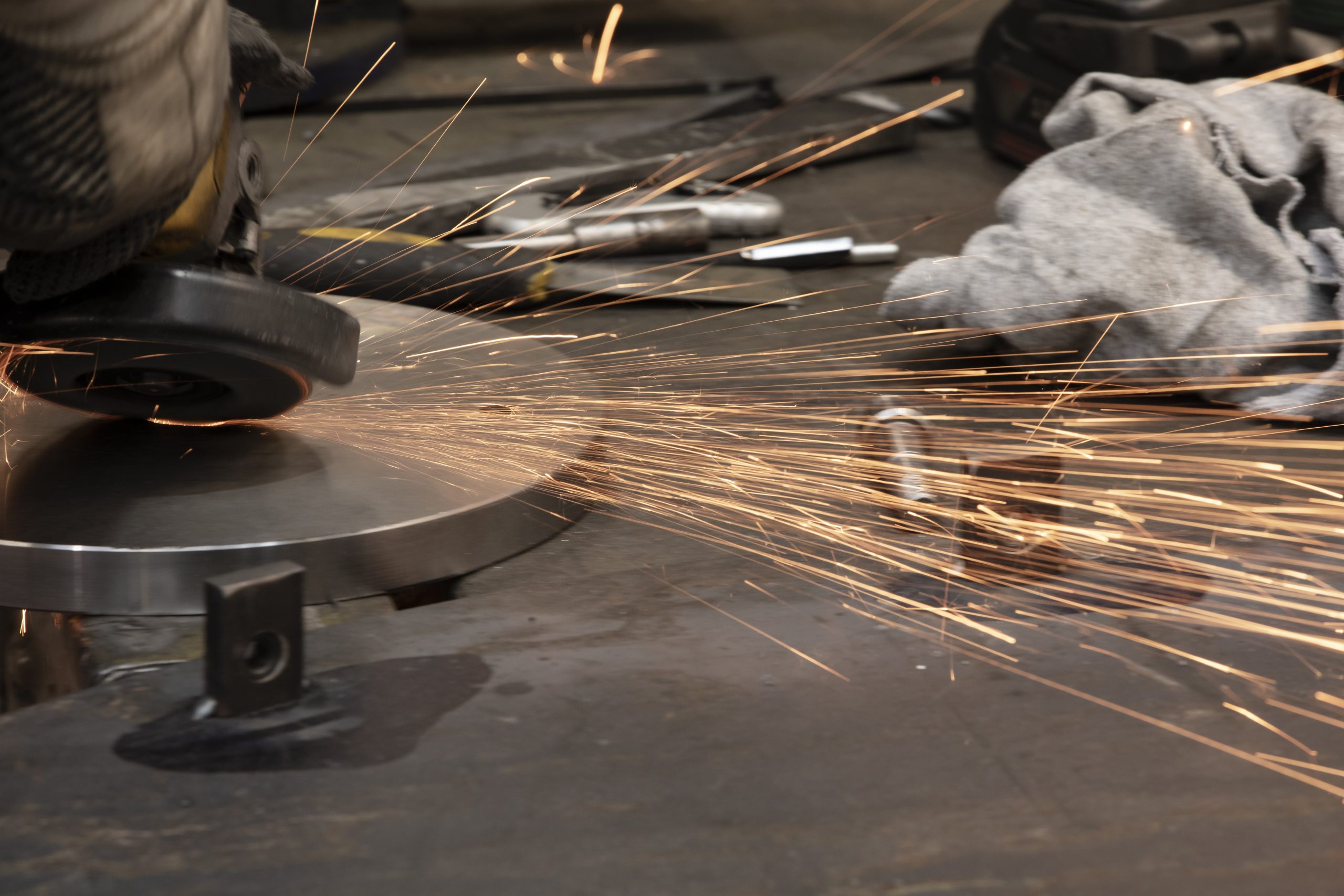 Metal Pressing
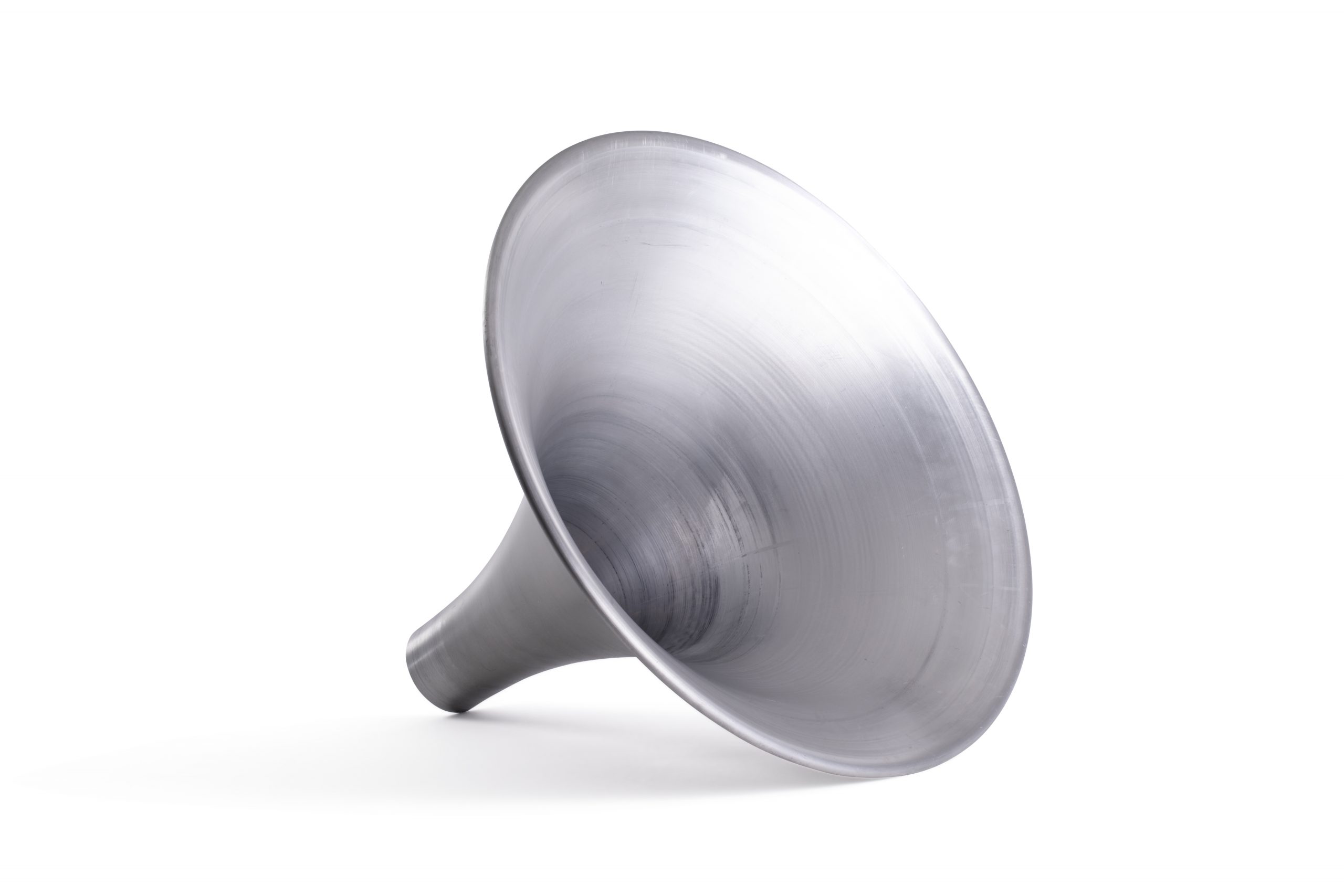 Metal Swaging
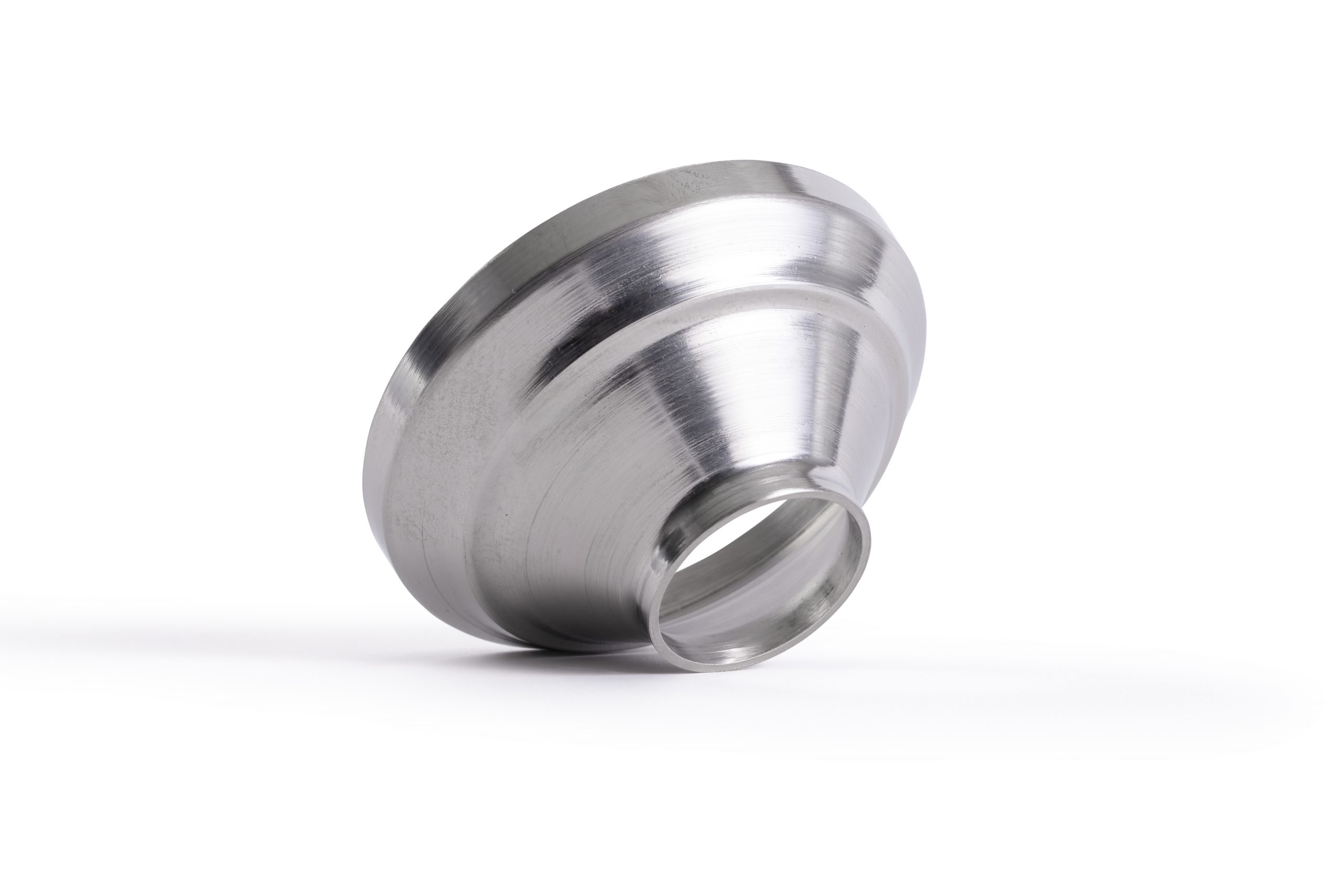 Metal Fabrication & Welding
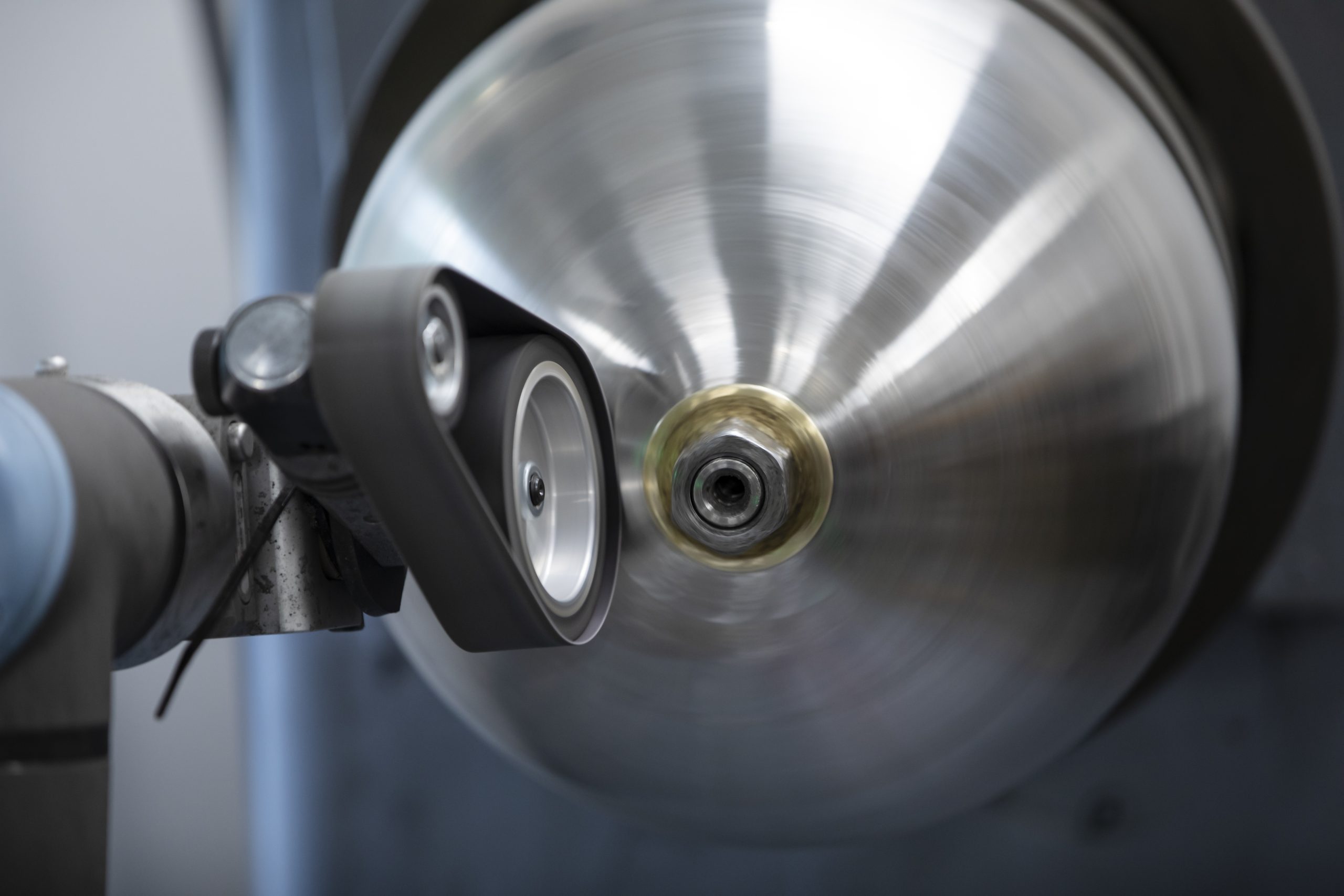 Precision Engineering
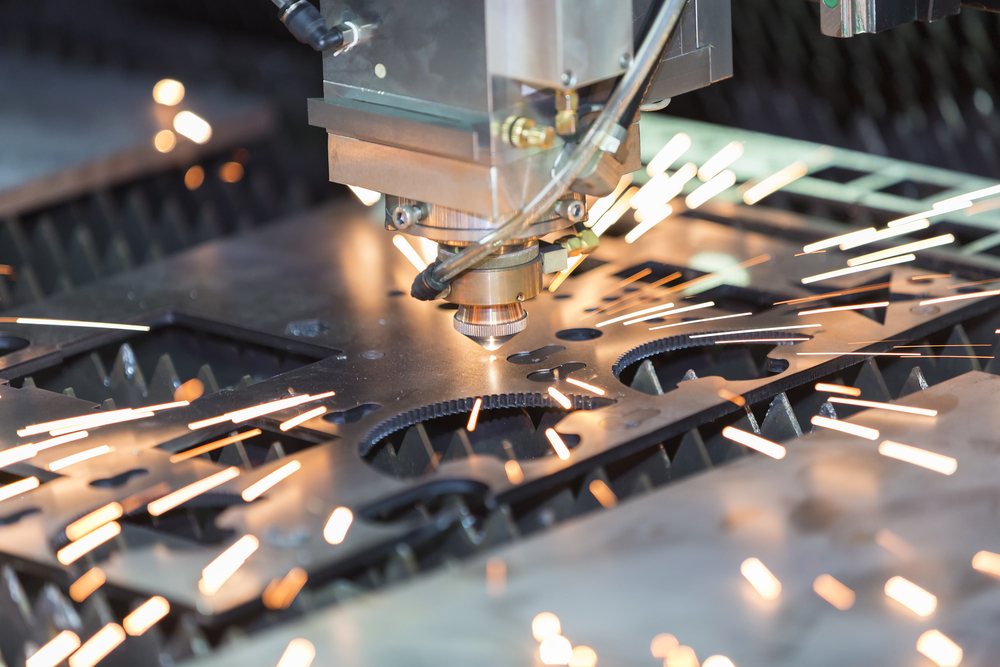 Laser Cutting
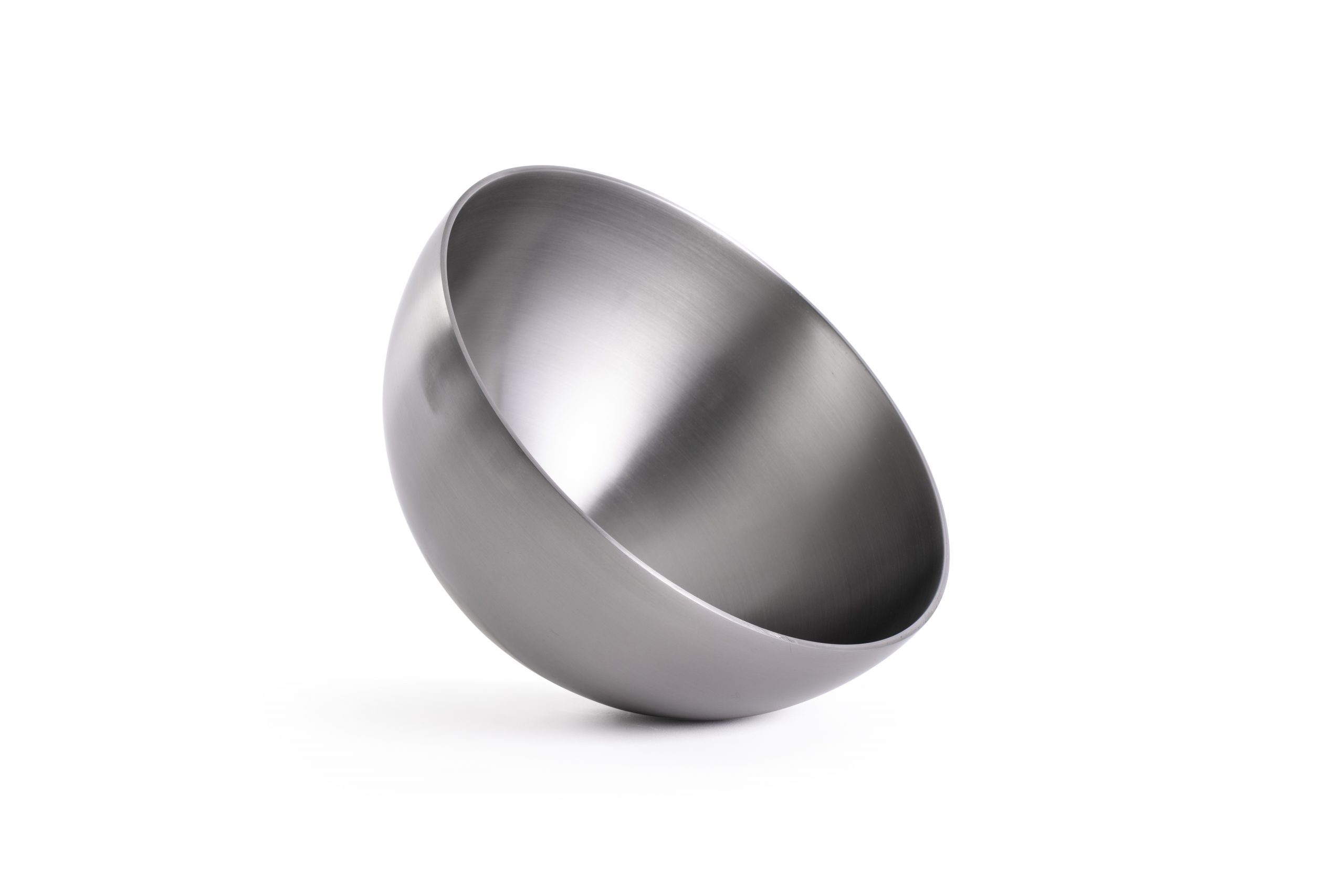 Inspection and Quality
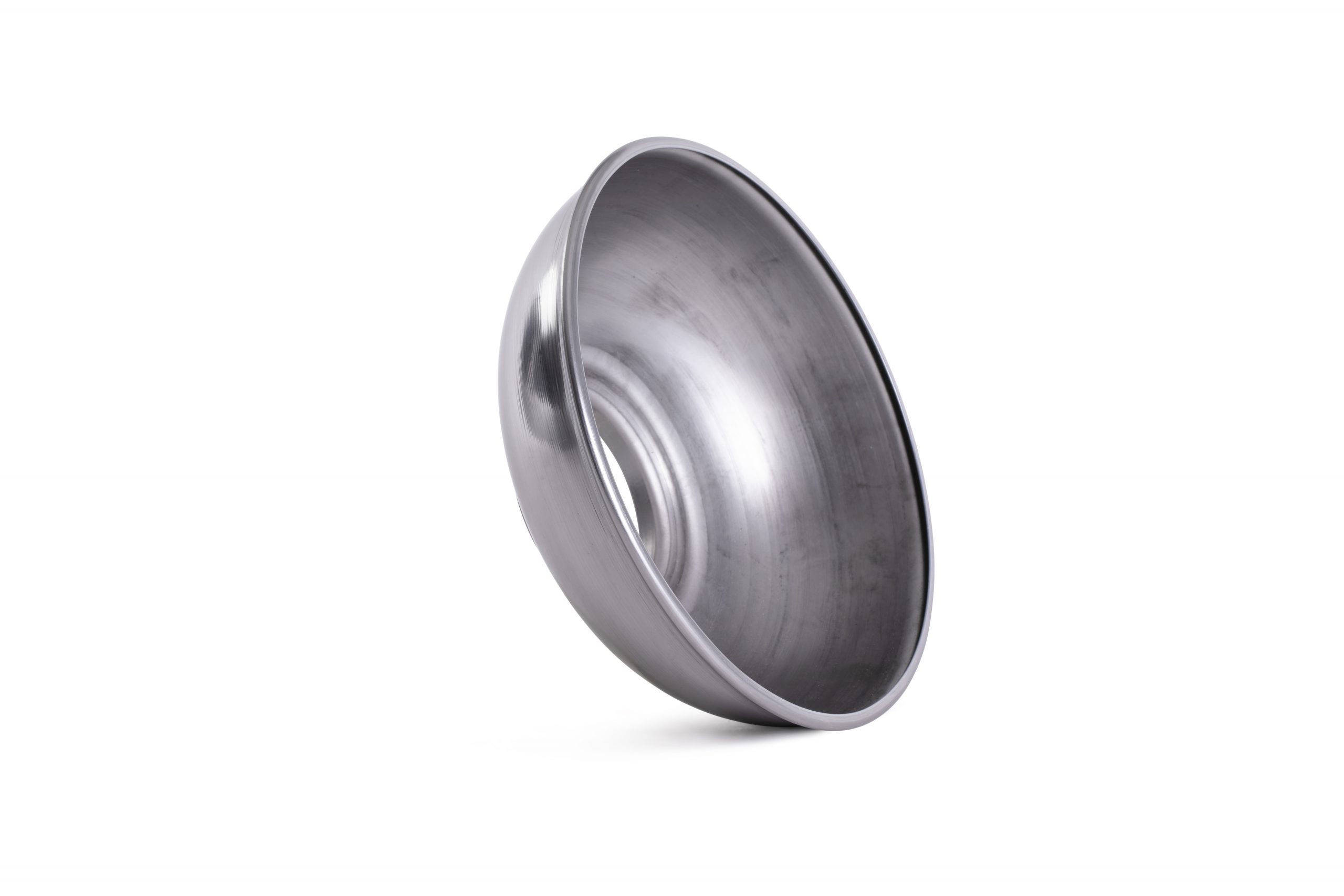 Anodising, Electropolishing and Pickling & Passivating
 Agriculture
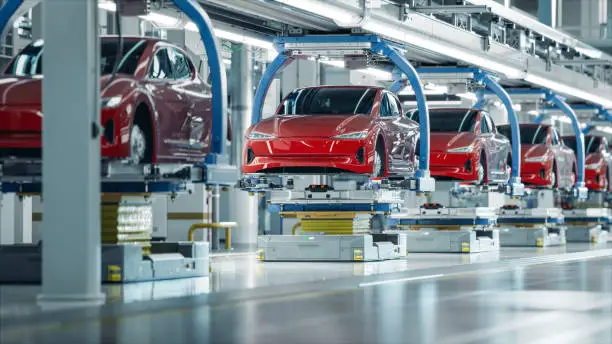 Automotive
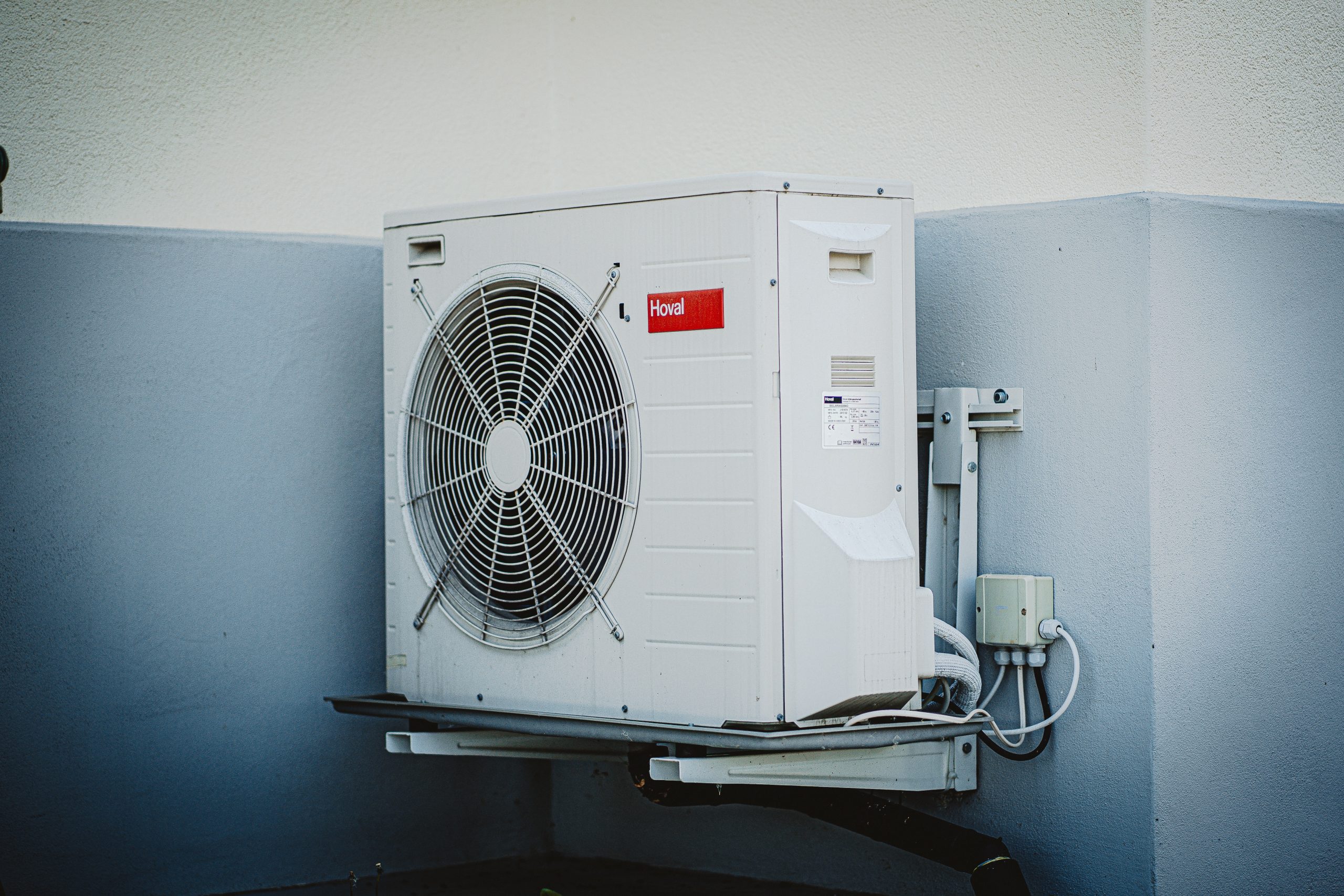 Air Movement
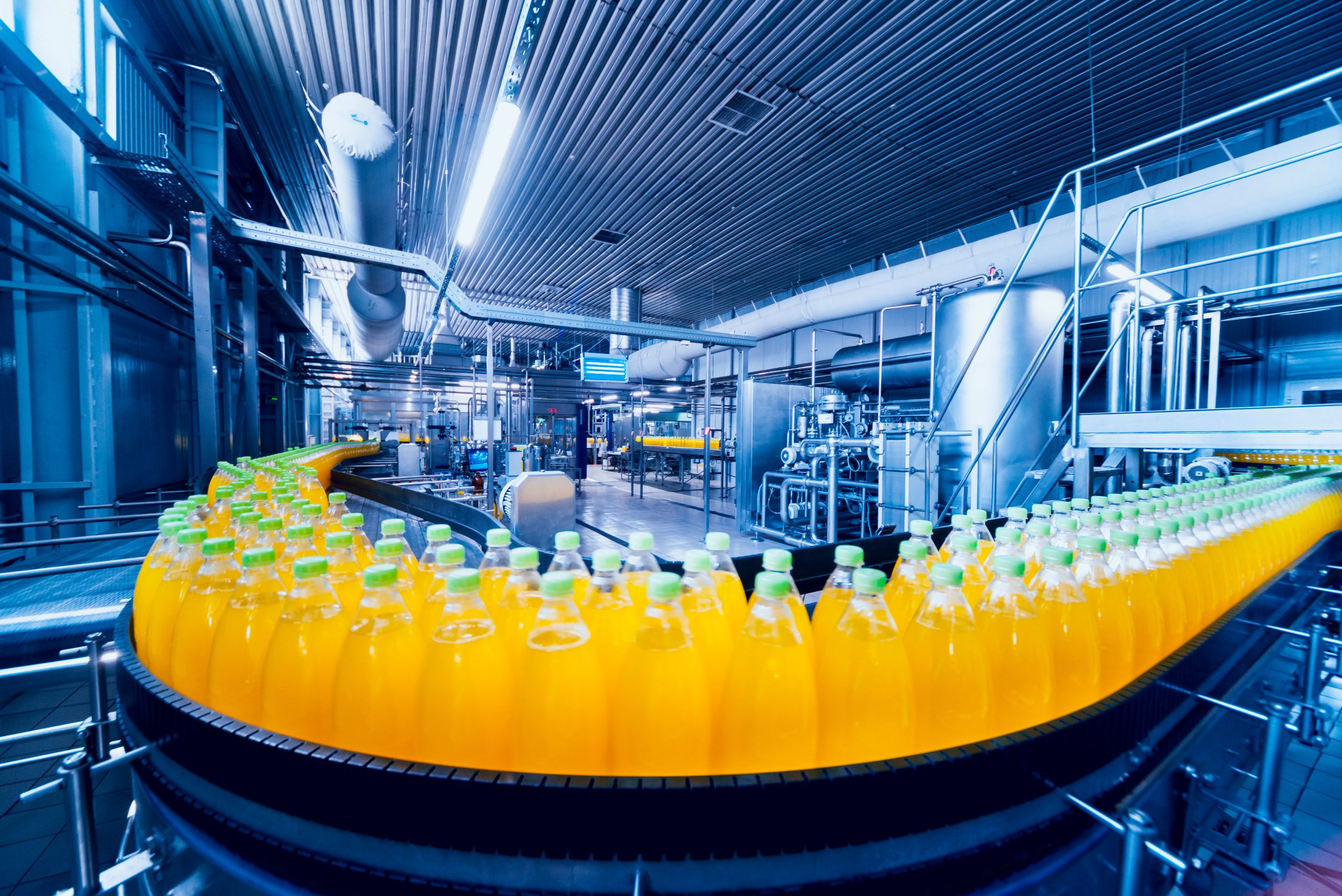 Food Industry
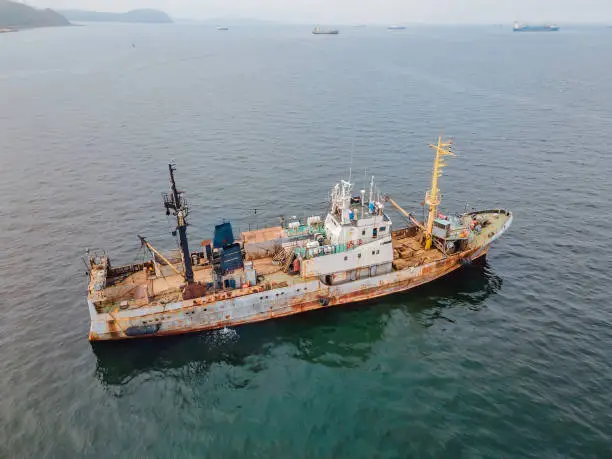 Marine
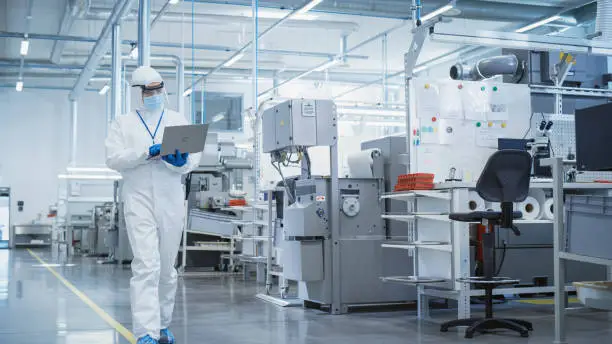 Medical and Cryogenic
 Playground
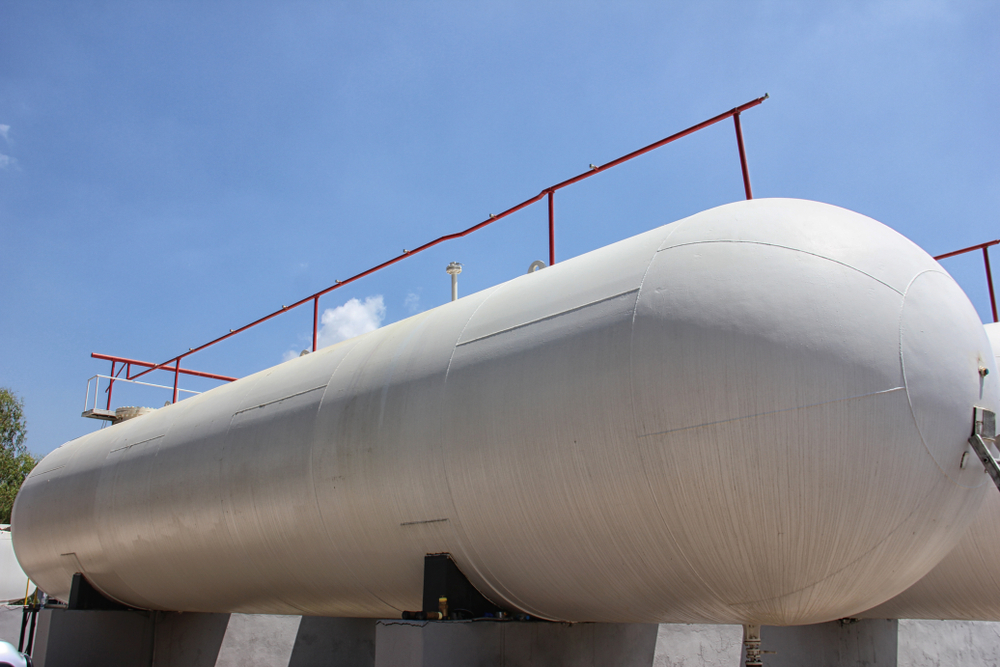 Pressure Vessels
 Renewable Energy
 Safety
Supply-Chain Resilience: Why UK Spinning Protects Against Global Sheet-Metal Shortages
< Blogs < Supply-Chain Resilience: Why UK Spinning Protects Against Global Sheet-Metal Shortages
In today’s interconnected yet increasingly fragile global economy, supply-chain disruptions have become a regular challenge for manufacturers. Sheet metal shortages — triggered by geopolitical tensions, fluctuating energy prices, shipping delays, trade tariffs, and surging demand from sectors like renewable energy and defence — continue to create headaches for businesses reliant on imported components. For UK manufacturers seeking stability, turning to domestic metal spinning offers a proven, flexible, and resilient solution. At Tanfield Metal Spinners, experts in metal forming since 1984, we help companies across diverse industries maintain production continuity and control costs even when global markets falter.
This comprehensive guide examines the vulnerabilities of global sheet-metal supply chains, the strategic advantages of UK-based metal spinning, detailed process benefits, real-world applications, and practical steps for strengthening your own supply resilience.
Understanding the Persistent Threat of Global Sheet-Metal Shortages
The sheet metal industry is deeply exposed to worldwide volatility. Key drivers of recent and ongoing shortages include:
- Geopolitical Factors: Conflicts, sanctions, and export restrictions (particularly affecting steel and aluminium from certain regions) create sudden gaps in availability.
- Energy and Raw Material Costs: High energy prices in Europe and Asia directly impact smelting and rolling operations, leading to reduced output and higher prices.
- Logistics Bottlenecks: Post-pandemic port congestion, container shortages, and Red Sea disruptions have extended lead times from months to indefinite delays.
- Demand Pressures: Rapid growth in electric vehicles, wind turbines, construction, and infrastructure projects has outstripped supply in multiple metals.
- Quality and Certification Risks: Overseas sourcing can introduce inconsistencies in material grades, traceability, and compliance with UK/EU standards such as REACH or specific industry certifications.
For companies requiring pressed, spun, fabricated, or machined metal parts, these issues result in halted assembly lines, inflated costs, renegotiated contracts, and damaged customer relationships. In extreme cases, businesses have faced weeks or months of downtime. Domestic alternatives like UK metal spinning help break this cycle of dependency.
What Is Metal Spinning and Why Is It Ideal for Resilience?
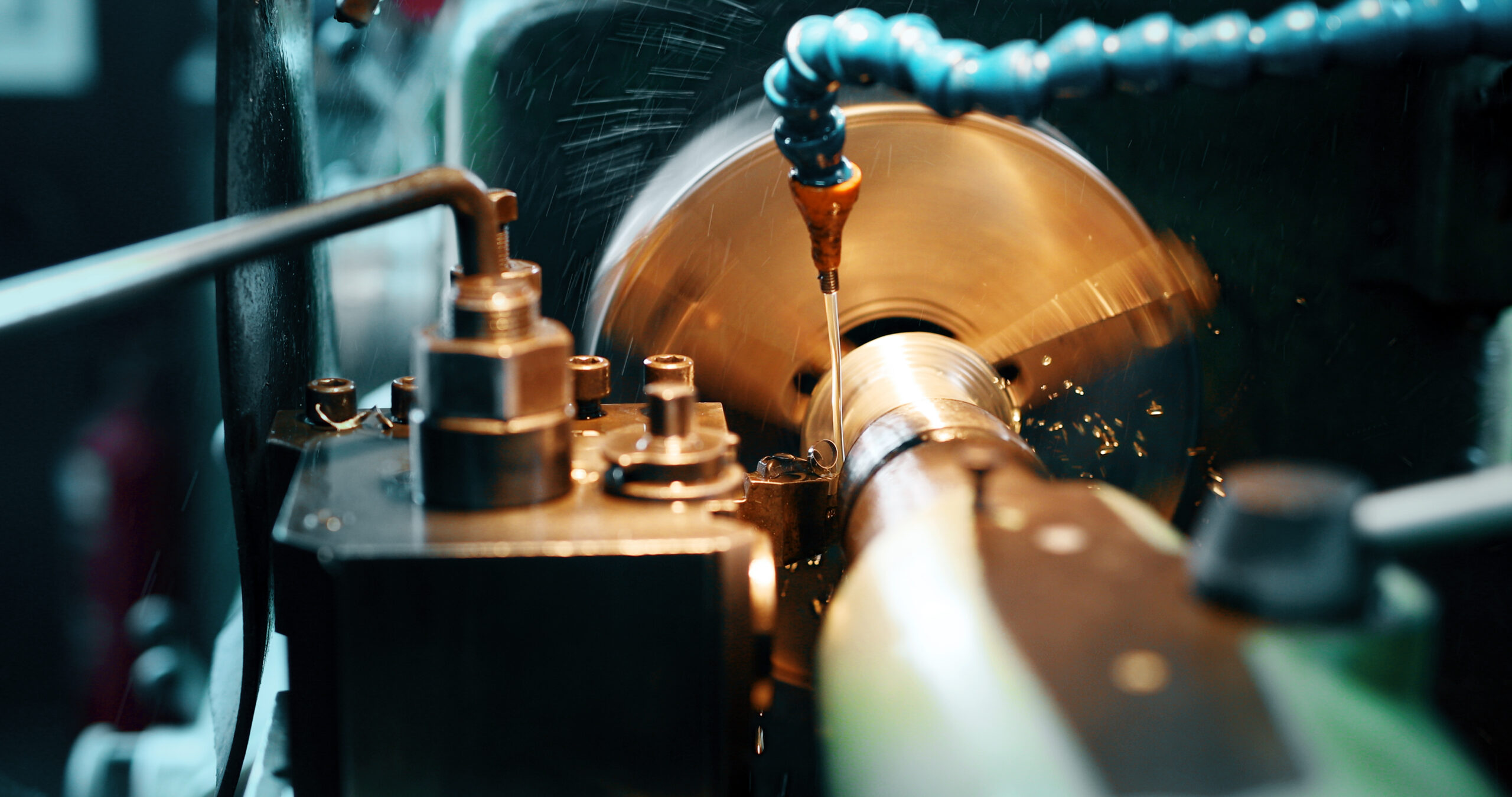
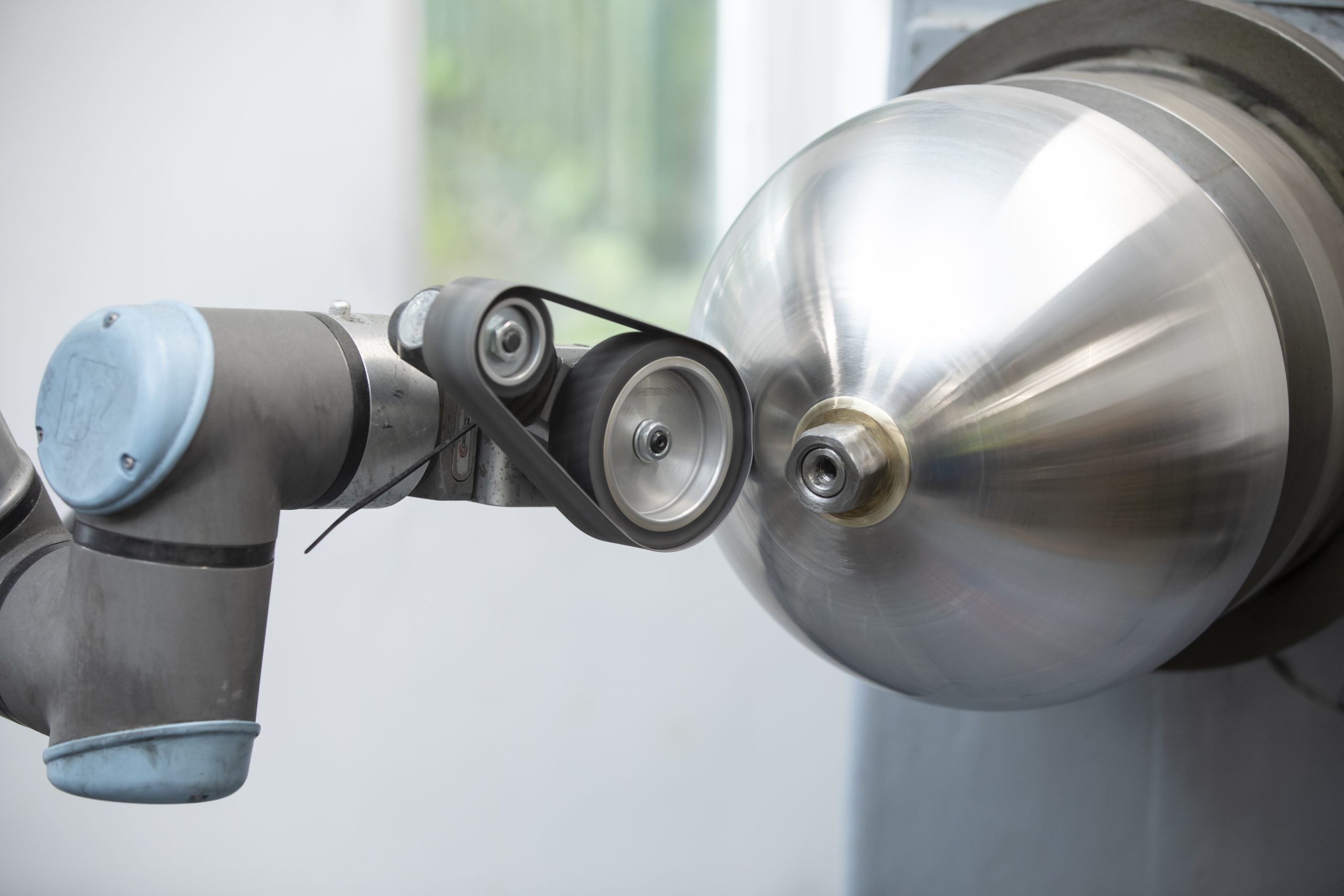
Metal spinning, also known as spin forming or spin turning, is a highly efficient metal-forming process. It involves rotating a flat metal disc (blank) at high speed on a lathe while a forming roller or tool gradually shapes it over a mandrel into the desired geometry — typically cylindrical, conical, hemispherical, or complex symmetrical shapes.
Unlike traditional stamping or deep drawing, which often require costly dedicated tooling and long setup times, metal spinning is remarkably flexible:
- Low initial tooling investment.
- Rapid prototyping and design iterations.
- Suitability for both low- and high-volume production.
- Excellent material utilisation with minimal waste.
At Tanfield Metal Spinners, our fully automated spinning lathes, combined with extensive in-house capabilities, allow us to produce components up to 2.4 metres in diameter and 10mm thick (with partnerships for larger requirements). This versatility makes spinning a powerful tool for building supply-chain resilience.
Core Advantages of Partnering with a UK Metal Spinner
1. Dramatically Reduced Lead Times and Predictability
Global supply chains can take 12–20+ weeks during shortages. In contrast, Tanfield typically achieves 3–4 week lead times (tooling dependent). Our large existing tooling library — the most extensive in the UK — eliminates many delays associated with new tool fabrication. When sheet metal becomes scarce, we can quickly pivot to available UK or EU-sourced stock.
2. Exceptional Flexibility in Uncertain Markets
Spinning excels in volatile environments. We can:
- Produce small batches economically.
- Modify designs rapidly without massive retooling costs.
- Switch between materials (aluminium, stainless steel, carbon steel, copper, brass, titanium, duplex, Hastelloy, and more) as availability changes.
- Scale production up or down in response to demand fluctuations.
This adaptability has proven invaluable for clients facing sudden raw material constraints.
3. Full Traceability, Quality, and Compliance
As a 100% British manufacturer with ISO 9001 accreditation, we maintain complete material traceability. All relevant certifications are supplied automatically. Our AQL inspection standards and in-house quality processes ensure parts meet exacting specifications — critical for pressure vessels, safety equipment, food industry components, and renewable energy applications.
4. One-Stop Engineering Solutions
Tanfield offers a comprehensive suite of complementary services, reducing the number of suppliers you need to manage:
- Bespoke metal spinning.
- Heavy-duty metal pressing (up to 350 tons).
- CNC/PNC machining.
- Fabrication and welding.
- Metal swaging for rods and wires.
- Laser cutting.
- Surface finishing: polishing, anodising, electropolishing, pickling & passivating.
This vertical integration streamlines procurement and shortens the overall supply chain.
5. Cost Stability and Competitive Pricing
By avoiding international freight, currency volatility, import duties, and intermediary mark-ups, UK spinning often delivers better lifetime value. Our competitive approach, large-scale automation, and focus on efficiency help stabilise costs even when global sheet metal prices spike.
6. Sustainability and ESG Benefits
Shorter supply chains significantly lower carbon emissions. Local sourcing supports UK jobs and aligns with growing corporate and government emphasis on responsible, low-carbon manufacturing.
Technical Edge: How Spinning Delivers Performance
Metal spinning produces parts with excellent structural integrity, uniform wall thickness, and superior surface finish compared to some alternative methods. Key technical benefits include:
- Work hardening during the process, which can enhance material strength.
- Ability to form complex shapes in a single operation.
- Minimal material thinning when properly tooled.
- Suitability for high-strength alloys difficult to form by other means.
Our engineers collaborate closely with clients — providing free initial drawings where needed — to optimise designs for both performance and manufacturability, often reducing part count or weight while maintaining strength.
Industry Applications and Success Stories
Tanfield serves a wide range of sectors where supply reliability is paramount:
- Renewable Energy: Spun components for wind turbines, solar mounting systems, and biomass equipment benefit from rapid UK production during global material crunches.
- Agriculture and Food Industry: Durable, hygienic spun parts for machinery and processing equipment.
- Air Movement and HVAC: Fans, housings, and ducting components produced with short lead times.
- Pressure Vessels and Safety Equipment: High-integrity spun ends and vessels meeting stringent certification needs.
- Playground and Leisure: Robust, aesthetically pleasing structures.
Clients frequently report that switching to or strengthening partnerships with UK spinners has eliminated import-related delays and reduced overall project risk. One renewable energy manufacturer avoided a six-week production stoppage during a major aluminium shortage by leveraging our flexible tooling and material expertise.
Building Long-Term Supply-Chain Resilience: Practical Steps
1. Audit Current Vulnerabilities: Map your sheet-metal dependent components and assess exposure to global risks.
2. Engage UK Specialists Early: Involve partners like Tanfield during design phases for optimised, locally producible solutions.
3. Diversify and Dual-Source Strategically: Maintain domestic options alongside international suppliers.
4. Invest in Design for Manufacturability: Simplify parts where possible to take full advantage of spinning efficiencies.
5. Develop Strong Partnerships: Choose suppliers with deep technical capability, transparent communication, and proven reliability.
6. Plan for Contingencies: Build buffer stocks of critical spun components and maintain open dialogue on material alternatives.
The Future Outlook: UK Manufacturing Renaissance
As the UK continues to emphasise industrial strategy, innovation, and net-zero goals, domestic metal spinning is well-positioned to play a growing role. Advances in automation, CNC controls, and material science further enhance the competitiveness of UK spinners. Companies that invest in resilient, local supply chains today will be better prepared for tomorrow’s uncertainties.
Tanfield Metal Spinners remains committed to this vision — investing annually in tooling, automation, and team expertise while maintaining the flexibility and responsiveness that have defined our reputation since 1984.
Secure Your Production Future with Tanfield Metal Spinners
Global sheet-metal shortages are likely to remain a recurring challenge. By partnering with a trusted UK metal spinning specialist, you gain agility, reliability, quality, and peace of mind.
Whether you require standard or highly bespoke components, prototype development, or full production runs, Tanfield delivers solutions that protect your supply chain and support your business goals.
Get in Touch Today. Request a quotation or speak with our expert team. No drawing? We’ll provide one free of charge. Experience the Tanfield difference — flexible, responsive, and proudly British metal spinning that keeps your projects moving forward.
< Blogs < Supply-Chain Resilience: Why UK Spinning Protects Against Global Sheet-Metal Shortages
More Blogs