 Metal Spinning
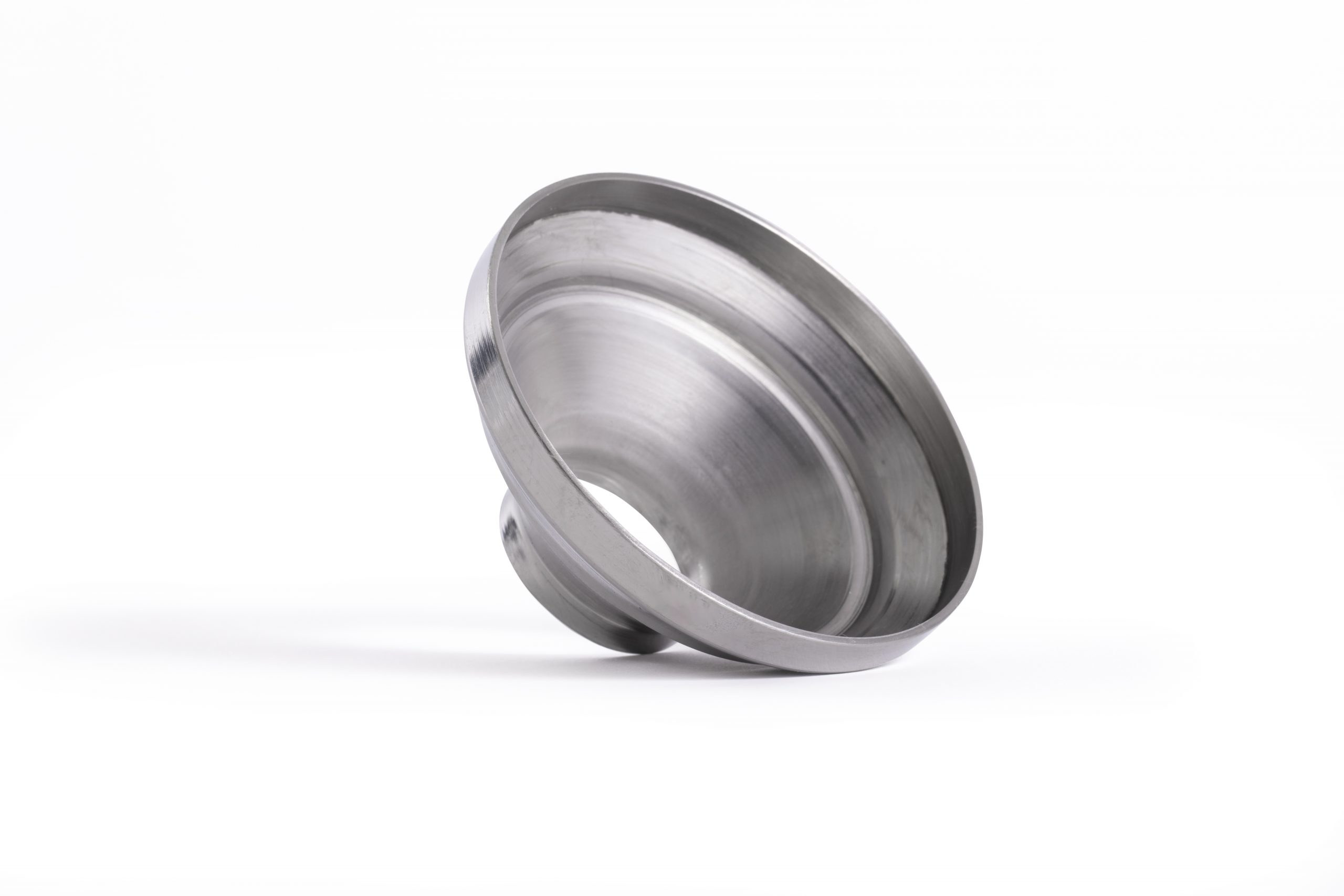 Bespoke Metal Spinning
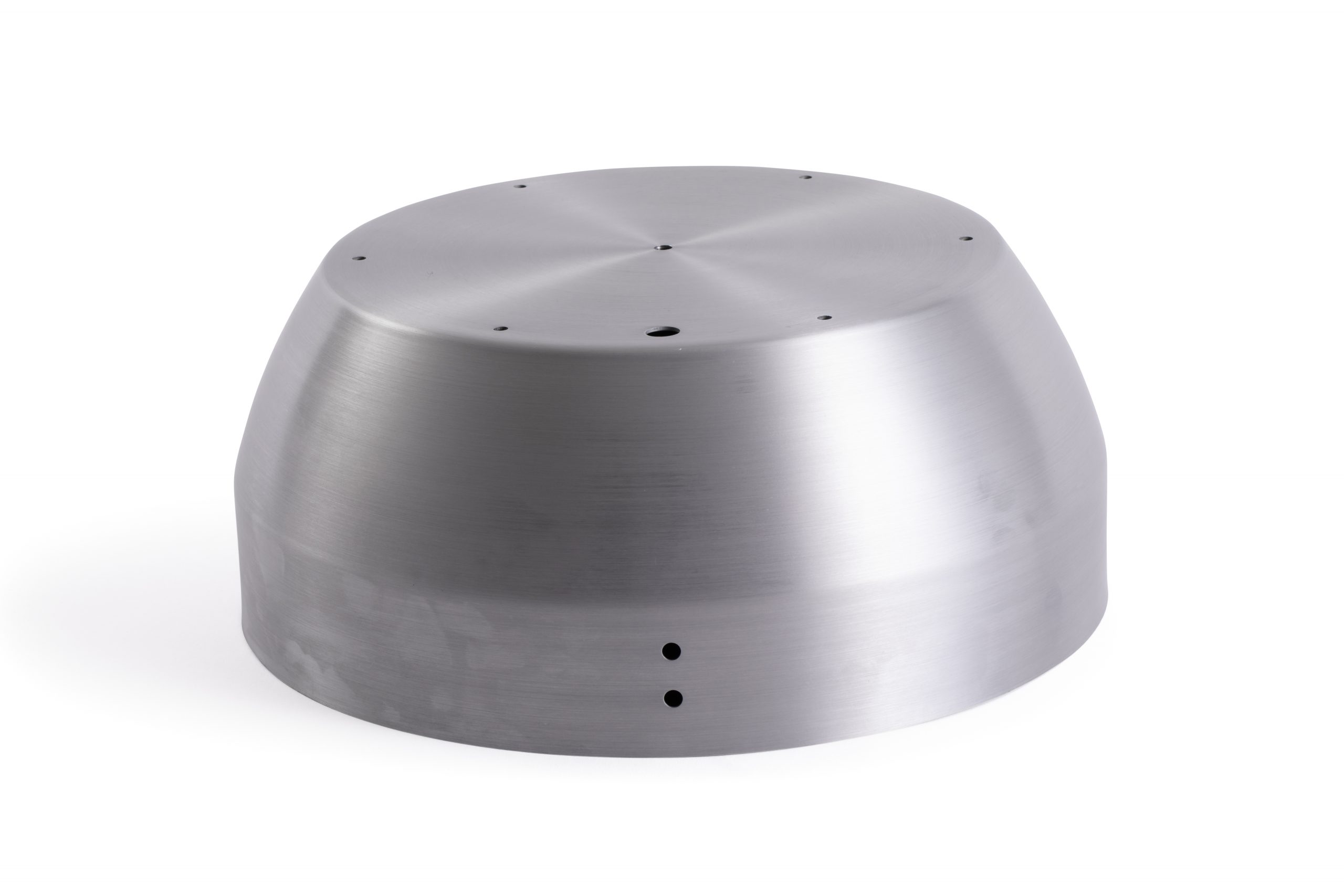 Metal Polishing
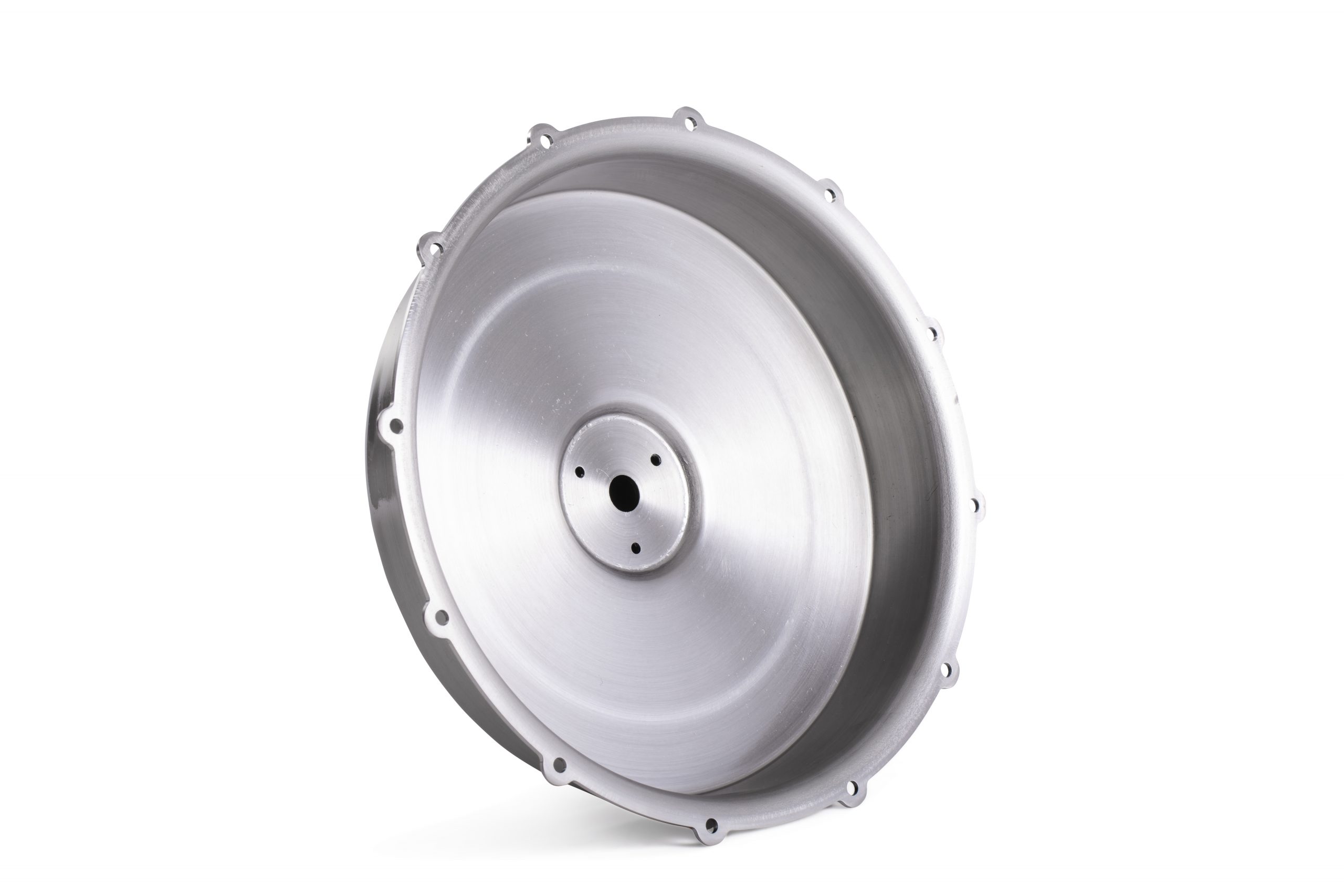 Machining
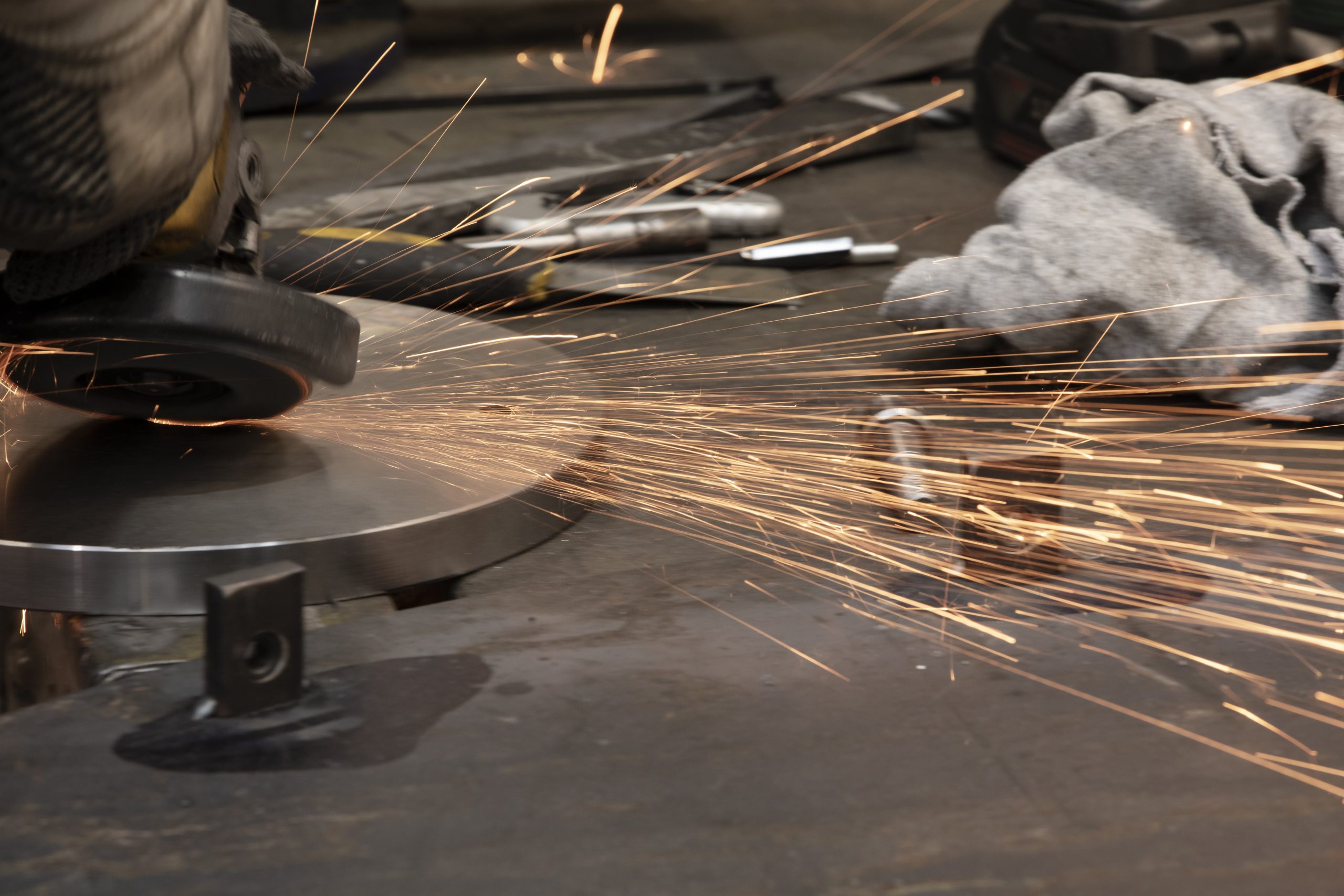 Metal Pressing
 Metal Swaging
 Metal Fabrication & Welding
 Precision Engineering
 Laser Cutting
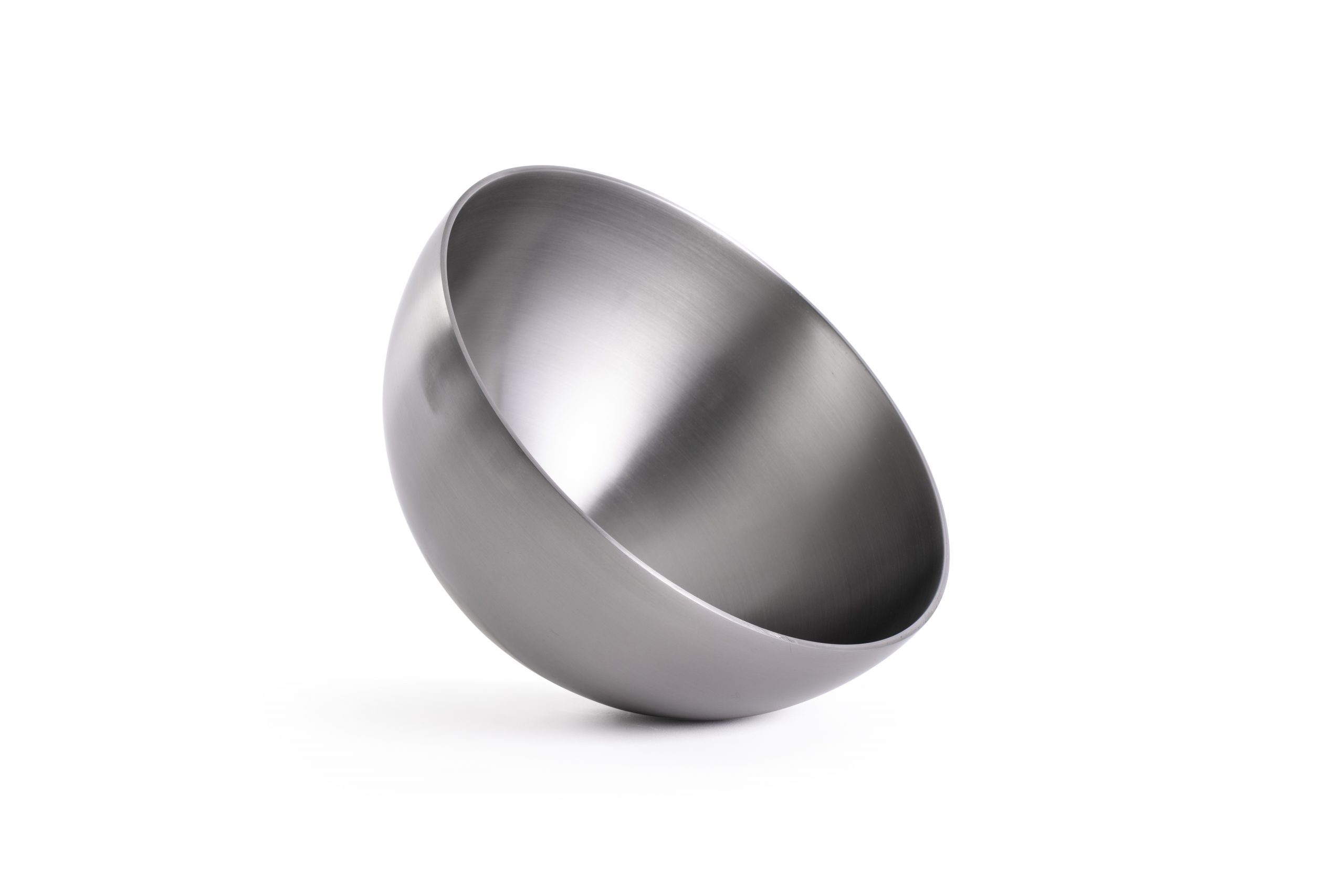 Inspection and Quality
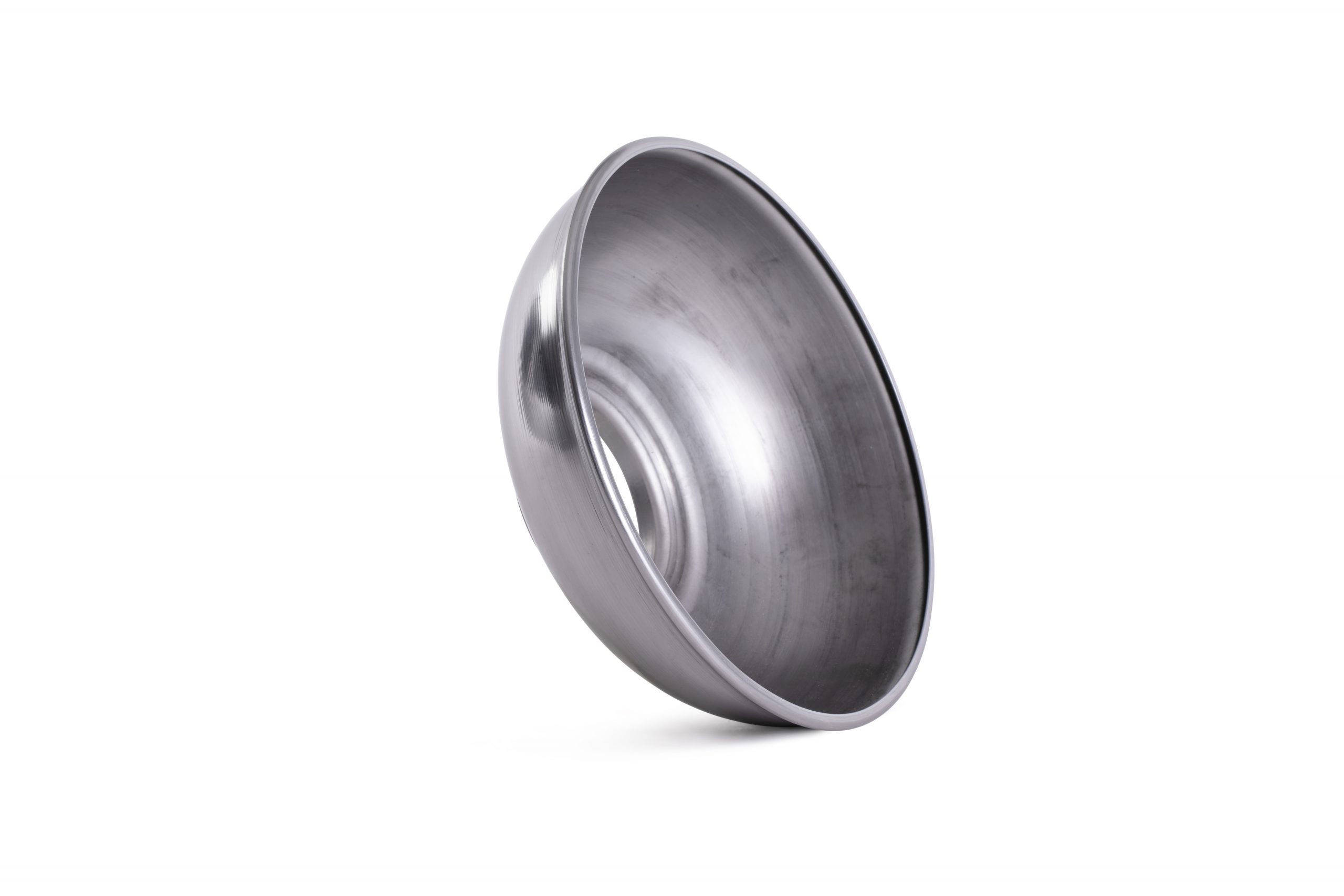 Anodising, Electropolishing and Pickling & Passivating
 Agriculture
 Automotive
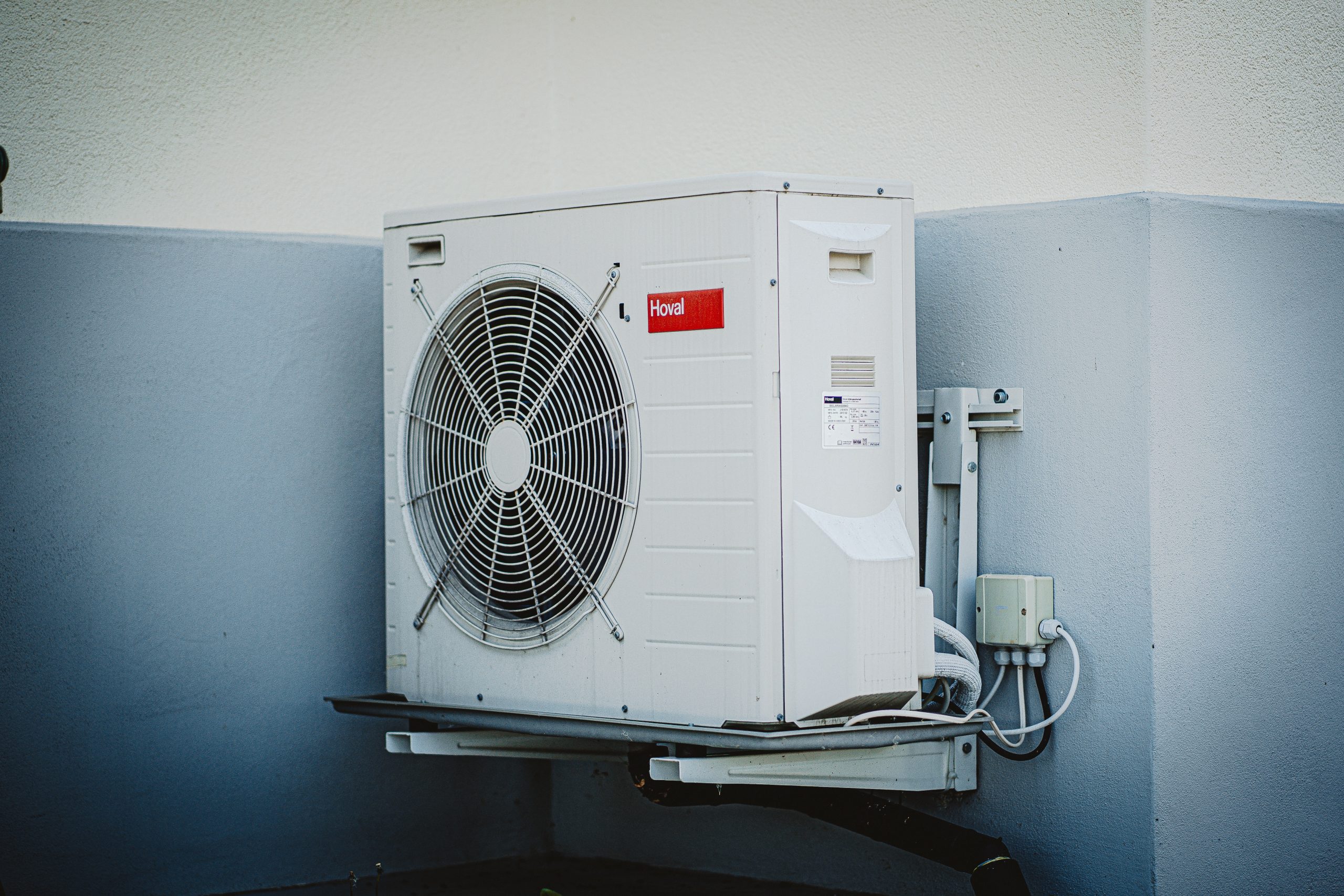 Air Movement
 Food Industry
 Marine
 Medical and Cryogenic
 Playground
 Pressure Vessels
 Renewable Energy
 Safety
Spun Metal Products & Parts: A Guide to Metal Spun Products and Domes
< Blogs < Spun Metal Products & Parts: A Guide to Metal Spun Products and Domes
If you specify circular, conical or hemispherical components, spun metal products are often the most economical way to get a seamless part with controlled wall thickness and a short lead time. A flat disc is formed over a rotating tool until it becomes a dish, dome, cone, cover or tank head, without the dedicated press tools that deep drawing demands.
This guide explains what spun metal parts are, how metal spinning products are made, where spun metal domes sit among other metal spun products, and how to specify them so they arrive ready to weld, polish or assemble.
What spun metal products and parts are
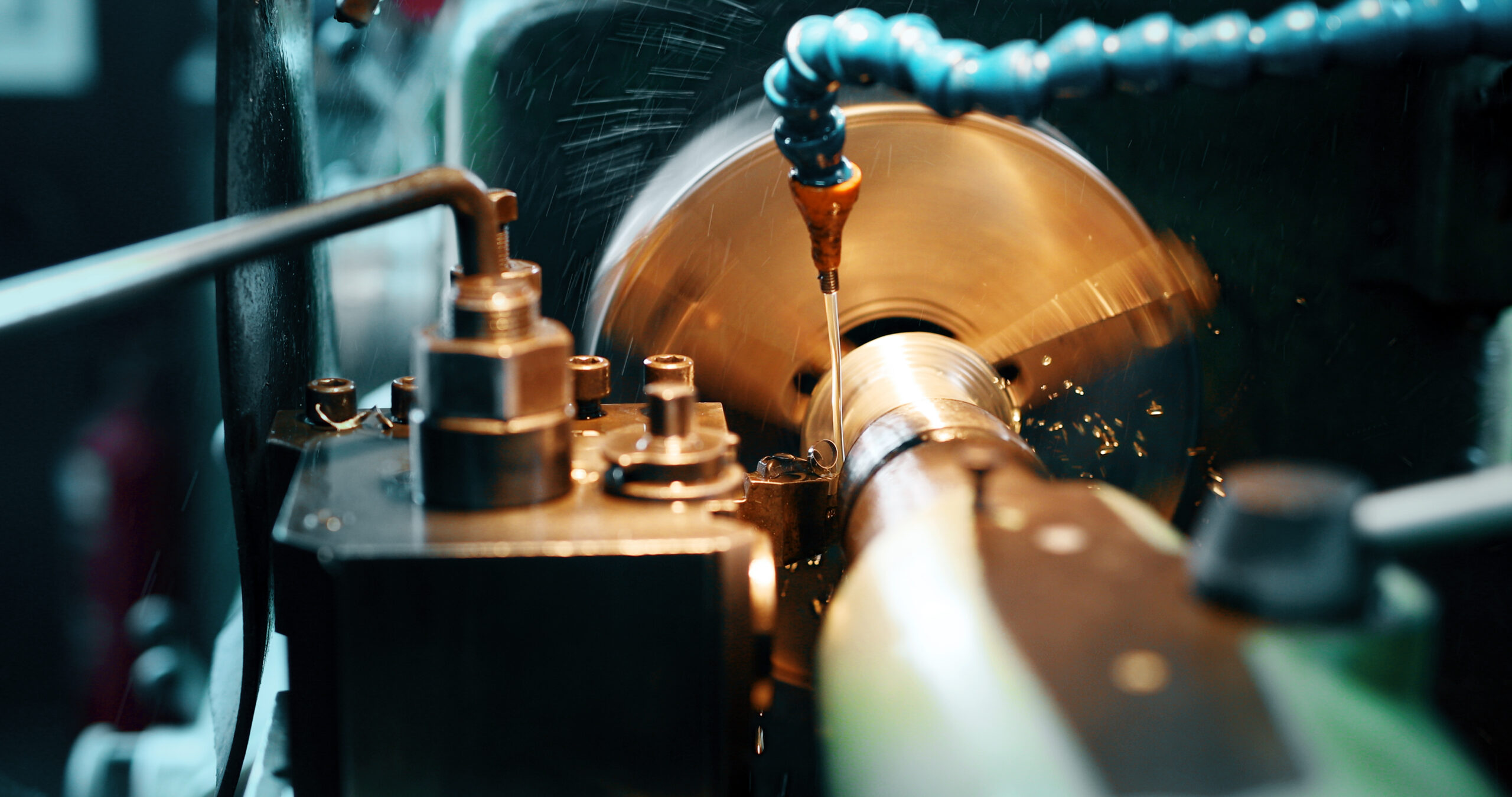
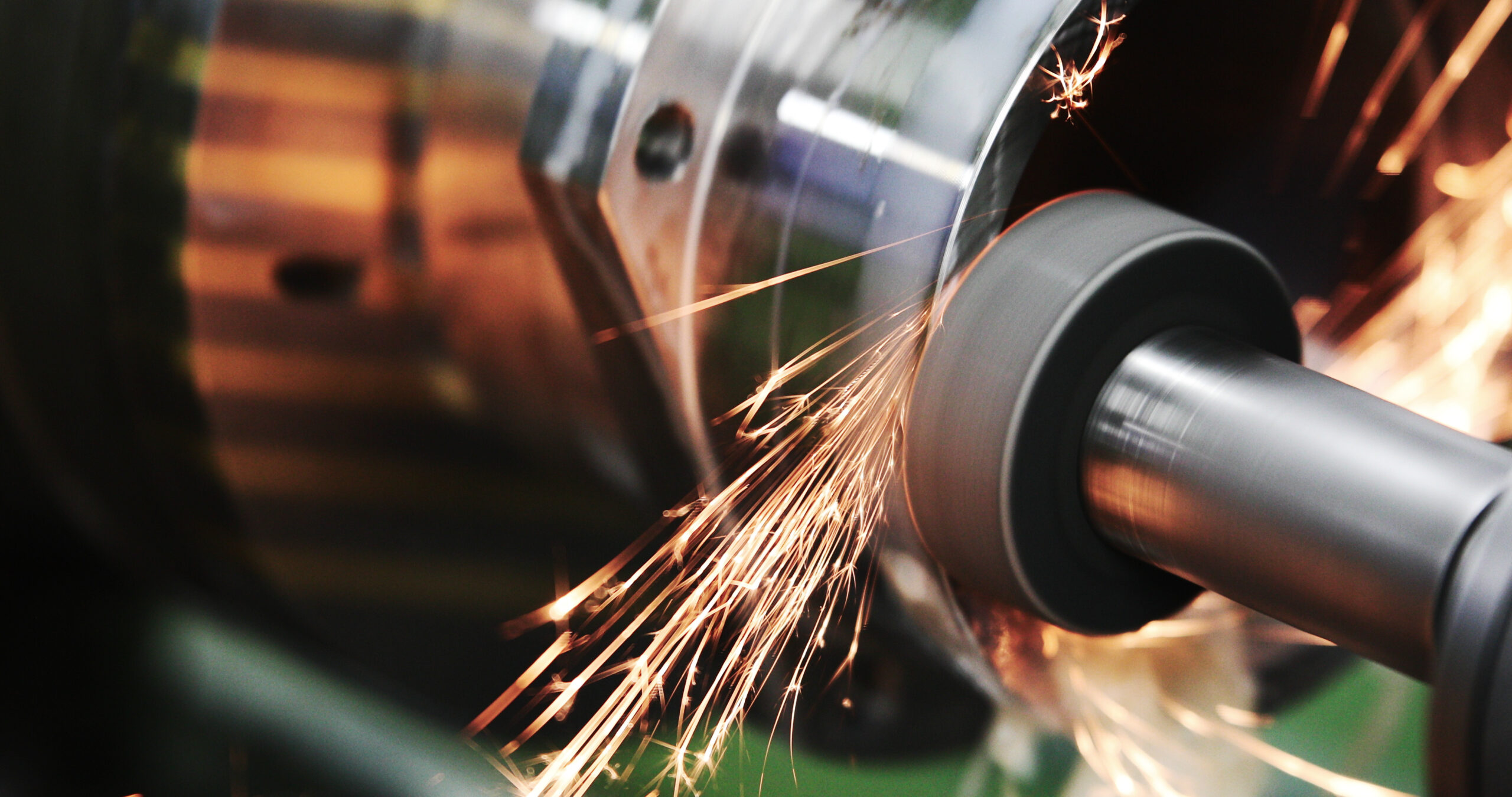
Spun metal products are axially symmetrical components formed from sheet or plate. The starting blank is clamped against a mandrel and rotated. A forming roller works the metal onto the tool in a series of passes. Nothing is cut away. The metal stretches and compresses into the finished shape.
That is why metal spun products are a natural fit for:
- Dished ends and tank heads
- Hemispheres and spun metal domes
- Cones, reducers and funnels
- Covers, lids, bowls and housings
- Lighting reflectors and air-movement components
- Pressure-vessel and storage-tank closures
The same process covers one-off prototypes, small batches and repeat production. Tooling is a mandrel and rollers rather than a full draw-die set, so a design change does not usually mean a new tool from scratch.
How metal spinning products are made
The process looks simple. The skill is in keeping wall thickness even, avoiding wrinkles and holding the profile the drawing asked for.
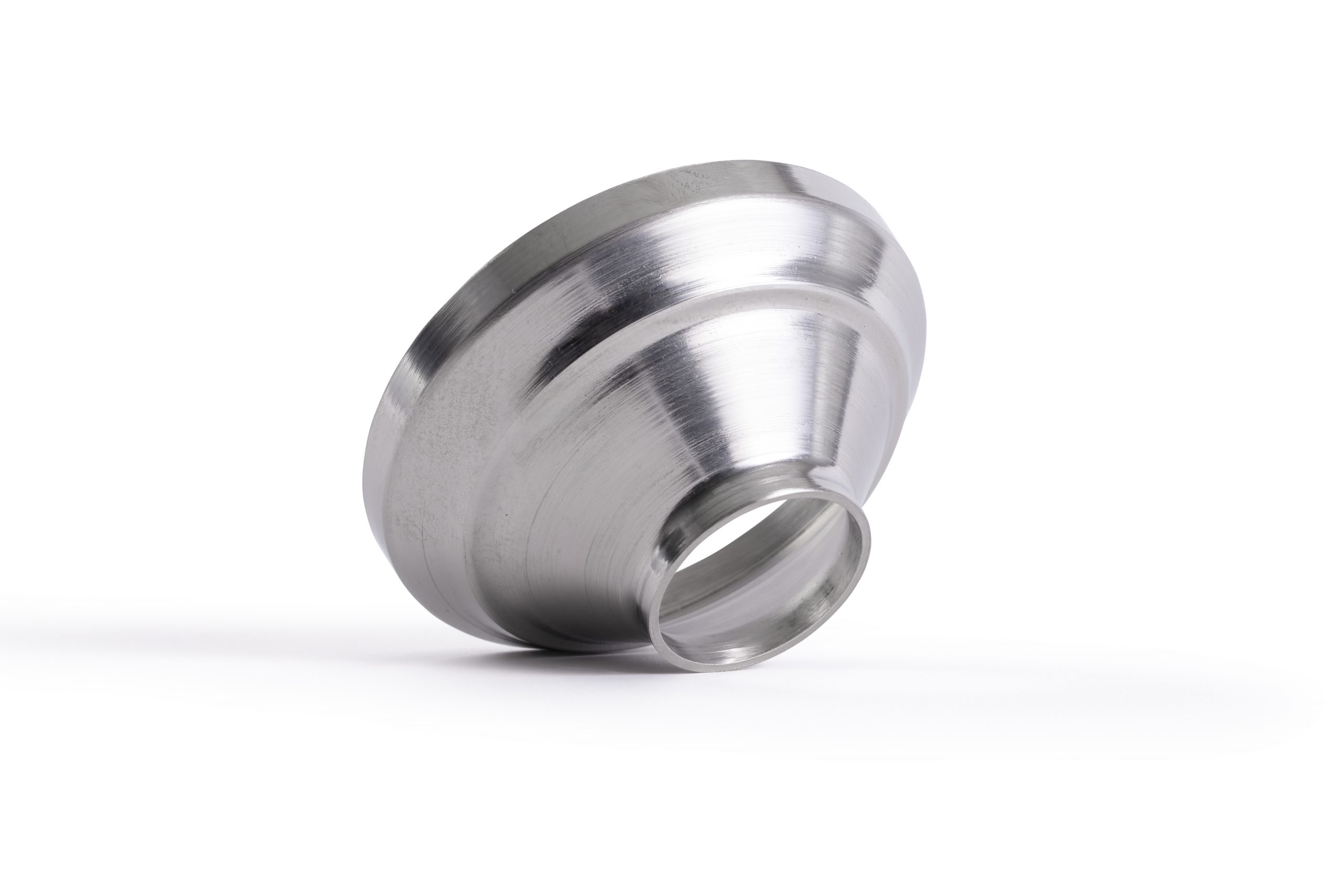
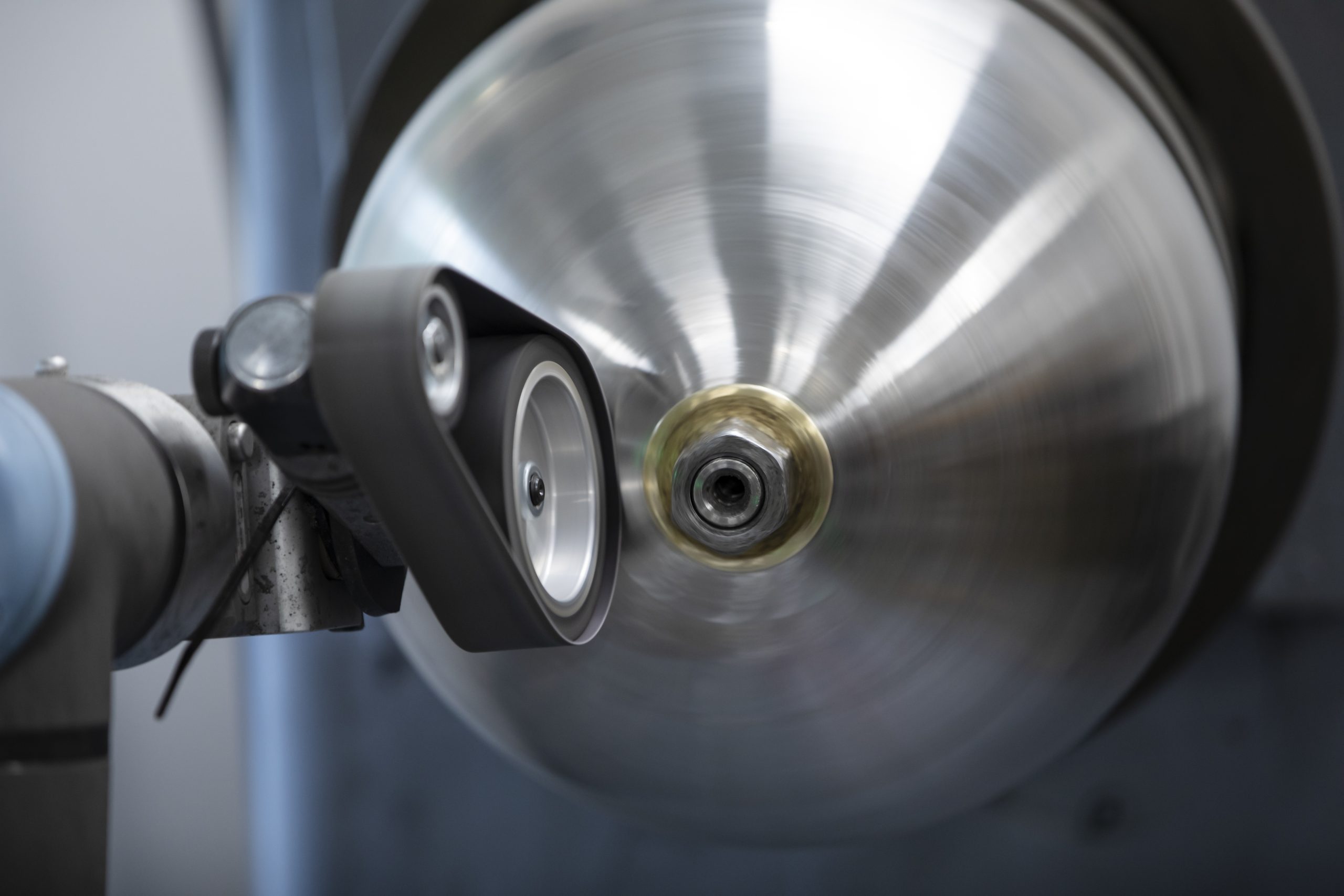
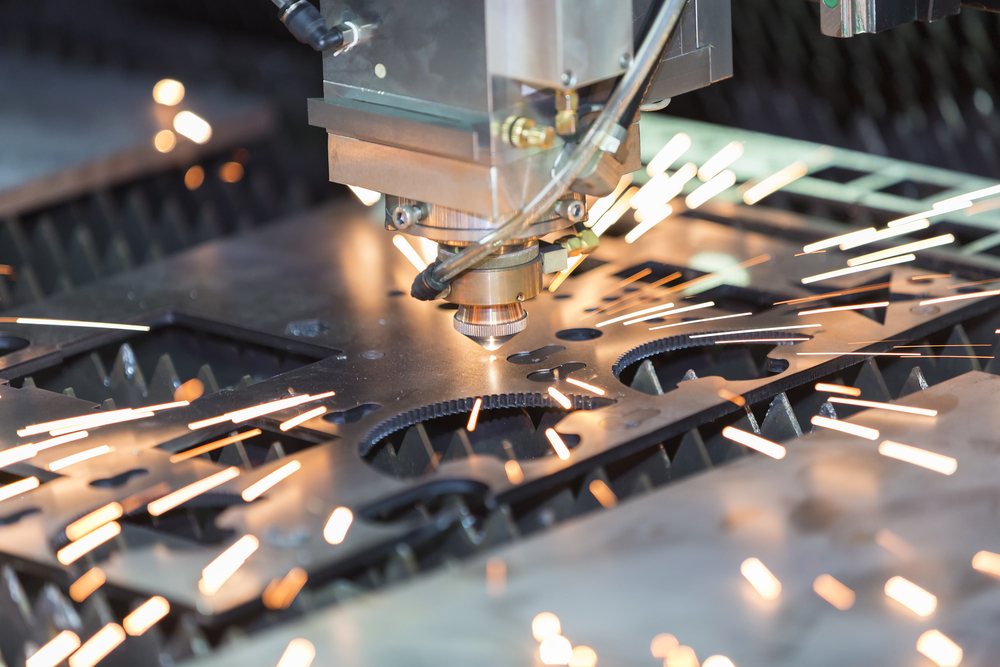
A typical sequence is: confirm the drawing, material, thickness and finish (a technical team can produce a drawing for sign-off if you do not have one); cut a circular blank, often by laser; clamp it to a CNC or playback (PNC) spinning lathe; form the part in controlled passes so the metal flows onto the mandrel without thinning beyond the allowed range; then trim in cycle. Secondary work follows if required; machining, pressing, swaging, welding, joggling, polishing, anodising, electropolishing, or pickling and passivating.
Tanfield Metal Spinners quote works up to a radius of 2.4 metres and a material thickness of 10 mm. Larger work can be discussed with partner capacity. Hydraulic pressing (up to 350 tonnes) sits alongside spinning when a flange, joggle or pressed feature is part of the same metal spinning product.
The result is a seamless, or near-seamless, component with good grain flow and fewer weld seams than a fabricated equivalent. For pressure-containing parts that matters as much as the shape.
Common types of metal spun products
Dished ends and tank heads
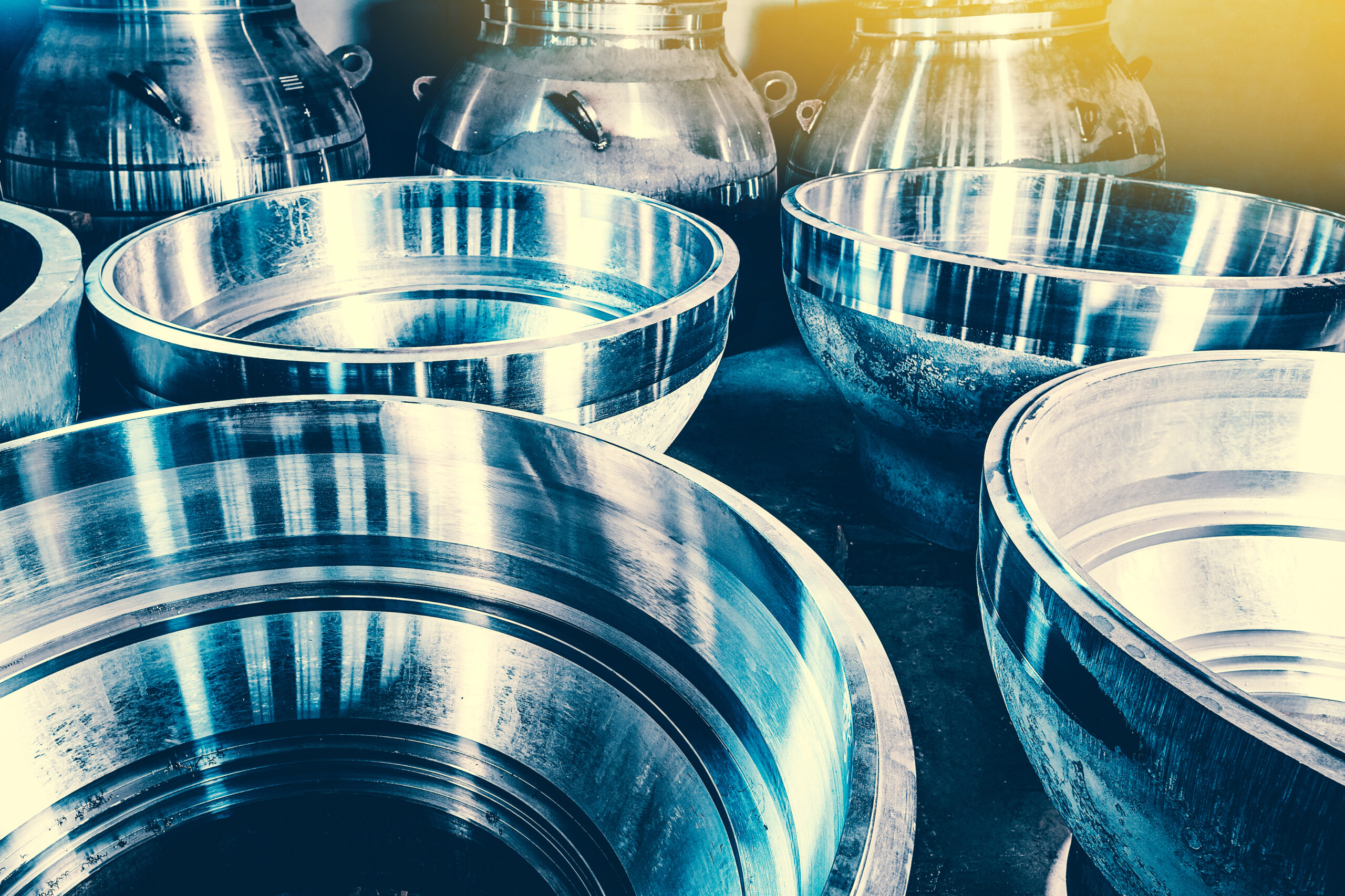
Dished ends are the closures welded to a cylindrical vessel. They are among the most requested spun metal parts because the curve distributes pressure more evenly than a flat plate and adds stiffness without extra thickness.
Typical profiles include:
- Ellipsoidal (elliptical) dished ends, a 2:1 ellipse is a common industrial standard where pressure rating and fabrication both matters.
- Torispherical dished ends, a spherical crown with a knuckle radius into the straight flange; compact, widely used on storage tanks and lower-to-medium pressure vessels.
- Hemispherical dished ends, a full hemisphere; the strongest simple head shape for a given thickness.
- Flanged and dished heads, including ASME F&D profiles supplied to customer drawings.
- Flat flanged ends where a shallow dish and a clean flange are enough.
Published size bands typically run from around 102 mm to 1870 mm for dished ends and 100 mm to 1011 mm for flat flanged ends, with tank-end work commonly quoted from roughly 200 mm to 2000 mm diameter depending on material and profile. Stainless steel, carbon steel and aluminium are the everyday choices; duplex, Hastelloy and other alloys are spun when the process fluid requires them.
Joggling can be added so the head sits into the shell with a step that helps alignment and weld quality. Fabrication and welding can then turn the spun head into a finished assembly rather than a loose pressing.
Hemispheres and spun metal domes
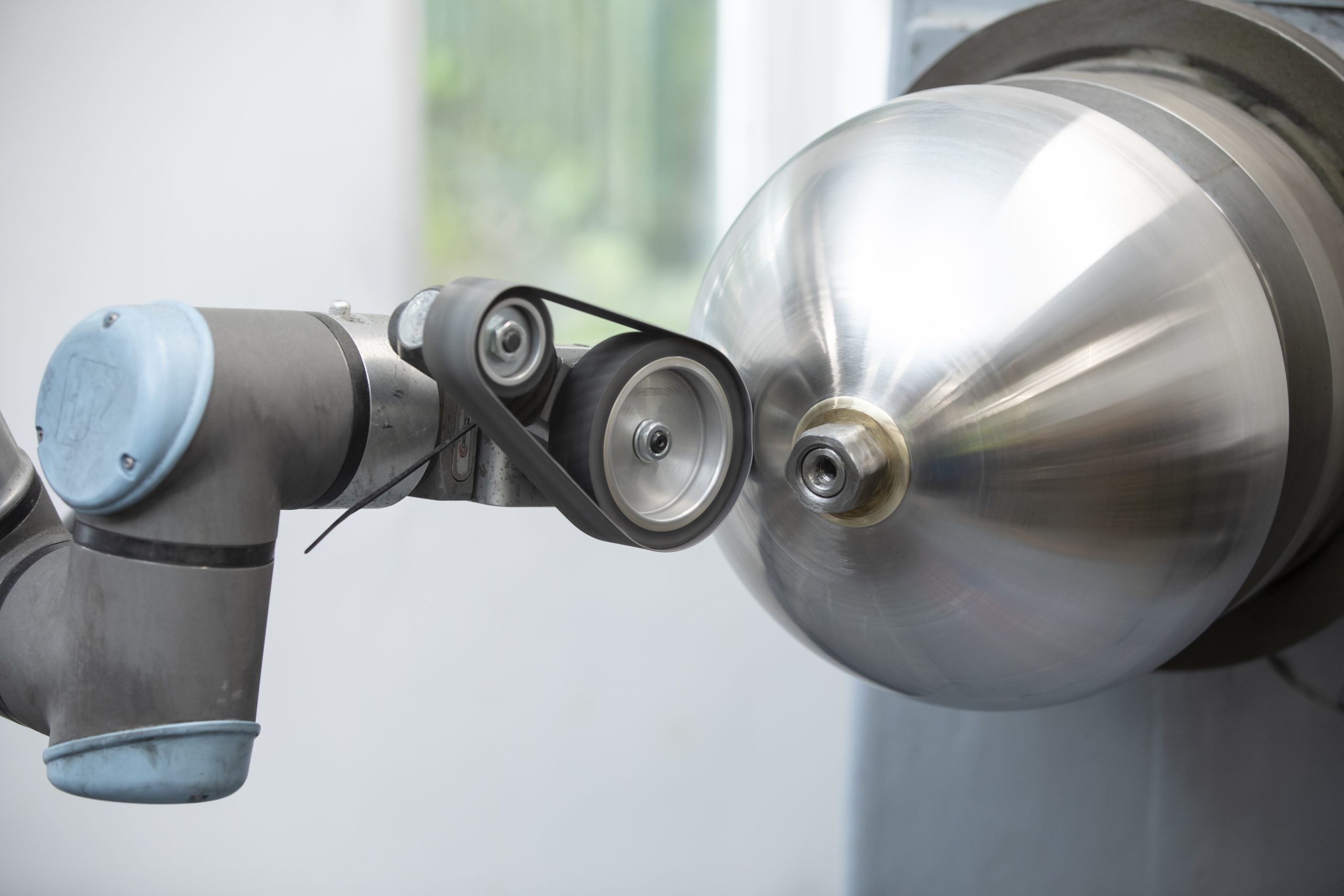
Spun metal domes and hemispheres are the same family of part: a circular blank formed into a bowl or half-sphere. The difference is usually depth, radius and what the customer calls the drawing.
Hemispheres used as pressure-vessel heads, heat-exchanger ends, reactor closures or separator caps are specified with a precise radius, a straight flange length and a thickness after forming. Tanfield’s hemisphere range is quoted from 46 mm to 1573 mm, supported by what the company describes as the largest hemisphere tooling range in Europe. That stock is why a dome, or hemisphere can often go onto a machine without waiting for a new mandrel.
Outside pressure work, spun metal domes appear as architectural forms, lighting reflectors, protective covers, process bowls and air-movement housings. Because the part is formed rather than built from petals, the surface is continuous. That helps polishing, lining and hygiene, and it removes a set of welds that would otherwise need inspection.
Cones, covers and other metal spinning products
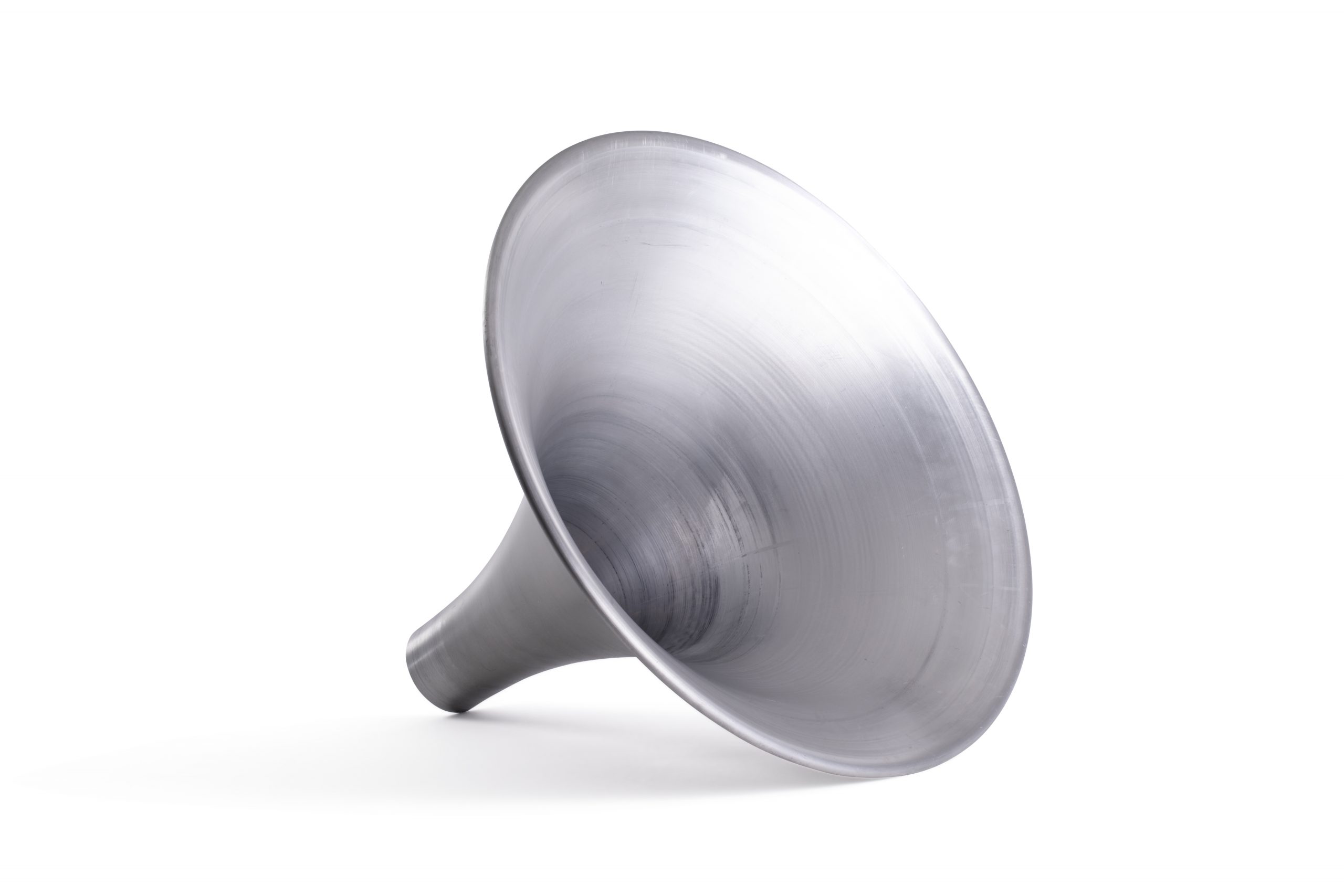
Metal cones are spun across a wide range of diameters and lengths, with included angles commonly between 60° and 150°. They work as reducers, hoppers, deboning cones, funnels, inlet or exhaust cones, and caps. The same lathe that produces a tank head will produce a cone if the mandrel is there.
Covers, lids, bowls and collecting vessels sit at the other end of the depth range. Food-industry work often asks for aluminium or stainless parts that can be cleaned and sometimes electropolished. Air-movement and agricultural plant asks for robust mild-steel or stainless cones and cowls.
When the part is not a pure spinning, pressing, machining and fabrication fill the gaps: a spun body with a machined neck, a pressed flange, a welded nozzle or a polished face.
Why specify spun metal parts instead of a press tool or a fabrication
Metal spinning products earn their place when the shape is round and the volume does not justify a deep-draw die, or when the material and thickness would make drawing difficult.
Compared with deep drawing or dedicated presswork, tooling cost is lower, design changes are cheaper, and prototypes and production can share a process. Thick plate and specialist alloys are more realistic: stainless, duplex, titanium, Inconel and Hastelloy are regular spinning materials. Lead times stay short when standard tooling exists — three to four weeks is the working target where the tool is already on the rack.
Compared with fabricating the same shape from segments, there is no crown weld through the pressure face, wall thickness is formed rather than stitched, and the inside surface is smoother before finishing starts.
Spinning is the wrong process for sharp corners, rectangular boxes and parts that are not axisymmetric. Those belong on a press or in a fabrication bay. A competent spinner will say so.
Materials used for metal spun products
Almost any metal that will deform under the roller can be spun. Everyday grades are aluminium, brass, carbon steel, copper, stainless steel and Zintec. Specialist work takes Corten, duplex, Hastelloy alloys, Inconel, Mu-metal, Nimonic, Nirosta, silver and titanium. Some alloys need annealing between passes.
Material choice follows the duty: stainless 304 and 316 for food, chemical and outdoor plant; carbon steel for tanks and general covers; aluminium where weight or anodising matter; duplex and nickel alloys where chloride or heat rules out standard stainless; copper and brass for electrical and heat-transfer parts. Full material certification and traceability should travel with the part as standard.
Industries that use metal spun products
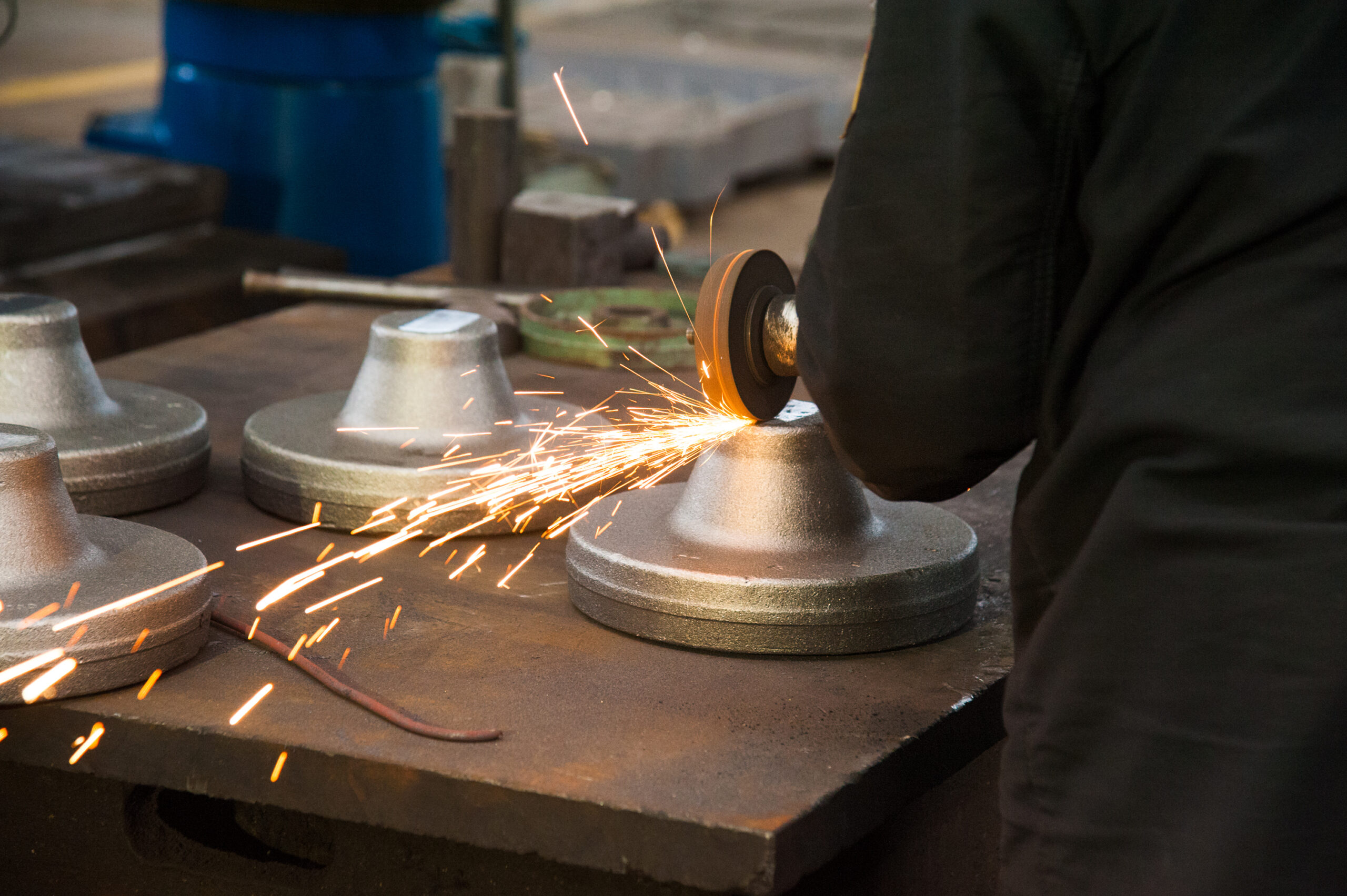
Pressure vessels and process plant use dished ends, hemispheres and tank heads on storage vessels, heat exchangers, reactors and separators. Food and beverage use stainless covers, bowls, funnels and tank heads that can be cleaned. Air movement, HVAC and agriculture use cones, cowls, hoppers and housings. Renewable energy, industrial OEM, aerospace and safety-critical plant use high-integrity or lightweight spun forms. Architectural, lighting and playground work uses the surface quality of a spinning as much as the strength.
How to specify spun metal products so they come back right
A clear enquiry saves a week. Include:
- A drawing or a dimensioned sketch. If you do not have one, say so — a drawing can be produced for approval.
- Inside or outside diameter, depth or dish height, flange length and any joggle.
- Material grade and thickness (before forming, and any minimum after forming).
- Quantity now and any call-off.
- Finish: as-spun, trimmed, machined, polished, anodised, pickled and passivated, or painted later by others.
- Standards the head must meet on the drawing; for example, an ASME or EN dish profile — and any inspection or documentation pack.
- Delivery site and date.
Tolerances on spun work depend on diameter, thickness, material and whether the part is trimmed or machined after forming. If a dimension is critical for a weld prep or a sealing face, mark it. Do not apply a machining tolerance to every line on a formed dish.
Secondary operations should be decided at enquiry. A joggle, machined bore, polished interior or welded nozzle is cheaper when it is planned as part of the metal spinning product, not added later as a rescue.
Why manufacturers source metal spinning products from Tanfield
Tanfield Metal Spinners has been forming these parts in the Northeast of England since 1984. The works in Washington, Tyne and Wear, run fully automatic spinning lathes in a 35,000 sq ft facility, with pressing, machining, fabrication, welding, polishing and surface treatment on the same site.
The practical advantages for buyers of spun metal products are the tooling stock, described as the largest standard range in the UK, and the largest hemisphere tooling range in Europe, and the habit of quoting quickly. Most quotations go out within 24 hours. Lead time is typically three to four weeks where the tool exists. Delivery is next-day as standard, with a before-noon upgrade. Parts leave with a delivery note, certificate of conformance, material certificate and inspection report.
The company is ISO 9001 accredited, family-supported, and a 100 per cent made-in-Great-Britain manufacturer. Laser-cut blanks and in-house finishing mean a dome or dished end can leave as a finished component rather than a raw spinning.
Talk to an expert about your spun metal parts
If you are buying spun metal products, metal spun products or spun metal domes for a vessel, a machine or a one-off assembly, the useful conversation is about profile, thickness, tooling and finish, not a generic process lecture.
Send a drawing or a sketch or ask for one. Tanfield’s team will tell you whether the part should be spun, pressed, fabricated or a combination, and what the tooling position does to cost and date.
Contact Tanfield Metal Spinners at metal-spinners.com, email talktoanexpert@metal-spinners.com, or call 0191 419 3377.