 Metal Spinning
 Bespoke Metal Spinning
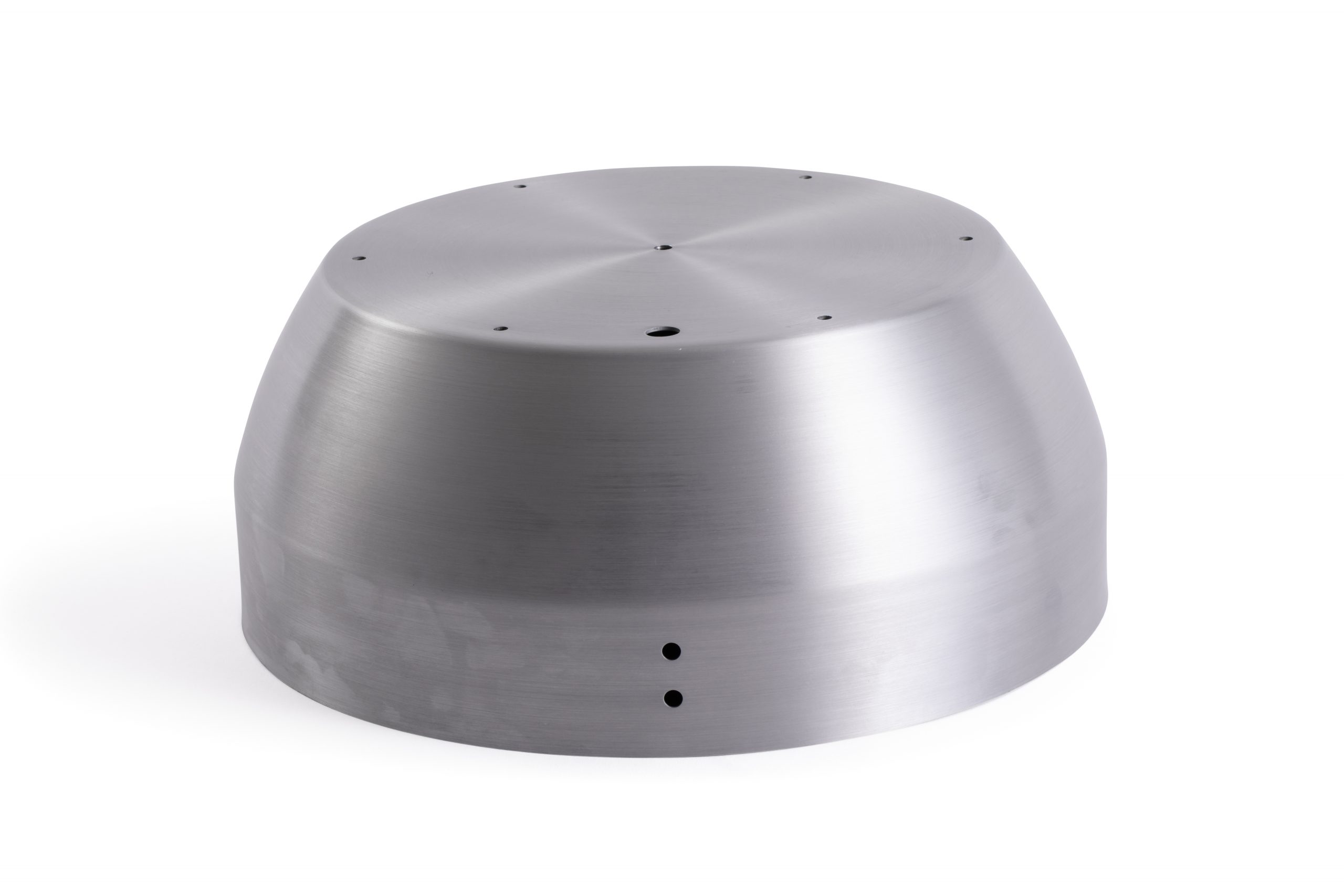 Metal Polishing
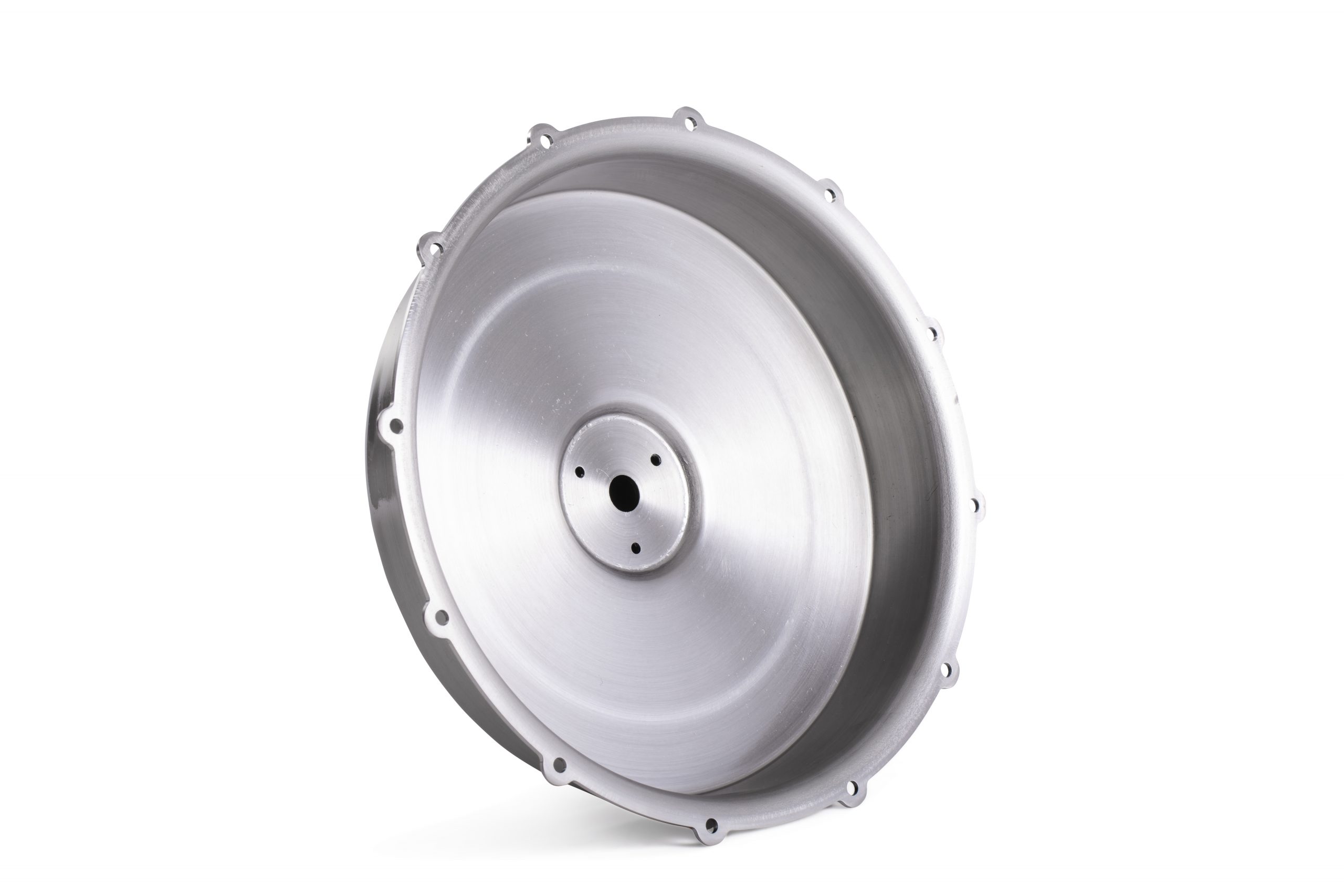 Machining
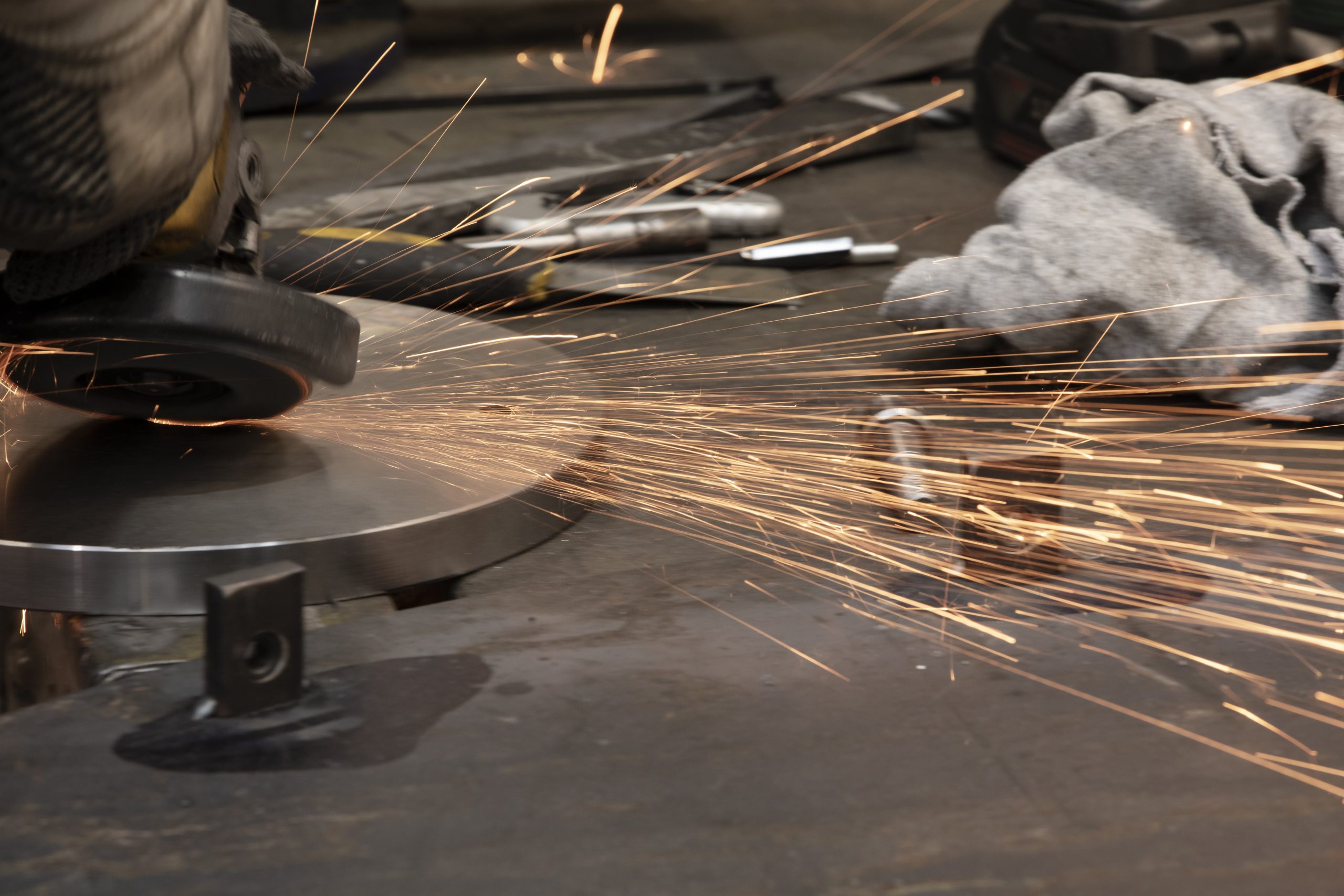 Metal Pressing
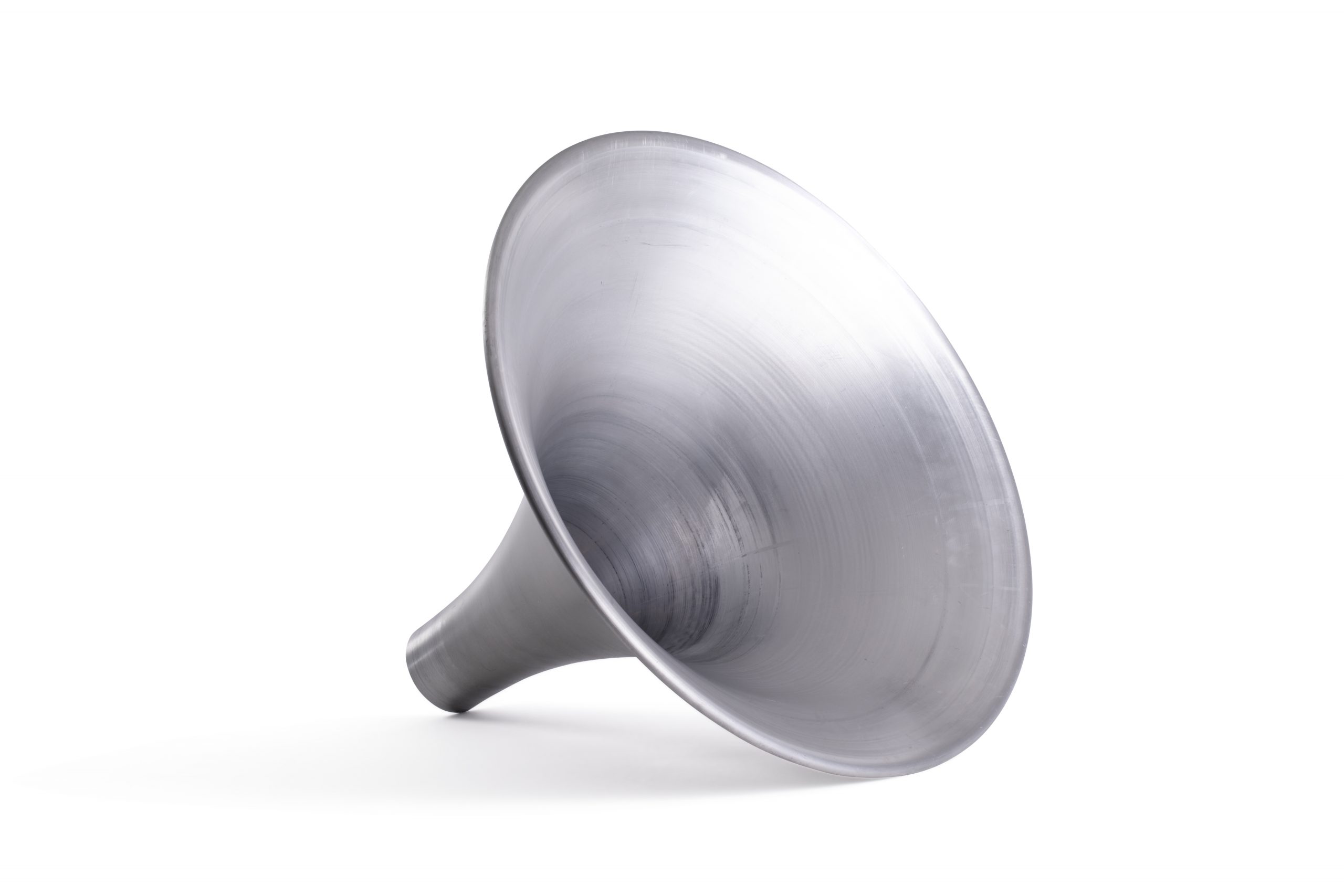 Metal Swaging
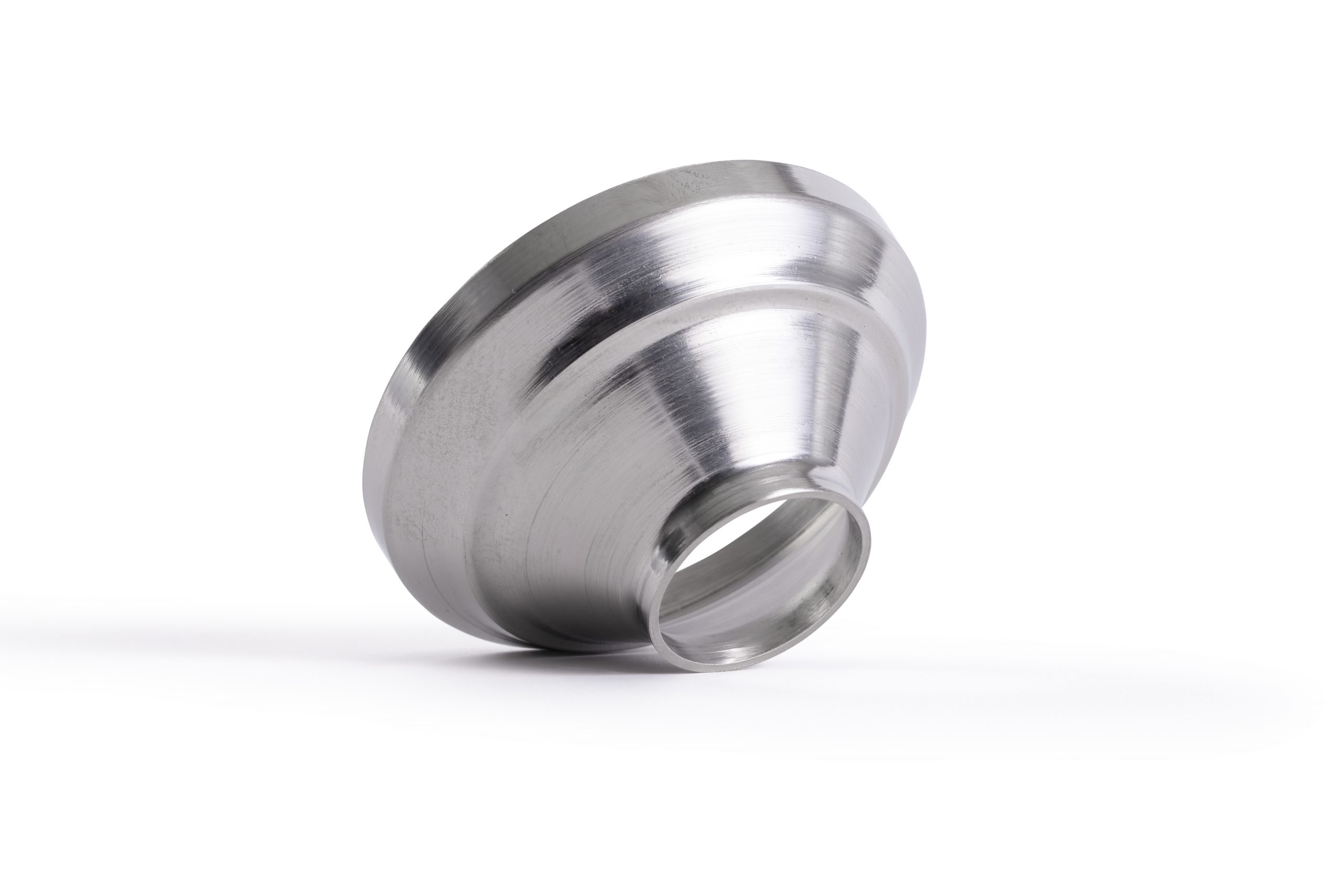 Metal Fabrication & Welding
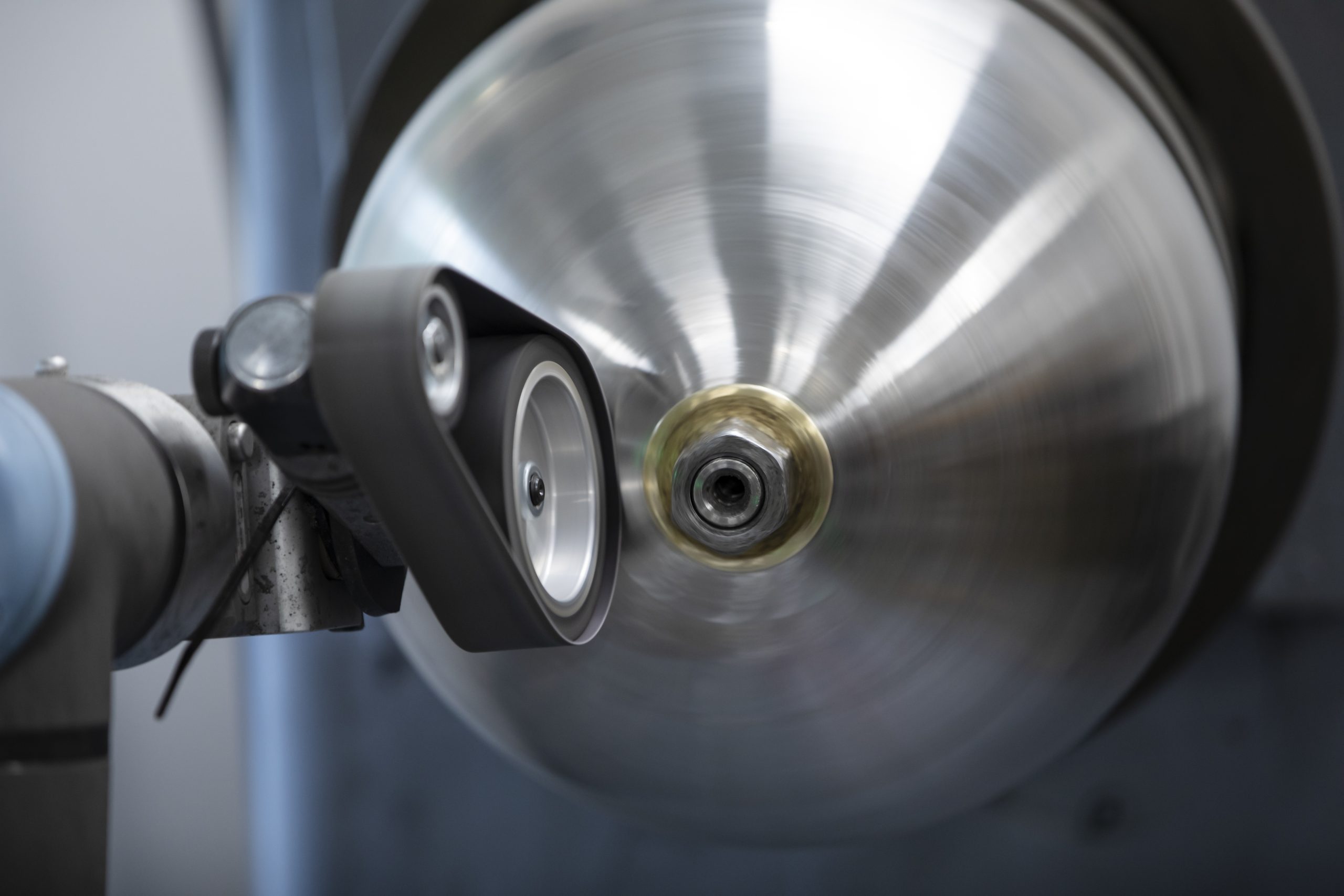 Precision Engineering
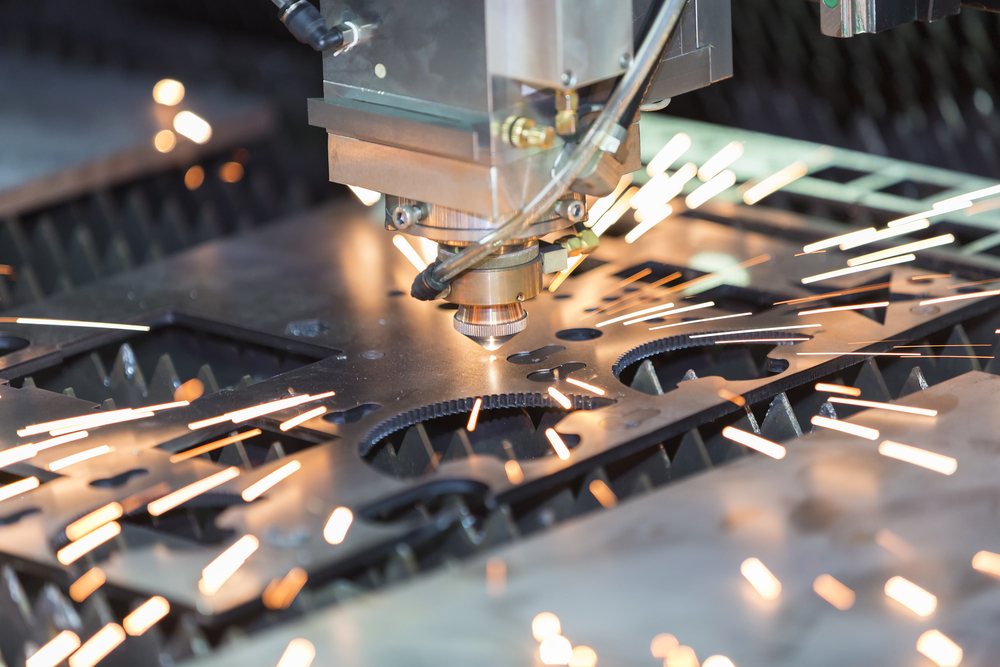 Laser Cutting
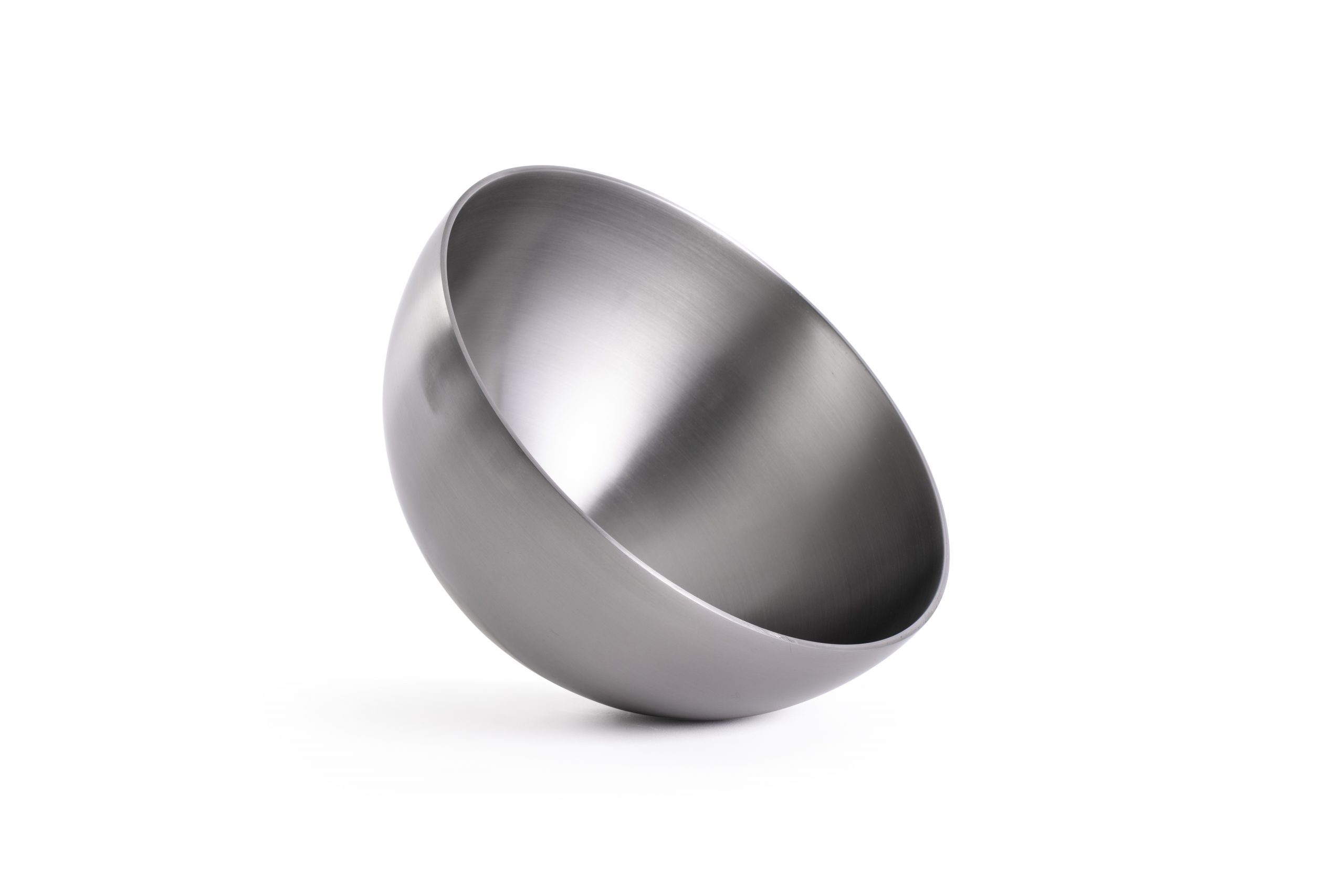 Inspection and Quality
 Anodising, Electropolishing and Pickling & Passivating
 Agriculture
 Automotive
 Air Movement
 Food Industry
 Marine
 Medical and Cryogenic
 Playground
 Pressure Vessels
 Renewable Energy
 Safety
When to Choose Metal Spinning Over Deep Drawing or Presswork: A Practical Guide for Design Engineers
16/02/26

In modern manufacturing, selecting the most appropriate metal forming method can significantly impact project costs, quality, lead times, and overall efficiency. Metal spinning (also known as spin forming) and traditional fabrication techniques, such as stamping, welding, pressing, bending, and machining, each offer unique advantages depending on the application.
At Tanfield Metal Spinners, a long-established UK specialist, we frequently help manufacturers choose between these approaches for components requiring precision, strength, and economy. This article provides a clear, balanced comparison of the pros and cons of metal spinning versus traditional fabrication, enabling manufacturers to make informed decisions tailored to their specific requirements.
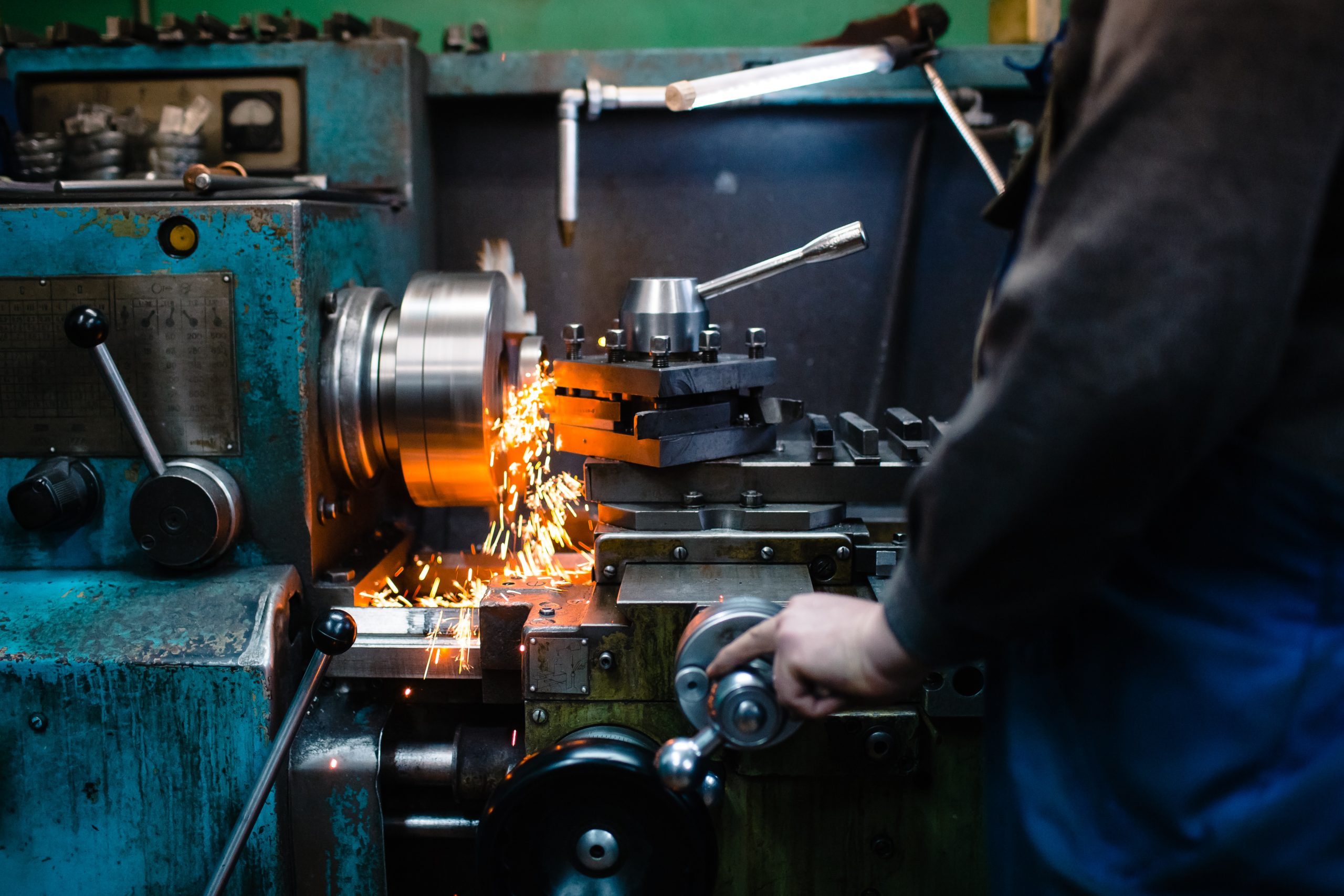
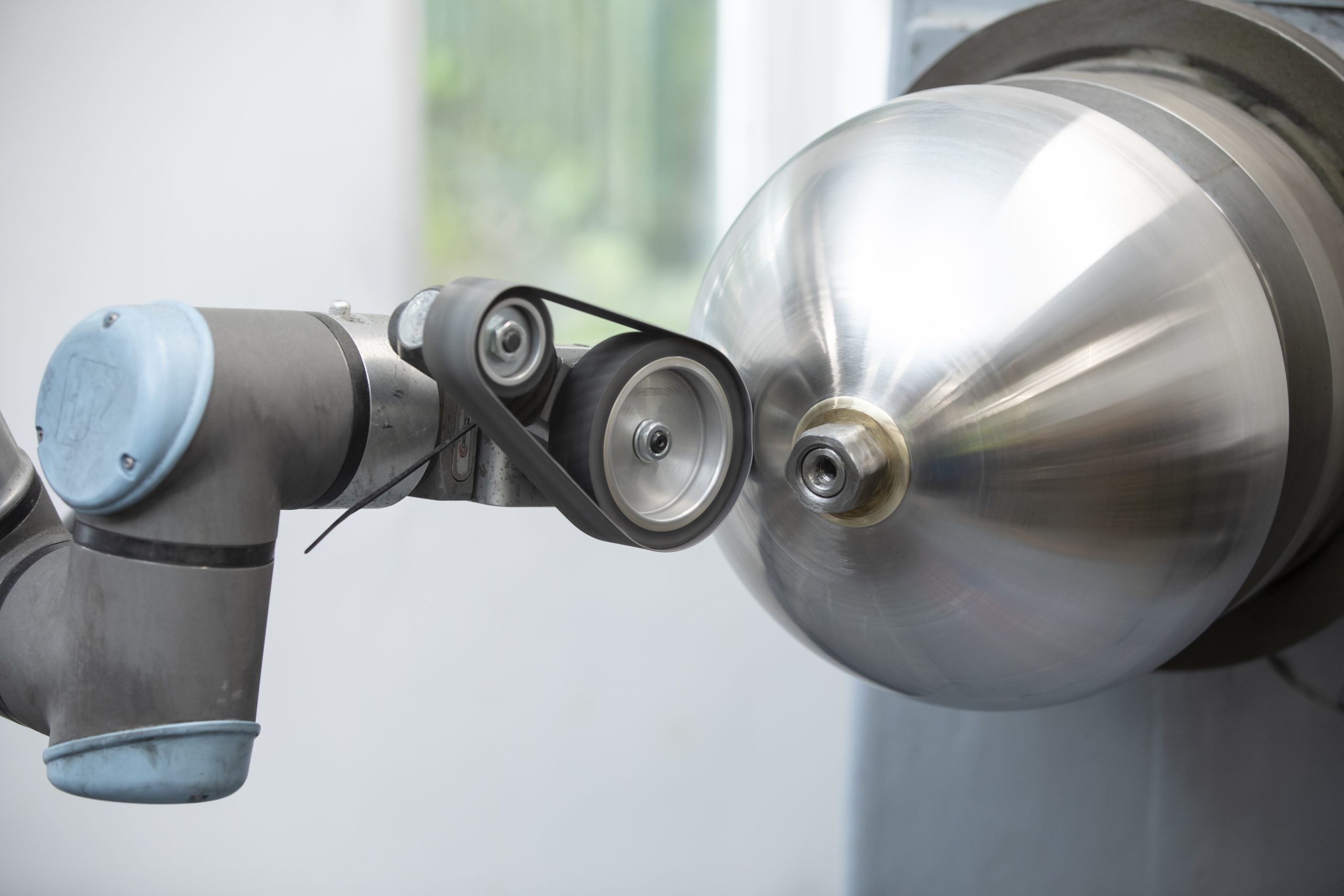
Metal spinning is a forming process in which a flat metal disc, known as a blank, is clamped onto a rotating lathe and gradually shaped over a mandrel using specialised rollers or tools. The operation can be carried out manually by skilled craftsmen or, more commonly today, using advanced CNC spinning machines for high repeatability and precision.
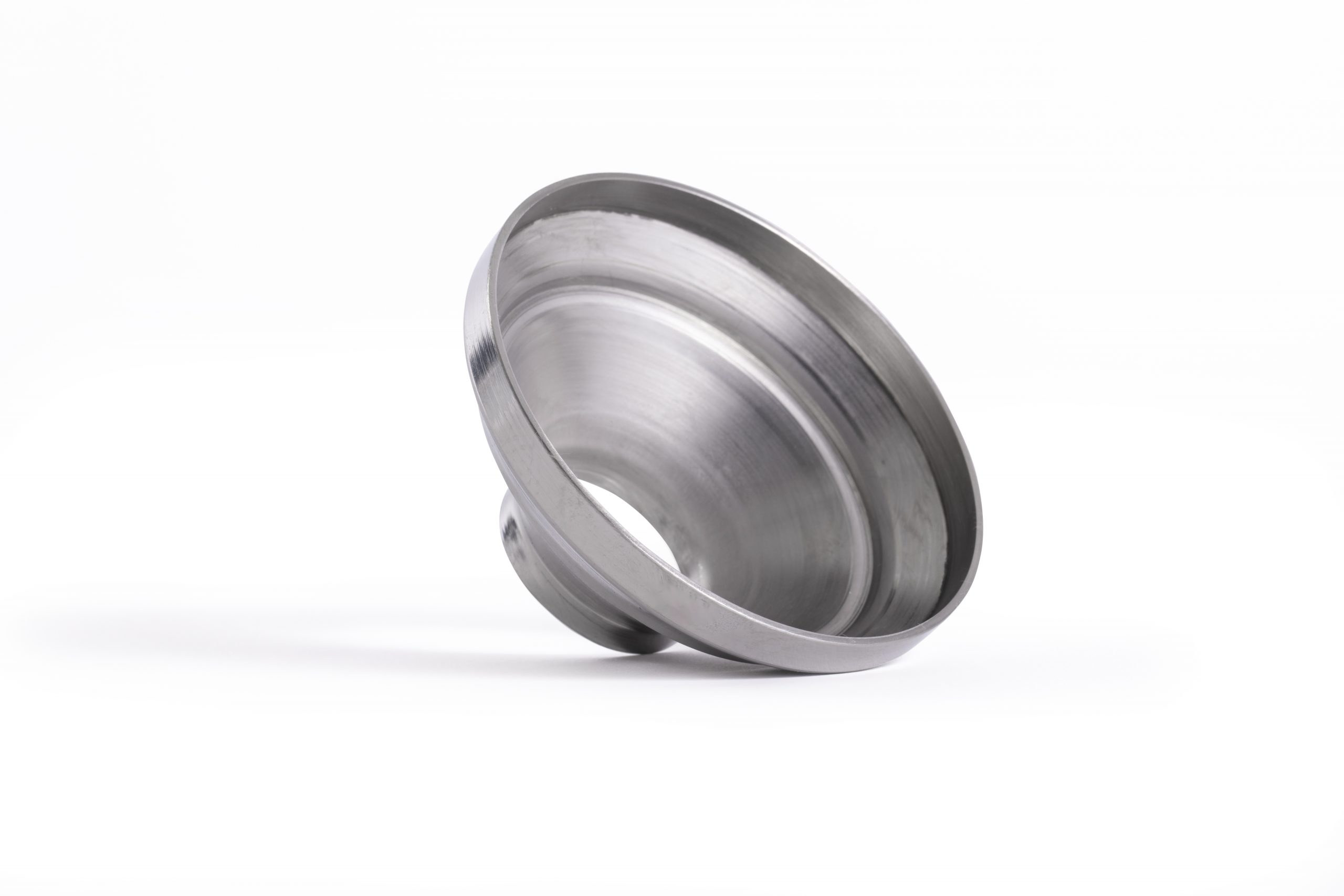
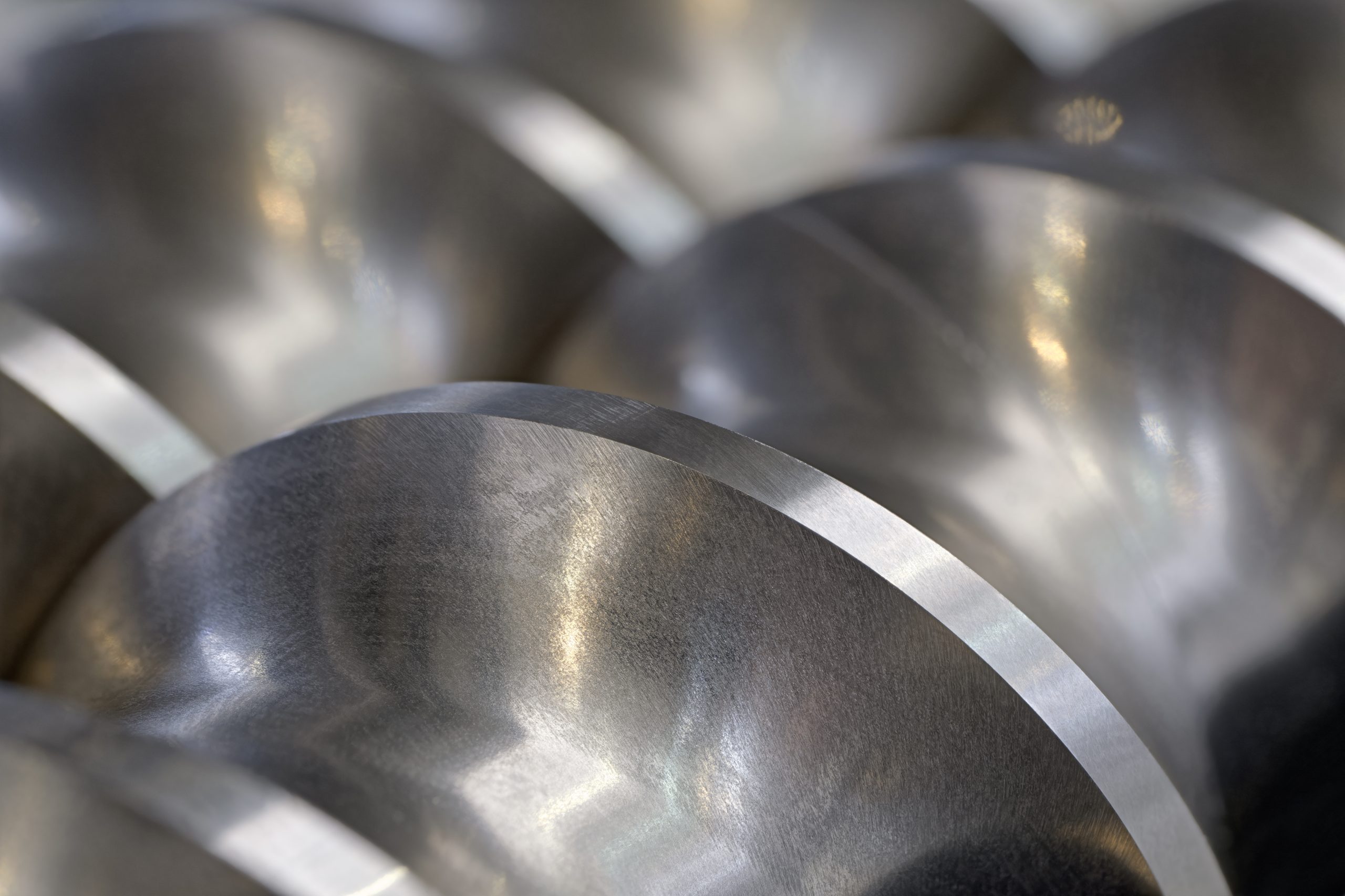
The process produces seamless, rotationally symmetric parts such as cylinders, cones, hemispheres, domes, dished ends, funnels, and custom curved profiles. These components often feature excellent surface quality straight from the spinning operation.
In contrast, traditional fabrication typically involves a combination of processes: cutting sheet metal to size, bending or pressing it into shape, and often performing additional machining or finishing operations. This multi-step approach is highly versatile for creating flat, angular, or complex assemblies but usually requires more operations and handling.
Metal spinning relies on relatively simple, reusable mandrels rather than the complex, high-cost dies required for stamping, deep drawing, or pressing. This makes spinning particularly economical for prototypes, low-to-medium volume production, and projects where design changes are likely.
The spinning process uses nearly the entire blank, converting it directly into the final shape with very little scrap, typically less than 10–25% material loss for dished ends and 35% for hemisphere’s. Traditional methods such as stamping, laser cutting, or machining often generate substantially more waste, especially when producing complex curved or hollow forms.
Spun components are formed from a single piece of material with no welds or joints. This eliminates potential weak points, reduces the risk of leaks in pressure vessels, improves structural integrity, and enhances aesthetic appearance.
The continuous forming action produces smooth, work-hardened surfaces that frequently require minimal or no additional polishing, grinding, or machining. This reduction in post-processing saves both time and money.
Changes to part dimensions, wall thickness, or profile can usually be accommodated by adjusting the mandrel or tool paths—often at a fraction of the cost and time needed to modify stamping dies or rework welded assemblies.

Metal spinning works effectively with many metals, including aluminium, stainless steel, mild steel, copper, brass, and high-performance alloys such as Inconel and titanium. It often handles materials that are challenging to form using traditional pressing or welding due to cracking or heat-affected zone issues.
For bespoke components or small-to-medium batches, metal spinning typically offers quicker setup and production turnaround than methods requiring extensive tooling, multiple fixtures, or labour-intensive assembly.
Metal spinning is best suited to round, axially symmetric parts. It cannot efficiently produce components with sharp corners, flat faces, irregular profiles, or non-circular features. Traditional fabrication excels in these situations.
Although modern CNC spinning can handle thicker gauges (up to 10 mm or more in some cases), extremely thick or very hard materials may require multiple passes, increased force, or alternative forming methods such as forging or machining.
If defects such as splitting or buckling occur during the spinning process, the part is usually scrapped rather than repaired. In contrast, welded or assembled components can sometimes be corrected or reworked more easily.
For very large production runs (tens of thousands of parts or more), high-speed stamping or pressing operations often achieve lower per-part costs due to faster cycle times. Metal spinning is most cost-effective in low-to-medium volume ranges.
While CNC metal spinning has largely mitigated this issue, traditional hand spinning still relies heavily on operator expertise and experience.
Manufacturers should strongly consider metal spinning when the project involves:
Traditional fabrication is generally the better choice when:
Both metal spinning and traditional fabrication play important roles in modern manufacturing, and the optimal method depends on the specific geometry, production volume, material, and commercial objectives of the project. Metal spinning consistently delivers compelling advantages in tooling economy, material utilisation, seamless quality, design flexibility, and reduced secondary operations—making it an increasingly popular choice for many applications where traditional approaches would be more expensive, time-consuming, or less effective.
At Tanfield Metal Spinners, we combine advanced CNC spinning technology, one of the largest in-house tooling libraries in the UK, and decades of practical experience to provide high-precision, cost-effective metal spinning solutions. Our ISO 9001-accredited processes ensure consistent quality across prototypes and production runs alike.
If you are evaluating forming options for your next project, our team is available to offer expert advice on whether metal spinning or another fabrication method represents the best solution for your needs.
Contact Tanfield Metal Spinners today to discuss your requirements and explore how bespoke metal spinning can improve efficiency, reduce costs, and enhance the performance of your components.