 Metal Spinning
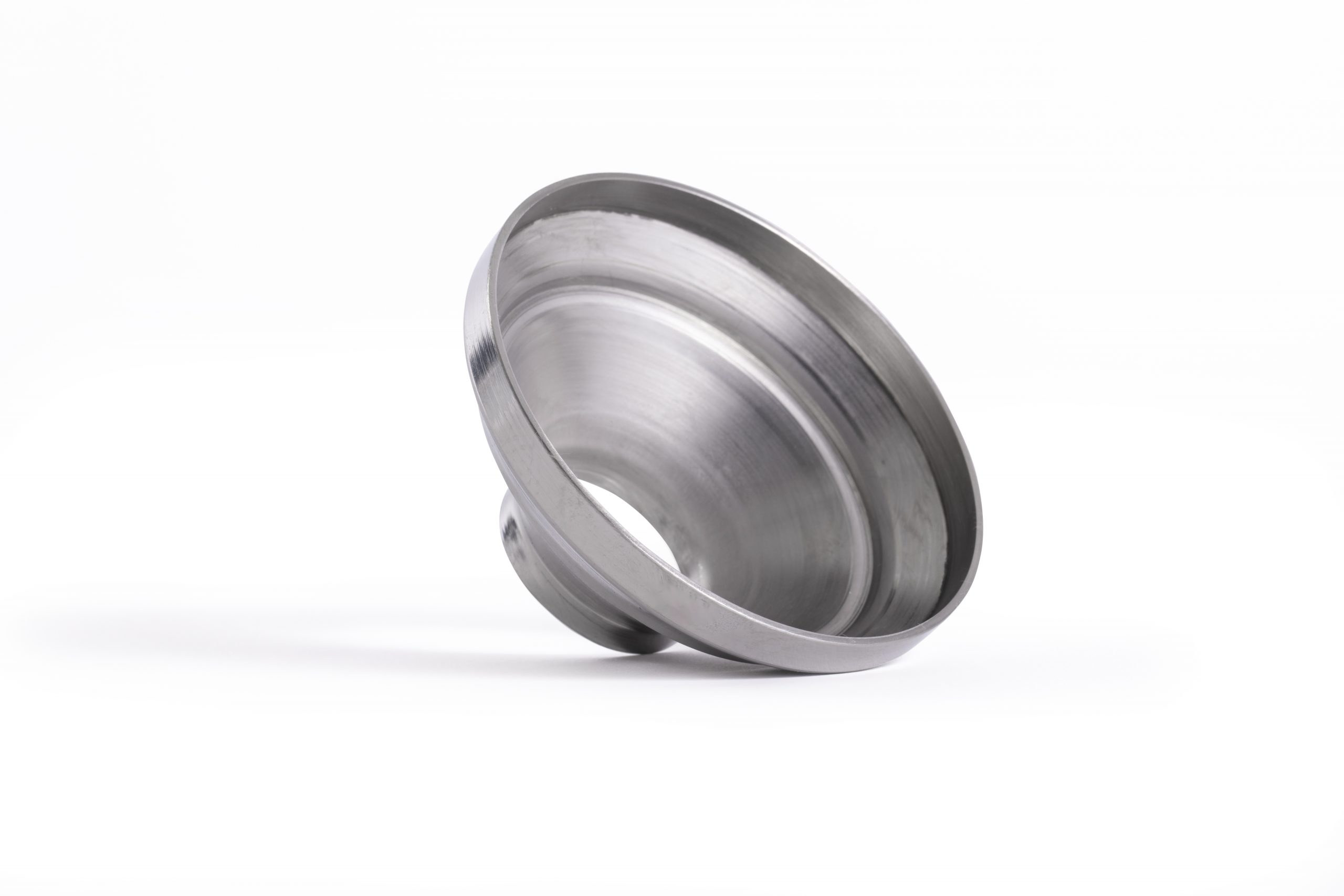 Bespoke Metal Spinning
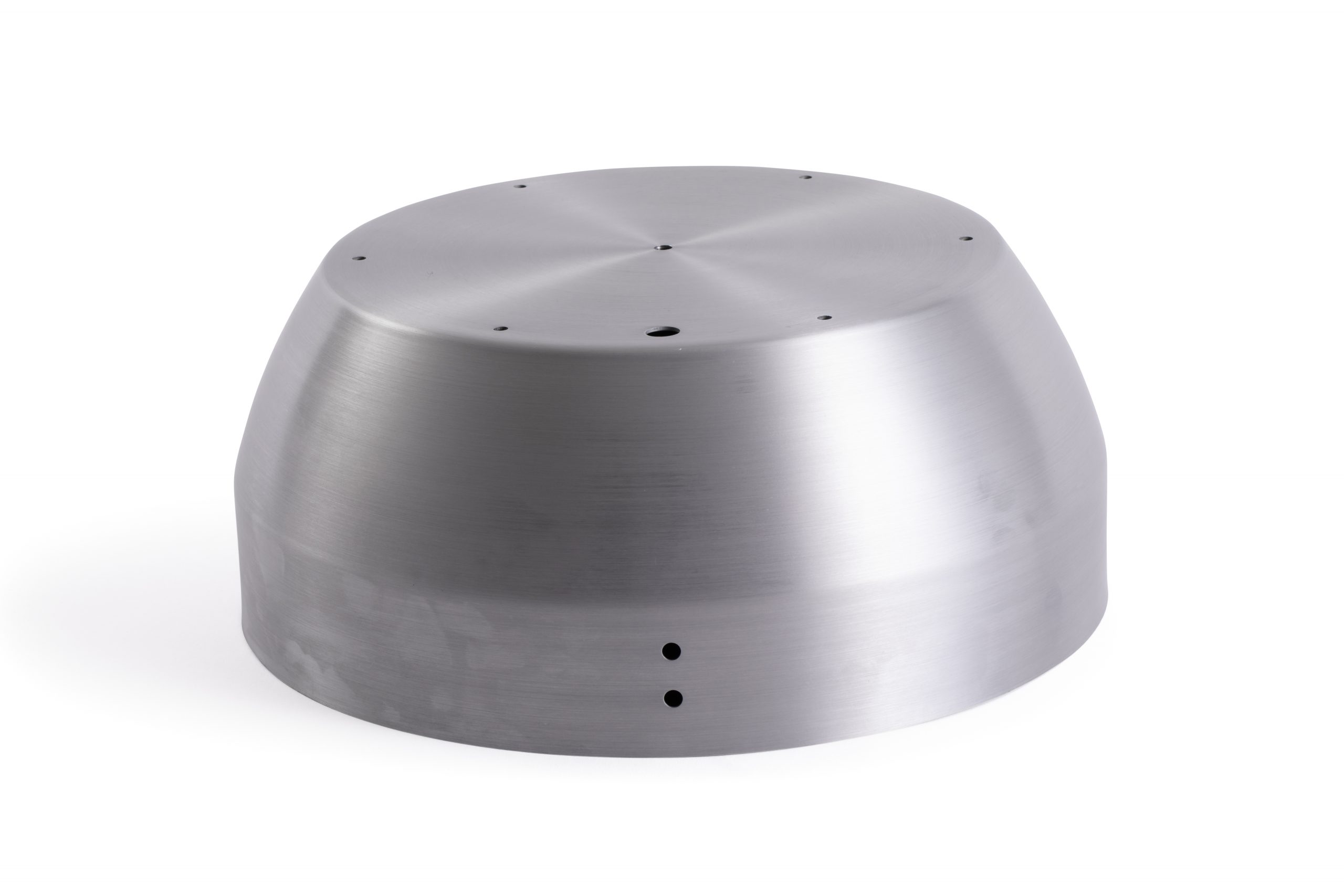 Metal Polishing
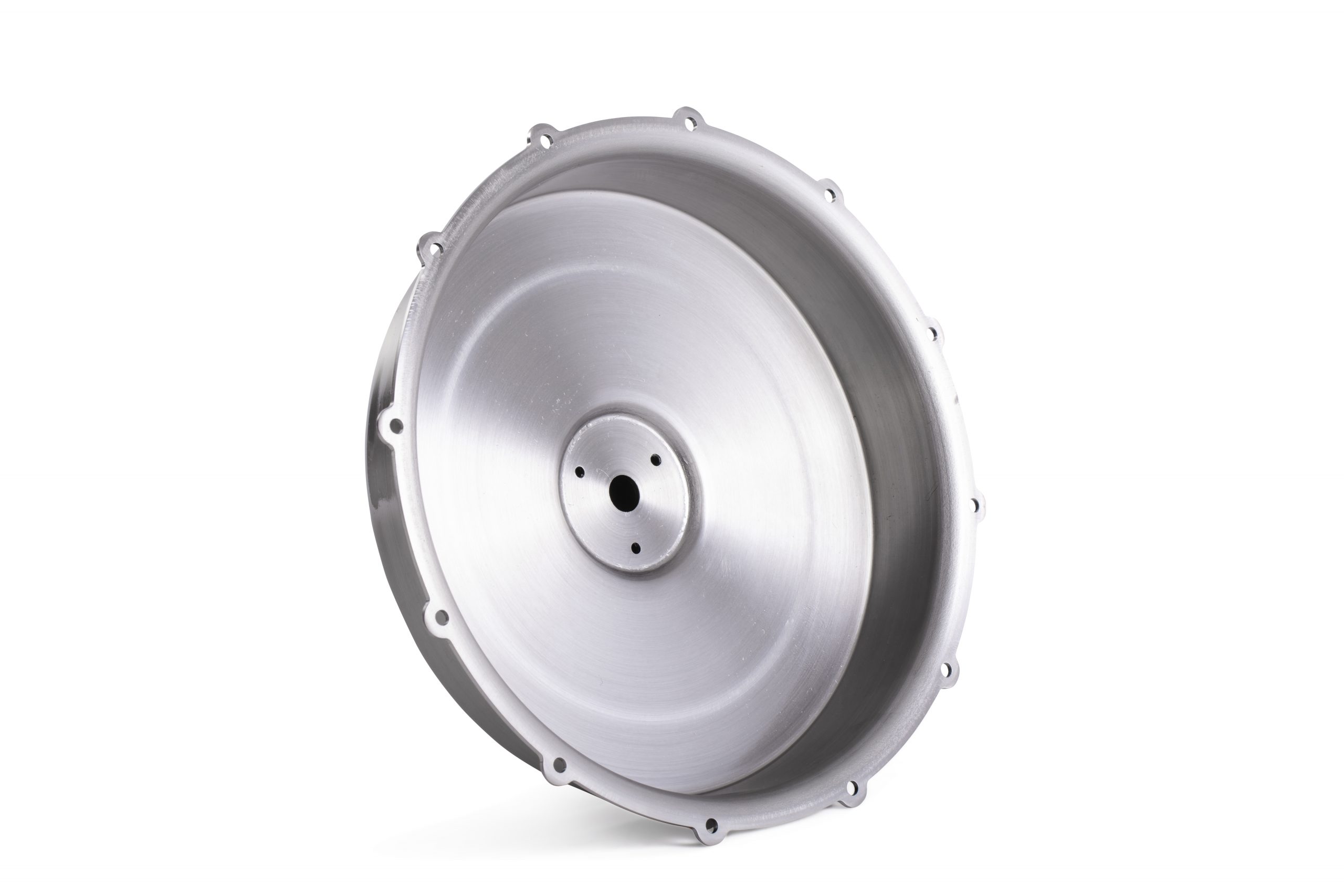 Machining
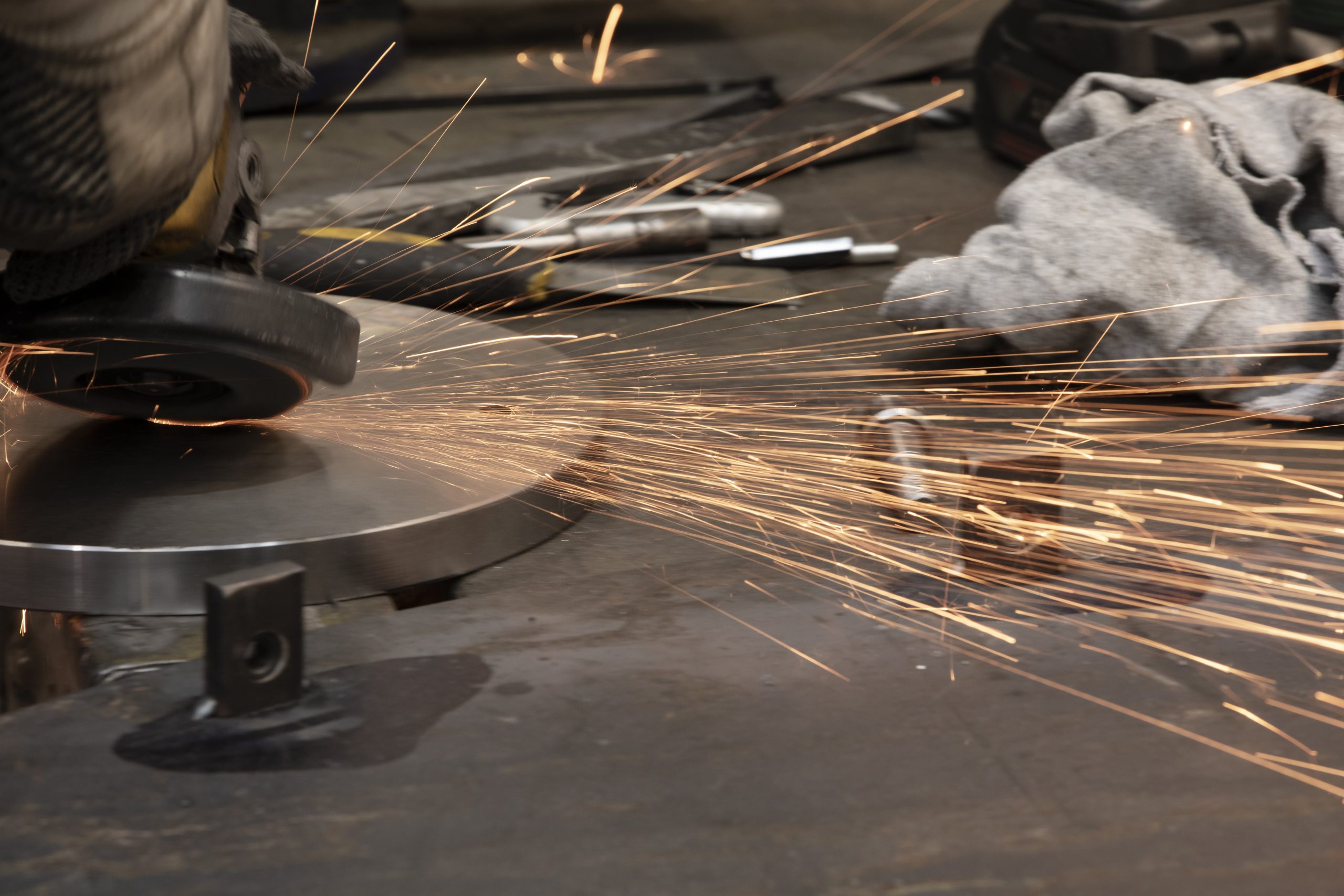 Metal Pressing
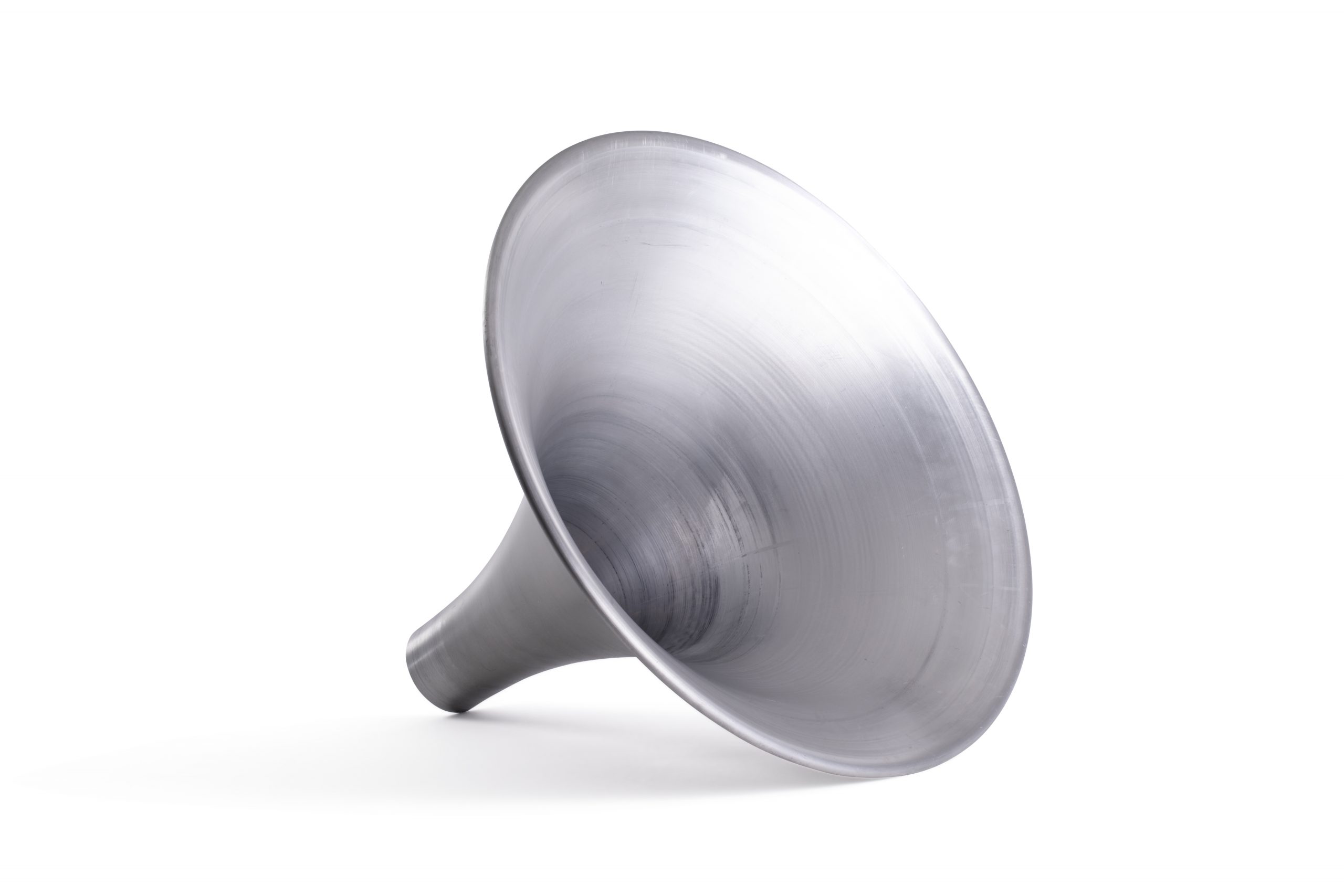 Metal Swaging
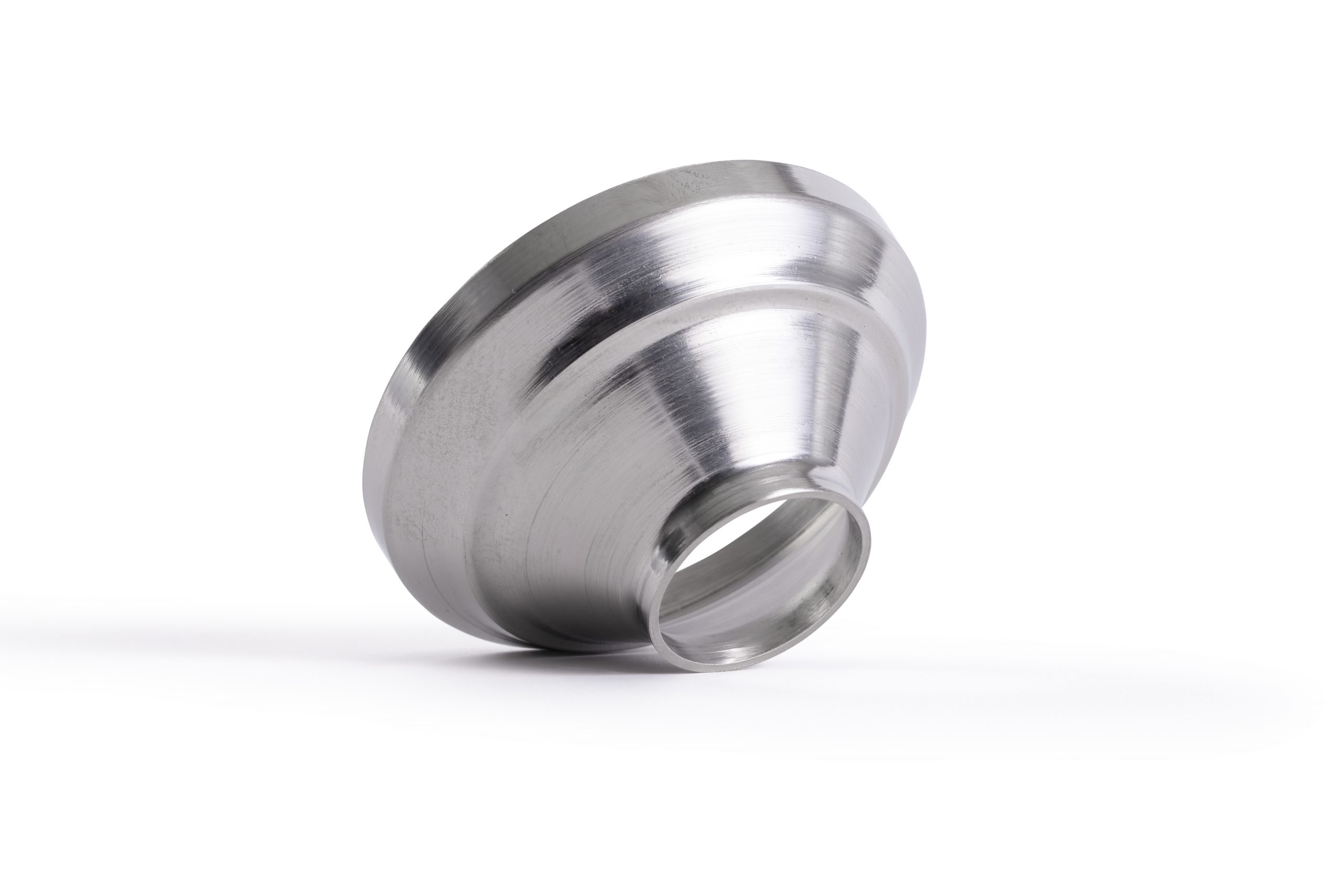 Metal Fabrication & Welding
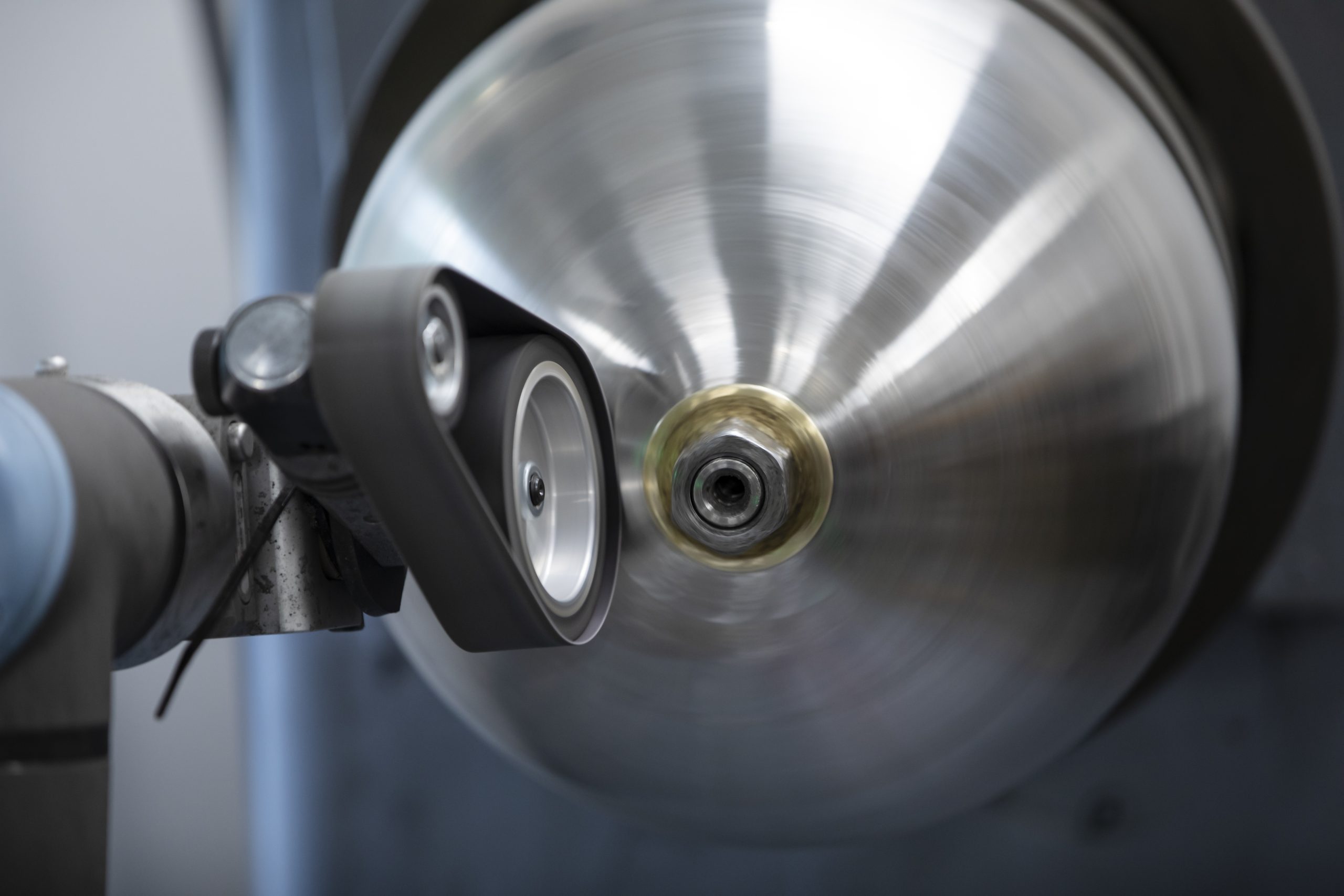 Precision Engineering
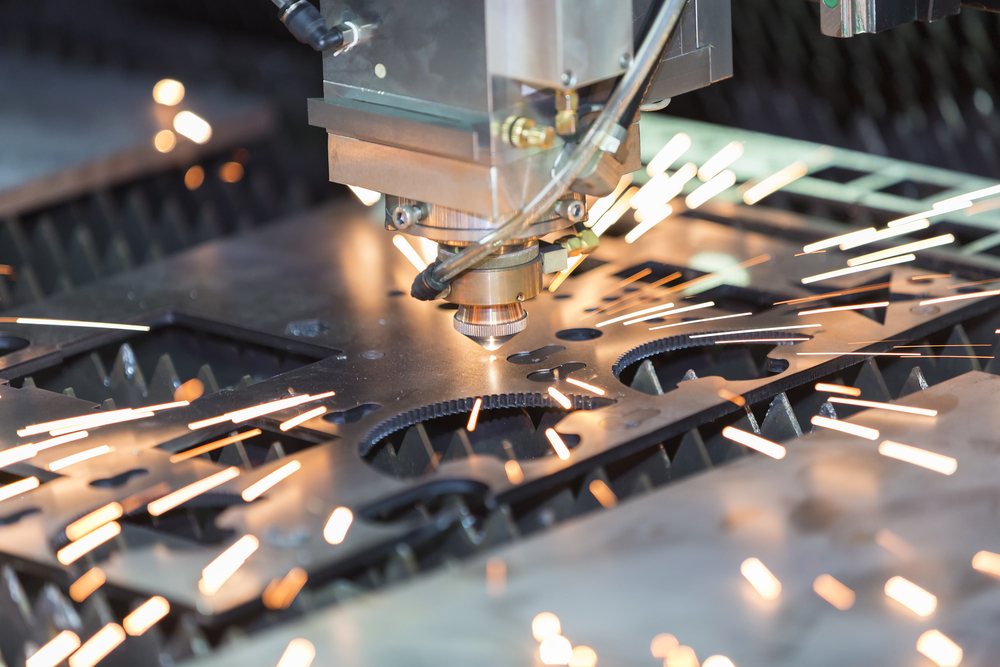 Laser Cutting
 Inspection and Quality
 Anodising, Electropolishing and Pickling & Passivating
 Agriculture
 Automotive
 Air Movement
 Food Industry
 Marine
 Medical and Cryogenic
 Playground
 Pressure Vessels
 Renewable Energy
 Safety
Metal Spinning vs. Flow Forming: When to Choose Each for Tubular and Cylindrical Parts
< Blogs < Metal Spinning vs. Flow Forming: When to Choose Each for Tubular and Cylindrical Parts
In the world of precision metal forming, two closely related yet distinct processes stand out for producing high-quality tubular and cylindrical components: metal spinning and flow forming. Both techniques offer significant advantages over traditional stamping, welding, or machining, but they excel in different scenarios. At Tanfield Metal Spinners, a leading UK specialist in metal forming since 1984, we routinely help manufacturers select the optimal process to balance cost, performance, lead times, and design requirements.
This in-depth guide compares metal spinning and flow forming, explains their technical differences, highlights key applications for tubular and cylindrical parts, and provides clear decision-making criteria to help you choose the right process for your next project.
Understanding the Processes
Metal Spinning (Spin Forming)
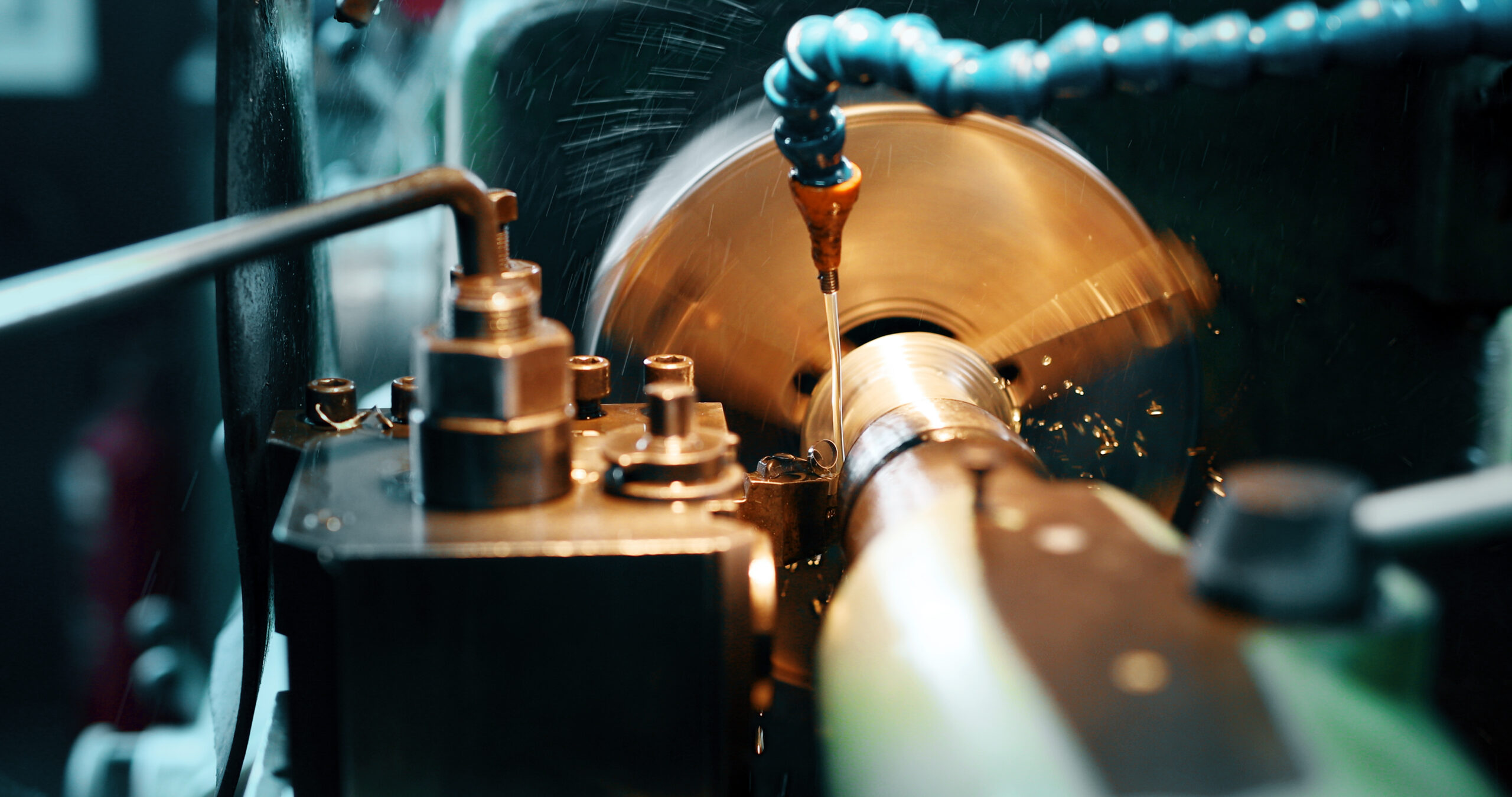
Metal spinning involves clamping a flat metal disc (blank) against a rotating mandrel (form tool) on a lathe. A forming roller or tool then gradually shapes the metal over the mandrel in a series of passes. The material is stretched and compressed into the desired shape without removing any metal.
Key characteristics:
- Excellent for symmetrical shapes: cylinders, cones, hemispheres, domes, and complex profiles.
- Low to medium tooling costs.
- Suitable for prototypes through to medium-to-high volume production.
- Good material utilisation with minimal waste.
- Can produce parts with varying wall thicknesses if required.
Flow Forming (Shear Forming or Rotary Flow Forming)
Flow forming is an advanced incremental forming process. A pre-formed tubular blank (often spun or drawn) is rotated at high speed while rollers apply intense pressure, causing the material to flow axially along the mandrel. This results in significant wall thinning and elongation.
Key characteristics:
- Superior for high-precision tubular parts with uniform or intentionally varied wall thickness.
- Exceptional strength due to work hardening.
- Tight dimensional tolerances and excellent surface finish.
- Ideal for thinner-walled, longer components.
- Higher initial setup but outstanding mechanical properties.
While both processes use rotation and pressure, flow forming applies much greater force and is specifically engineered for controlled material displacement along the axis of the part.
Technical Comparison: Spinning vs. Flow Forming
Design Flexibility
- Spinning: Highly versatile for a wide variety of shapes and can often start from a flat blank. Ideal when complex contours or flanges are needed.
- Flow Forming: Best suited to tubular/cylindrical geometries. Excellent for creating long, precise tubes, pressure vessels, or parts requiring significant length-to-diameter ratios.
Wall Thickness Control
- Spinning: Naturally maintains or slightly thins the material. Can achieve variable thicknesses with advanced multi-pass techniques.
- Flow Forming: Precisely reduces wall thickness (often by 50-80%) while increasing length. Provides superior uniformity and the ability to create tailored thickness profiles (e.g., thicker ends, thinner centres).
Material Properties and Strength
- Spinning: Retains good ductility; work hardens moderately.
- Flow Forming: Induces substantial cold working, resulting in higher tensile strength, improved fatigue resistance, and better grain structure alignment — often eliminating the need for additional heat treatment.
Tolerances and Surface Finish
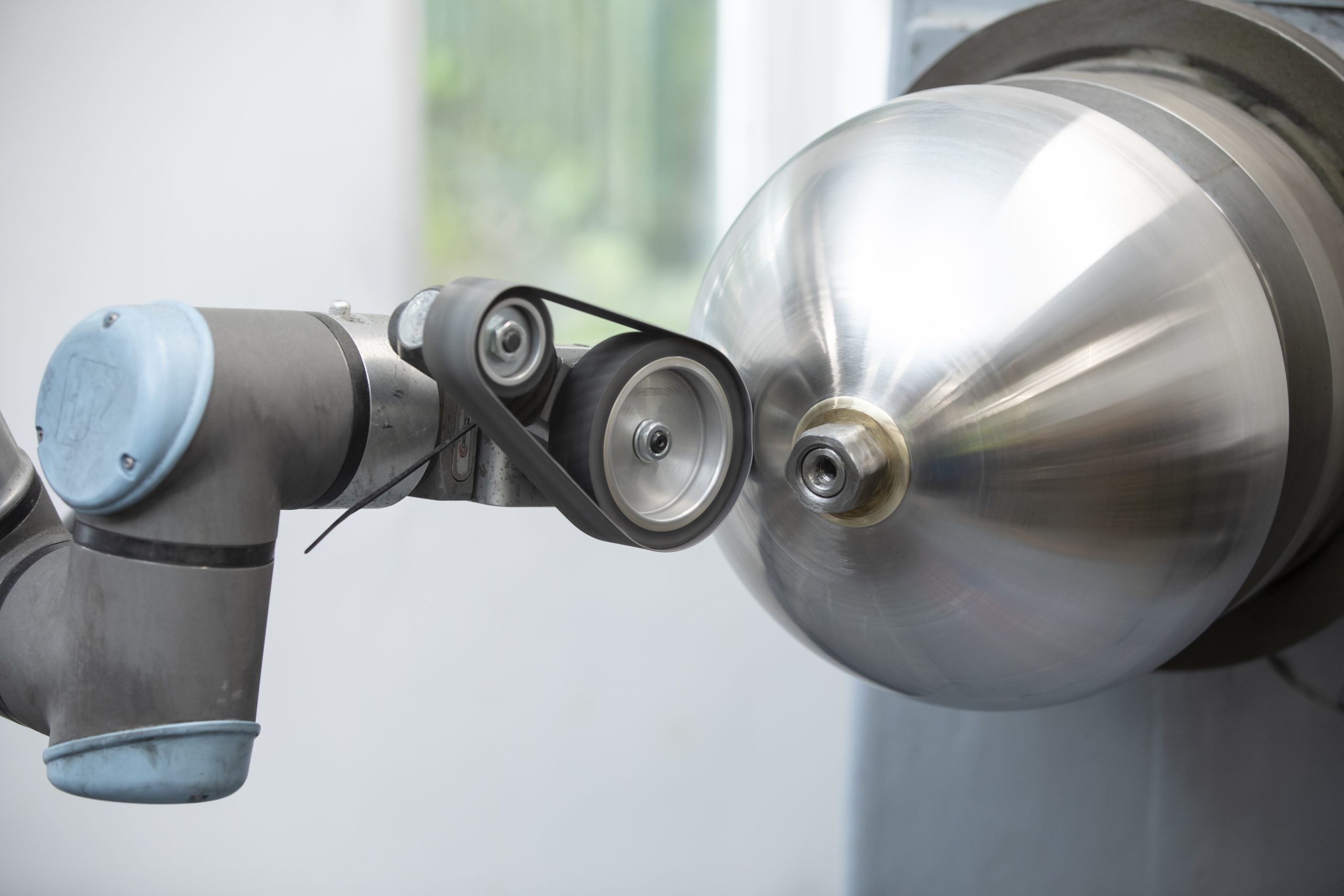
- Spinning: Good tolerances; surface finish can be further enhanced with polishing.
- Flow Forming: Typically achieves tighter tolerances (±0.05mm or better) and superior as-formed surface finishes, reducing secondary machining requirements.
Size Capabilities Tanfield can spin parts up to 2.4m in diameter. Flow forming is particularly effective for longer tubular components within similar diameter ranges.
Production Economics
- Spinning: Lower tooling costs and faster setup make it more economical for lower volumes or frequent design changes.
- Flow Forming: Higher initial investment but lower per-part costs at higher volumes, especially when material savings and reduced machining are factored in.
Materials Both processes work with a broad range including aluminium, stainless steel, carbon steel, copper, brass, titanium, and high-performance alloys. Flow forming often excels with harder materials due to the intense forces involved.
When to Choose Metal Spinning
Opt for traditional or CNC metal spinning when your project involves:
- Complex Geometries: Dished ends, conical reducers, bell mouths, or parts with flanges, rims, or multiple curves.
- Prototyping and Low-to-Medium Volumes: Rapid iteration with minimal tooling investment.
- Cost-Sensitive Applications: Where material thickness variation is acceptable or beneficial.
- Large Diameter Parts: Spinning handles very large blanks efficiently.
- Aesthetic or Decorative Components: Excellent surface quality that can be easily polished or finished.
Common applications at Tanfield include lighting reflectors, ventilation components, pressure vessel ends, agricultural equipment parts, and architectural features.
Advantages in Practice: Shorter lead times, greater design freedom, and lower upfront costs make spinning the go-to process for many custom or evolving projects.
When to Choose Flow Forming
Flow forming is the superior choice for:
- High-Performance Tubular Parts: Drive shafts, cylinders, missile casings, hydraulic components, or high-pressure tubes.
- Weight-Critical Applications: Aerospace, automotive, and defence where strength-to-weight ratio is paramount.
- Precision Tolerance Requirements: Medical equipment, instrumentation, or parts needing minimal post-processing.
- High-Volume Production: Once tooled, flow forming delivers consistent, high-quality parts efficiently.
- Material Efficiency: Significant thinning reduces raw material usage and weight.
Examples include precision liners, sensor housings, filter bodies, and specialised pressure vessels.
Advantages in Practice: Superior mechanical properties, tighter tolerances, and excellent fatigue performance often justify the process for demanding engineering applications.
Hybrid Approaches and Combined Capabilities
Many projects benefit from combining both processes. For instance, a part may be initially spun to create the basic shape, then flow formed for final wall reduction and precision. Tanfield’s comprehensive in-house capabilities — including spinning, pressing, machining, fabrication, and finishing — allow seamless integration of these techniques.
Decision-Making Framework
Consider these questions when choosing:
- What are the dimensional tolerances and surface finish requirements?
- Is weight reduction or maximum strength critical?
- What is the production volume and expected product lifecycle?
- How complex is the geometry?
- What material and thickness are specified?
- What are the total cost and lead time targets?
Our engineering team at Tanfield provides expert guidance, often starting with a free drawing review or initial concept discussion to recommend the most suitable process.
Real-World Benefits and Case Studies
Manufacturers who partner with Tanfield for these processes frequently report:
- Reduced material costs through optimised forming.
- Faster time-to-market for new products.
- Improved component performance and durability.
- Simplified supply chains with one UK-based partner handling multiple operations.
In one renewable energy project, spinning was used for large conical transitions, while flow forming delivered high-strength tubular supports — delivering both cost efficiency and structural integrity.
Why Choose a UK Specialist Like Tanfield Metal Spinners?
- Proven Expertise: Decades of experience across spinning and related forming technologies.
- Extensive Tooling and Automation: Large in-house resources for speed and flexibility.
- Full Traceability and Quality: ISO 9001 accredited with rigorous inspection.
- End-to-End Solutions: From design support to finishing and assembly.
- Responsive Service: Fast quotations (90% within 24 hours) and reliable delivery.
Our 100% British manufacturing ethos ensures supply-chain security, ethical standards, and support for UK industry.
Future Trends in Metal Forming
Advances in CNC controls, simulation software, and hybrid additive/manufacturing techniques are further enhancing both spinning and flow forming. Sustainability pressures are driving greater material efficiency — an area where both processes already excel.
Make the Right Choice for Your Tubular and Cylindrical Parts
Selecting between metal spinning and flow forming (or a combination) can significantly impact your project’s success, cost, and performance. Tanfield Metal Spinners offers the expertise, technology, and flexibility to guide you toward the optimal solution.
Contact Us Today Visit metal-spinners.com or reach out for a no-obligation discussion. Whether you have detailed drawings or just a concept, our team is ready to help you choose and implement the best metal forming strategy.
Tanfield Metal Spinners — Delivering precision, flexibility, and reliability in UK metal forming since 1984.
< Blogs < Metal Spinning vs. Flow Forming: When to Choose Each for Tubular and Cylindrical Parts
More Blogs