 Metal Spinning
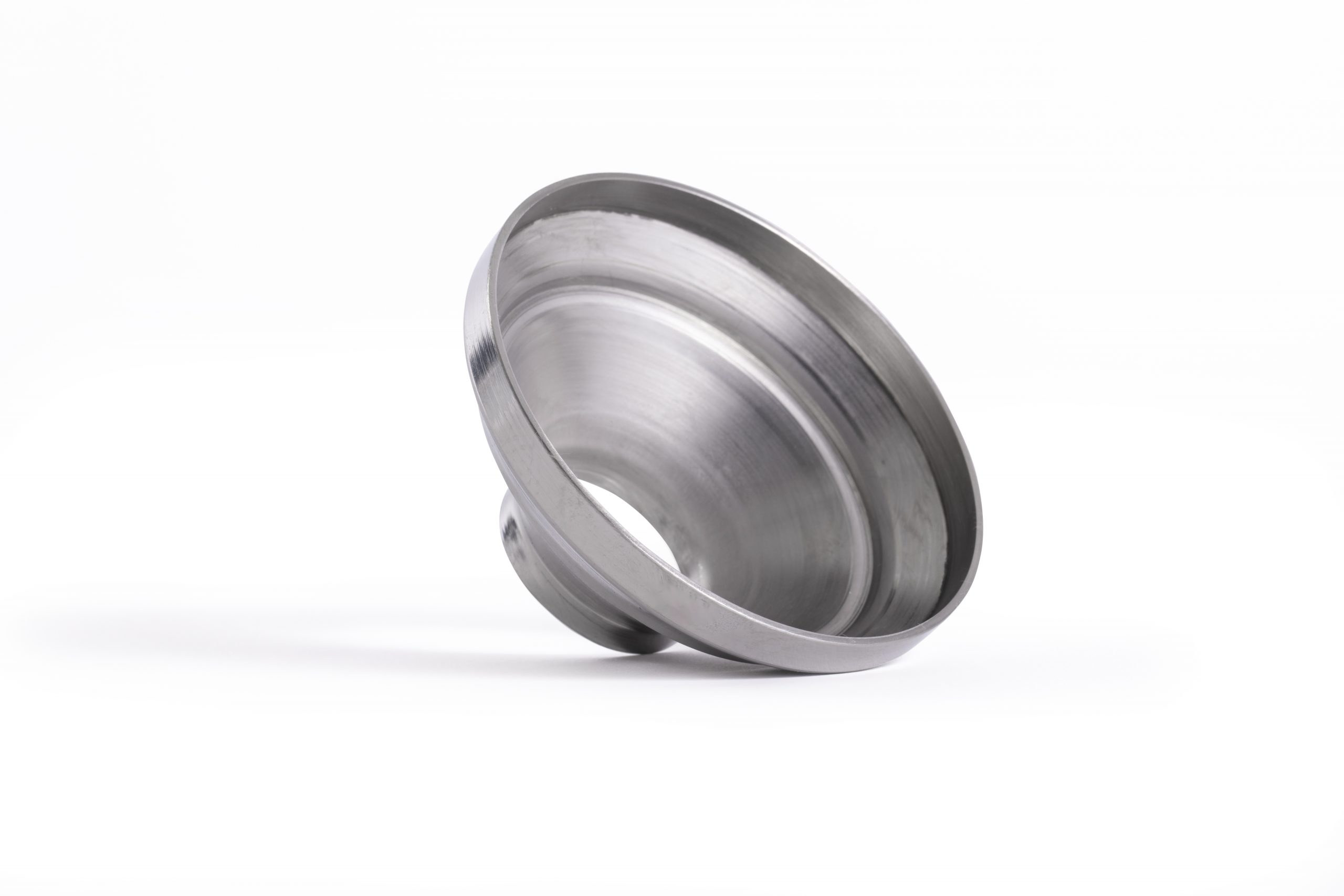 Bespoke Metal Spinning
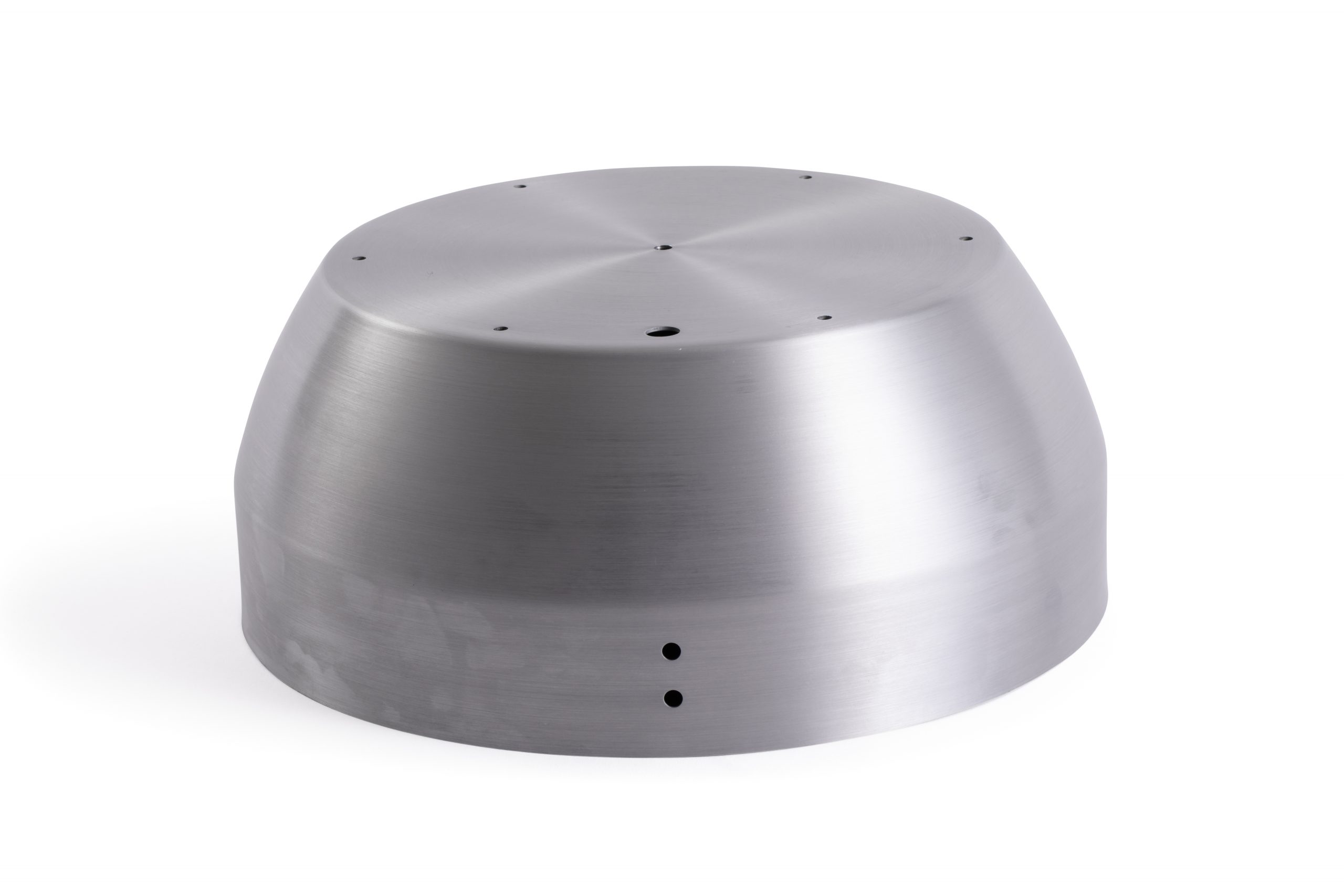 Metal Polishing
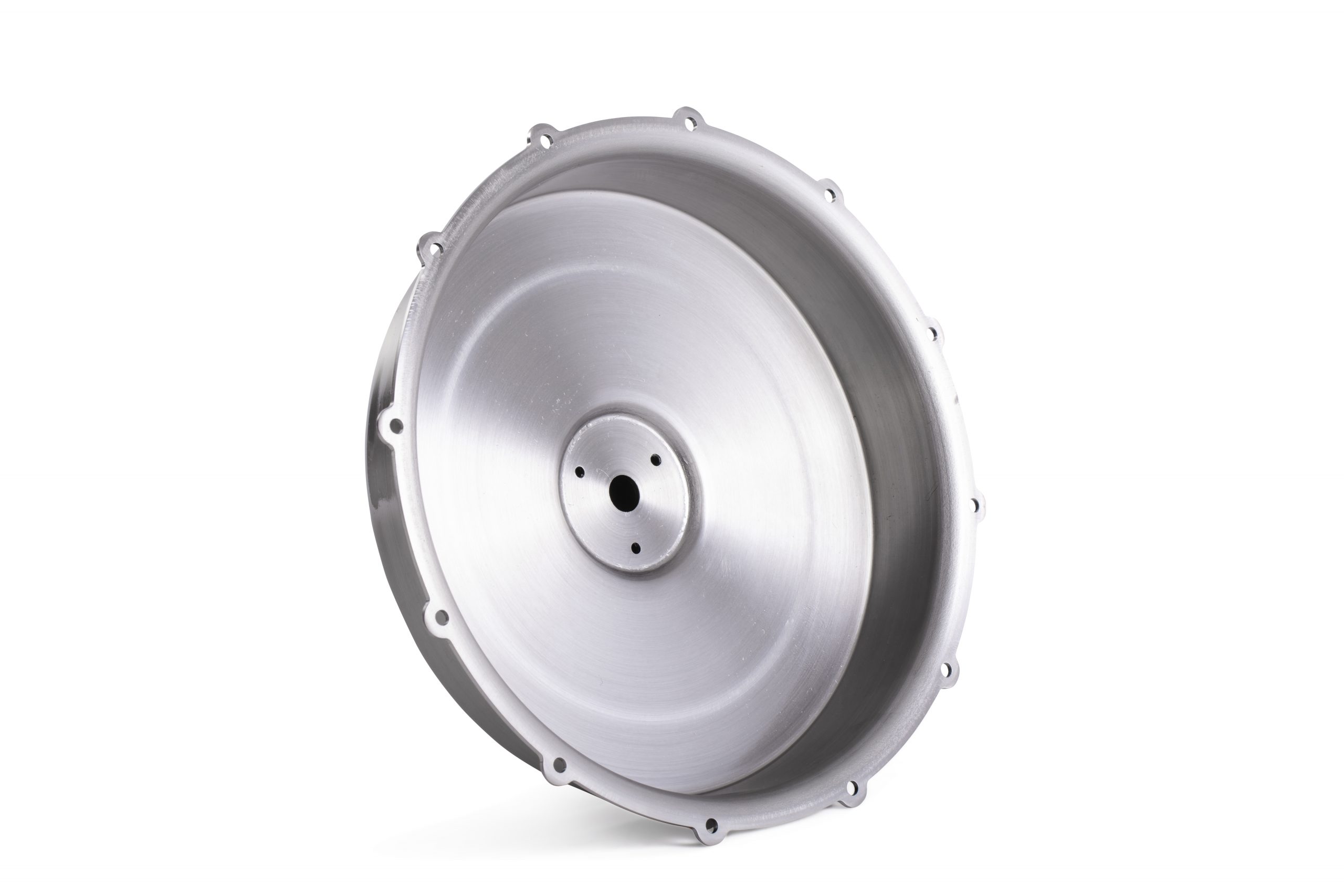 Machining
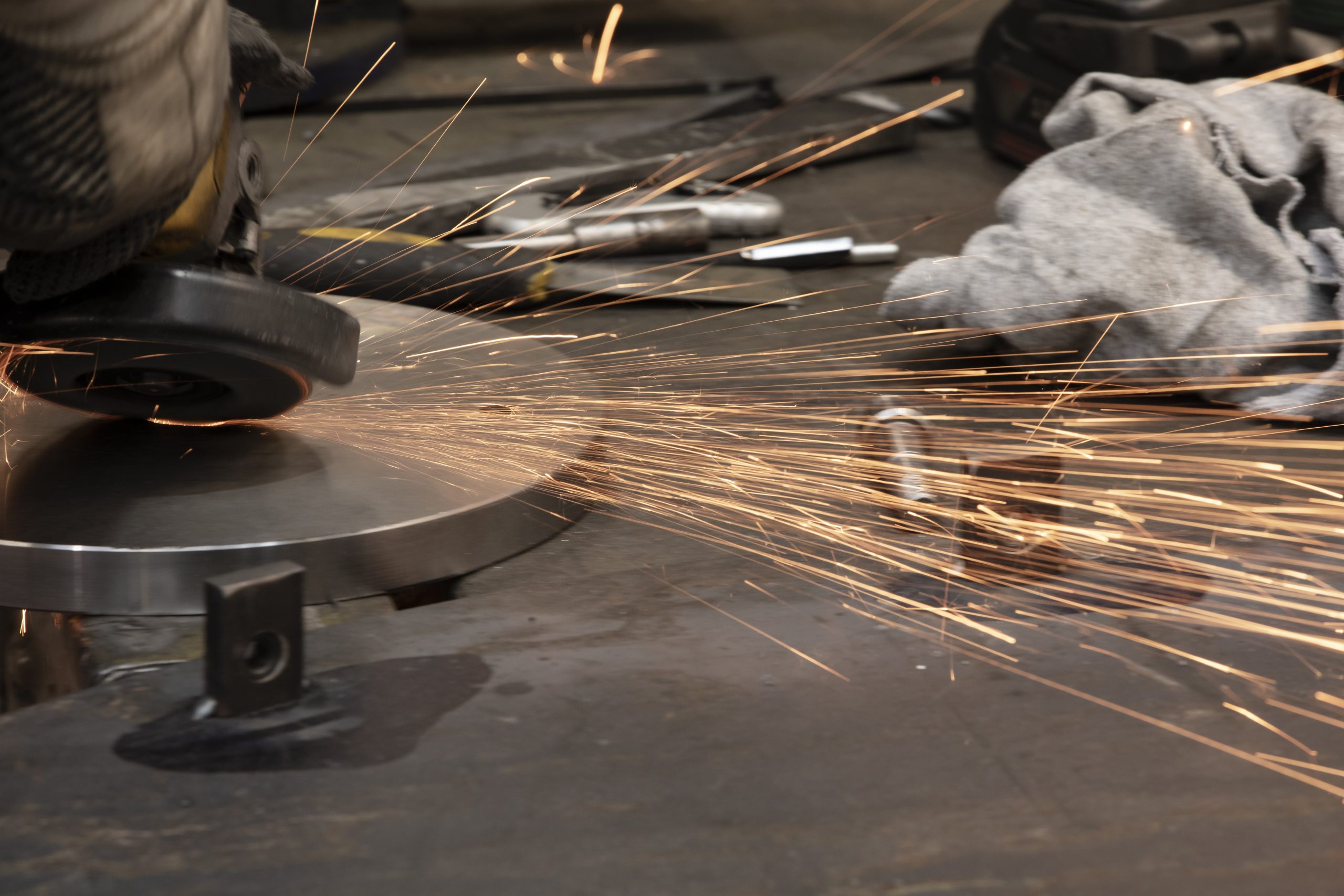 Metal Pressing
 Metal Swaging
 Metal Fabrication & Welding
 Precision Engineering
 Laser Cutting
 Inspection and Quality
 Anodising, Electropolishing and Pickling & Passivating
 Agriculture
 Automotive
 Air Movement
 Food Industry
 Marine
 Medical and Cryogenic
 Playground
 Pressure Vessels
 Renewable Energy
 Safety
Industries that Benefit Most from Metal Spinning
< Blogs < Industries that Benefit Most from Metal Spinning
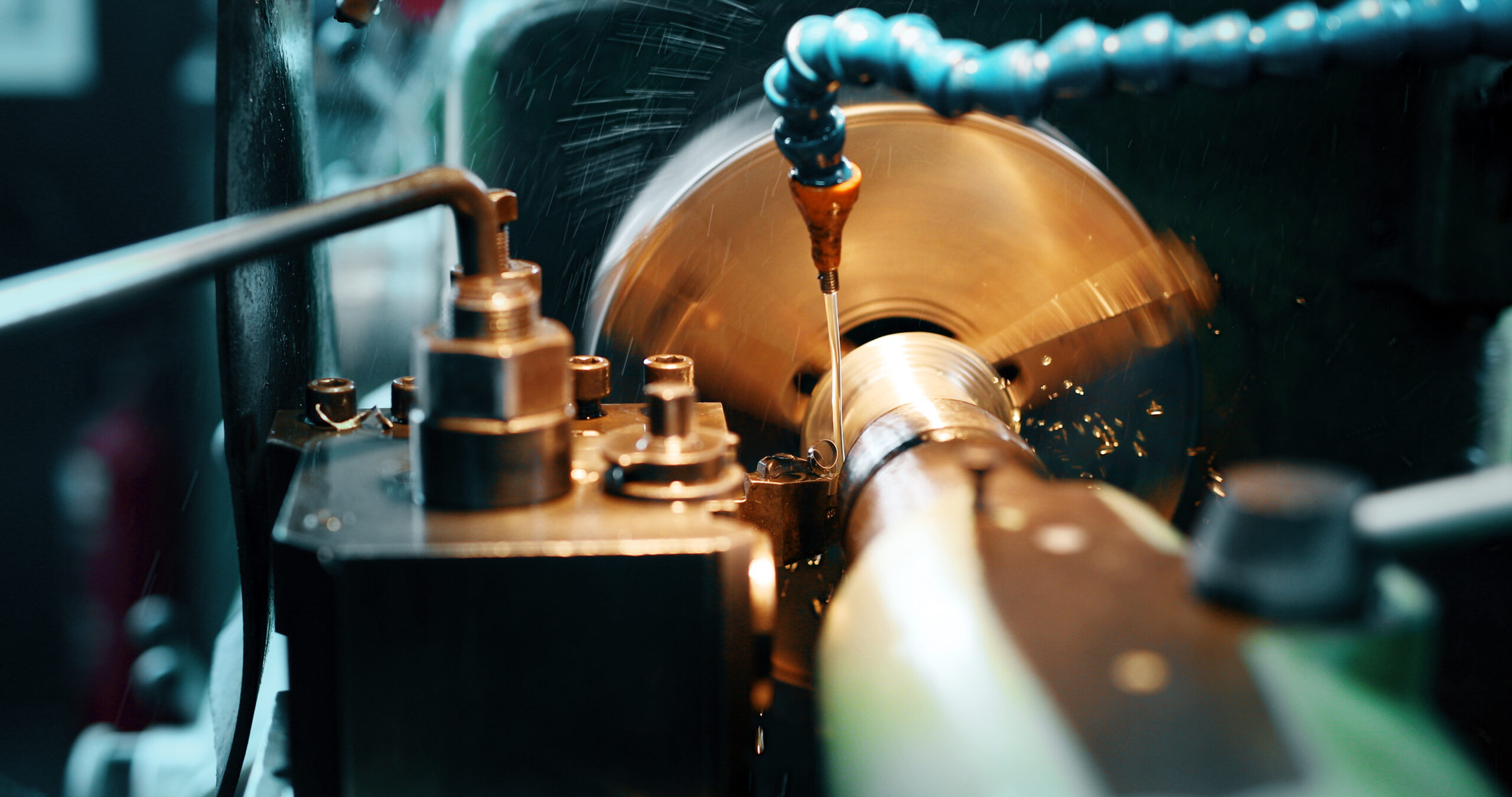
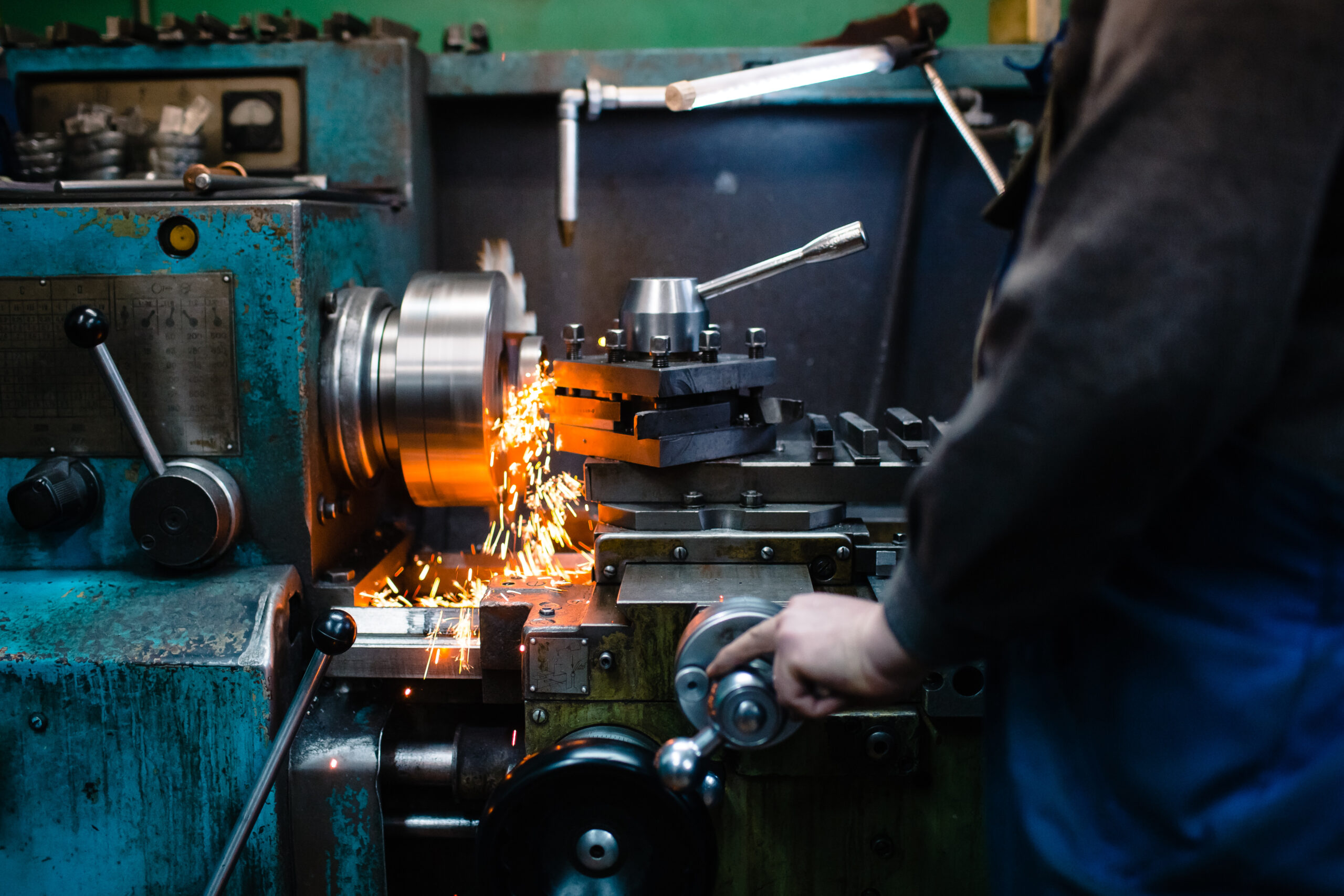
Metal spinning is one of the most versatile, cost-effective, and efficient metal-forming processes available today. By rotating a flat metal blank on a high-speed lathe and shaping it with CNC-controlled rollers, manufacturers can create complex, rotationally symmetrical parts with minimal waste, excellent strength, and tolerances discussed with the customer prior order.
While many industries use metal spinning, certain sectors gain exceptional advantages from its unique capabilities — low tooling costs, rapid prototyping, superior material properties, and scalability from one-off prototypes to high-volume production.
At Tanfield Metal Spinners, specialists in precision metal spinning since 1984, we work with leading companies across the UK and Europe. Operating from our 35,000 sq ft facility with advanced CNC automation and one of the largest tooling libraries in Britain, we deliver high-performance spun components to industries where quality, efficiency, and value truly matter.
This article explores the industries that benefit most from modern metal spinning and why they choose it over stamping, machining, casting, or deep drawing.
1. Aerospace & Defence
The aerospace and defence sectors demand lightweight, high-strength, and extremely precise components that can withstand demanding conditions.
Why metal spinning excels here:
- Produces seamless, one-piece parts with no welds (reducing failure points)
- Excellent strength-to-weight ratio through work hardening
- Ability to spin Aluminium, stainless, mild steel, copper, brass and many more.
Common applications:
- Nose cones and fairings
- Engine nacelle components
- Fuel tanks and ducting
- Radar and sensor housings
- Missile and drone components
Tanfield Metal Spinners regularly supplies AS9100-aligned aerospace manufacturers with lightweight, high-integrity spun parts that help reduce aircraft weight and improve fuel efficiency.
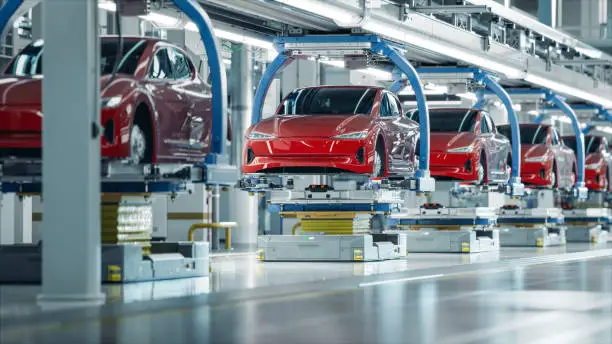
2. Automotive & Electric Vehicles (EV)
The automotive industry, especially the fast-growing EV sector, benefits enormously from metal spinning’s ability to produce complex shapes quickly and economically.
Key advantages:
- Lower tooling costs than stamping dies (ideal for new vehicle platforms)
- Rapid design iterations during development
- Lightweight components that extend vehicle range
- High repeatability for medium-to-high volume production
Typical parts:
- Battery enclosures and trays
- Exhaust system components
- Motor housings
- Heat shields and structural brackets
3. Renewable Energy
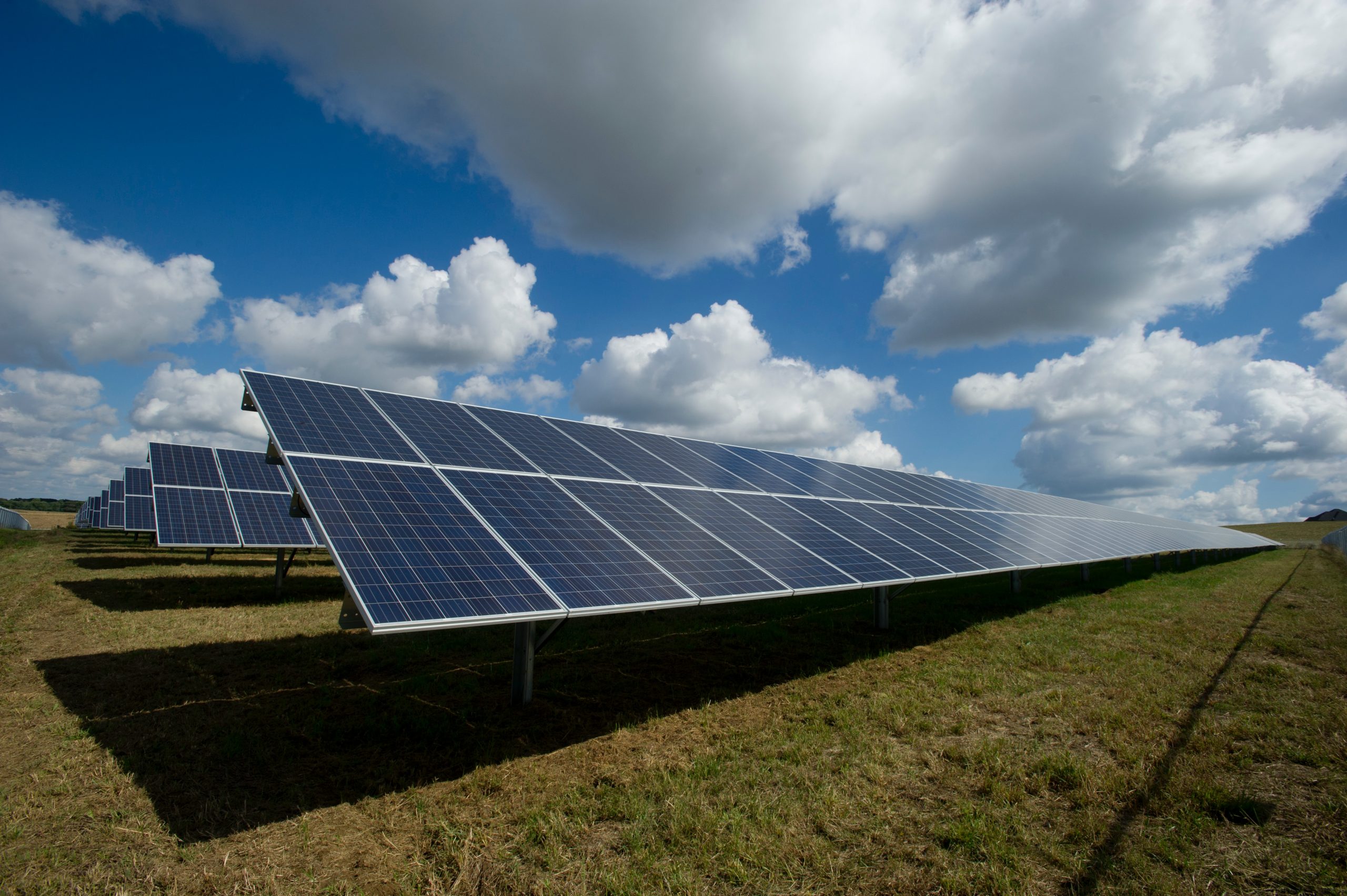
As the world transitions to clean energy, metal spinning plays a vital role in manufacturing durable, efficient components for wind, solar, and hydrogen technologies.
Why it’s preferred:
- Ability to create large-diameter, thin-walled parts
- Excellent corrosion resistance when using stainless steel or aluminium
- Cost-effective production of parabolic and conical shapes
- Long service life with minimal maintenance
Applications include:
- Wind turbine nacelle components and hubs
- Solar concentrator dishes and tracker parts
- Hydrogen pressure vessels and end caps
- Biomass and anaerobic digestion tank components
Tanfield Metal Spinners supports the UK’s net-zero goals by supplying precision spun parts to many renewable energy projects across Britain.
4. Medical & Scientific Equipment
Precision, hygiene, and material compatibility make metal spinning highly valuable in the medical sector.
Benefits for medical manufacturers:
- Seamless, easy-to-clean surfaces with no crevices
- Compatibility with sterilisation processes
- Use of medical-grade stainless steel and aluminium
- Fast turnaround for custom or low-volume equipment
Common components:
- MRI and imaging machine housings
- Sterile laboratory equipment
- Centrifuge bowls and rotors
- Medical gas cylinders and enclosures
- Surgical lighting reflectors
Our ISO-certified processes and full traceability give medical customers complete confidence in every batch.
5. Architectural & Construction
Architects and designers increasingly specify metal spinning for its ability to create elegant, structural, and functional elements.
Advantages in architecture:
- Freedom to create complex curved geometries
- Large-scale components up to 2.4 metres diameter
- Beautiful surface finishes suitable for powder coating or polishing
- Lightweight yet strong structures
Popular applications:
- Decorative lighting fixtures
- Feature domes and canopies
- Column capitals and balustrades
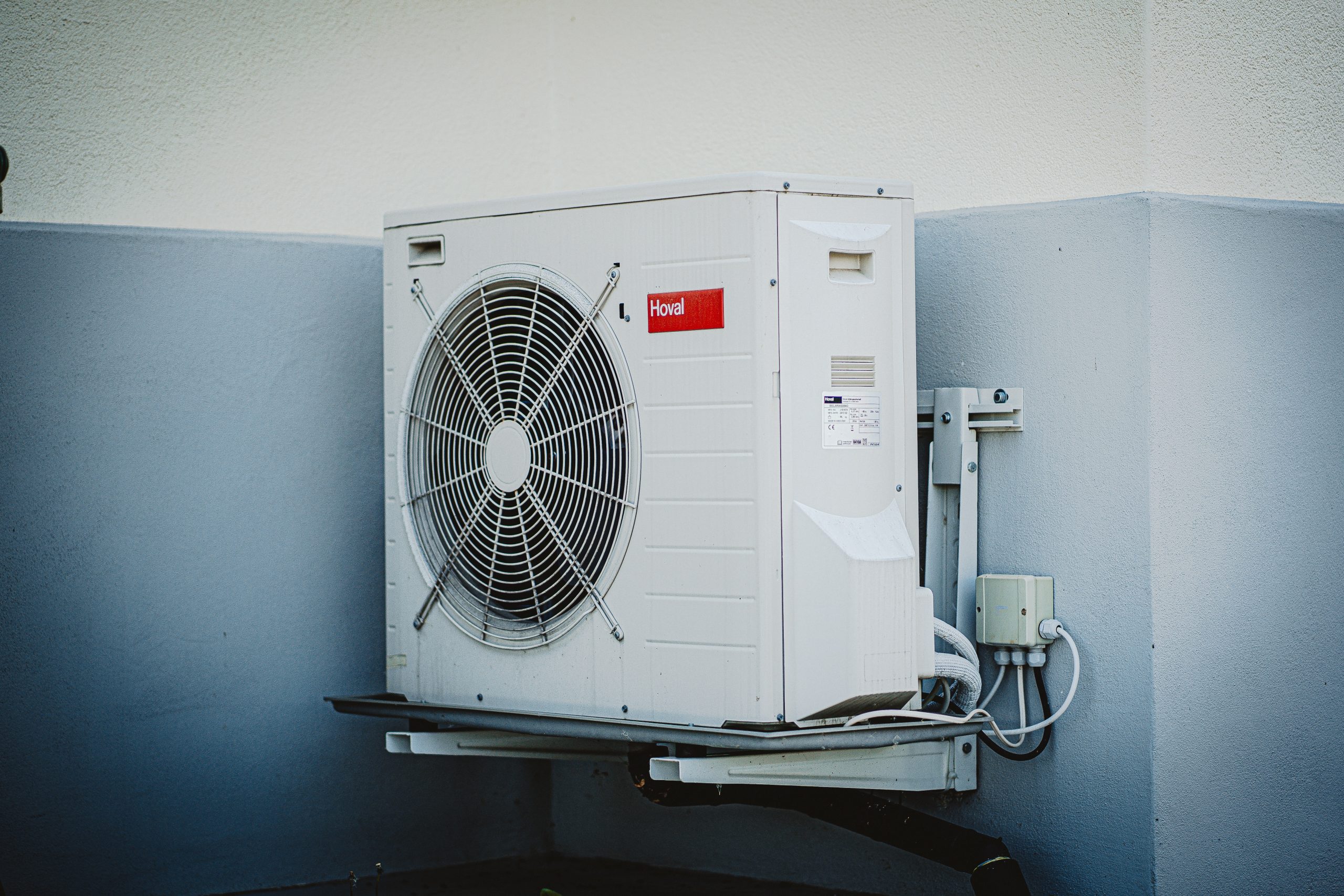
- Ventilation and HVAC components
- Facade cladding elements
Tanfield works with leading UK architectural metalwork companies to bring ambitious designs to life.
6. Industrial & Process Engineering
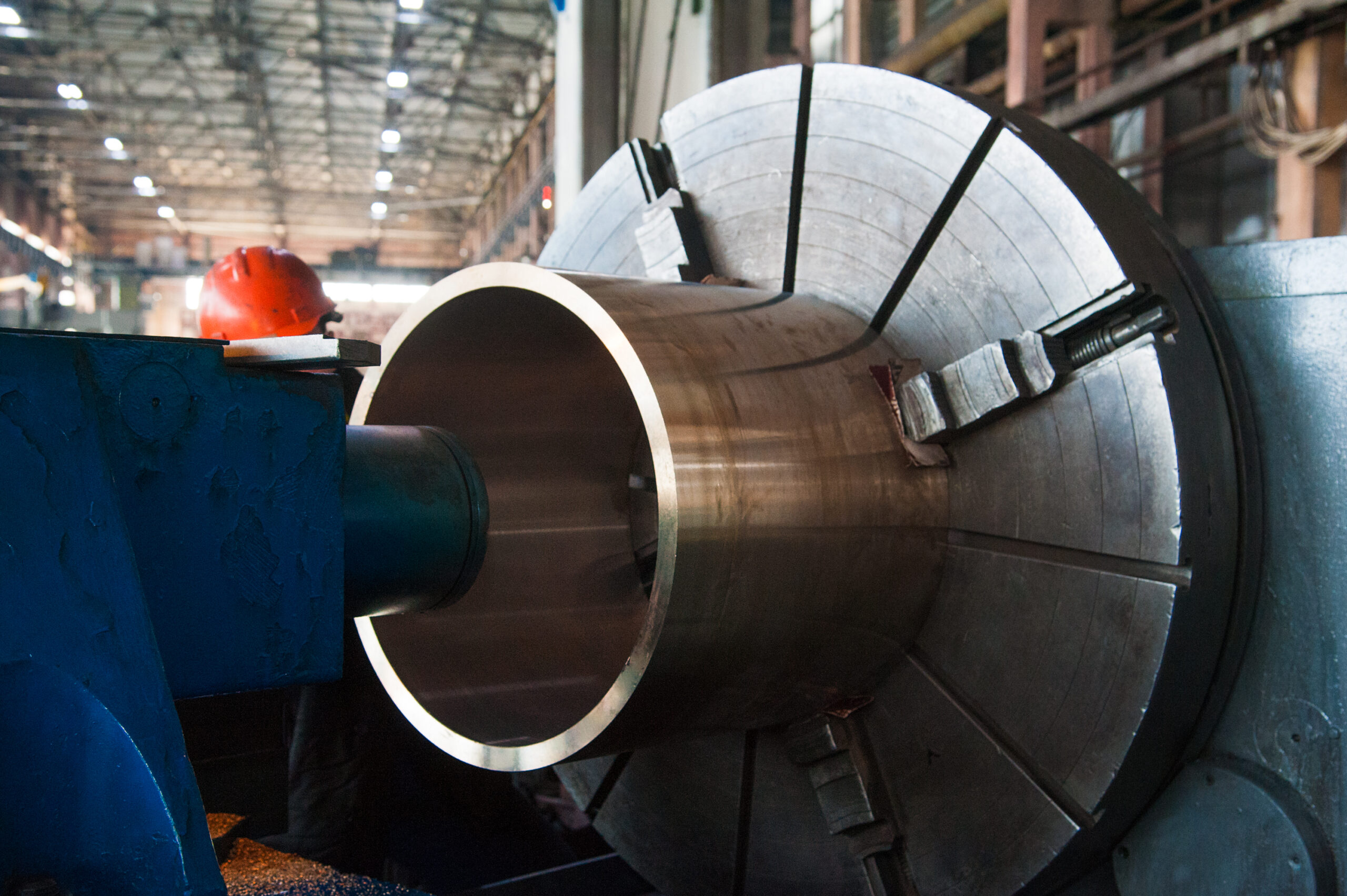
From pressure vessels to heavy machinery, many industrial applications rely on metal spinning for robust, cost-efficient parts.
Key benefits:
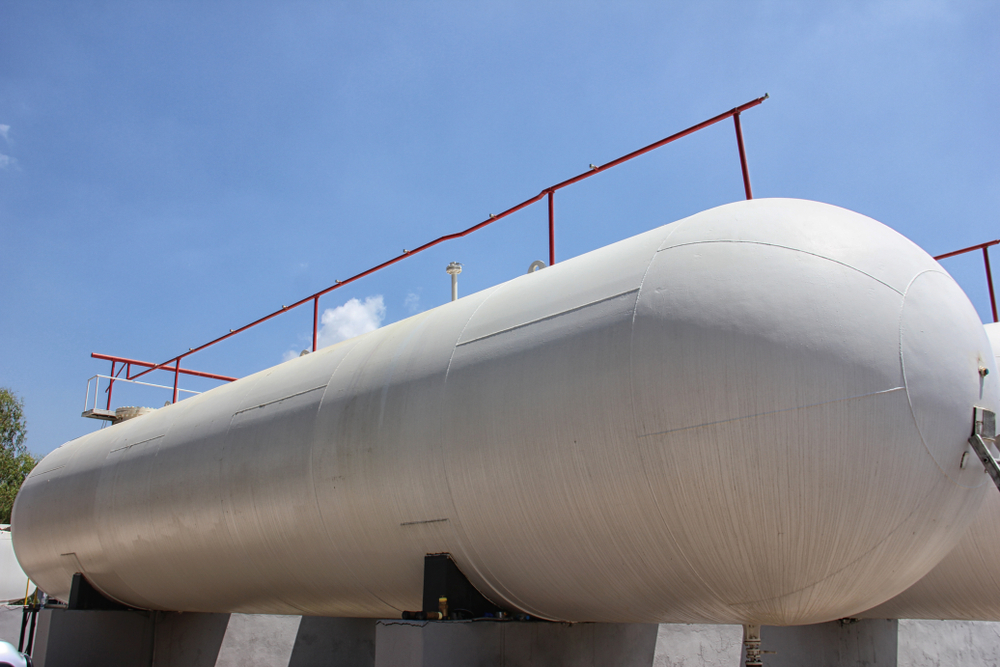
- Seamless dished ends and tank heads
- High-pressure resistance
- Custom flanges and cones
- Reduced fabrication time compared to welding multiple pieces
Typical parts:
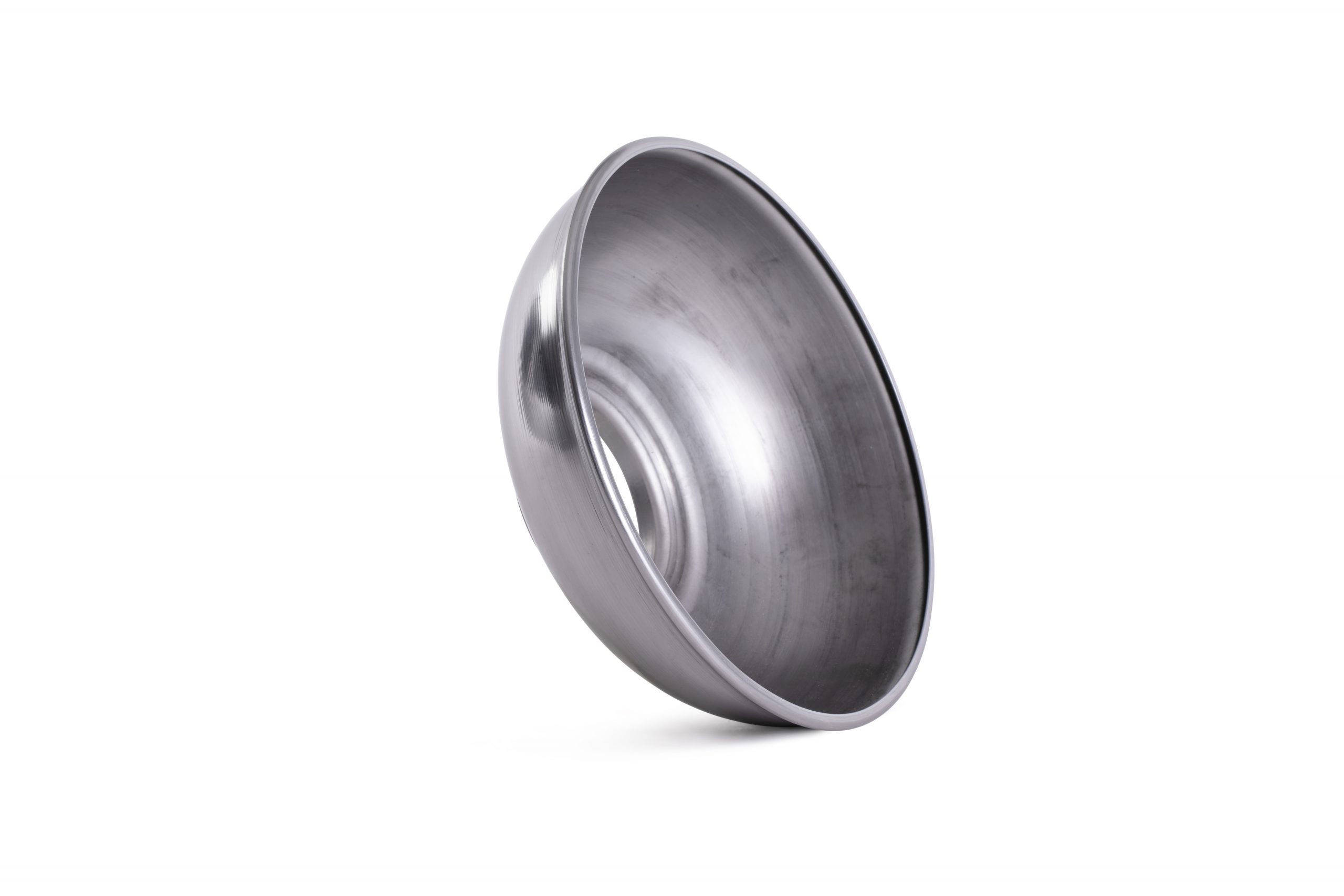
- Pressure vessel heads and dished ends
- Flat flanged ends
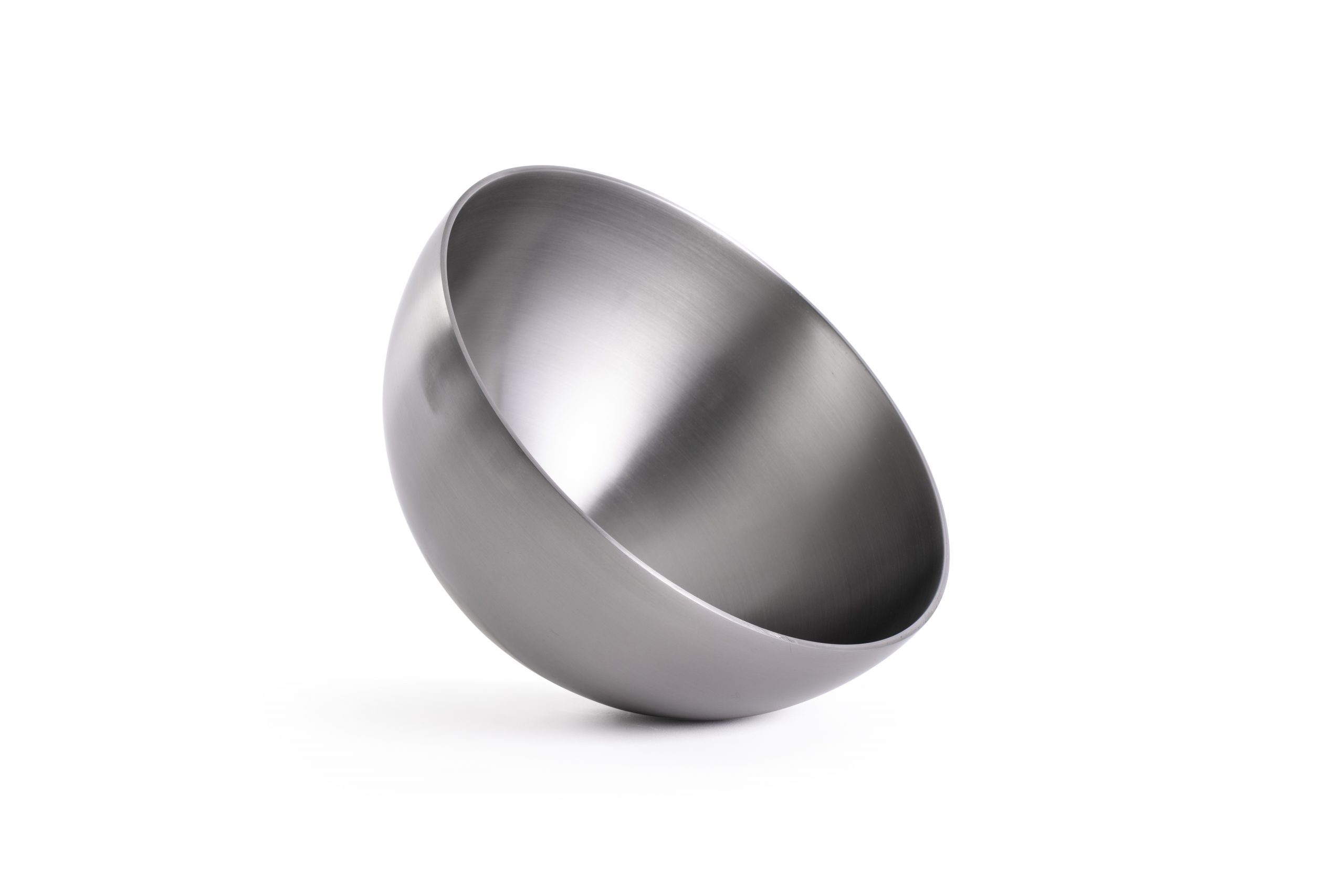
- Hemisphere’s
- Hoppers and funnels
- Mixing vessel components
- Fan housings and impellers
- Custom enclosures and safety guards
7. Marine & Offshore
The harsh marine environment demands corrosion-resistant, strong, and lightweight components — making metal spinning an ideal solution.
Applications include:
- Propeller fairings and cowls
- Exhaust silencers
- Custom deck fittings
Why These Industries Choose Tanfield Metal Spinners
These sectors choose metal spinning — and specifically Tanfield — because we offer:
- Over 40 years of specialist expertise
- Fully automated CNC spinning cells for consistency and lights-out production
- One of the largest tooling stocks in the UK — faster setup, lower costs
- In-house machining, fabrication, and finishing
- Full material traceability and quality certifications
- Design support from concept to series production
Whether you need a complex prototype next week or 5,000 identical parts per month, our integrated approach delivers outstanding results.
When Metal Spinning Delivers the Greatest Advantage
Industries benefit most from metal spinning when their components are:
- Rotationally symmetrical or near-symmetrical
- Required in low-to-medium volumes
- Need to be lightweight yet strong
- Benefit from seamless, one-piece construction
- Subject to tight budgets or short lead times
In these scenarios, metal spinning consistently outperforms stamping, machining, and fabrication in cost, performance, and sustainability.
Ready to Discover the Benefits for Your Industry?
If your business manufactures rotationally symmetric metal components, metal spinning could significantly reduce your costs, improve performance, and shorten lead times.
Contact the expert team at Tanfield Metal Spinners today for a no-obligation discussion about your project.