 Metal Spinning
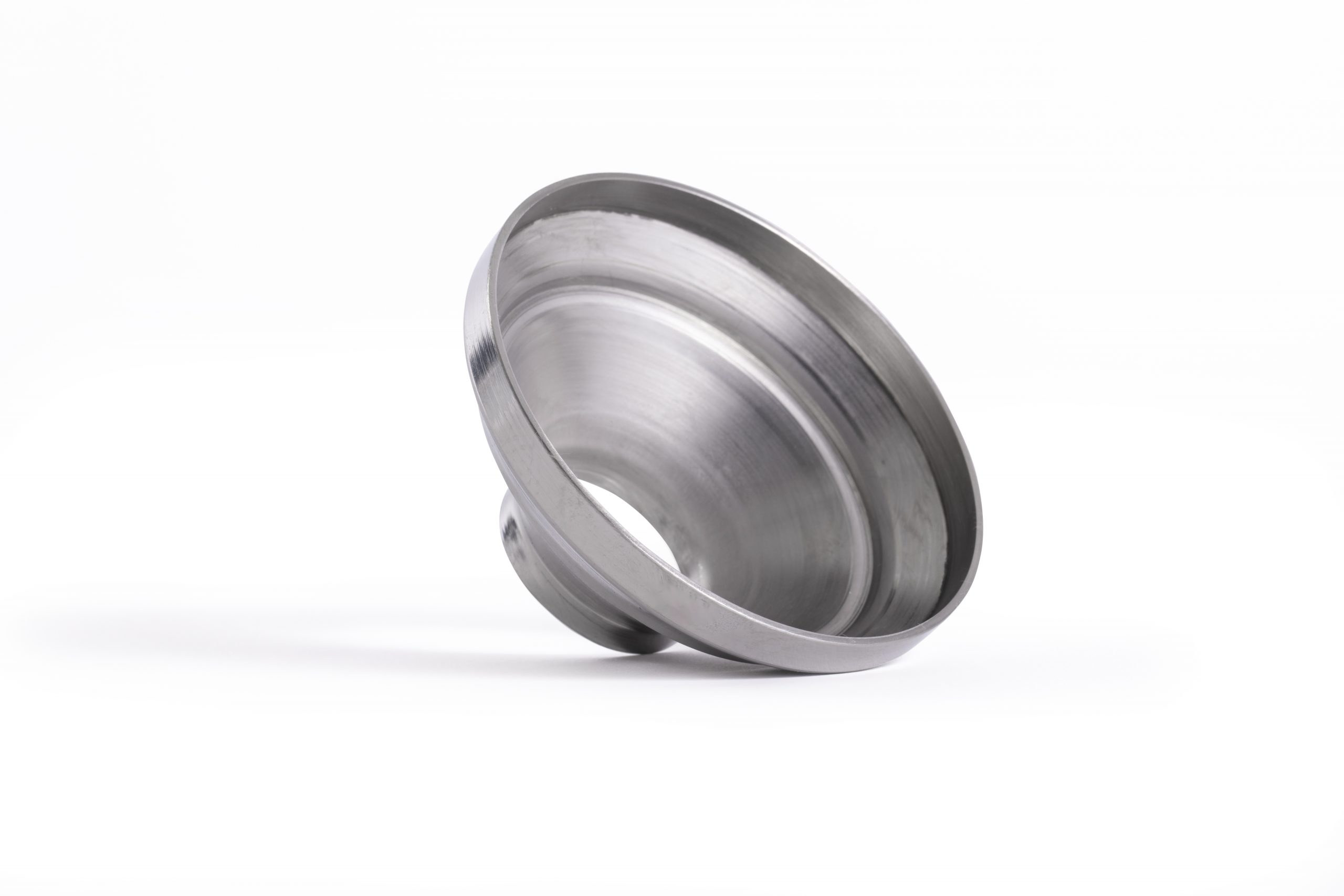 Bespoke Metal Spinning
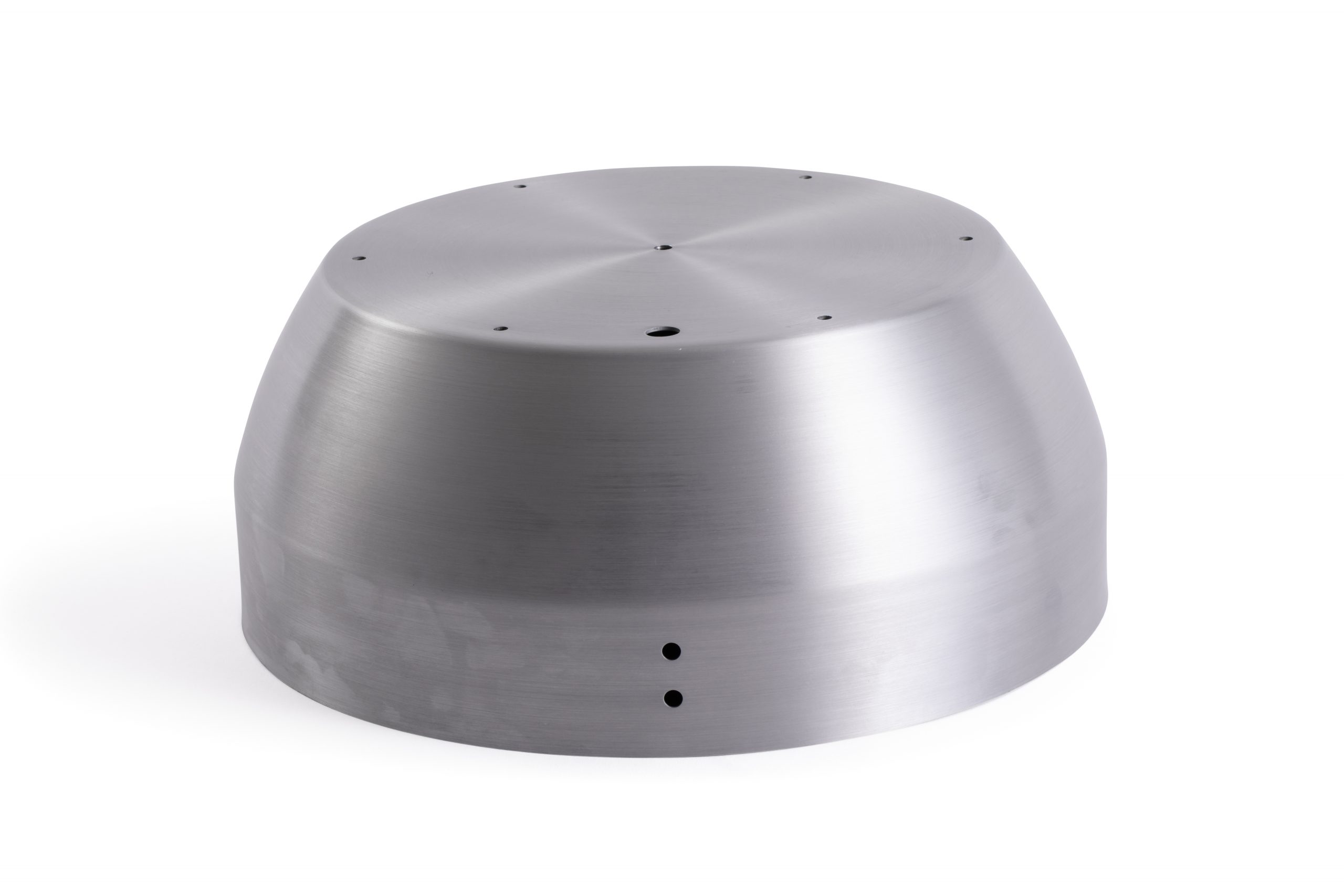 Metal Polishing
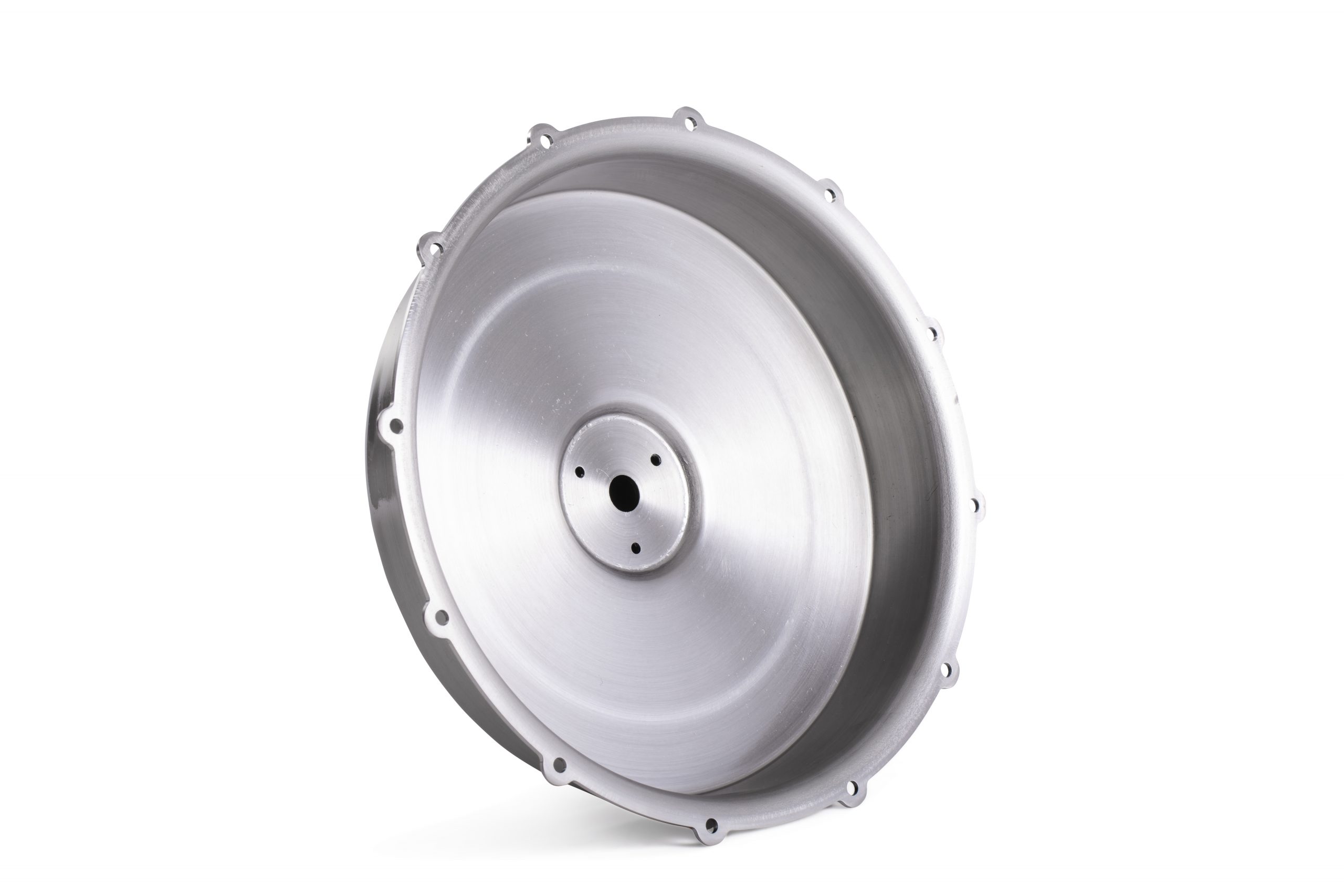 Machining
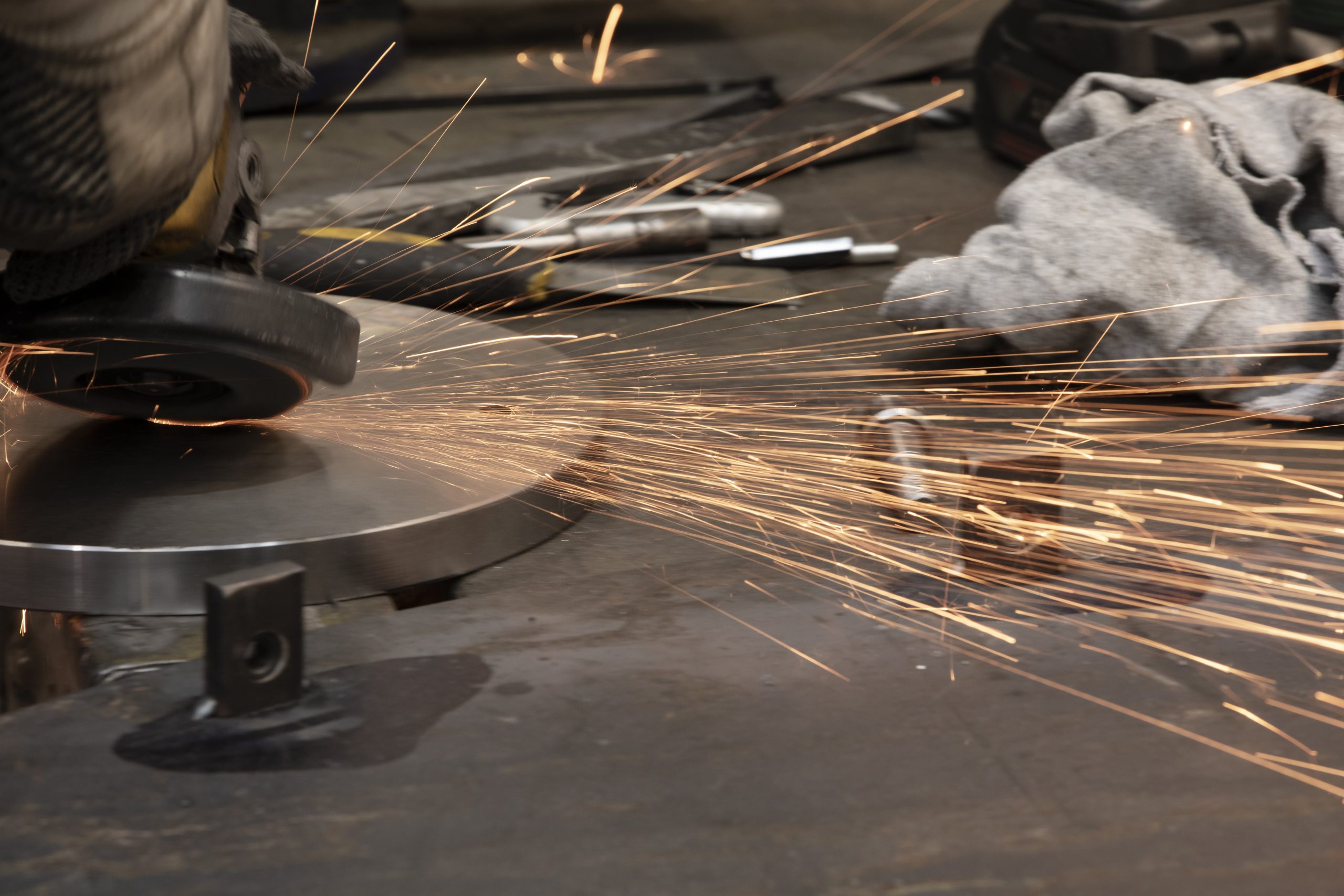 Metal Pressing
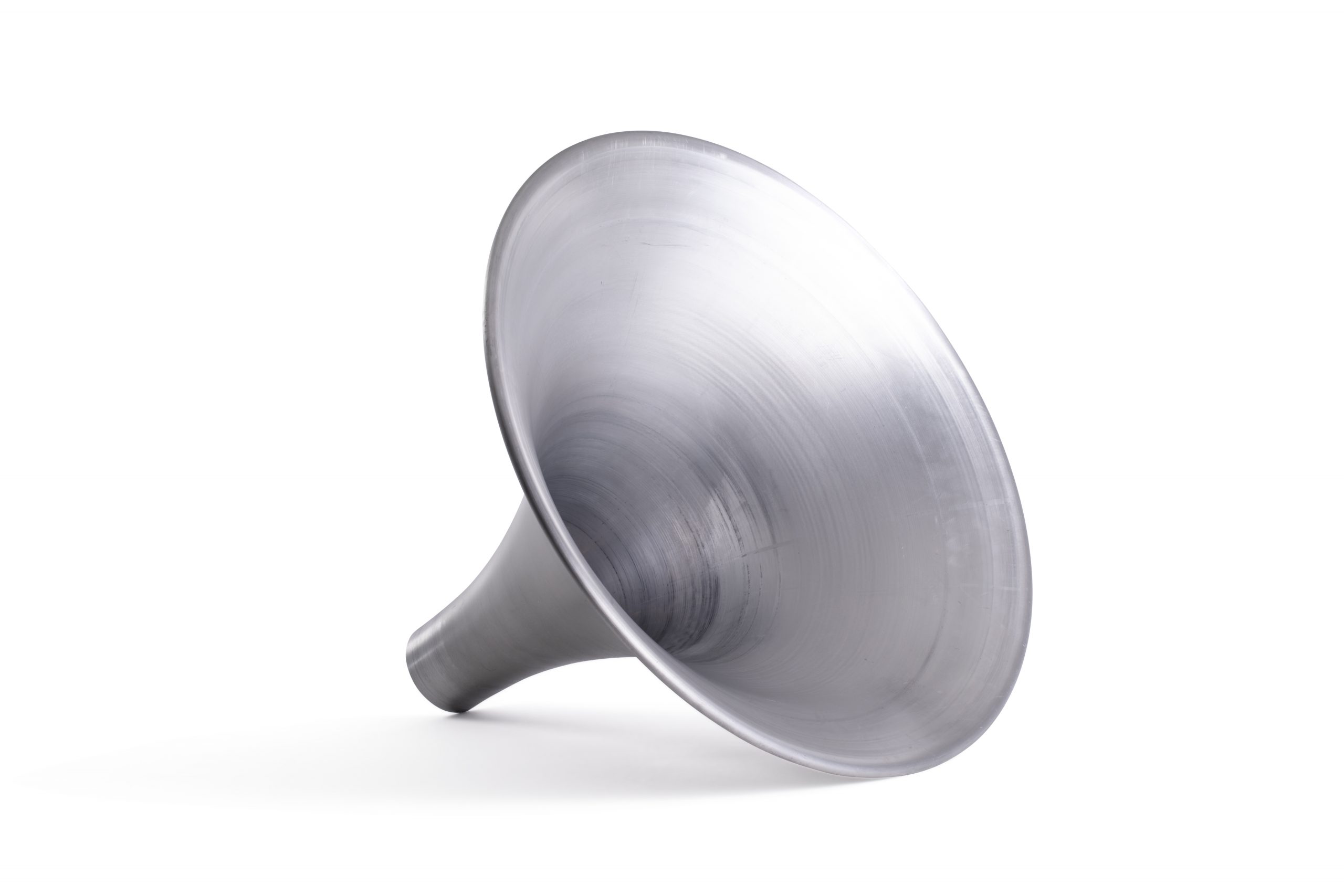 Metal Swaging
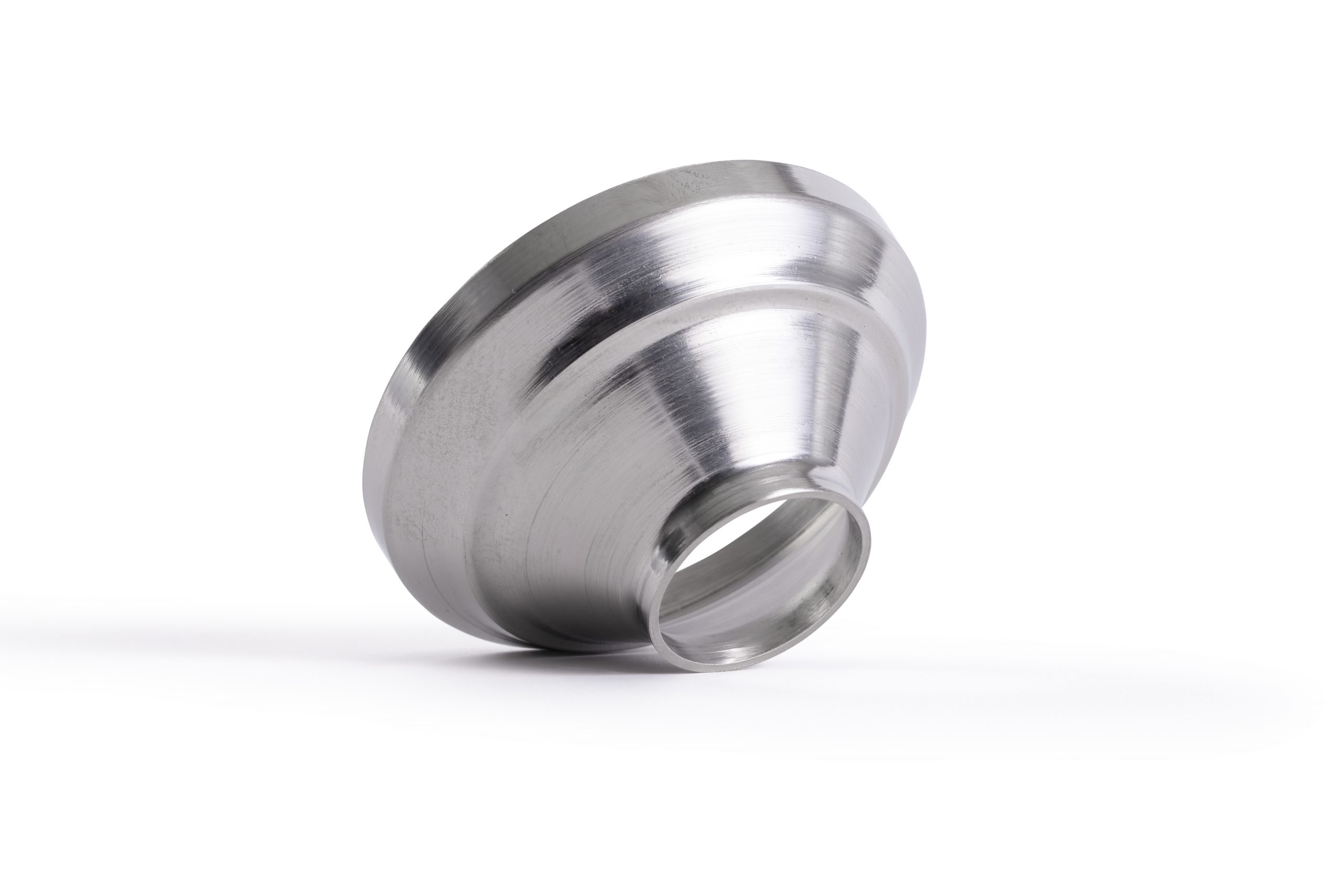 Metal Fabrication & Welding
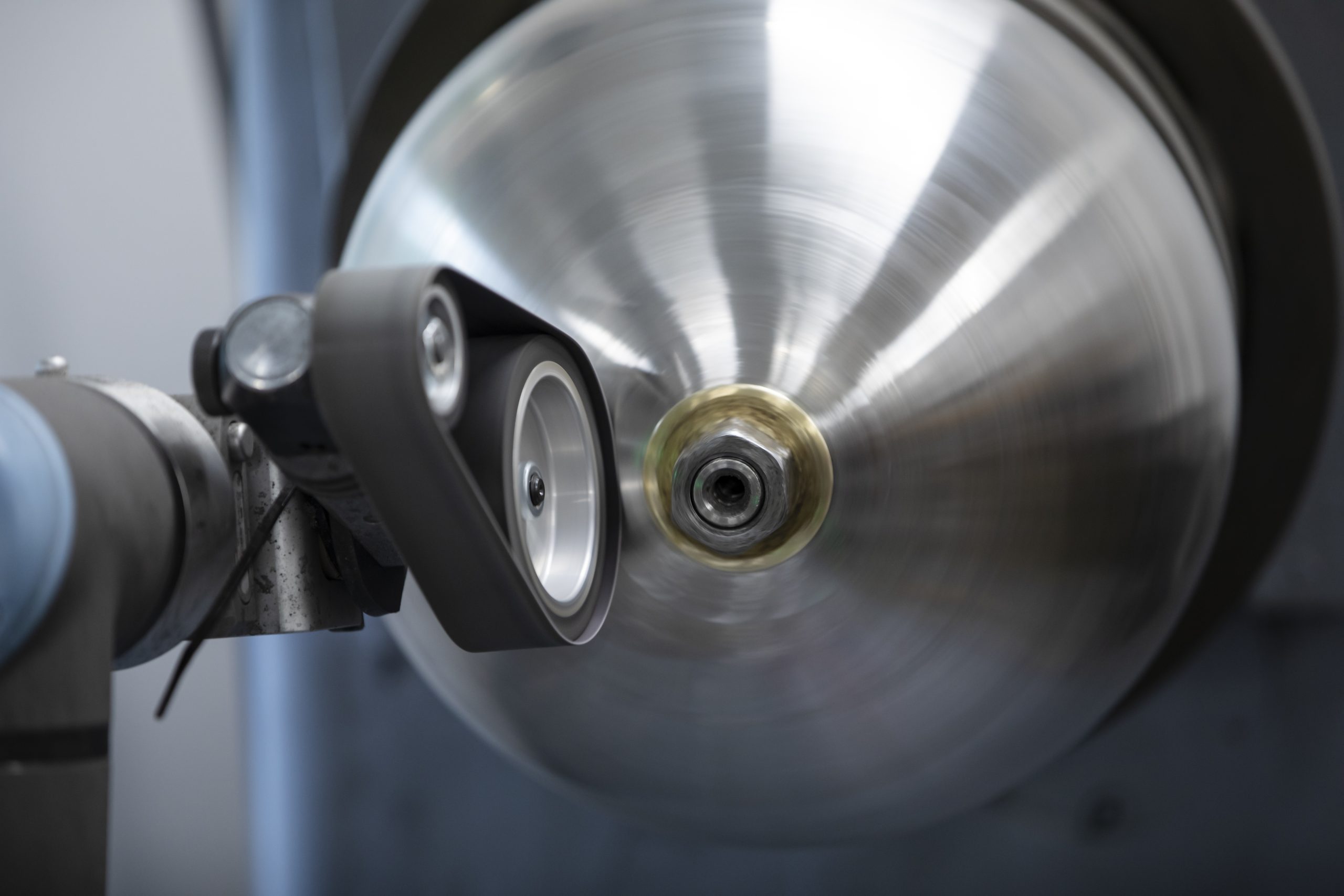 Precision Engineering
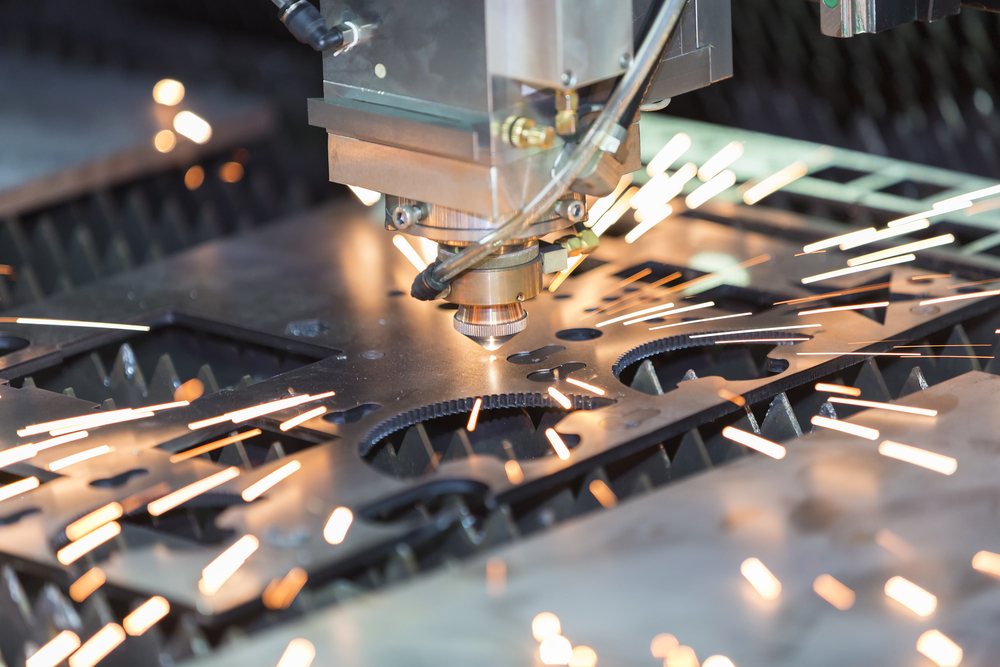 Laser Cutting
 Inspection and Quality
 Anodising, Electropolishing and Pickling & Passivating
 Agriculture
 Automotive
 Air Movement
 Food Industry
 Marine
 Medical and Cryogenic
 Playground
 Pressure Vessels
 Renewable Energy
 Safety
CNC Metal Spinning Lathes & Machines: Precision Work from Commercial Metal Spinners
< Blogs < CNC Metal Spinning Lathes & Machines: Precision Work from Commercial Metal Spinners
Metal spinning is how most industrial spun parts are made today. A programmed lathe forms a rotating blank over a mandrel, pass by pass, until the dish, dome, cone or cylinder matches the drawing. The skill has not disappeared. It has moved into the programme, the tool choice and the inspection pack.
This guide is for buyers who need precision metal spinning from commercial metal spinners, not a hobby lathe and not a press shop guessing at a round part. It covers what a CNC metal spinning lathe actually does, how a CNC metal spinning machine differs from hand or playback spinning, and what to put on an enquiry so the first off-tool part is usable.
What CNC metal spinning is
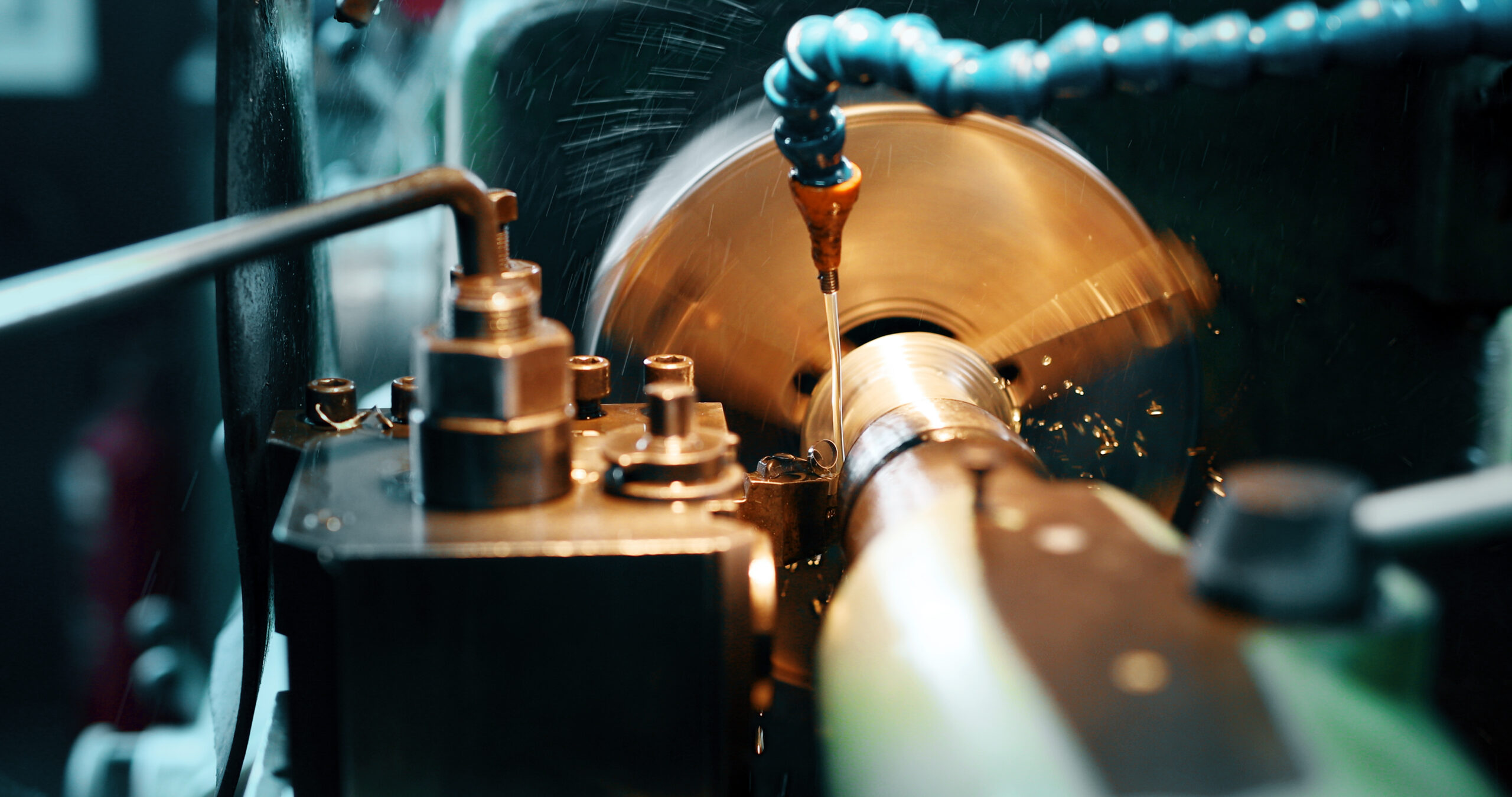
CNC metal spinning is spin forming under computer numerical control. A flat disc, or occasionally a preform, is clamped against a mandrel on a spinning lathe. The spindle turns. A forming roller follows a programmed path and works the metal onto the tool. Wall thickness is managed by the number of passes, the roller geometry and the feed, not by an operator’s feel alone.
That is the difference that matters on a production order. A hand spinner can make an excellent one-off. A CNC metal spinning machine stores the path and repeats it. Part two matches part one. Part two hundred still matches part one, provided the blank, the tool and the material batch stay inside the process window.
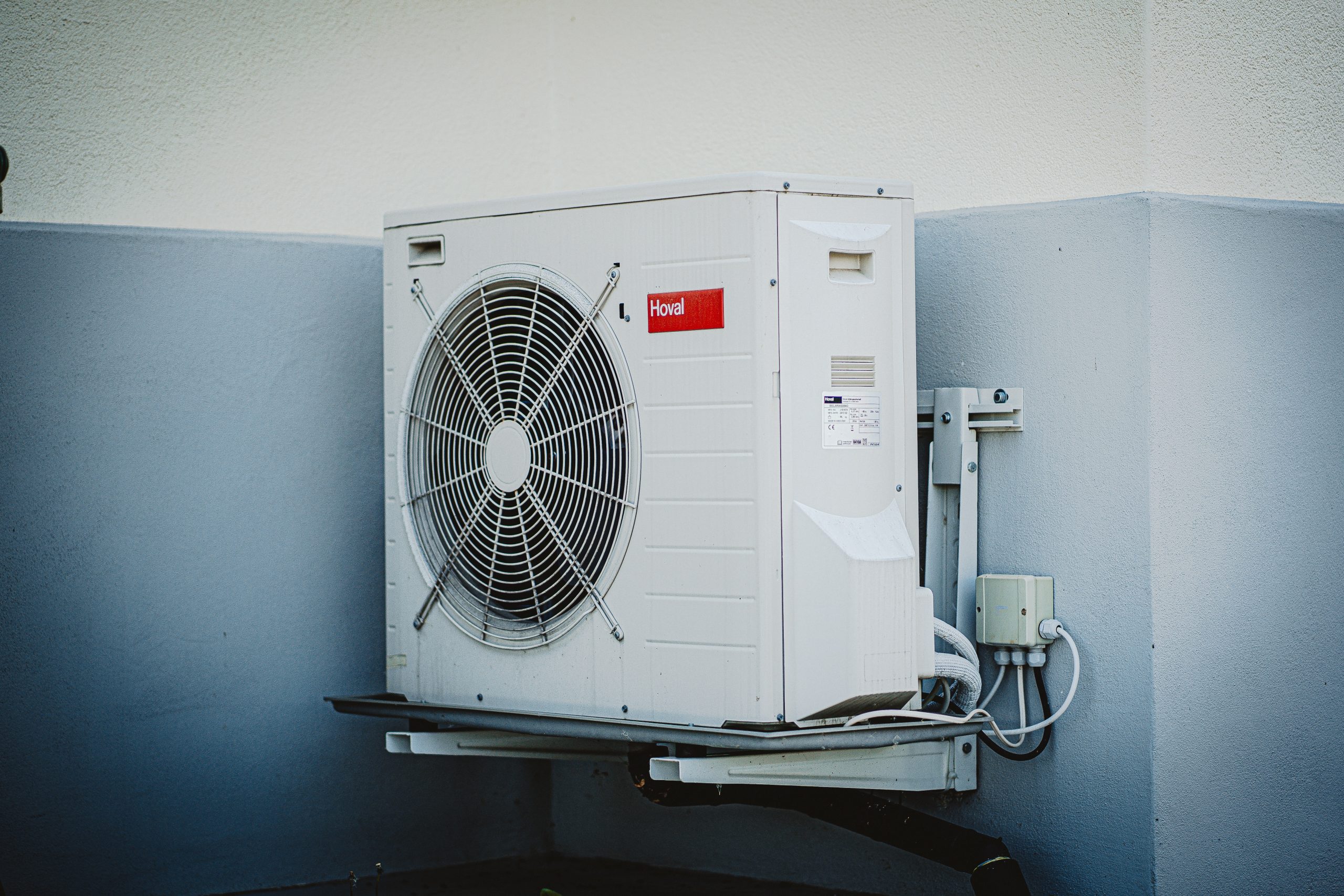
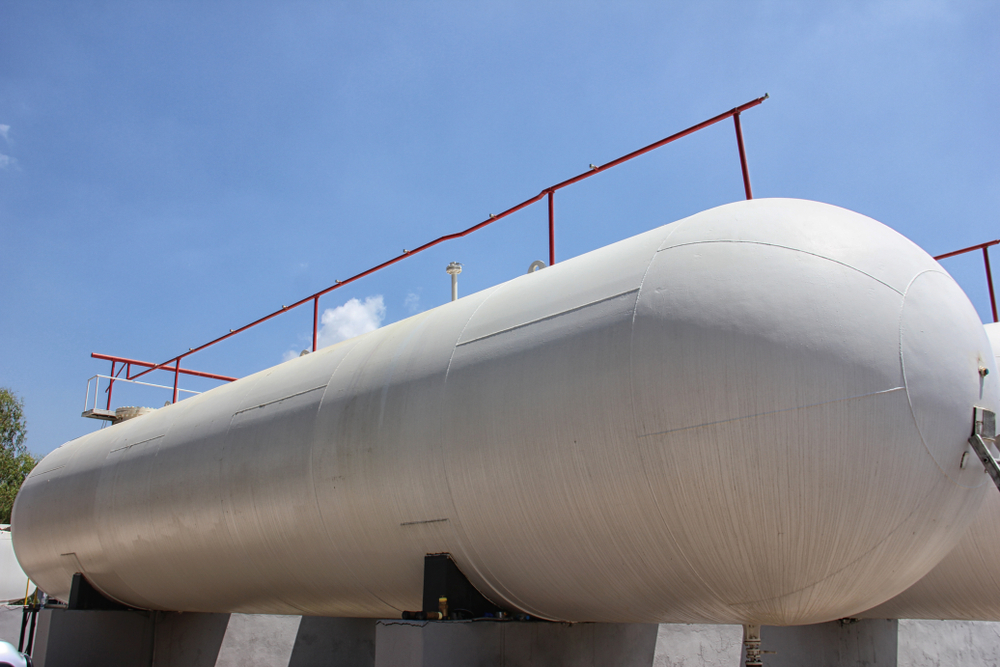
Commercial metal spinners use CNC cells for the shapes spinning has always been good at: dished ends, tank heads, hemispheres, domes, cones, covers, housings and air-movement components. The machine does not change the physics. It changes the repeatability, the cycle time and the amount of tribal knowledge locked in one person’s hands.
CNC metal spinning lathe, machine and PNC — what the terms mean
Buyers mix the labels. On a shop floor they are not the same thing.
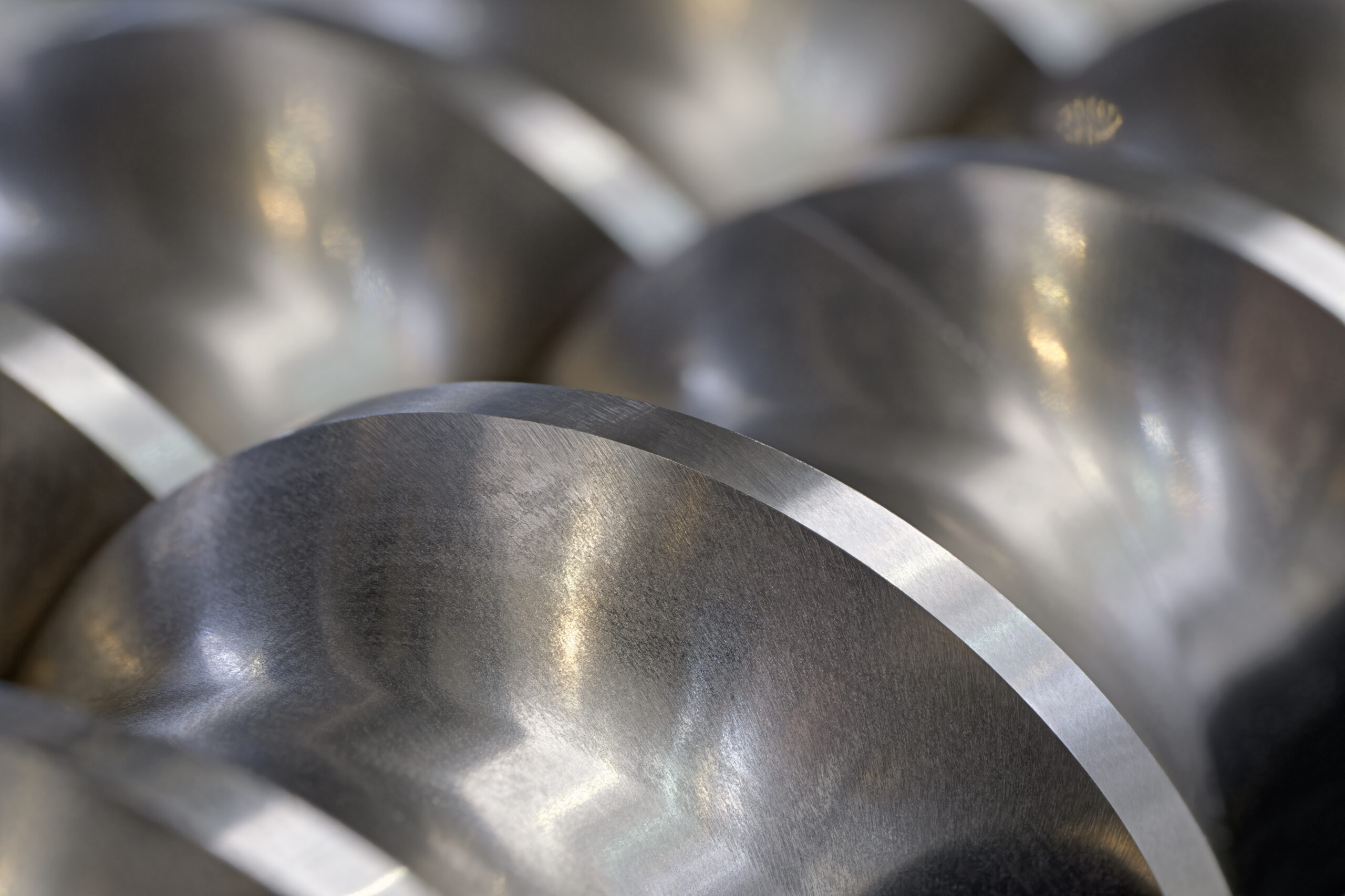
A CNC metal spinning lathe is the machine tool: headstock, spindle, tailstock, bed, mandrel, roller and the control that drives the forming axis. Tanfield’s process pages describe the same architecture used across the trade, a headstock that sets rpm, a spindle that turns the work, a tailstock and backplate that clamp the blank, and a roller that applies local force while the metal flows onto the tool.
A CNC metal spinning machine is the wider cell. That can include the lathe, automatic loading, tool change, in-cycle trim, and the programme that ties those steps together. Commercial metal spinners talk about fully automatic spinning lathes because the commercial job is not one pretty sample. It is a repeatable route from blank to trimmed part.
PNC, playback numerical control, sits between hand work and full CNC. An experienced spinner forms the first part. The machine records the path and plays it back. It is still valuable for unusual profiles and for transferring skill onto a lathe that will then run unmanned for the rest of the batch. CNC starts from a programmed path, often generated from CAD/CAM, and can be simulated before the first blank is cut.
Hand spinning has not vanished. It is the right answer for some prototypes, awkward one-offs and work where writing a programme would cost more than forming the part. Precision metal spinning for production, call-off and regulated industries is now a CNC or PNC job.
How a CNC metal spinning machine runs a part
The sequence is the same whether the order is five covers or five hundred tank heads.
The drawing is checked for diameter, depth, flange, thickness after forming and any weld prep. If there is no drawing, commercial metal spinners will usually produce one for sign-off. The blank is cut; laser cutting is the clean route for most diameters — and sized for the finished shape plus trim.
The mandrel is selected from stock or made. Tooling cost is still the commercial argument for spinning: a mandrel and rollers rather than a full draw-die set. Tanfield describes its standard tooling stock as the largest in the UK, with the largest hemisphere tooling range in Europe. That is why a CNC metal spinning lathe can often start without waiting weeks for a new form.
The blank is clamped and centred. Off-centre work shows up as thickness scatter and a flange that will not sit. The programme then runs multi-pass forming, with speeds and feeds set for the grade — aluminium, 316, duplex and titanium each need a different strategy, and some alloys need annealing between passes. In-cycle trimming takes the rim to length. The part then goes for machining, pressing, joggling, welding, polishing or surface treatment if the enquiry asked for a finished component.
Tanfield quotes CNC spinning work up to a radius of 2.4 metres and a thickness of 10 mm. Larger or thicker work is discussed against partner capacity rather than forced onto the wrong machine. Hydraulic pressing up to 350 tonnes sits next to the spinning bays when a flange or joggle belongs on the same part.
Why precision metal spinning belongs on a CNC lathe
Precision metal spinning is not a marketing phrase for “we tried to hold a tolerance.” It is a process choice. Forming moves metal. Thickness drops as the blank becomes a deeper shape. Springback varies with grade and temper. A programmed path with a known number of passes is how commercial metal spinners keep those variables inside a band the drawing can live with.
CNC control is what makes that band repeatable:
- The same tool path, spindle speed and feed on every part
- Wall-thickness strategies that can be adjusted in the programme instead of in someone’s memory
- Integration with CAD so a profile change is a path change, not a new apprenticeship
- Cycle times that are a fraction of hand spinning on the same geometry
- Inspection that can be tied to a programme revision, a material cast and a machine
That list matters on pressure vessels, food plant, aerospace, medical housings, renewable-energy hardware, air movement and any OEM that must fit a spun part to a welded assembly. A cover that is 1 mm out on diameter is a weld gap, not a brochure problem.
What commercial metal spinners put on a CNC metal spinning machine
The catalogue is familiar. The reason it stays on a spinning lathe is that the shapes are axisymmetric and the volumes rarely justify a deep-draw die.
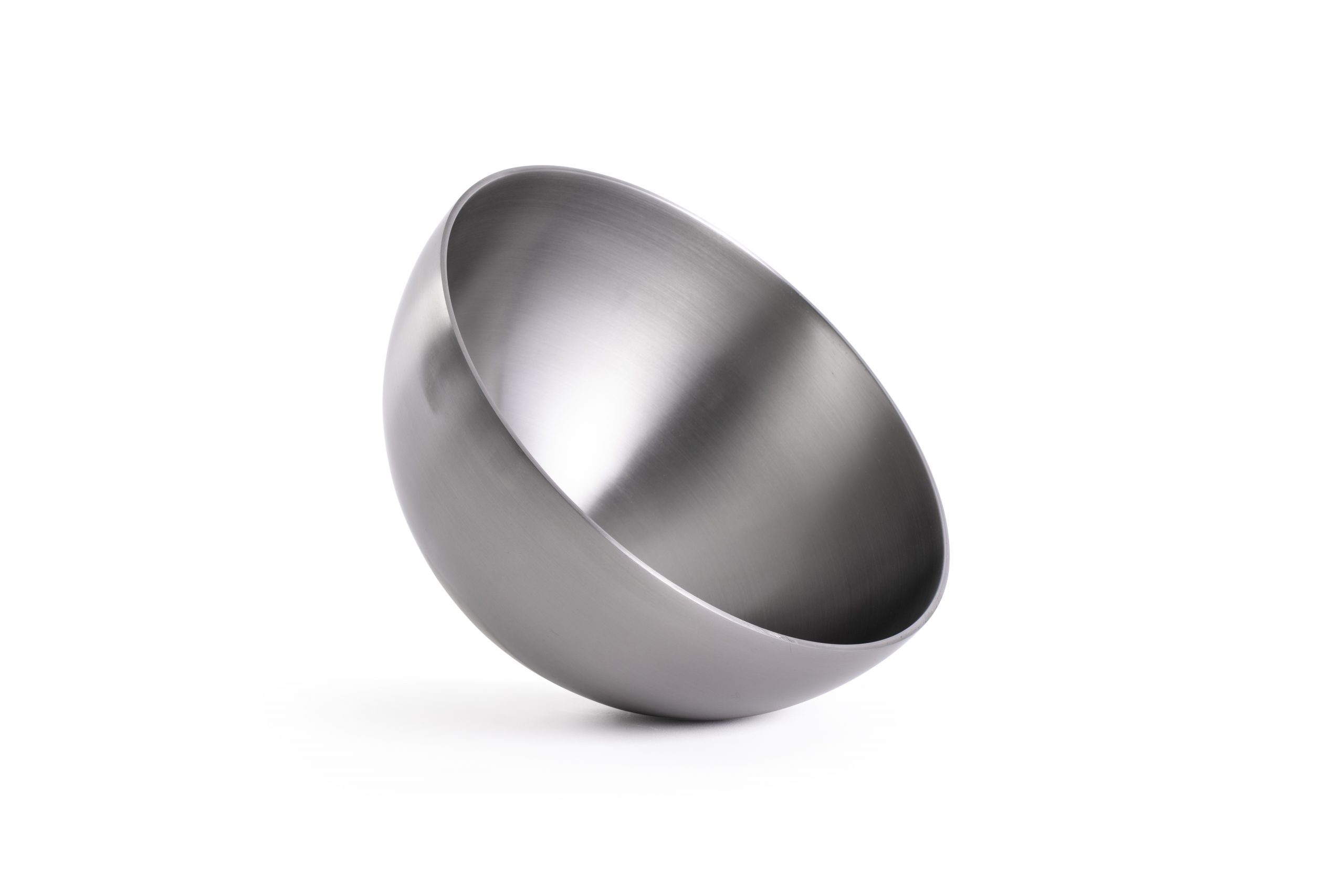
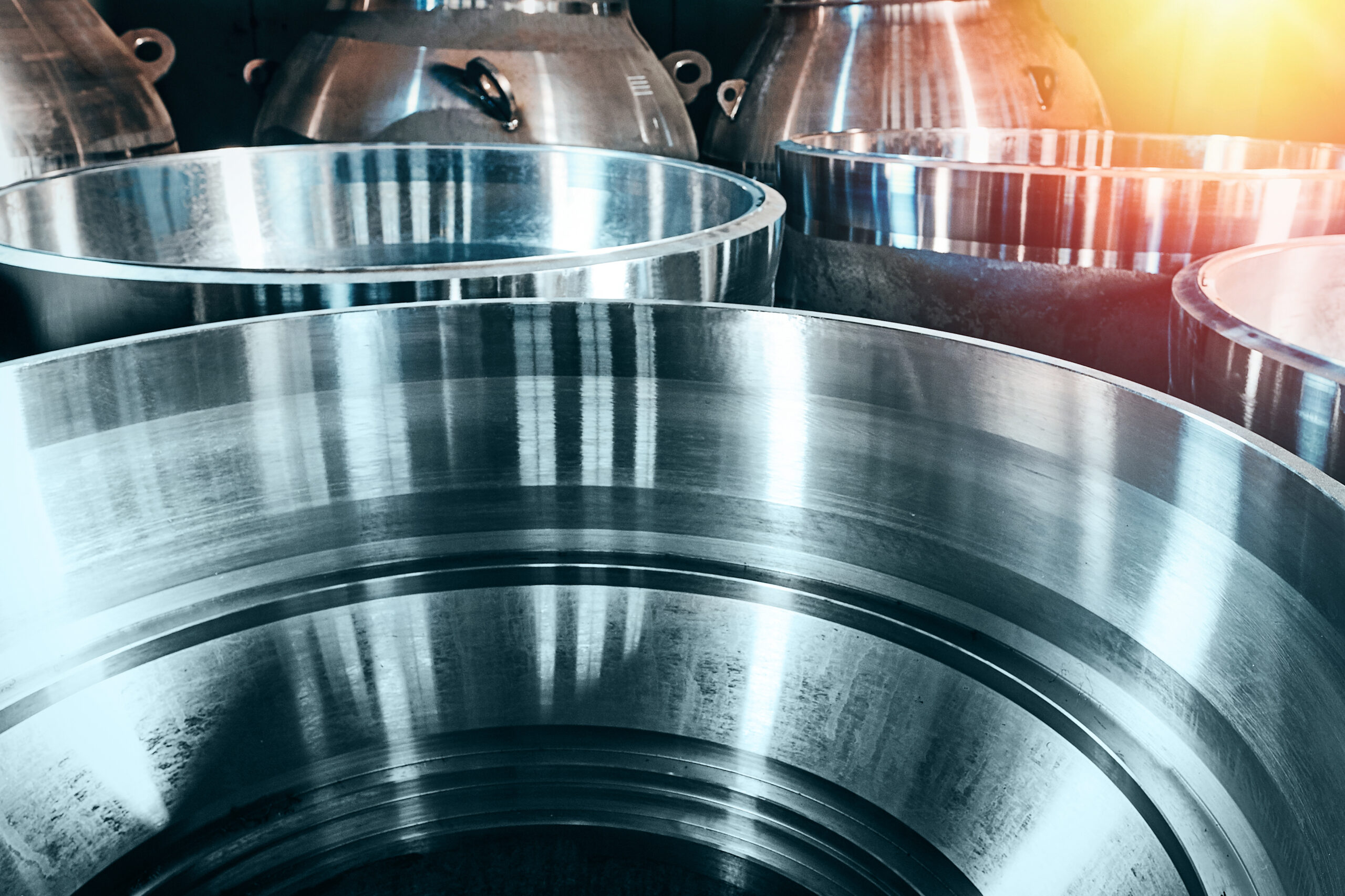
Dished ends and tank heads; ellipsoidal, torispherical, hemispherical, flanged and dished, flat flanged — are everyday CNC work. Published size bands on Tanfield’s spinning pages typically run from around 102 mm to 1870 mm for dished ends, 100 mm to 1011 mm for flat flanged ends, and 46 mm to 1573 mm for hemispheres.
Spun metal domes and bowls follow the same route with a different depth and radius. Cones, often between 60° and 150° included angle, share the cell with covers, lids, hoppers, inlets and housings.
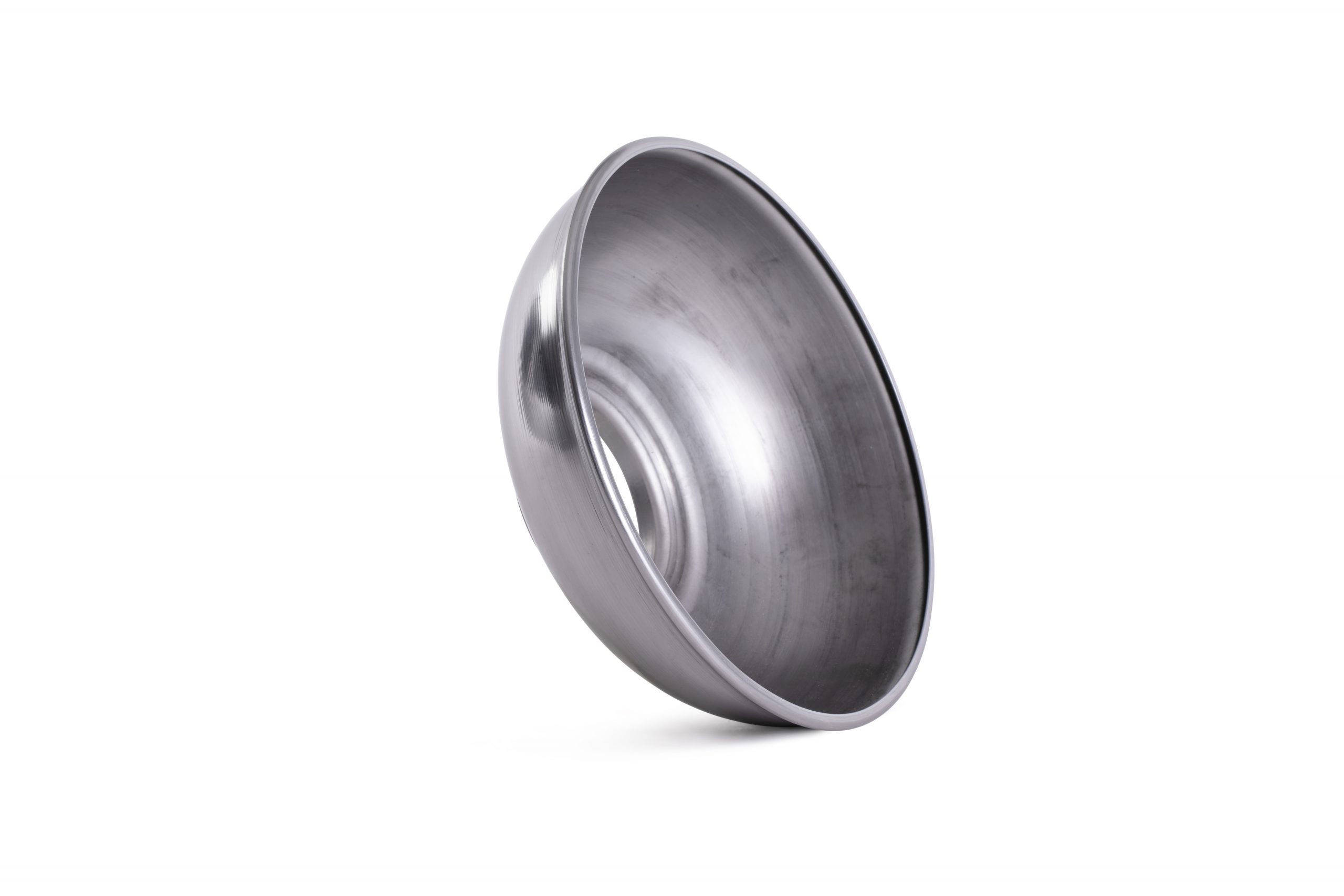
The machine is only half the commercial offer. Precision metal spinning usually arrives with secondary operations: machining on CNC lathes, drills and mills, pressing, swaging, fabrication and welding, polishing (including automated polishing), anodising, electropolishing, pickling and passivating. A buyer who only buys the spinning and then shops the finish elsewhere often pays twice for handling and loses control of the tolerance stack.
When a CNC metal spinning lathe is the right machine — and when it is not
Choose CNC metal spinning when the part is round, the quantity is prototype through medium-to-high volume, and tooling cost or material thickness would make deep drawing unattractive. Design changes stay cheap. A radius or flange length can often be adjusted in the programme and, if needed, with a modest tool change rather than a new die set.
Do not choose it for sharp corners, rectangular boxes or parts that are not axisymmetric. Those belong on a press or in fabrication. Commercial metal spinners who know their process will say so instead of quoting a spinning that will wrinkle, thin or cost more than a fabrication.
Flow forming is a cousin, not a synonym. It is stronger on long tubular work. CNC metal spinning is stronger on dishes, domes, cones, flanges and mixed profiles from a flat blank.
Materials and control
Everyday CNC spinning grades are aluminium, carbon steel, stainless steel, copper, brass and Zintec. Specialist work takes duplex, Hastelloy, Inconel, titanium, Corten, Mu-metal, Nimonic, Nirosta and silver. Some of those need heat between passes. The programme must know that before the first blank is loaded.
Industrial parts should leave with material certification, traceability, a certificate of conformance and an inspection report. That is normal practice for commercial metal spinners supplying vessels and OEM assemblies, not a special for aerospace only.
How to brief a CNC metal spinning job
A usable enquiry is short and complete:
- Drawing or dimensioned sketch — inside or outside diameter, depth, flange, joggle, weld prep
- Grade and thickness before forming, plus any minimum after forming
- Quantity and whether this is a prototype, a batch or a call-off
- Finish: as-spun and trimmed, machined, polished, treated, or assembled
- Any standard on the head — ASME or EN dish profiles are common requests on vessel work
- What is critical. Mark the diameters that mate. Do not put a machining tolerance on every formed surface
If the first article will be used to prove a weld or a seal, say so. The CNC metal spinning machine can hold a process. It cannot guess which dimension is the one that fails the assembly.
Tanfield as commercial metal spinners
Tanfield Metal Spinners has run this process in the North East of England since 1984. The Washington, Tyne and Wear works occupy 35,000 sq ft with a large range of fully automatic spinning lathes, CNC and PNC control, and in-house machining, pressing, fabrication, welding and finishing.
The commercial case is the combination of that cell and the tooling library. Most quotations go out within 24 hours. Lead time is typically three to four weeks where the tool already exists. Delivery is next-day as standard. The company is ISO 9001 accredited and a 100 per cent made-in-Great-Britain manufacturer.
That is what commercial metal spinners should mean on an RFQ: a programmed CNC metal spinning lathe, a tool that already exists or can be made without a press-tool budget, and a route to a finished part rather than a raw dish on a pallet.
Talk to an expert about CNC metal spinning
If the part is a dish, dome, cone or cover and the question is whether it belongs on a CNC metal spinning machine, send the drawing. Tanfield will say whether it should be spun, pressed, fabricated or a mix, and what the existing tool stock does to cost and date.
Contact Tanfield Metal Spinners at metal-spinners.com, email talktoanexpert@metal-spinners.com, or call 0191 419 3377.
< Blogs < CNC Metal Spinning Lathes & Machines: Precision Work from Commercial Metal Spinners
More Blogs